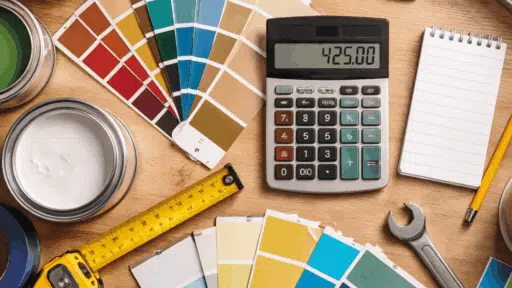
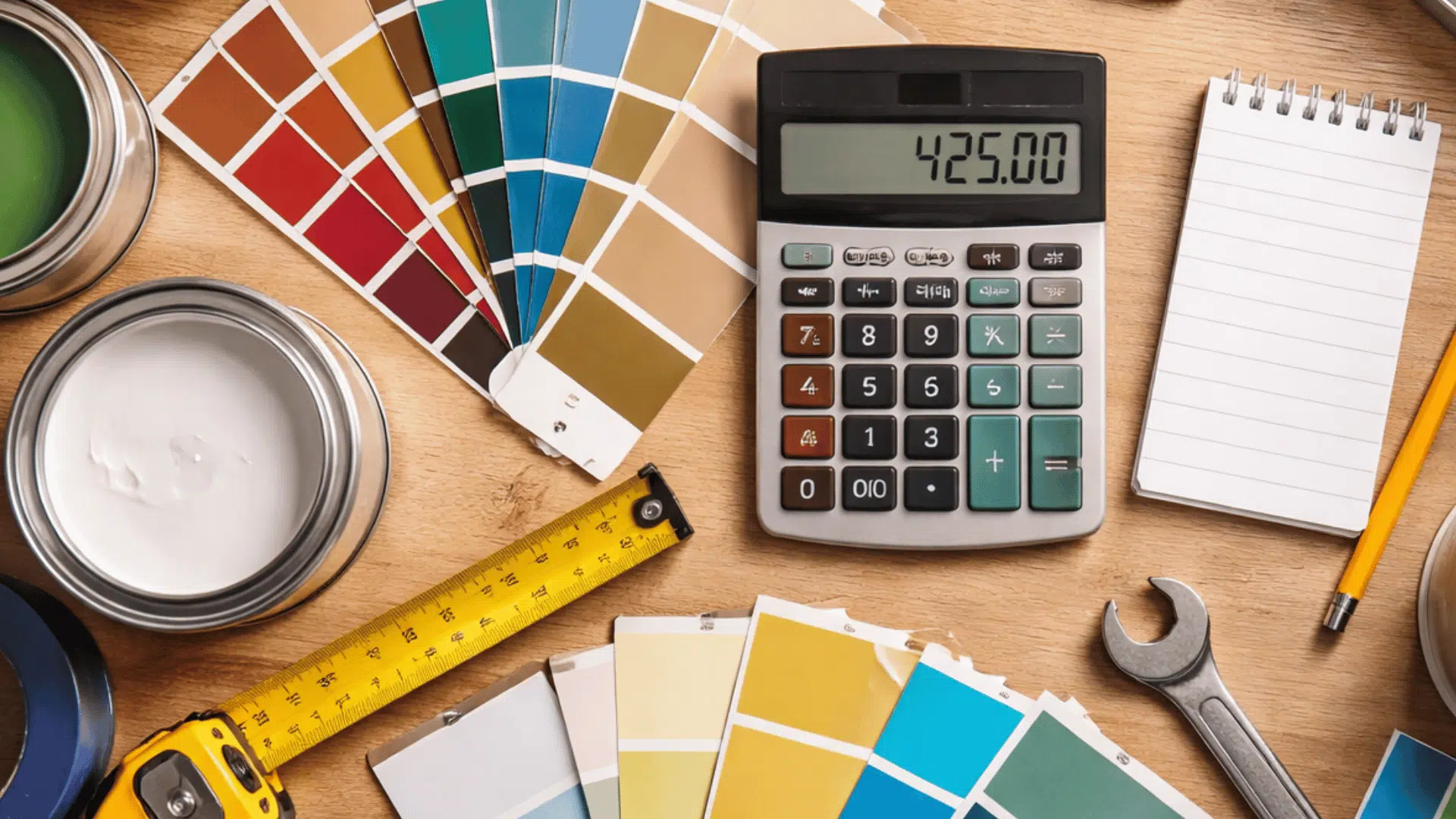

Painting your house is a conscious choice that can refresh your space, but it’s important to know what you’re getting into cost-wise.
One key factor to consider is the cost per square foot, as it affects your overall budget.
Knowing these costs up front can prevent any surprises down the road. With a bit of preparation, you can make an informed decision and stay within your budget.
Ready to find out what your painting project might cost? Keep reading for simple ways to estimate and budget.
Why Knowing Painting Costs Per Square Foot Matters?
Underestimating the painting cost per square foot can lead to issues that affect your project.
Missing key expenses like materials, labour, and prep work often result in budget overruns, leaving you short on funds.
A low estimate can also cause incomplete work, forcing you to pause midway. Unexpected factors such as wall repairs or extra coats may increase costs without warning.
Cutting corners to save money can reduce quality and lead to poor results.
On top of that, running out of supplies or budget can delay your timeline, making the project more stressful and time-consuming than planned.
Cost to Paint a House By Size
The total painting cost per square foot changes based on the size of your home, with larger homes often having slightly lower per-square-foot rates but higher overall costs.
| Home Size | Cost Range |
|---|---|
| 1,000 sq. ft. home | $1,500 – $4,000 |
| 1,500 sq. ft. home | $2,250 – $6,000 |
| 2,000 sq. ft. home | $3,000 – $8,000 |
| 2,500 sq. ft. home | $3,750 – $10,000 |
How to Calculate Paint Cost For Your Home?
This basic formula helps you quickly estimate your total painting cost using square footage and average rates.
Start by using the total cost formula, Total Cost = Total Square Footage × Cost Per Square Foot, to get a quick base estimate for your project.
Next, measure the paintable area by calculating the wall and ceiling size using height × width for accurate results.
Then, apply the average cost, usually between $1.50–$4 per sq. ft., depending on the project. Finally, include extra expenses like prep work, primer, multiple coats, and supplies to get a more realistic and complete budget estimate.
Painting Cost Per Square Foot Breakdown
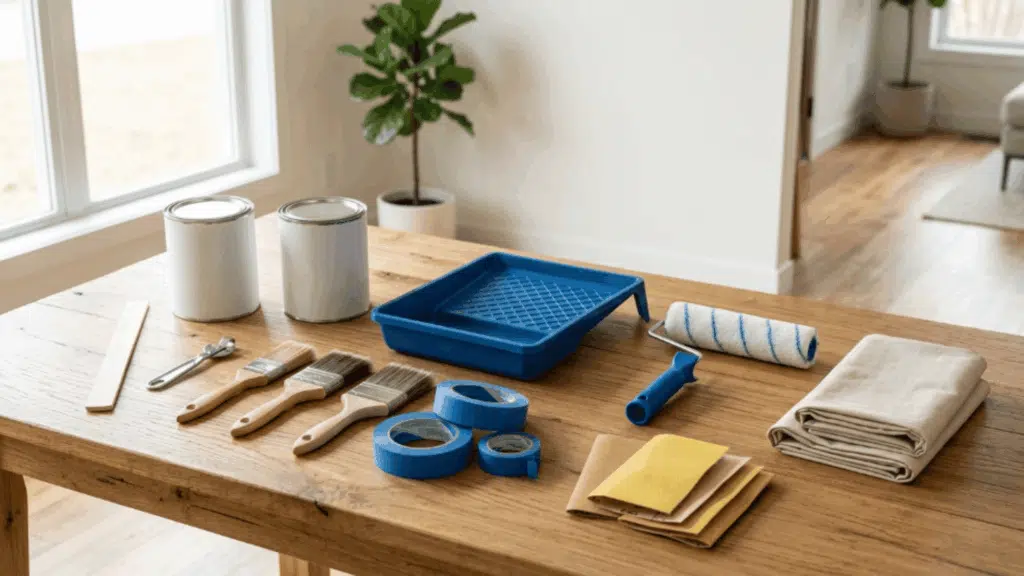
Understanding the painting cost per square foot helps you estimate your budget more accurately and compare different areas of your project by determining the painting area.
Interior Cost Per Square Foot by Surface
Understanding the painting cost per square foot for different interior surfaces helps you plan your budget more accurately and avoid underestimating total expenses.
| Surface Type | Cost Range |
|---|---|
| Walls | $1.90 – $3.60 per sq. ft. |
| Trim | $4.70 – $6.75 per sq. ft. |
| Ceilings | $1 – $6 per sq. ft. |
| Baseboards | $1 – $3 per sq. ft. |
Exterior Cost Per Square Foot by Surface
Understanding the painting cost per square foot for exterior surfaces helps you plan better since different materials require different levels of prep and paint coverage.
| Surface Type | Cost Range |
|---|---|
| Wood Siding | $1 – $3 per sq. ft. |
| Vinyl Siding | $1.25 – $3 per sq. ft. |
| Brick | $1.50 – $4.50 per sq. ft. |
| Stucco | $1.50 – $4 per sq. ft. |
Tools and Calculators to Estimate Painting Cost Per Square Foot
Use both free and paid tools and calculators to quickly estimate painting cost per square foot based on your home size, paint type, labor, and project details for a more accurate budget.
Paid Online Tools and Calculators to Estimate Painting Costs
For readers who want cost estimates that go beyond basic free tools, the following paid estimate resources help calculate painting costs based on square footage and project specifics.
- Homewyse Home Painting Cost Calculator: A detailed tool that uses industry pricing data and customizable project inputs to generate professional‑level cost estimates for interior painting projects.
- RemodelingCalculator.org Paint Estimator: Provides contractor‑style cost estimates, including material and repair pricing, with more breakdowns ideal for full‑home painting budgets.
- Middler Paint Cost Estimator: While the basic estimate is free, Middler offers optional professional reporting tailored to interior, exterior, or whole‑house painting projects.
- Hot Calculators House Painting Cost Calculator (Enhanced Version): This calculator can be paired with paid contractor quote features that provide a detailed cost range based on square footage, paint grade, and regional labour assumptions.
- PrimerJobs Smart Paint Cost Estimator (Pro Quotes): A more advanced estimator that can generate real‑time quotes for interior/exterior painting based on square footage, surface condition, and paint quality, with options to request professional service quotes.
Free Online Tools and Calculators to Estimate Painting Costs
These free and easy‑to‑use online tools calculate paint, materials, labor estimates, and overall budget so homeowners can plan with confidence:
- BuildWithDave: Lets users enter room dimensions, number of doors and windows, and paint cost per square foot to estimate total paintable area and project cost quickly.
- Hot Calculators: A free tool to estimate interior and exterior painting costs by entering square footage, paint quality, ceiling inclusion, and minor repairs.
- Joist: A simple calculator that takes room measurements, doors/windows info, and paint cost to estimate painting expenses for interior or exterior projects.
- TheCalcs: Calculates paint, materials, and labor estimates based on room size, paint quality, number of coats, and provides cost per square foot and total project cost.
- PaintCalculators.com: A universal paint calculator that estimates material amounts and costs for interior and exterior painting projects.
Factors That Affect Painting Costs Beyond Square Footage
When estimating the cost of painting a home, square footage is just one part of the equation. Several other factors can significantly influence the overall cost. Here’s what to keep in mind:
1. Type of Paint
Higher-quality paints cost more upfront but often require fewer coats and last longer. They also maintain their finish better over time, which reduces the need for frequent repainting. In many cases, investing in better paint can offer more value in the long run.
2. Number of Coats
Most painting projects need at least two coats for proper coverage. Some surfaces or darker colors may require additional coats, which increases both material and labor costs. Applying the right number of coats also improves durability and overall finish.
3. Surface Preparation
Surface preparation includes sanding, patching, and priming before painting begins. This step helps the paint stick properly and ensures a smooth finish. Skipping prep work can lead to uneven results and faster wear over time.
4. Room and Wall Height
Rooms with tall walls or vaulted ceilings require more time and effort to paint. Painters may need ladders or scaffolding, which adds to labor costs. Complex layouts and hard-to-reach areas can also slow down the process. These factors make high spaces more expensive to paint overall.
5. Trim, Doors, and Windows
Painting trim, doors, and windows requires careful attention and precision. These areas take more time compared to flat walls and often need different tools. This extra detail work increases both labor and overall project cost. It also requires a steady hand to achieve a clean, finished look.
6. Labor Costs
Labor costs vary based on the painter’s experience, project complexity, and location. Rates are usually higher in urban areas compared to rural ones. Skilled professionals may charge more, but they often deliver better and more consistent results.
How to Save on Painting Costs?
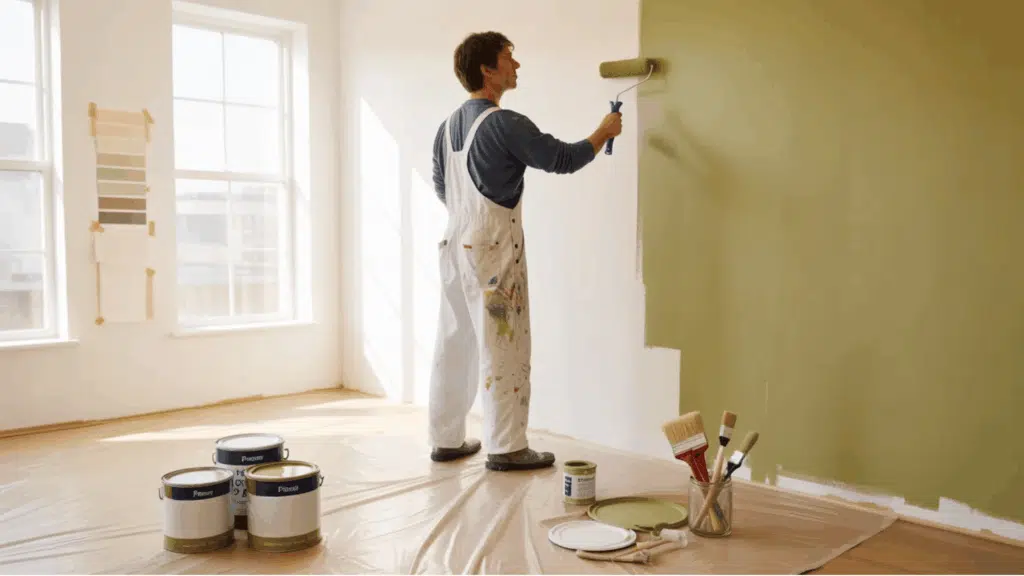
Saving on painting costs comes down to planning ahead and making practical choices early. Small decisions around materials, labor, and prep can make a noticeable difference in your budget.
- DIY When Possible: Reduces labor costs if you have time and basic skills
- Choose Mid-Range Paint: Balances cost with durability and finish quality
- Stick to Standard Options: Simple colors and finishes keep costs lower
- Skip Extra Design Elements: Avoid textures or special finishes to save more
- Focus On Prep Work: Proper prep reduces the need for multiple coats
Conclusion
Estimating painting costs per square foot is crucial for planning a budget-friendly project.
By understanding factors like paint type, number of coats, and prep work, you can make informed decisions to minimise expenses.
Remember, small changes like choosing affordable materials or testing paint samples can make a big difference in costs.
Having a clear estimate also helps you avoid unexpected expenses and stay within your planned budget.
Ready to start your painting project? Use the tools and tips shared here to get a precise estimate and begin planning today!

Tommy Hardy, an alumnus of the Georgia Institute of Technology with a degree in Mechanical Engineering, has been a go-to figure in residential upkeep and innovation for over 18 years. His career commenced in a leading home appliance manufacturing company, where he mastered the intricacies of household systems. Joining our platform in 2020, Tommy quickly became a reader favorite for his practical and easy-to-follow guides. He took the helm of our DIY section in 2019, consistently delivering content that empowers homeowners. Beyond his professional pursuits, Tommy is a passionate gardener and enjoys woodworking, skills enhancing his hands-on approach to home care.