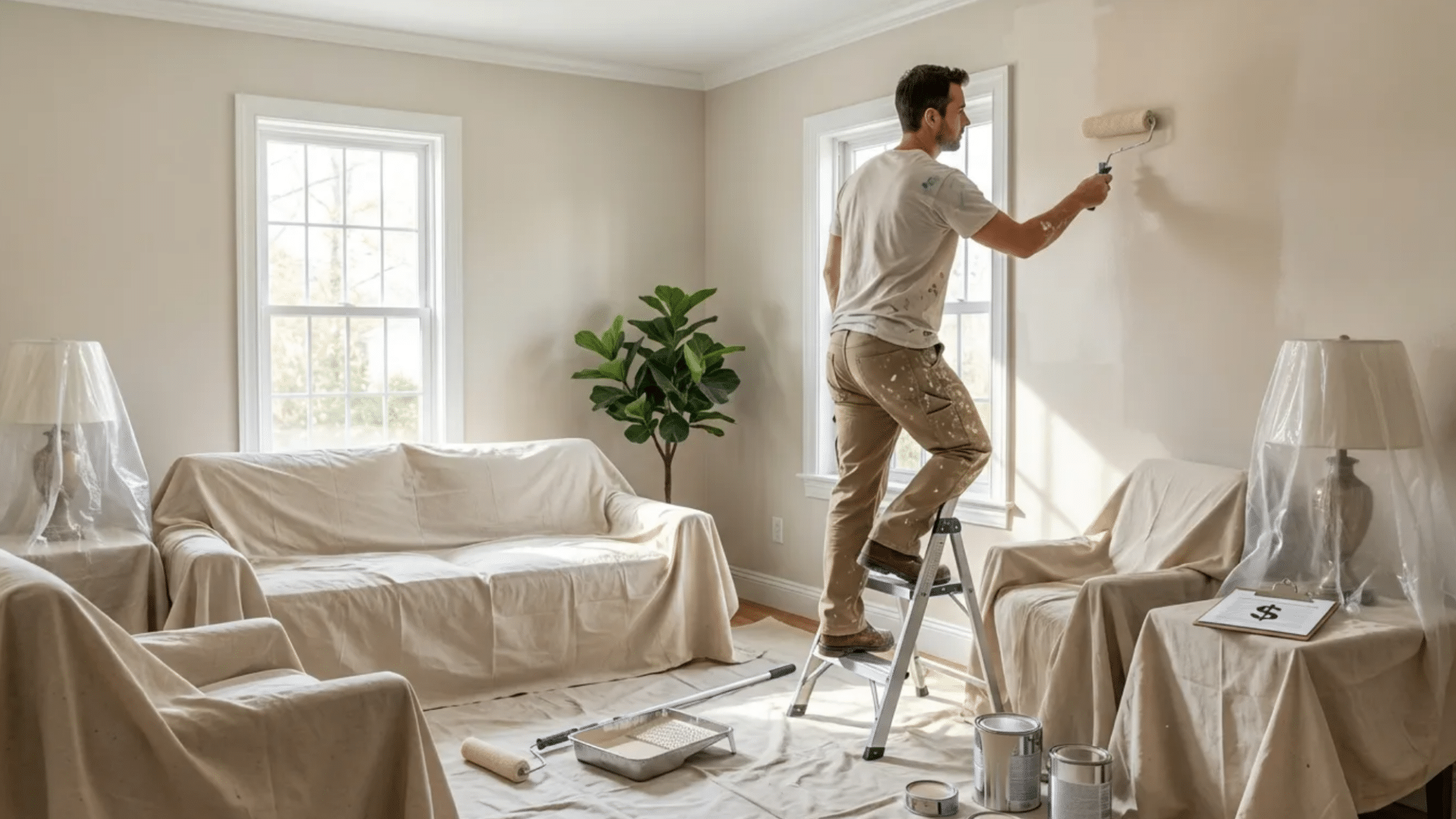

Most people don’t realize how much painters charge until they’re staring at a quote that feels way off. High or low, it’s hard to tell without context.
Painting costs vary quite a bit. Room size, paint quality, surface condition, and labor rates all factor in, and a cheap quote doesn’t always mean a good deal.
Understanding painter pricing helps people plan budgets more effectively and avoid being caught off guard by hidden fees or surprise add-ons.
This complete cost breakdown covers average rates, key pricing factors, and what to watch out for before hiring a painter.
What Affects Interior Painting Costs?
Several factors influence how much painters charge for an interior job. Here’s a quick breakdown:
- Location and Labor Rates: High-cost cities charge more. Smaller towns and competitive markets tend to be more affordable.
- Wall Condition and Prep Work: Basic prep is usually included. Repairs like drywall damage, peeling paint, or textured walls cost extra.
- Paint Quality and Coats: Premium paints cost more but need fewer coats. Color changes, primers, and specialty finishes add to the total.
- Trim, Doors, and Ceilings: These need detailed work, which means more labor time and higher costs.
- Complex Spaces: High ceilings, stairwells, tight corners, and moving furniture all make the job harder — and pricier.
How Much Do Painters Charge for Interior Painting?
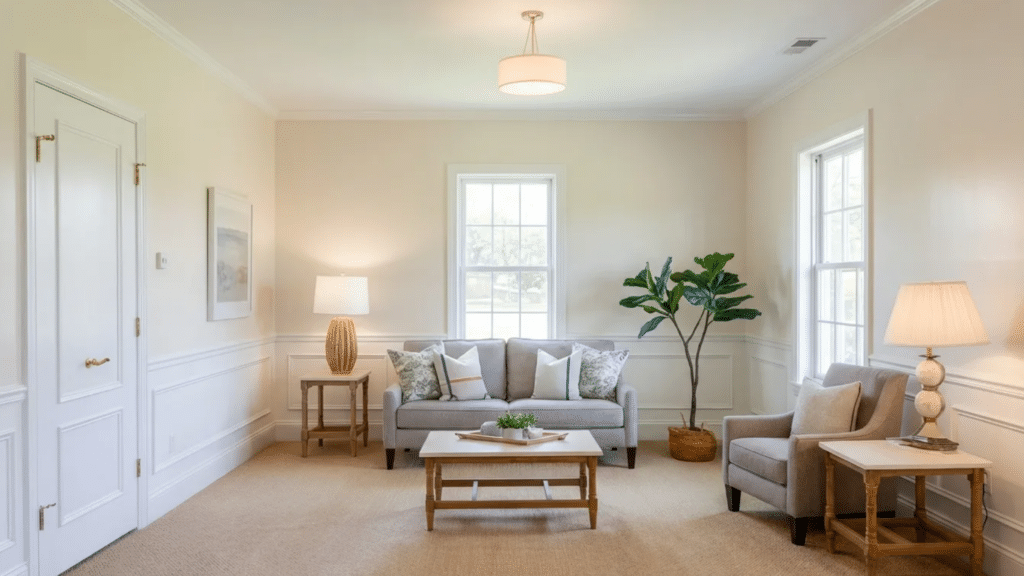
Interior painting costs vary based on location, labor rates, project size, and wall condition. A small bedroom in a low-cost area will cost far less than a large space in a high-cost city.
Here are national averages, per-square-foot and per-room estimates, plus what’s typically included in a professional quote to help you budget and compare prices easily.
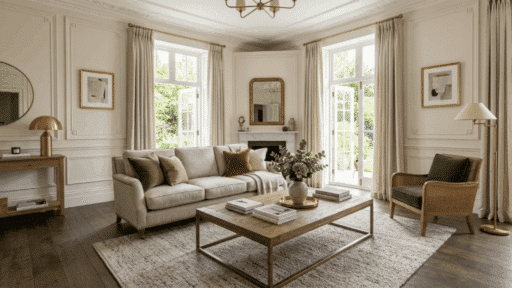
1. Living Room Painting Cost
- Average Cost: $600 to $1,500.
- Small Living Room: $400-$800.
- Large / Open-Concept Space: $1,000 to $2,000+.
- High Ceilings or Accent Walls: Adds $200 to $500.
- Includes: labor, paint, basic prep (patching and sanding), and cleanup.
- Factors Affecting Cost: Room size, ceiling height, paint quality, and wall condition.
2. Bedroom Painting Cost
- Average Cost: $300-$800 per room.
- Small Bedroom: $250 to $500.
- Large Bedroom / Master: $600-$1,000+.
- Accent Wall or Custom Finish: $100-$300.
- Includes: Labor, paint, minor wall prep, and cleanup.
- Factors Affecting Cost: Room size, number of windows/doors, paint type, and wall condition.
3. Kitchen Painting Cost
- Average Cost: $200 to $600.
- Small Kitchen: $150-$300.
- Large Kitchen: $400-$800+.
- Cabinets Painting (Optional): $1,000-$3,000+.
- Includes: Wall painting, basic prep, and cleanup.
- Factors Affecting Cost: Limited wall space (cabinets/appliances), paint type, grease stains, and prep work needed.
4. Bathroom Painting Cost
- Average Cost: $150-$400.
- Small Bathroom: $100-$250.
- Large Bathroom: $300-$600+.
- Moisture-Resistant Paint: $50-$150.
- Includes: Wall painting, minor prep, and cleanup.
- Factors Affecting Cost: Size, ventilation, humidity levels, and surface condition.
How Long Does Interior Painting Take?
Interior painting timelines vary based on the size of the project, wall condition, and level of detail.
A single room usually takes about 1 to 2 days, while painting 2 to 3 rooms can take 2 to 4 days. For a full interior repaint, most average-sized homes require around 5 to 10 days or more.
The timeline largely depends on preparation and complexity. Tasks like patching, sanding, and priming take time but are essential for a smooth finish.
Drying time between coats cannot be rushed either. Rooms with high ceilings, detailed trim, or complex layouts naturally take longer, as do spaces that require moving furniture or working in tight areas.
In most cases, a slightly longer timeline leads to better results. Proper prep and careful application ensure a more even finish that lasts longer.
How to Compare Painting Quotes and Avoid Overpaying?
Not all painting quotes are created equal. Even if prices look similar, what’s included can vary, which can affect the final cost.
- Coats: Check if the quote covers 1 or 2+ coats; more coats mean better finish and coverage.
- Prep Work: Look for patching and sanding. Proper prep prevents issues down the line.
- Paint Quality: Ask about the brand and type; they directly impact how long the finish lasts.
- Primer: Confirm if it’s included or billed separately. Primer is essential for proper paint adhesion.
- Trim/Ceilings: Check whether these are included or quoted separately; they can significantly increase the total cost.
- Warranty: A good painter should offer 1–3 years of coverage; it’s a sign of quality assurance.
DIY Painting Vs Hiring a Professional
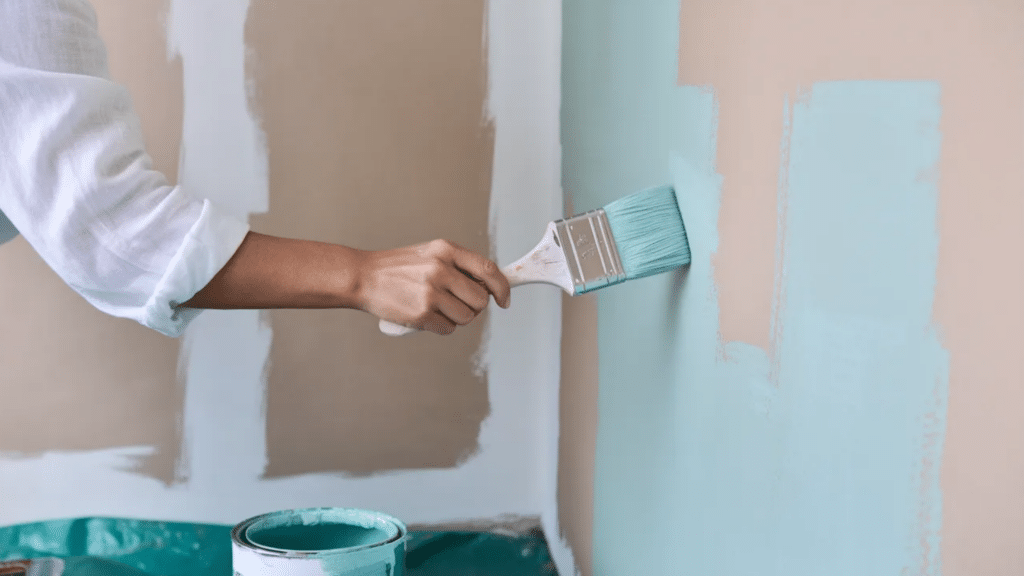
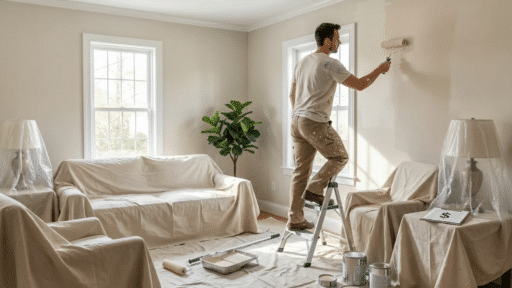
DIY painting seems cheaper upfront since it cuts out labor costs, the biggest chunk of any professional quote.
But the savings are not always as significant as expected. Paint runs $30–$70 per gallon, primer adds another $20–$40, and supplies like rollers, brushes, tape, and drop cloths can cost $50–$150.
A standard room can cost $150–$400 in materials alone, not including the time investment, which can span a full weekend.
Hiring a professional makes more financial sense when walls need repairs, ceilings are high, or a flawless finish matters, like before a home resale.
Professionals work faster, deliver consistent results, and typically include prep and cleanup. One botched DIY job can cost more than hiring a pro from the start.
Final Thoughts
Interior painting is one of the most effective ways to refresh and upgrade a home, but costs can vary significantly depending on scope and conditions.
Room size, local labor rates, surface repairs, paint choice, and detail work all affect the final price. Understanding these variables helps you evaluate estimates more accurately and avoid unexpected add-ons.
Rather than focusing only on the lowest bid, consider the overall value, including preparation, number of coats, and finish quality.
A well-executed paint job improves appearance, protects surfaces, and can even increase resale appeal.

Tommy Hardy, an alumnus of the Georgia Institute of Technology with a degree in Mechanical Engineering, has been a go-to figure in residential upkeep and innovation for over 18 years. His career commenced in a leading home appliance manufacturing company, where he mastered the intricacies of household systems. Joining our platform in 2020, Tommy quickly became a reader favorite for his practical and easy-to-follow guides. He took the helm of our DIY section in 2019, consistently delivering content that empowers homeowners. Beyond his professional pursuits, Tommy is a passionate gardener and enjoys woodworking, skills enhancing his hands-on approach to home care.