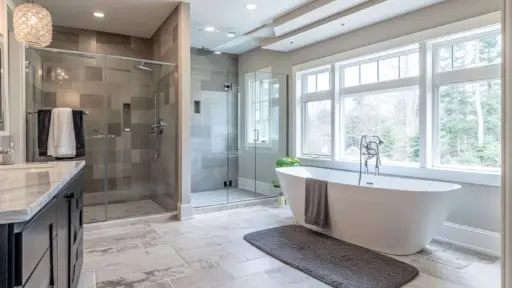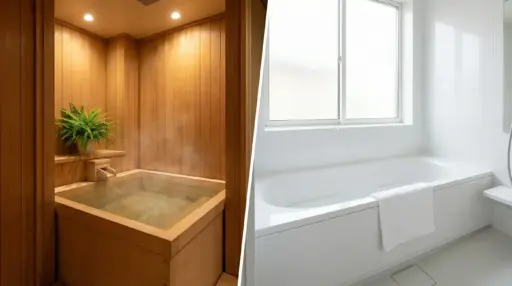
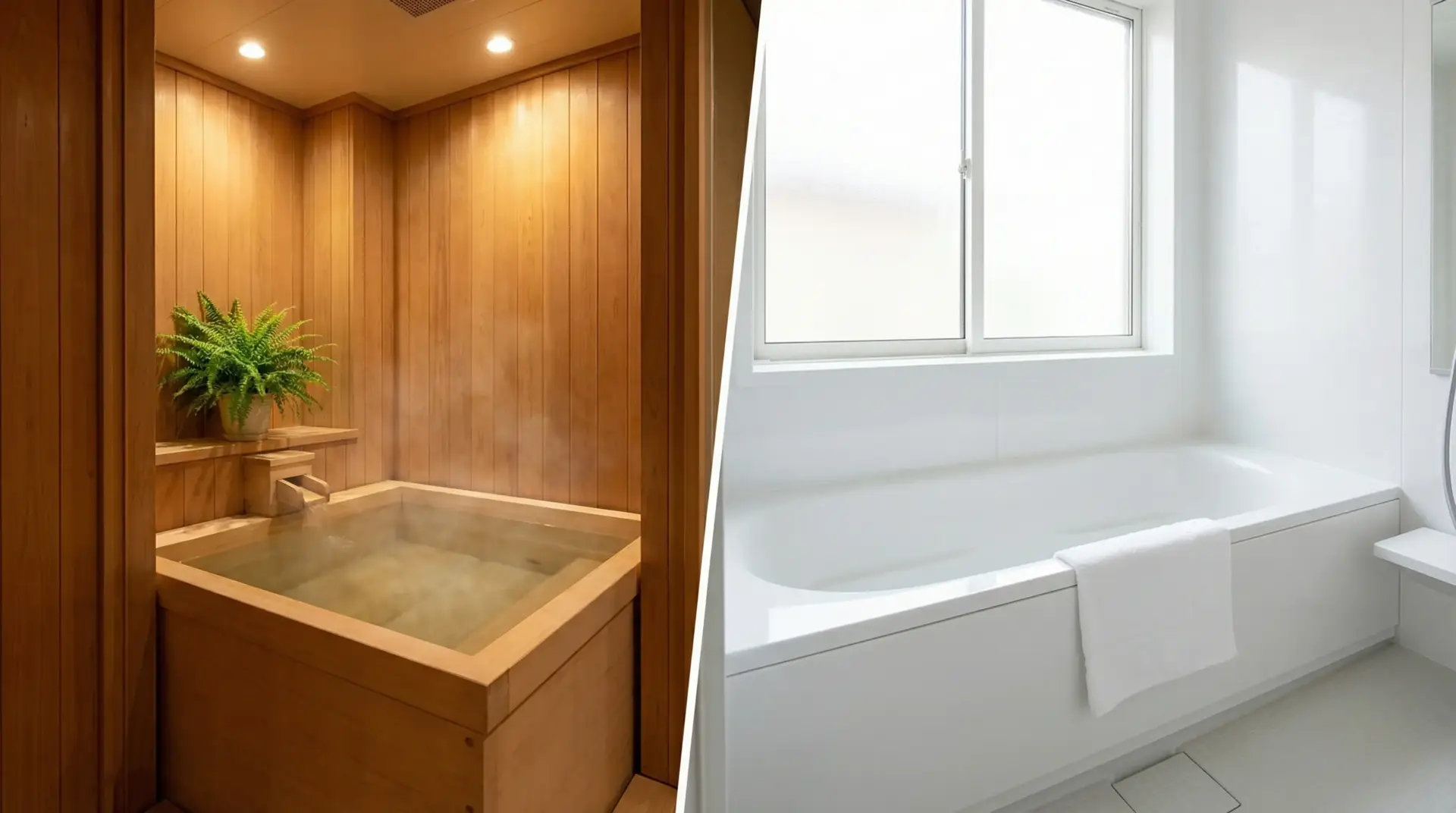
When people start planning a bathroom remodel, they usually picture a long tub where they can stretch out. That is the standard American approach. But in the last few years, more homeowners have started looking at a different option. A Japanese soaking tub is shorter and deeper than a conventional tub. It changes how you use the space and how much room you need.
The choice comes down to how you actually bathe. If you like to lie flat and stretch out, a standard tub makes sense. If you prefer to sit upright and soak in deep water, a Japanese tub might work better. But beyond the bathing style, there are practical differences in installation, water usage, and how the tub fits into your floor plan.
Understanding these differences helps you decide whether a traditional acrylic bathtub or a Japanese soaking tub is the right fit for your home and your routine.
Space Efficiency and Floor Plan Flexibility
One of the biggest challenges in American bathrooms is space. Many homes, especially those built between 1950 and 1990, have small bathrooms where fitting a standard 60-inch tub is tight. A Japanese soaking tub offers a different way to use that space.
How Much Room You Actually Need
A standard acrylic bathtub in an alcove setup needs at least 60 inches of wall space. If you want a freestanding model, you need even more room around it to make the space look balanced and to allow for cleaning. In a small bathroom, that can feel cramped.
A Japanese soaking tub is typically square or round. The footprint is often around 36 inches by 36 inches, sometimes smaller. You can fit one into a corner or position it against a wall without needing the long stretch of space that a conventional tub requires. That leaves room for a larger vanity or a more spacious shower.
For homeowners in cities like New York, Chicago, or San Francisco where square footage is expensive, the space savings are significant. You get a full bathing experience in a footprint that is about half the size of a standard tub.
Making Use of Awkward Layouts
Not every bathroom is a perfect rectangle. Some have angled walls, dormers, or odd corners that make it hard to fit a standard tub. A Japanese soaking tub can go into those spaces because the shape is more compact. You can place it under a sloped ceiling or in a corner that would not accommodate a 60-inch tub. This flexibility often saves homeowners from having to move walls or reconfigure the entire bathroom layout.
Depth and the Soaking Experience
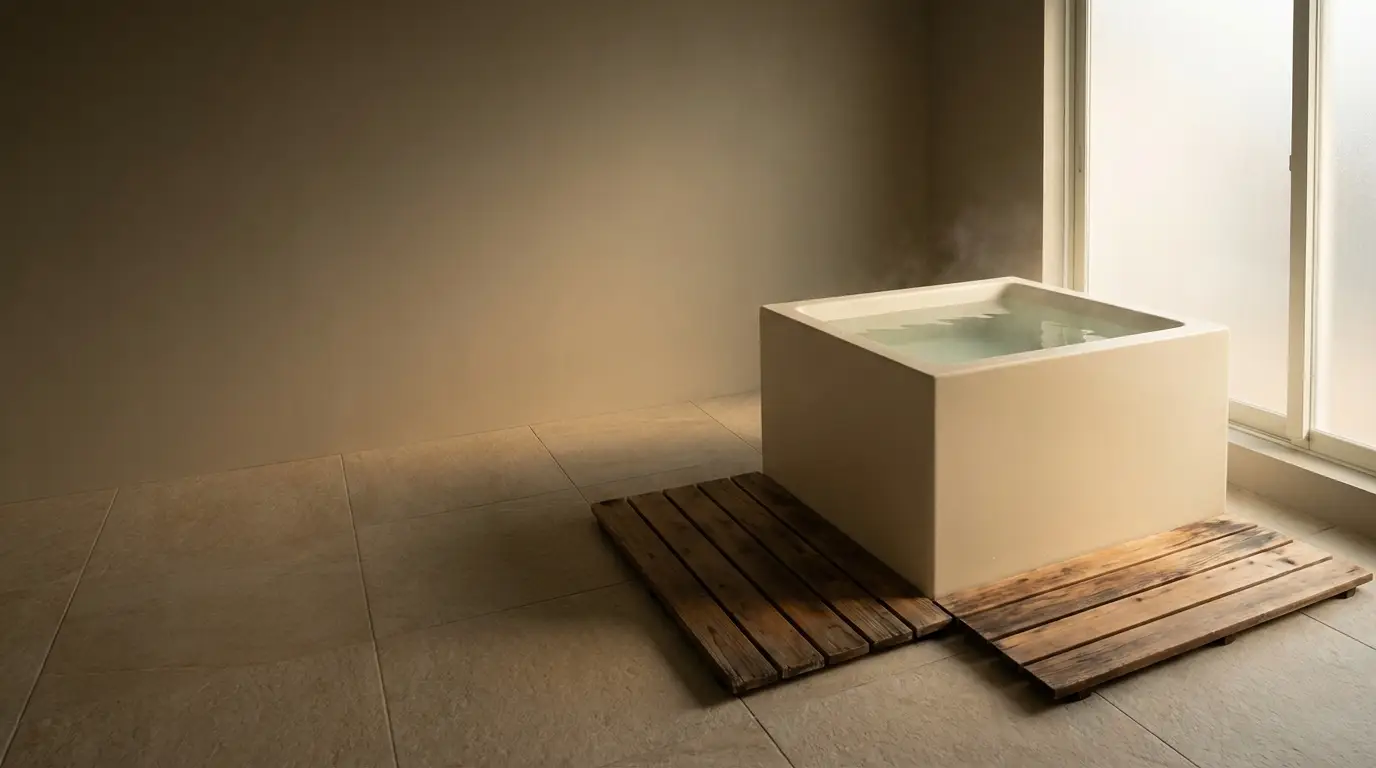
The way you sit in a Japanese soaking tub is fundamentally different from a standard tub. That difference matters for comfort, water temperature, and how long you stay in the bath.
Water Level and Coverage
In a standard acrylic bathtub, the water depth when filled is usually around 12 to 14 inches. For most adults, that means water covers about half your body when lying down. Your shoulders and upper chest stay exposed unless you slouch down. The water also cools faster because a larger surface area is exposed to the air.
A Japanese soaking tub is designed to be used sitting upright. The depth is typically 24 to 28 inches. When you sit in one, the water comes up to your shoulders or neck. Your entire body stays submerged, which means the water stays warmer for longer because less of the surface is exposed. The upright position also puts less strain on your lower back compared to lying flat in a shallow tub.
Who Benefits from Deeper Soaking
For people with muscle tension, joint pain, or just physically demanding jobs, full submersion makes a difference. The buoyancy takes weight off your joints, and the consistent water temperature around your whole body helps muscles relax more effectively. Athletes, construction workers, and anyone dealing with chronic back pain often find that a deep soak does more for recovery than a shallow bath.
For families with young children, a Japanese soaking tub also works well. Kids can sit securely on the built-in seat with water at a safe level, and the compact size means you fill it faster and use less water per bath.
Material Considerations for Deep Tubs
Any tub that holds deep water needs to be built to handle the extra weight and pressure. The material you choose affects durability, installation, and long-term performance.
Why Acrylic Works Well for Deep Designs
Acrylic is a common choice for Japanese-style tubs because it handles deep water well. A standard acrylic bathtub is reinforced with fiberglass to add stiffness. When you apply that same construction to a deeper tub, it stays rigid even when filled with several hundred pounds of water.
Acrylic also retains heat better than metal. In a deep tub where your whole body is submerged, heat retention matters because you are likely to soak for 20 to 30 minutes. The acrylic shell warms up to body temperature quickly and does not pull heat out of the water the way steel or cast iron does.
Weight and Installation Differences
A deep soaking tub holds more water than a standard tub of the same footprint. A 36-inch square Japanese tub can hold 50 to 60 gallons when filled to capacity. That is comparable to a standard 60-inch tub. But because the Japanese tub is more compact, the overall weight when filled is similar.
The lightweight nature of acrylic makes installation easier regardless of which style you choose. A Japanese soaking tub made from acrylic weighs around 80 to 100 pounds. That is light enough for two people to carry up stairs and through doorways without special equipment. If you are installing one on a second floor, you do not need to worry about reinforcing the floor joists the way you would with a stone or cast iron tub.
Installation and Plumbing Considerations
Putting a Japanese soaking tub into a bathroom requires some planning, especially if you are replacing a standard tub. The plumbing layout may need adjustment, but the overall process is straightforward.
Drain Placement and Access
Standard tubs typically have the drain at one end. Japanese soaking tubs usually have the drain in the center of the floor. If you are replacing an existing tub, the plumber will need to relocate the drain to the center of the new tub location. That involves opening the subfloor and moving the drain pipe. This is standard work for any plumber and adds some time to the project but is not complicated.
For new construction or a full gut renovation, you can position the drain exactly where it needs to go from the start. The compact size of a Japanese tub also gives you more flexibility in where you place it within the room. You are not locked into the standard alcove location.
Faucet Options and Wall Placement
With a standard acrylic bathtub in an alcove, the faucet is usually mounted on the wall at the end. For a Japanese soaking tub, you have more options. Wall-mounted faucets can come out of the wall next to the tub. Floor-mounted faucets are another option if you want a freestanding look. Some homeowners choose deck-mounted faucets if the tub has a flat rim wide enough to accommodate them.
The key is to plan the faucet placement so that you can reach it while sitting in the tub. In a deep tub, a wall-mounted faucet positioned too low might be hard to reach once you are seated. Discussing the setup with your plumber before rough-in ensures everything ends up in a usable position.
Daily Use and Maintenance
A tub is not something you install and forget. You use it regularly, and the maintenance routine affects how much you enjoy it over the years.
Cleaning a Compact Tub
A Japanese soaking tub has less surface area than a standard tub, which means less cleaning. The smooth acrylic surface wipes down quickly with a soft sponge and mild cleaner. Because the tub is deeper, you might need to lean in to reach the bottom, but the overall time spent cleaning is shorter.
One practical difference is the seat. Many Japanese soaking tubs have a built-in seat or a contoured bottom that lets you sit comfortably. That seat area can collect soap residue if you do not rinse it after use. A quick spray with a handheld shower wand or a cup of water over the seat after each bath keeps it clean without extra effort.
Water Usage and Heating Costs
A Japanese soaking tub uses about the same amount of water as a standard tub, sometimes less depending on the size. A 36-inch square tub filled to a comfortable level uses 40 to 50 gallons. A standard 60-inch tub uses 30 to 40 gallons for a typical bath, but many people fill them more than halfway to get decent coverage, which pushes usage higher.
Because a deep tub keeps more of your body submerged, you might find yourself using it more often. That is a lifestyle consideration rather than a cost issue. If you currently take a bath once a week but would take three baths a week with a deeper tub, your water heating costs will increase. But for most households, the difference is minimal compared to other utility expenses.
Who Should Choose Which Tub
The choice between a standard acrylic tub and a Japanese soaking tub depends on your space, your body, and how you like to bathe.
When a Standard Tub Makes Sense
A standard acrylic bathtub is the right choice if you have a dedicated alcove space and you prefer lying flat while bathing. It also works well if you use the tub primarily for washing children or pets, where the longer shape gives you more room to move around. For resale value, a standard tub is what most American buyers expect to see in a home, especially in a master bathroom.
When a Japanese Tub Makes Sense
A Japanese soaking tub is a good fit if your bathroom is tight on space but you still want a full bathing experience. It also works well if you have joint pain, muscle tension, or just prefer sitting upright while soaking. For households with multiple adults, the compact size means you fill it quickly and use less hot water per bath. If you are remodeling a bathroom that does not have room for a standard tub, a Japanese tub lets you add a soaking option that would otherwise be impossible.
For older homeowners or anyone planning to age in place, a Japanese tub offers advantages. The upright seated position is easier to get in and out of than lying down flat. Some models have doors or low thresholds, though those are separate from the basic soaking tub design. Even without a door, the compact size means you can sit on the edge and swing your legs in rather than climbing over a high wall.
Bathroom remodels are expensive, and the choices you make affect how you live in your home for years. A standard acrylic tub gives you a familiar experience that works in most floor plans. A Japanese soaking tub offers space savings, deeper water coverage, and a different approach to bathing that many homeowners find more comfortable. Both are practical options when made from acrylic, which gives you durability, easy maintenance, and straightforward installation. The right choice comes down to how much space you have and how you want to use your bathroom.

NKBA-certified designer Harper Williams holds a degree in Interior Architecture from Auburn University and has specialized in high-function kitchens and spa-inspired baths since 2011. She joined us in 2024 to simplify layout planning, fixture selection, and budget tricks for remodelers. Away from CAD files, Harper restores vintage cookstoves and crafts small-batch soaps.