

Choosing the right surface height can make a big difference in how a kitchen looks and functions. If the height is too high, it can feel uncomfortable, and if it’s too low, it may not be practical for daily use.
That’s why understanding bar top height vs counter height is important. While both may appear similar at first, they are designed for different purposes and experiences.
Counter height is more suited for everyday tasks like cooking and dining, while bar height works better for casual seating and entertaining.
This guide explains the key differences in simple terms, helping you decide which option best fits your space, lifestyle, and comfort needs without any confusion.
What is Standard Counter Height?

Counter height is the most common surface height found in homes, especially in kitchens and dining areas. It is designed to support everyday activities like cooking, meal prep, and casual dining without causing strain.
This height feels natural for most people, making it comfortable for both standing tasks and sitting with the right stools.
Because of its practical design, counter height is widely used in kitchen countertops, islands, and breakfast bars, making it a reliable choice for both function and comfort.
Typical Counter Height Measurements
- Standard height: 34–36 inches
- Seat height for stools: 24–27 inches
Where Counter Height Works Best?
Counter height is simple, practical, and fits naturally into most homes. It’s designed for everyday comfort, especially when sitting for longer periods. Here’s where it works best:
- Kitchen Countertops: Ideal for daily cooking, chopping, and meal prep. The height feels comfortable for standing tasks without causing strain.
- Kitchen Islands: Great for multi-purpose use like prepping food, eating quick meals, or even working on a laptop.
- Breakfast Bars: Works well for casual dining. Easy to pair with counter stools, making it a relaxed spot for morning meals.
- Family Dining Areas: Comfortable for longer sitting periods, especially for kids and family members during meals or conversations.
- Work And Study Spots: Suitable for light tasks like reading, using a laptop, or helping kids with homework
What is Standard Bar Height?
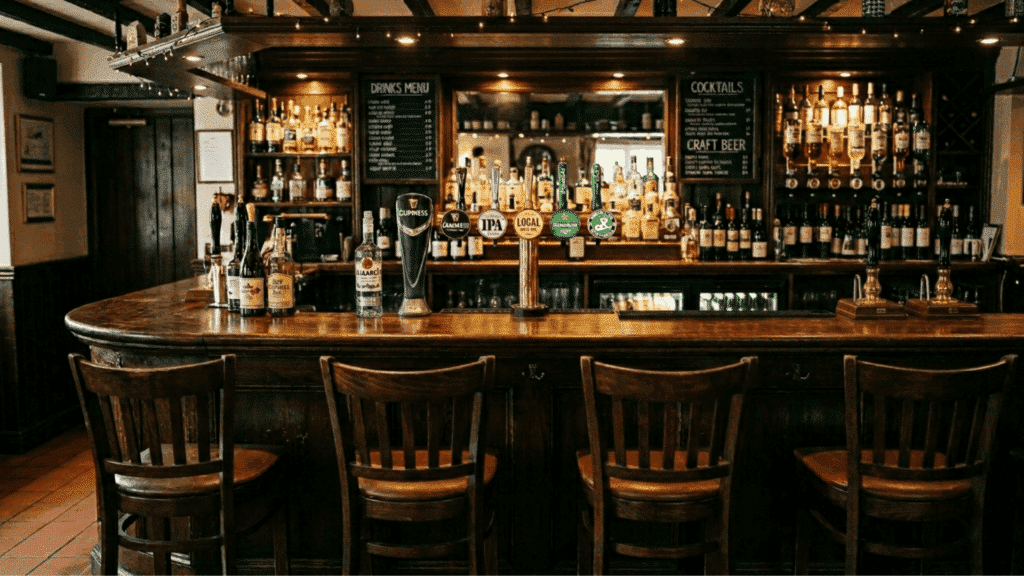
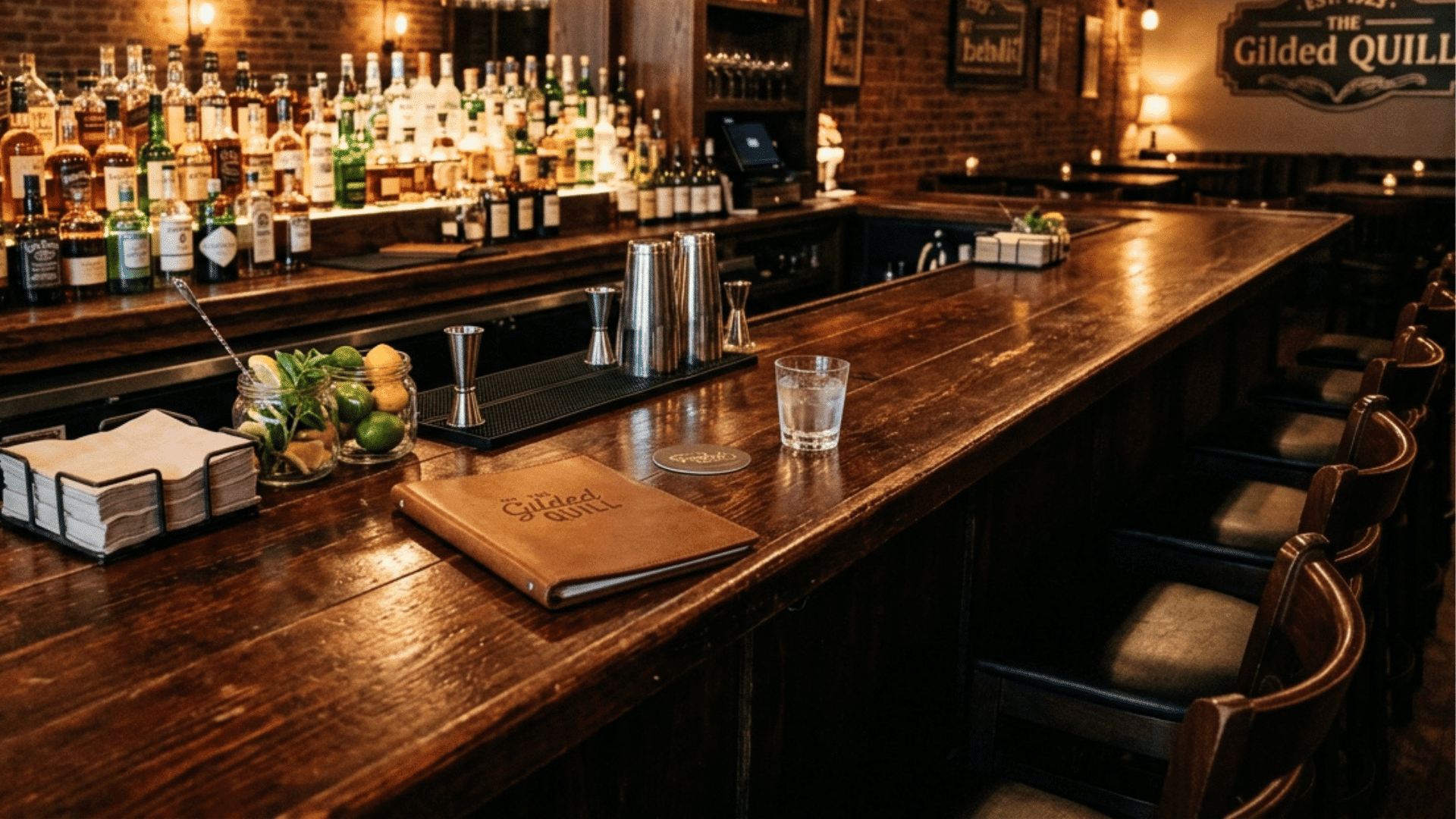
Bar height is taller than standard counter height and is commonly used to create a more relaxed and social seating setup. It is designed to give a slightly uplifted feel, similar to what you would find in cafes or bars.
This height works well for casual interactions, quick meals, or enjoying drinks with guests.
Because of its taller structure, it often stands out more in a space and can help separate areas in open layouts while adding a distinct seating zone.
Typical Bar Height Measurements
- Standard height: 40–42 inches
- Seat height for stools: 28–32 inches
Where Bar Height Works Best?
Bar height is ideal for spaces focused on casual seating and social interaction. It creates a slightly uplifted feel, akin to a café or bar. Here’s where it works best:
- Home Bars: Perfect for creating a dedicated space for drinks and gatherings. The taller height gives it a true bar-like feel at home.
- Entertainment Areas: Works well in spaces designed for hosting guests. It encourages quick seating, conversations, and a relaxed vibe.
- Raised Kitchen Island Sections: Often used to separate the cooking area from the seating area. It helps hide clutter while adding a layered look.
- Open Layout Dividers: Act as a natural divider between the kitchen and living space, without the need for walls.
- Game Rooms or Lounge Spaces: Adds a casual seating option for snacks, drinks, or hanging out with friends.
- Outdoor Bars or Patio Areas: Great for outdoor setups like patios or balconies, where a higher seating arrangement creates a relaxed, social vibe.
Bar Height Vs Counter Height: Key Differences
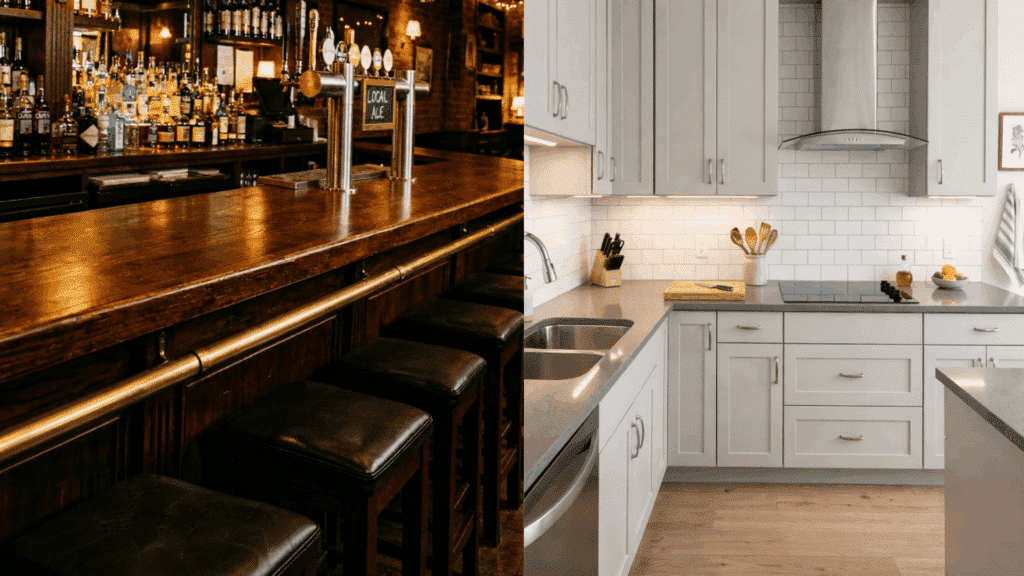
Understanding the key differences between bar height and counter height helps you choose the right option for comfort, functionality, and your kitchen’s overall layout.
| Feature | Counter Height | Bar Height |
|---|---|---|
| Standard Height | Typically ranges between 34–36 inches, making it ideal for everyday kitchen use | Usually ranges between 40–42 inches, giving a taller and more uplifted feel |
| Height Difference | Serves as the base standard height in most homes | Around 6 inches taller, creating a clear visual and functional distinction |
| Stool Height | Requires stools with a seat height of 24–27 inches for proper comfort | Needs taller stools with a seat height of 28–32 inches |
| Comfort Level | More comfortable for longer sitting, meals, and daily activities | Better suited for short-term seating, like quick bites or drinks |
| Best For Daily Use | Ideal for eating meals, working on a laptop, and family-friendly use | Works well for casual use like snacks, drinks, and quick conversations |
| Social Use | Not mainly designed for social gatherings, but still functional | Perfect for entertaining guests and creating a relaxed, social setup |
| Design Look | Blends smoothly with the rest of the kitchen for a clean, uniform appearance | Stands out more and adds depth by creating layered visual interest |
| Space Function | Fits naturally into kitchen workflow and daily routines | Can act as a divider in open layouts, separating kitchen and living spaces |
How to Choose the Right Height for Your Space?
Choosing between bar top height vs counter height depends on how the space is used and the size of your kitchen.
For daily tasks like cooking, eating, or working, counter height is the better choice because it feels more comfortable and practical.
Bar height works well for casual seating, drinks, and entertaining guests.
Space also plays a big role. In smaller kitchens, counter height helps keep the area open and easy to move around, while bar height suits larger spaces by adding structure and separation.
It’s also important to match the right stool height. Always leave about 10–12 inches between the seat and the surface to ensure comfortable and usable seating.
Can You Mix Bar Height and Counter Height?
Mixing bar height and counter height is a popular design choice that adds function, separates spaces, and creates a more dynamic kitchen layout.
| Aspect | Details |
|---|---|
| Can You Mix Them? | Yes, mixing bar height and counter height is a popular design choice |
| Layout Idea | A raised bar behind a kitchen island to separate seating and prep areas A split-level island with two different heights for function and style |
| Main Advantage | Helps separate cooking space from seating or dining areas Adds depth and visual variation to the kitchen layout Keeps clutter hidden from the main seating or guest view |
| Main Drawback | Requires more space compared to a single-height layout Can feel bulky or crowded in smaller kitchens |
Common Mistakes to Avoid
Small mistakes can affect comfort more than expected, especially when planning kitchen seating.
- Choosing The Wrong Stool Height: Using stools that are too tall or too short can make sitting uncomfortable and awkward over time.
- Not Measuring The Space Properly: Skipping measurements can lead to a poor fit, making the area feel cramped or difficult to use.
- Picking Bar Height For Small Kitchens: Bar height can make smaller spaces feel tighter and less open compared to counter height.
- Ignoring How The Area Will Be Used: Failing to consider daily use can lead to choosing a height that doesn’t match your lifestyle or needs.
Final Thoughts
Bar top height and counter height may look similar, but they serve different purposes in a kitchen. Counter height is the better choice for everyday comfort, making it ideal for cooking, dining, and regular use.
Bar height, on the other hand, works best for casual seating, quick meals, and entertaining guests. The right option depends on how the space is used and how much room is available.
Smaller kitchens often benefit from counter height, while larger spaces can handle bar height more easily.
Taking time to measure, plan the layout, and choose the right seating ensures a setup that feels comfortable, functional, and easy to use every day.

With a Master’s in Architecture from the University of California, Berkeley, Mitchell Green has spent over two decades dedicated to the study and practical application of home fixture design. His career started in an architectural firm, providing him a strong foundation in the structural and aesthetic aspects of home interiors. Mitchell brought his comprehensive knowledge to our platform, where he has been an influential voice in our home fixtures and fittings section. Since 2018, he has been guiding our readers through the intricacies of selecting and installing fixtures, combining technical know-how with design flair. In his spare time, Mitchell is a keen photographer, capturing architectural details and design elements, an interest that complements his professional focus.