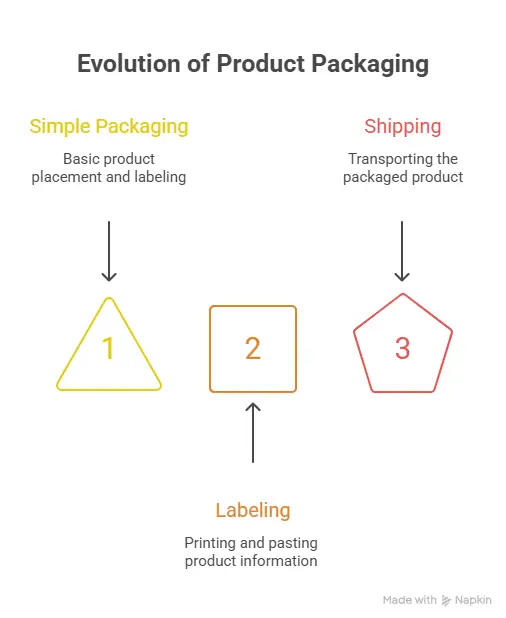

If we were to look a few years back, we’d notice that product packaging was completely different from what it is now. It used to be pretty straightforward: put the product in, print and paste the label, ship it out.
That approach still works at a basic level, but it no longer feels enough. Consumers have changed a lot over time and so have their behaviours. They now pay close attention to how packaging looks, how it opens, and how it fits the product inside.
This shift has made customization a practical and needed part of packaging. Brands are using it to strategically shape their first impressions, improve usability, and make their products easier to recognize.
It Starts With the Fit
The most useful form of customization is not visual. It is structural.
A product that fits well inside its packaging feels premium and well thought out. The benefit of custom box packaging that is made with precise measurement is that no items inside it are jostled or move around during transit. The box also opens up without any friction or blockades.
Using precise measurements also reduces waste, improves protection, and makes the experience smoother for the customer. It may seem like a small detail, but it changes how the product is handled and seen.
Different Materials, Different Purposes
Product boxes now come in multiple materials you can pick from. The material you choose should depend on the function of the packaging.
Some items are heavy and need packaging that is strong, others could need something that has a bit more give to it. All of this can be achieved by picking the right packaging material and box type.
You can pick from:
Rigid Boxes are most commonly used when the product requires well structured packaging. They hold their shape, protect fragile items, and create a more solid feel.
Cardboard Boxes are lighter than rigid boxes and are seen as the most practical option for everyday shipping. They are easy to produce and work well for a wide range of products.
Kraft Boxes give a more natural look to the product. If you want a simple, clean appearance that looks elegant and doesn’t have any heavy finishes then this is the pick for you.
Customization Helps With Recognition
When customers receive multiple packages over time that have the same design elements and packaging quality, they start recognizing patterns. A certain color, a specific layout, or even the way a box opens can become familiar and a signature for the brand.
By designing custom packaging boxes, brands can easily control these details. Instead of relying on generic packaging, they create something that feels consistent across different products. This boosts customer trust and brand recognition.
Different Design Approach
Custom packaging offers ample branding opportunities. With custom packaging you could choose from minimal to the flashiest designs. You can easily align your packaging to your brand image. Some brands take a quieter approach to packaging with single color designs while others use dynamic styles like holographic boxes to stand out more clearly.
Working With the Right Production Setup
All of these decisions rely on how the packaging is actually produced. Customization at a small scale is relatively simple, but maintaining consistency across larger volumes requires coordination.
This is why brands often work with custom box manufacturers to make packaging that matches their product and operational demands. This includes choosing materials, adjusting sizes, testing durability, and refining the design.
When you work with reliable and experienced manufacturers you can rest assured that your packaging will look high quality and be fully functional.
It Helps Manage Cost and Waste
One of the most overlooked benefits of custom modern packaging is how it improves efficiency. Custom boxes are made around the product which reduces waste of space and use of unnecessary material.
They are also made to exact measurements so each box is the same. So these boxes become much easier to stack, ship, and store which improves logistics and cost management.
It Adapts Across Product Lines
Brands rarely stay limited to selling a singular product. Most of these companies have multiple product lines which vary in size and function.
Customization lets packaging to adapt to these size and style variations without losing design consistency. This means that different products can have different box sizes or materials while still sharing the same visual language and aesthetics.
It also helps customers recognize the brand across different products, even when the packaging is not identical. The packaging becomes flexible while maintaining a clear brand presence.
Conclusion
Customization in packaging bands multiple parts of the product experience together. It is made to fit the products down to a T. and when packaging fits the product, the brand, and the experience it is meant to create, it makes everything feel more premium and intentional. That is what makes customization in modern packaging so important.

Journalist Chloe Rivera studied at the University of Missouri and has covered mindful, stylish living since 2013. She joined us in 2025 to curate realistic routines, budget-friendly décor, and community stories that help readers craft balance without perfection pressure. When offline, Chloe volunteers at urban farms, photographs street style, and hosts weekend swap parties for preloved clothes and books in her neighborhood.