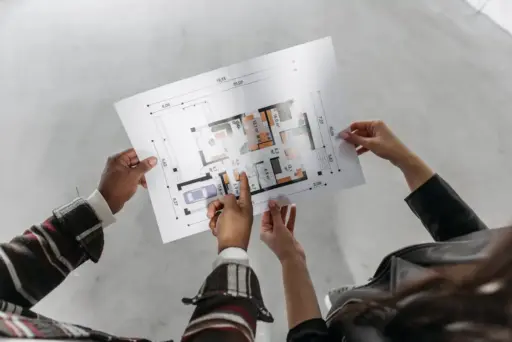
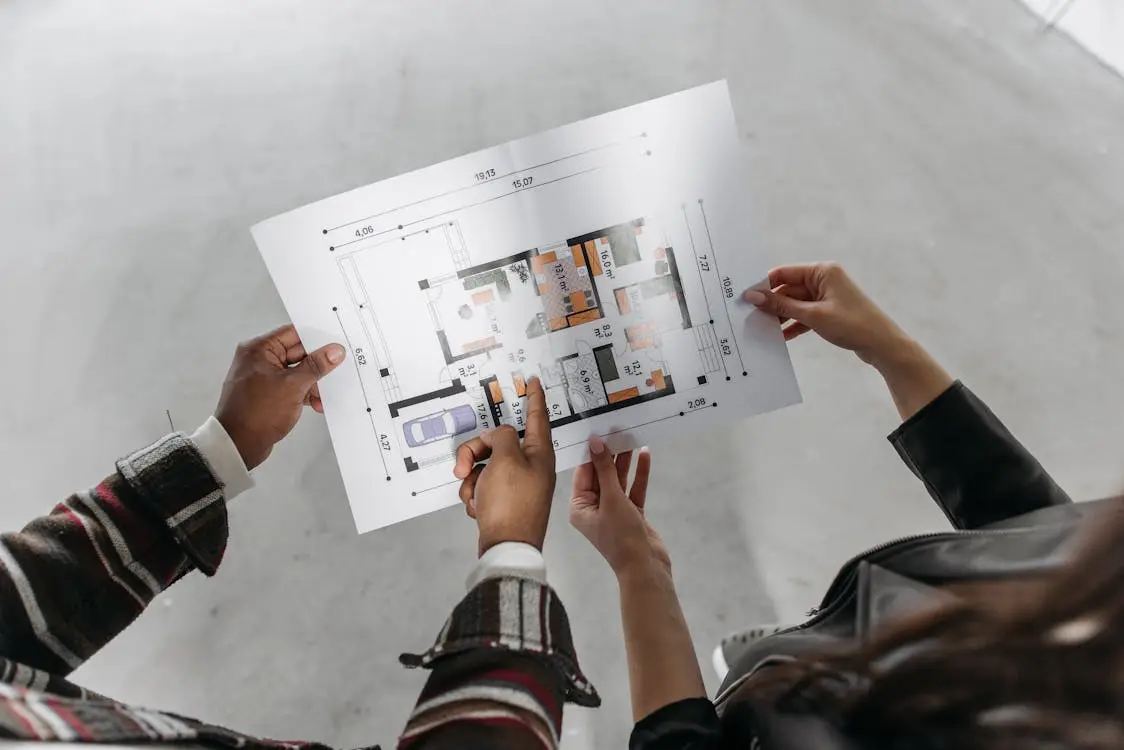

Building or renovating a home is one of the biggest investments most people make, both financially and emotionally. The decisions made during the design stage shape how the home feels and functions for years to come. Still, many homeowners rush this phase, only to realize later that the layout does not suit their lifestyle or the space does not flow as expected.
The difference often comes down to the designer. A good building designer does more than draw plans. They ask the right questions, suggest ideas you might not have considered, and ensure everything works in practice. Their input helps turn a concept into a home that is comfortable, functional, and built to last.
Site Response Shapes Every Successful Design
A competent building designer begins with the site, not the floor plan, because real-world conditions directly affect how a home performs over time. Before placing a single room, a designer considers the block’s orientation, sun path, prevailing winds, views, slope, existing vegetation, and proximity to nearby properties.
Ignoring these elements can make a home appear good on a floor plan, but in reality, it may be excessively hot in summer, too dark in winter, or poorly connected to outdoor areas that could expand usable living space.
Designers with strong local experience apply practical knowledge of climate conditions, zoning requirements, and site constraints to ensure the design is both compliant and functional. Regional knowledge is crucial to site-responsive design, as local builders and designers understand climate, council requirements, and soil conditions better than generic approaches.
For anyone planning a home in Newcastle, the Central Coast, or Sydney, you can visit the Sorensen Design website to see how experienced local designers approach these challenges.
Experience Reads Between the Lines of a Brief
Every homeowner comes in with ideas. Some are clear, like how many bedrooms they want or how the kitchen should look. Others relate more to a feeling, such as wanting the home to be open, warm, or connected.
An experienced designer knows how to read both. They translate both what you can explain and what you cannot into a design that fits how you want to live.
This interpretive skill is developed through hands-on experience across different project types, client needs, and site conditions. Designers who have worked on many homes start to recognize patterns and identify potential issues early. They understand what works for different lifestyles, whether it is a growing family, downsizers, or challenging block shapes. That insight helps avoid costly mistakes and results in a home that feels right from the start.
Energy Efficiency Is No Longer Optional
Modern building standards place a strong emphasis on energy performance, and meeting these expectations is a core responsibility of the design process. Homes that fall short can lead to higher energy bills, reduced comfort, and delays during approval.
Designers who stay up to date with thermal performance, passive solar principles, and sustainable materials can create homes that meet these standards without relying heavily on heating and cooling systems.
The benefits go well beyond the build. Homes designed to work with the climate are cheaper to run, more comfortable year round, and often hold their value better over time. Buyers are paying closer attention to ongoing costs, not just the purchase price.
Focusing on energy efficiency is no longer an added extra. It is part of building a home that performs well, feels comfortable to live in, and remains practical and valuable for years to come.
Challenging Blocks Reward Specialist Expertise
Not every block is easy to work with. Sloping land, narrow lots, unusual shapes, or sites with trees and heritage restrictions all require careful design thinking. Standard floor plans rarely suit these conditions, and forcing them often leads to awkward layouts, higher costs, and disappointing results.
Experienced building designers approach constraints as design opportunities, using site challenges to inform more creative and responsive solutions. A steep block can become a striking multi level home with great views. A tight inner city site can feel open and bright with smart planning.
It comes down to experience. Designers who have handled similar challenges know what works and what does not. Their ability to adapt the design to the land helps create a home that feels intentional, functional, and well suited to its surroundings, rather than something that was forced to fit.
The Collaboration Process Predicts the Outcome
Design is a collaborative process, and the relationship between the homeowner and designer plays a significant role in the outcome. A good designer listens closely, takes feedback seriously, and explains their ideas in a way that is clear and practical.
Effective collaboration also includes setting realistic expectations, explaining design decisions, and ensuring the client understands how each choice impacts the final outcome. This kind of communication builds trust and leads to better decisions along the way. On the other hand, when a designer pushes their own style without fully considering the client’s needs, the result can feel disconnected from how the home is actually lived in.
You can usually get a sense of this early on. Do they ask thoughtful questions about your lifestyle? Do they clearly explain how they work? Are they genuinely interested in your site? These initial conversations often indicate what it will be like to work together and how the design will develop over time.
Design First, Build Better
A well designed home does not happen by chance. It comes from the right guidance early on. Take the time to choose a designer who listens, understands your lifestyle, and works with your site. Get this right, and everything that follows becomes easier, smoother, and far more rewarding.

Holding a Master’s in Architecture from the University of Texas at Austin, Emily Rodriguez has dedicated more than two decades to the art and science of building renovation. Starting her journey in historic preservation, she developed a profound respect for blending old with new in building design. Emily became a vital part of our team in 2019, renowned for her insightful and innovative renovation tips. She has been leading our DIY home improvement series since ever since, where she shares her wealth of knowledge in turning outdated spaces into modern havens. When not engaged in writing or consulting, Emily is a passionate advocate for heritage conservation and enjoys exploring vintage architecture, a hobby that complements her professional expertise.