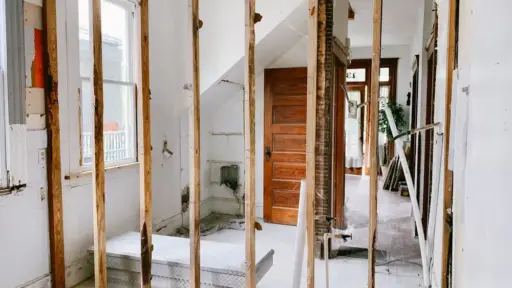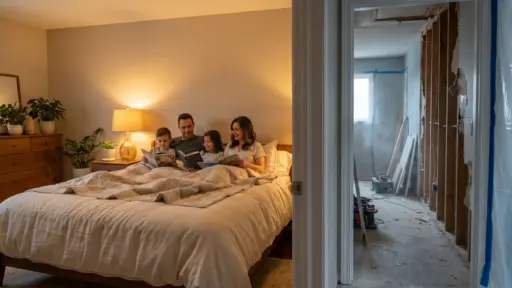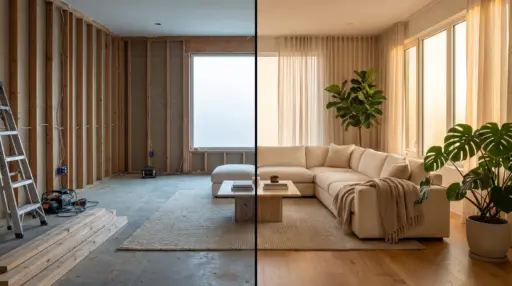
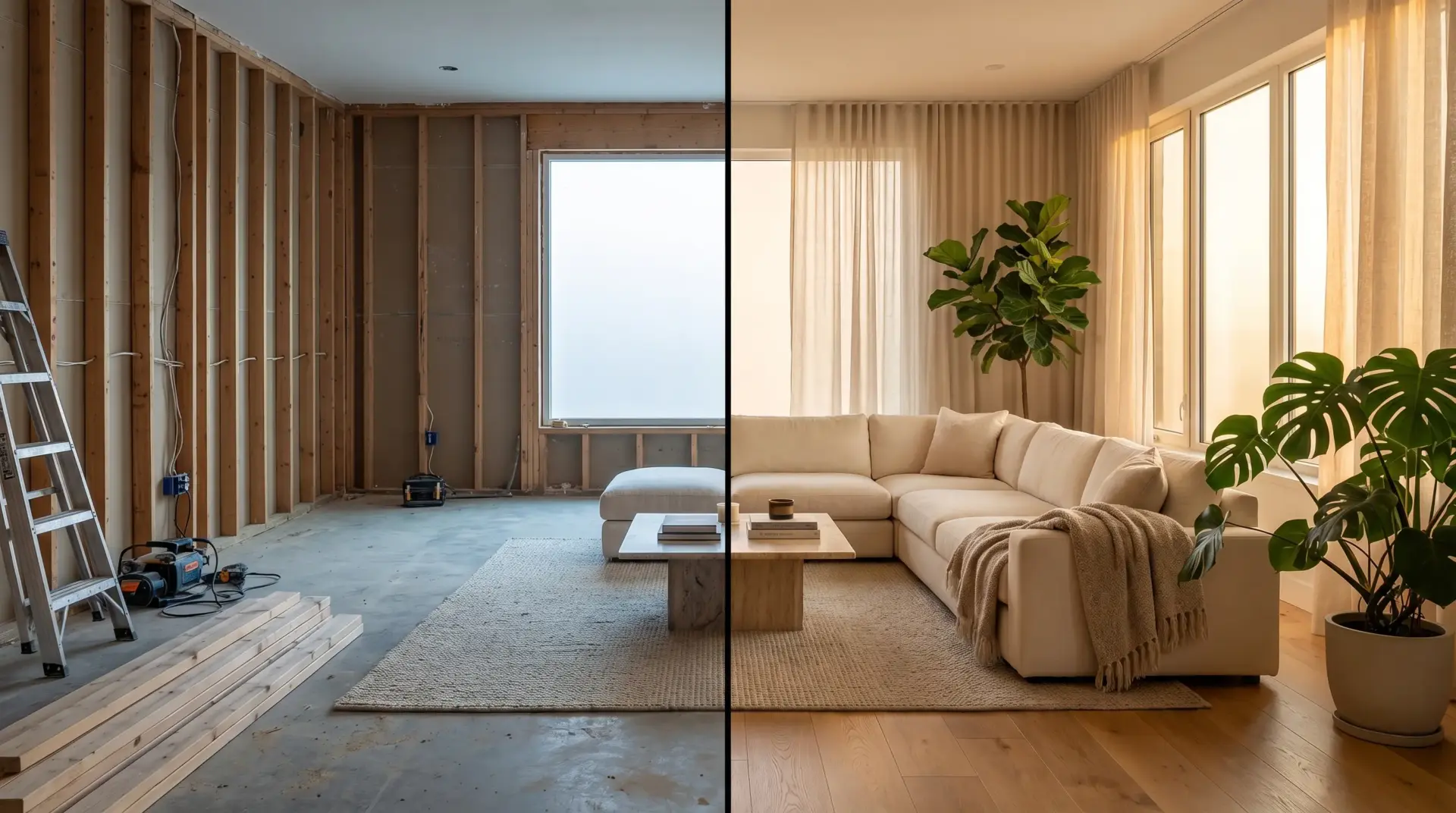

Renovating a home is exciting. It’s also one of the most financially and emotionally demanding decisions you’ll make as a homeowner. I’ve seen people get halfway through a project and realize the space doesn’t feel the way they expected. That’s usually where things start getting expensive.
The selection of floor plans, materials, colors, and furniture affects a home for a very long time, yet the biggest challenge of all is to have a clear picture of how the space will look after everything has been put in place.
Sketches, Pinterest boards, and imagination help. But only up to a point. What looks perfect on a screen can feel completely off in real life.
That’s why home planning has shifted. Homeowners are gradually turning to visualization solutions rather than relying on guesswork, especially since visualization is done prior to construction.
This article breaks down how to plan your renovation with greater clarity, avoid costly missteps, and make decisions you won’t later regret.
Why Visualization Matters in Home Renovation
Most renovation problems don’t start during construction. They come much earlier, in the planning phase.
A design may appear good on paper but be too small when you’re actually using it. Colors shift depending on lighting. Furniture that “should fit” ends up blocking movement.
Visualization can help you spot these problems early. Not flawlessly, but certainly much more effectively than by simply imagining them.
With a clear visual reference, you can:
- Understand proportions and how the space flows
- See how lighting affects materials
- Align your ideas with what’s actually practical
And that changes how you make decisions. You’re no longer guessing. You’re evaluating something that feels real.
The Limits of Traditional Planning Methods
Most homeowners start with:
- Hand-drawn sketches
- Floor plans
- Inspiration images
That’s a reasonable starting point. But there are gaps.
1. Lack of Depth and Perspective
Flat drawings don’t tell you how a space feels. Ceiling height, spacing, and furniture scale are hard to judge.
2. Misleading Inspiration
Online images are often shot under perfect lighting and ideal conditions. Your home won’t look like that by default.
3. No Real Material Context
You can’t fully predict how tiles, wood, and paint will look together in your actual environment.
So what happens? Decisions get made on assumptions. And assumptions are where most renovation regrets come from.
What Is 3D Home Visualization?
3D home visualization turns your ideas into realistic digital previews of your future space.
Instead of imagining your kitchen or living room, you can actually see it. Different angles. Realistic lighting. Accurate proportions.
In many cases, the visuals show:
- How do natural and artificial light behave
- How furniture fits and scales
- How materials interact
- The overall feel of the space
It’s not just for architects anymore. More homeowners are using it simply to avoid making mistakes.
How Homeowners Are Using Visualization Today
This isn’t limited to large projects anymore. Even small renovations benefit from it.
Planning layout changes
Thinking about removing a wall? You can test that visually before committing.
Experimenting with interiors
Minimalist, traditional, modern. You can try different directions without locking yourself into one.
Choosing materials
Seeing finishes side by side simplifies decisions, especially when judging how paints like Sherwin-Williams Peppercorn or Alabaster will look with your new flooring in natural light.
Furniture placement
You quickly spot if something feels crowded or awkward.
Common Renovation Mistakes You Can Catch Early
Some mistakes are obvious only after it’s too late. Visualization helps surface them earlier.
Layout issues
Something that looks fine on paper might not work in practice.
Lighting problems
Rooms can feel too dim or too harsh depending on placement.
Material clashes
Individually good choices don’t always work together.
Space usage problems
Rooms can feel cramped or oddly empty.
Seeing these beforehand doesn’t guarantee perfection. But it reduces the risk significantly.
How the Process Typically Works
Understanding how visualization fits into your renovation journey makes it easier to adopt.
If you’re new to this, the process is fairly straightforward.
Step 1: Share your ideas
This could be floor plans, reference images, or even rough sketches.
Step 2: Define preferences
Style, colors, materials, and how you plan to use the space.
Step 3: Create visuals
Your inputs are converted into realistic 3D views.
Step 4: Refine
You tweak things. Try alternatives. Adjust details.
This back-and-forth is where most clarity comes from.
DIY Tools vs Professional Visualization: What Should You Choose?
As you proceed with the visualization, you will realize there are two choices: DIY or professional services. This decision rests on how complex your task is and how high your standards are.
DIY Tools (Best for Exploration)
Tools like Planner 5D, RoomSketcher, and HomeByMe are useful early on.
They work well for:
- Testing layouts
- Exploring ideas
- Creating rough plans
But there’s a limit. Realism, lighting accuracy, and detailing can only go so far.
Professional Visualization Services (Best for Final Decisions)
As you approach execution, professional rendering becomes more valuable.
You get:
- Accurate scaling
- Realistic lighting
- Better material representation
- Consistent iterations
Many homeowners and designers use professional 3D rendering services to convert their ideas into realistic visual previews before execution. This makes it easier to validate design choices and move forward with confidence.
This can be achieved by starting with simple do-it-yourself applications to generate design ideas before moving on to advanced professional rendering options.
When Should You Use Visualization?
Earlier than most people think.
Ideally, before any work begins. That’s when changes are easiest and cheapest.
But even mid-renovation, it can help you rethink decisions before locking them in.
Common use cases:
- Full home renovations
- Kitchen or bathroom remodels
- Interior redesigns
- New home planning
If you’re making decisions that are hard to reverse, consider visualization.
Balancing Creativity and Practicality
This is where things get tricky.
A design can look great and still not work for daily life. I’ve seen layouts that photograph beautifully but are frustrating to live in.
Visualization helps test that balance.
For example:
- A stylish layout might restrict movement
- A trendy material might be hard to maintain
- A bold design might not age well
Seeing it all together forces you to think beyond aesthetics.
Making Confident Design Decisions
Once you can actually see your space, decisions become clearer.
You’re no longer relying on assumptions. You’re reacting to something concrete.
It also improves communication. Designers, contractors, and homeowners are all looking at the same thing. That reduces revisions and misunderstandings.
And more importantly, it reduces second-guessing.
Final Thoughts
Renovation will always involve some uncertainty. That doesn’t go away completely.
But you can reduce it.
Visualization provides an opportunity for you to explore and refine your ideas before making any decisions. In this process, you can avoid errors, ensure alignment, and feel confident about your decision-making.
In the case of home renovations, the first question you need to ask yourself is:
Am I clear about what the end result will be like?
If not, that may be the place you need to begin.

Holding a Master’s in Architecture from the University of Texas at Austin, Emily Rodriguez has dedicated more than two decades to the art and science of building renovation. Starting her journey in historic preservation, she developed a profound respect for blending old with new in building design. Emily became a vital part of our team in 2019, renowned for her insightful and innovative renovation tips. She has been leading our DIY home improvement series since ever since, where she shares her wealth of knowledge in turning outdated spaces into modern havens. When not engaged in writing or consulting, Emily is a passionate advocate for heritage conservation and enjoys exploring vintage architecture, a hobby that complements her professional expertise.