
Freshly finished outdoor projects often look a little unfinished at first, especially when pressure-treated wood adds its distinctive greenish tint to the mix.
It’s natural to start wondering, “can you paint treated wood?”, especially if you’re aiming for a polished, long-lasting look that ties everything together.
Before you jump in, though, there are a few important factors that can make or break the final result.
If you’re planning to upgrade the look of your treated wood, it’s worth understanding the right approach from the start.
What is Pressure-Treated Wood?
Pressure-treated wood is lumber that has been chemically processed under high pressure to resist rot, decay, moisture, and insect damage.
It is the go-to material for outdoor builds, decks, fences, retaining walls, raised garden beds, and pergolas, all of which rely on it for long-lasting performance.
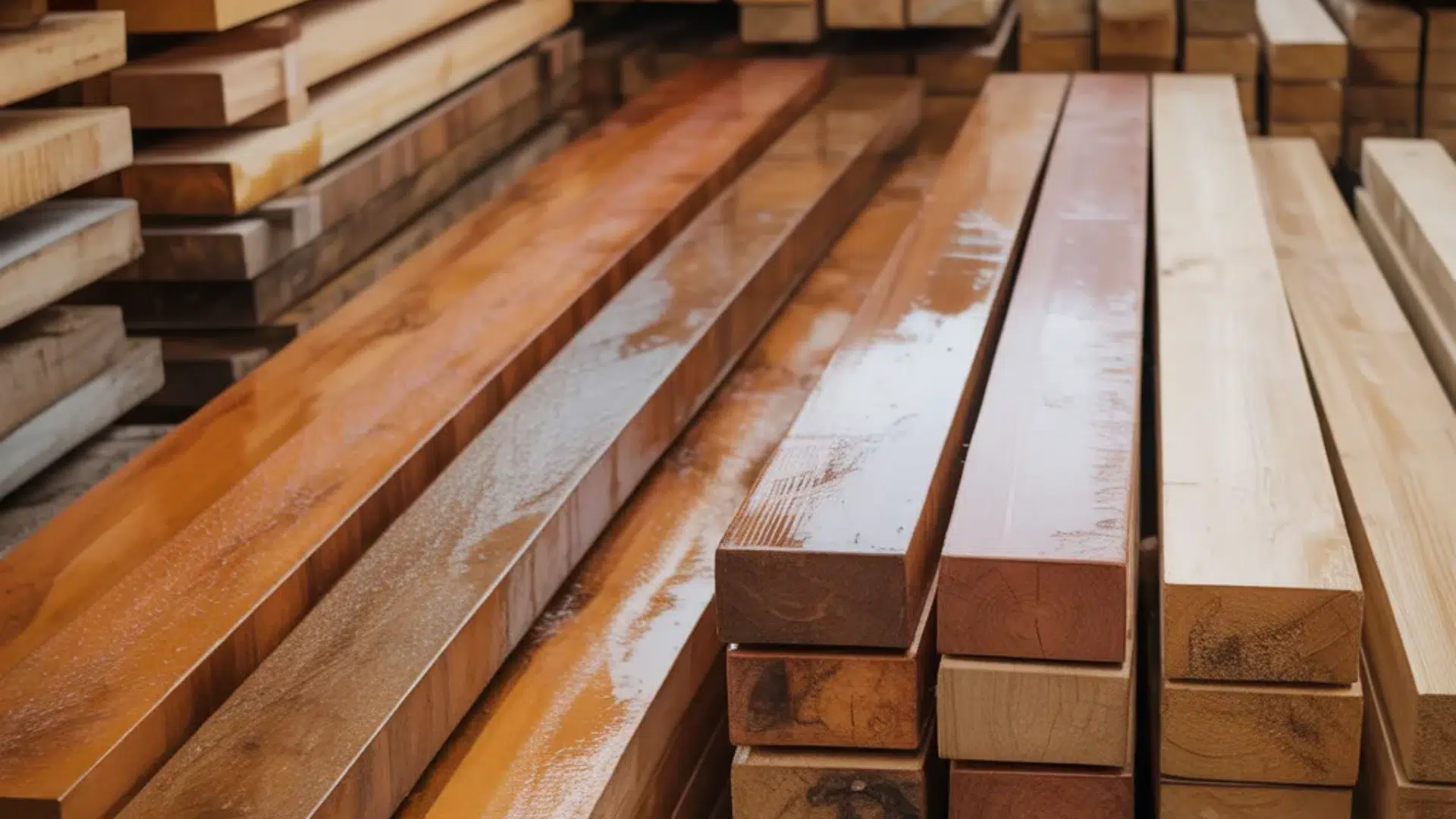
During treatment, the wood gets completely saturated with liquid chemical preservatives. That is what causes the greenish-brown tint and the noticeably heavy feel at the lumberyard.
The lumber is soaking wet when it arrives, and those preservatives are still working their way out through the wood surface for weeks, sometimes months.
Can You Paint Treated Wood?
Yes, you can, but it’s not as simple as painting regular wood.
Pressure-treated lumber is saturated with chemicals and moisture, which can make it resistant to paint for a while after installation.
If you paint it too soon, the finish won’t bond properly and can blister, peel, or fail within a short time. These same preservatives are what make the wood durable outdoors, but they also create a temporary barrier.
Once the wood has had enough time to dry out and is properly prepped, it will take paint just as well as any other exterior surface.
How Long Should You Wait Before Painting?
Getting the timing right is non-negotiable. Rush this step, and the entire paint job falls apart. Wait properly, and everything bonds cleanly for years to come.
| Lumber Type | Wait Time Before Painting |
|---|---|
| Fresh pressure-treated lumber | 3 to 6 months |
| KDAT (Kiln-Dried After Treatment) | Little to no wait, confirm with the supplier |
| Shop-dry lumber (pre-dried at yard) | A few weeks |
| Humid climate or shaded location | Up to 6 months or more |
Paint or Stain: Which is Better for Treated Wood?
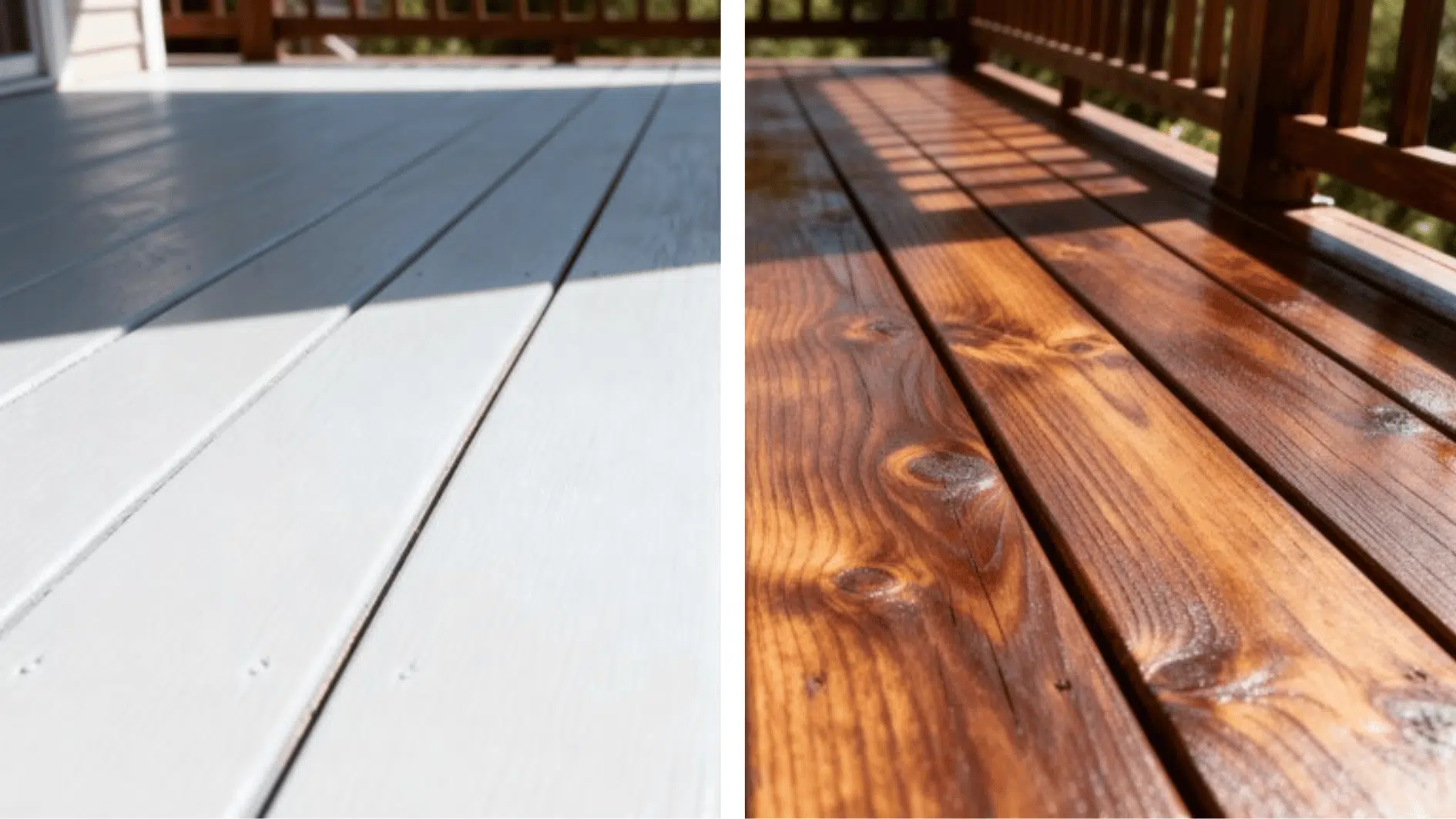
This is one of the most common decisions homeowners face, and it is worth careful thought. Both options work on pressure-treated lumber, but they perform very differently over time.
Paint forms a solid, opaque layer on top of the wood surface. It gives you the widest range of color options and a clean, finished look.
However, it sits on the wood rather than soaking in. Over time, it can chip, crack, or peel, especially on horizontal surfaces like decks that face direct sun, rain, and regular foot traffic.
Stain works by penetrating directly into the wood fibers. Because it does not sit on top, it will not peel.
It preserves the natural grain of the wood, requires less maintenance year to year, and is far easier to reapply when the color fades.
Pros and Cons of Each Option
Before committing to either, it helps to see exactly what you are signing up for, both the benefits and the drawbacks that come with each choice on treated wood.
| Feature | Paint | Stain |
|---|---|---|
| Appearance | Bold, solid color full coverage hides the wood grain | Natural wood look, grain, and texture remain visible |
| Lifespan | 3–7 years before a full recoat is needed | 2–4 years before reapplication, but far simpler to redo |
| Peeling Risk | Yes, especially on decks and high-traffic surfaces | No fades gradually without peeling or chipping |
| Maintenance Level | Higher scraping and full recoat are required when it fails | Lower the clean surface and reapply, no stripping needed |
| Best Used On | Fences, rails, trim, and vertical structures | Decks, siding, pergolas, and large outdoor surfaces |
| Biggest Pro | Widest color range, strong surface protection, crisp finish | Does not peel, lower upkeep, works with the wood, not against it |
| Biggest Con | Peels over time, especially under direct sunlight and foot traffic | Shorter lifespan per coat, less color variety than paint |
| Cost Over Time | Higher labor and materials costs at each repainting cycle | Lower, simpler reapplication means less time and money spent |
Note: Choose stain if lower long-term maintenance is more important, or if you prefer a natural wood look. For deck surfaces, many professionals recommend a solid-color stain over paint because it holds up better under heavy use and year-round weather exposure.
Common Mistakes to Avoid when Painting Treated Wood
Even with the right materials, a few common errors can ruin your results before you even get started:
- Starting too soon: the leading cause of paint failure on treated lumber. Always confirm readiness with the water drop test before touching a brush.
- Skipping the primer: Paint applied directly to bare treated wood will not bond properly and will peel within a season or two.
- Using oil-based topcoat paint: This traps moisture and cracks over time. Stick with acrylic latex for the topcoat.
- Applying one thick coat: Thick single coats do not cure properly. Always apply two thin, even coats.
- Recoating too fast: Let each coat dry for at least 24 hours before adding the next layer.
- Aggressive pressure washing: High-pressure settings damage the wood grain and push moisture back in, slowing down your drying progress.
Conclusion
Painting treated wood is completely achievable, but it requires patience and preparation. Skip the drying time, and the whole job comes apart.
Follow the right steps, and you get a finish that protects your investment and looks solid through years of weather and wear.
So, can you paint treated wood and actually have it last? Yes, if you start with the water-drop test, clean the surface thoroughly, and use a high-quality exterior bonding primer.
Your outdoor project deserves a finish that holds up through real conditions, not just the first dry season

Tommy Hardy, an alumnus of the Georgia Institute of Technology with a degree in Mechanical Engineering, has been a go-to figure in residential upkeep and innovation for over 18 years. His career commenced in a leading home appliance manufacturing company, where he mastered the intricacies of household systems. Joining our platform in 2020, Tommy quickly became a reader favorite for his practical and easy-to-follow guides. He took the helm of our DIY section in 2019, consistently delivering content that empowers homeowners. Beyond his professional pursuits, Tommy is a passionate gardener and enjoys woodworking, skills enhancing his hands-on approach to home care.