
Picking out a new door should be exciting, not stressful. But one small detail trips up many people and contractors alike: the door swing direction.
Get it wrong, and you could end up with a door that doesn’t fit, hardware that won’t work, or a layout that feels completely off. Get it right from the start, though, and the whole process becomes a lot easier.
Here, we’ll walk you through everything you need to know, from what door swing actually means to why it matters to a simple five-step process that makes identifying it a breeze.
No complicated jargon, no guesswork!
What Is Door Swing Direction?
Before we jump into the steps, let’s make sure we’re on the same page about what door swing actually refers to.
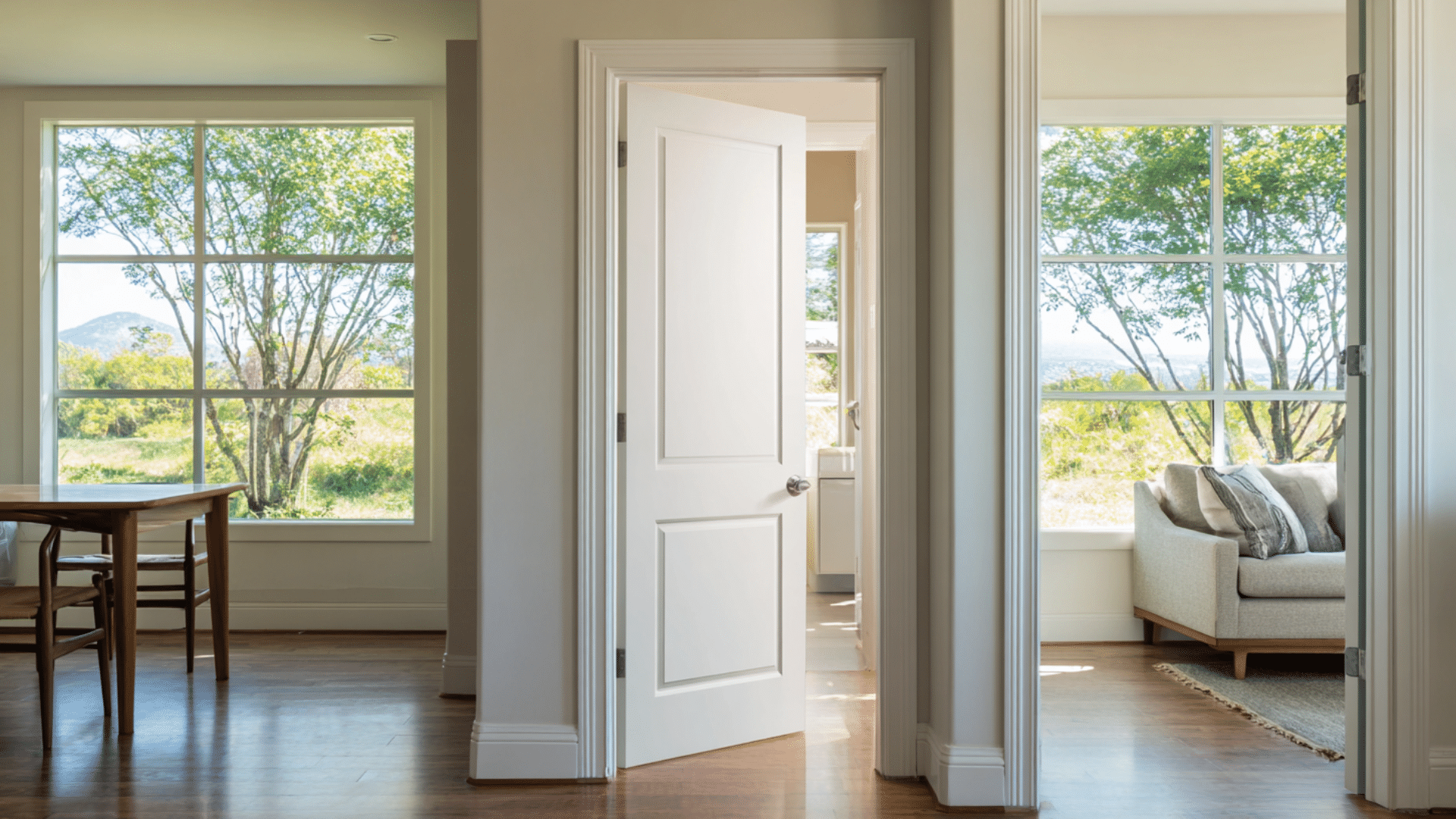
Door swing direction describes two things: which way the door opens (toward you or away from you) and which side the hinges sit on.
That’s really it. These two pieces of information tell you everything you need to order the right door, buy the right hardware, and plan your space the right way.
Doors that swing toward you are called inswing doors. Doors that swing away from you are outswing doors. The hinge placement, left or right, gives you the full picture.
Why Door Swing Direction Matters More Than You Think
You might be wondering: Does it really make that big of a difference? The short answer is yes, more than most people realize.
Here are key areas where getting the swing right can save you a lot of time and headaches.
1. Room Layout and Space Planning
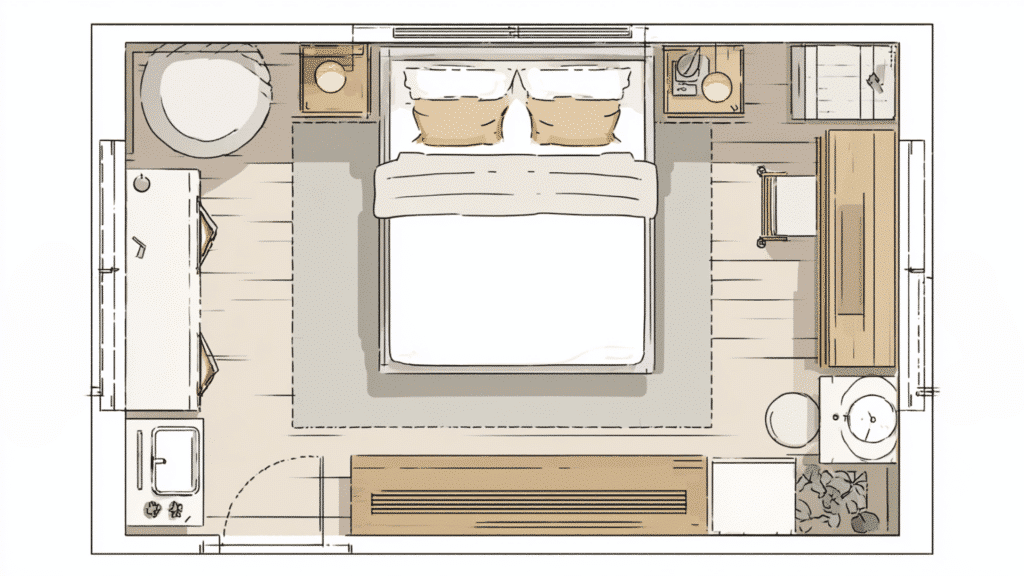
A door that swings inward takes up space inside the room. One that opens outward takes up space in the hallway or exterior area.
In tight spots like powder rooms, narrow hallways, or small bedrooms, this can seriously affect how you arrange furniture and how the room feels to move around in.
Knowing the swing direction upfront lets you plan your layout with confidence, rather than rearranging everything after the fact.
2. Hardware that Actually Fits
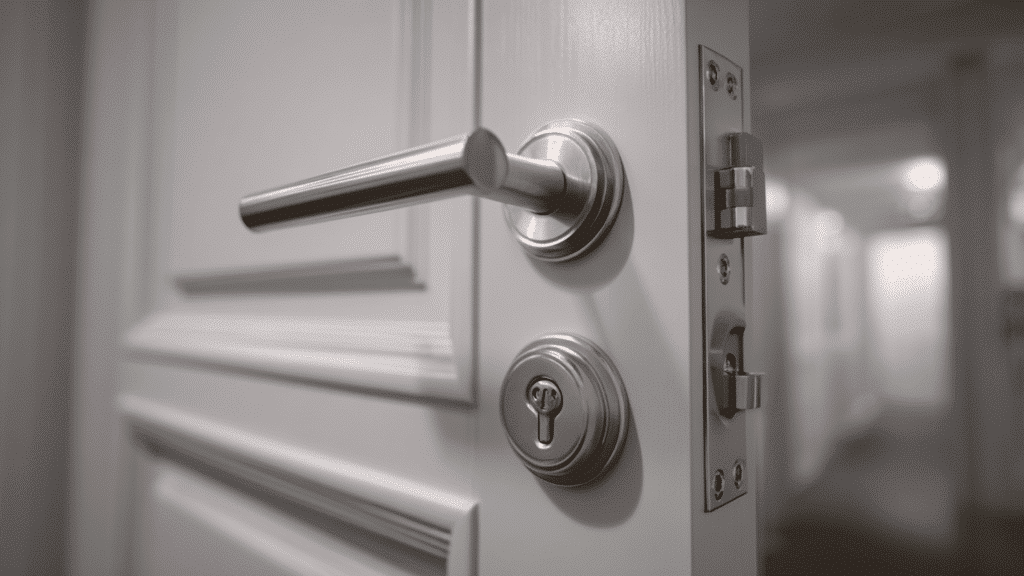
Locks, handles, hinges, and door closers are all designed for specific swing directions. Order the wrong swing and your hardware won’t line up correctly, or worse, won’t work at all.
Taking a few minutes to confirm the swing direction before you shop for hardware can save you from costly returns and delays.
3. Building Codes and Safety Compliance
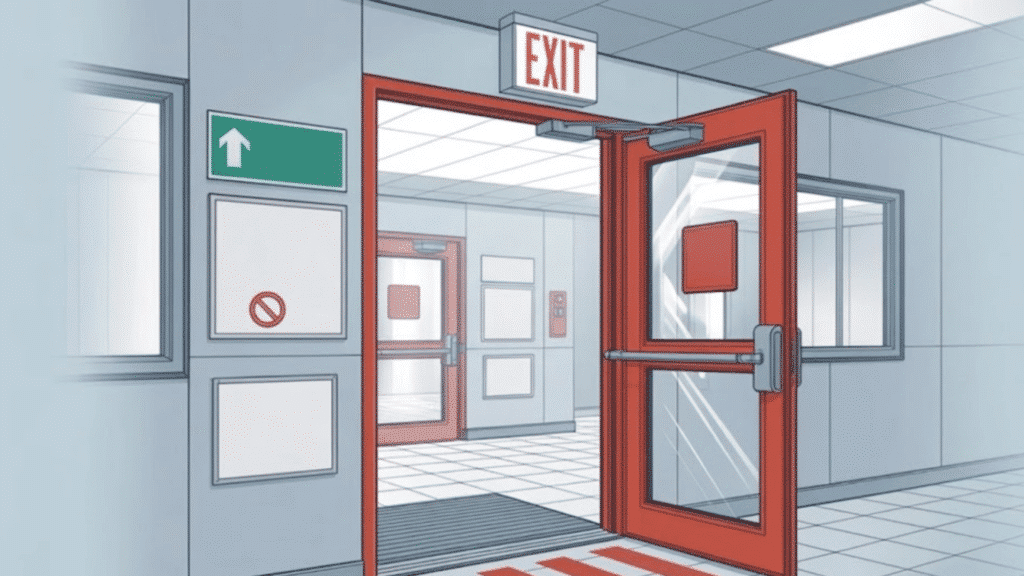
This one catches a lot of people off guard. Building codes, especially for exterior doors in commercial spaces or public buildings, often specify which way a door must swing.
Exit doors in high-traffic areas are frequently required to open outward so people can evacuate quickly in an emergency.
Even in residential settings, knowing the local code requirements before you start can prevent compliance issues down the line.
4. Looks and Flow of The Space
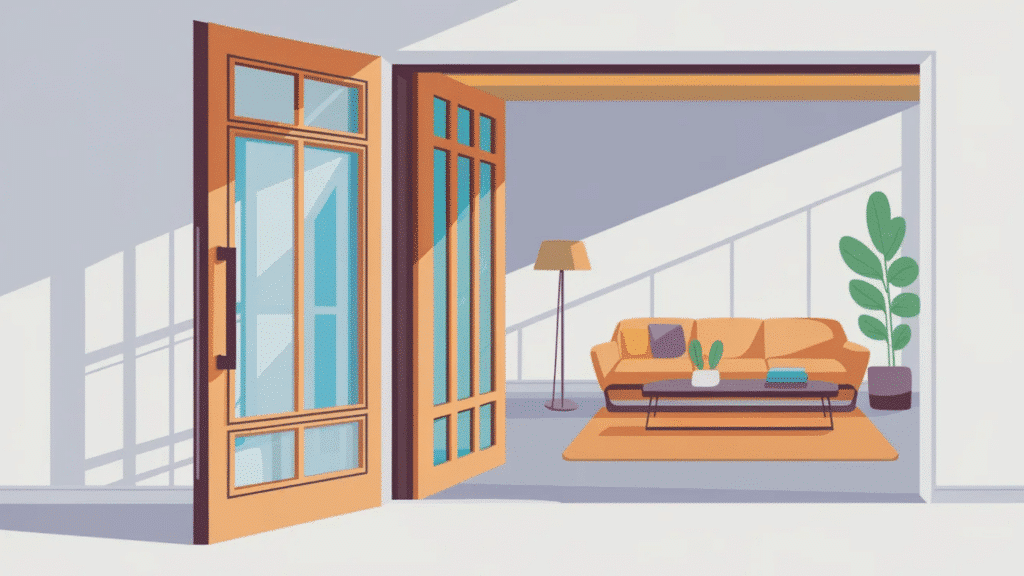
Beyond the practical Side, the door swing direction also affects how a space looks and feels. A grand front entry door that opens outward can give your home a welcoming, open feel.
An interior door that swings inward in a cozy den can make the space feel more private and intentional.
The swing direction affects the visual balance of a room, and paying attention to it can make the difference between a space that looks put-together and one that feels a little off.
Door Swing Terminology You’ll Hear Most Often
Getting familiar with the whole process is much smoother. Here’s a quick breakdown of the most common ones:
- Inswing: the door opens toward the interior of the space. From the exterior side, it swings toward you.
- Outswing: the door opens toward the exterior or away from the interior space. From the exterior side, it swings away from you.
- Left-hand (LH): hinges are on the left side when viewed from the exterior.
- Right-hand (RH): hinges are on the right side when viewed from the exterior.
- Right-hand inswing (RHIS): hinges on the right, door opens inward toward you.
- Left-hand inswing (LHIS): hinges on the left, door opens inward toward you.
- Right-hand outswing (RHOS): hinges on the right, door opens outward away from you.
- Left-hand outswing (LHOS): hinges on the left, door opens outward away from you.
Keep in mind that while naming conventions can vary slightly between manufacturers, these definitions are widely accepted and understood by most suppliers and contractors.
How to Identify a Right-Handed or Left-Handed Swing Door?
Identifying whether a door swings to the right or left is easy once you know the key steps. Here’s a quick guide to help you figure it out in just 3 simple steps.
1. Stand in Front of The Door
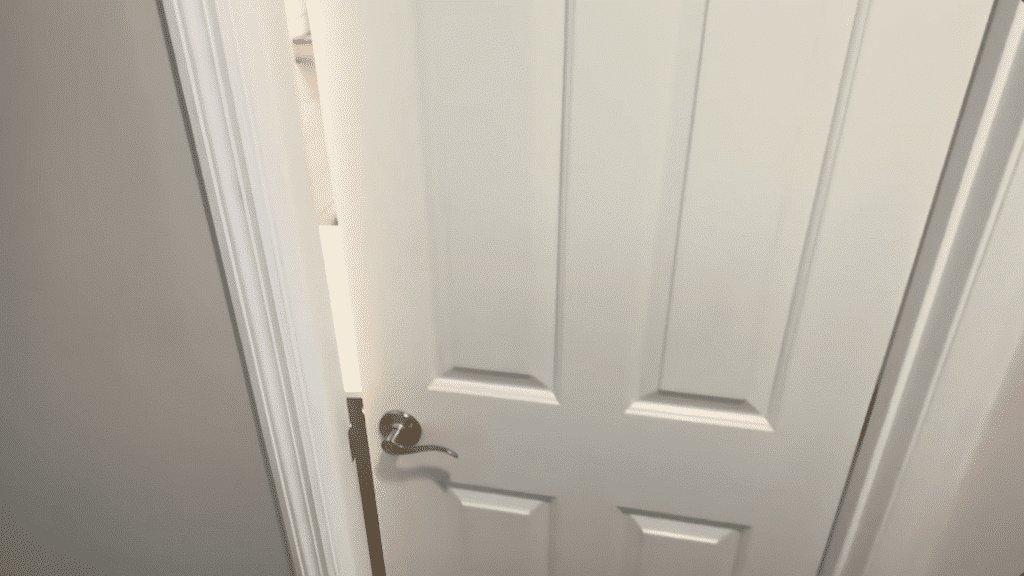
Begin by standing directly in front of the door. This position ensures you have the correct perspective to determine the swing direction when you open the door.
Make sure you’re looking at the door from the inside, where you typically push it open.
2. Push the Door Open
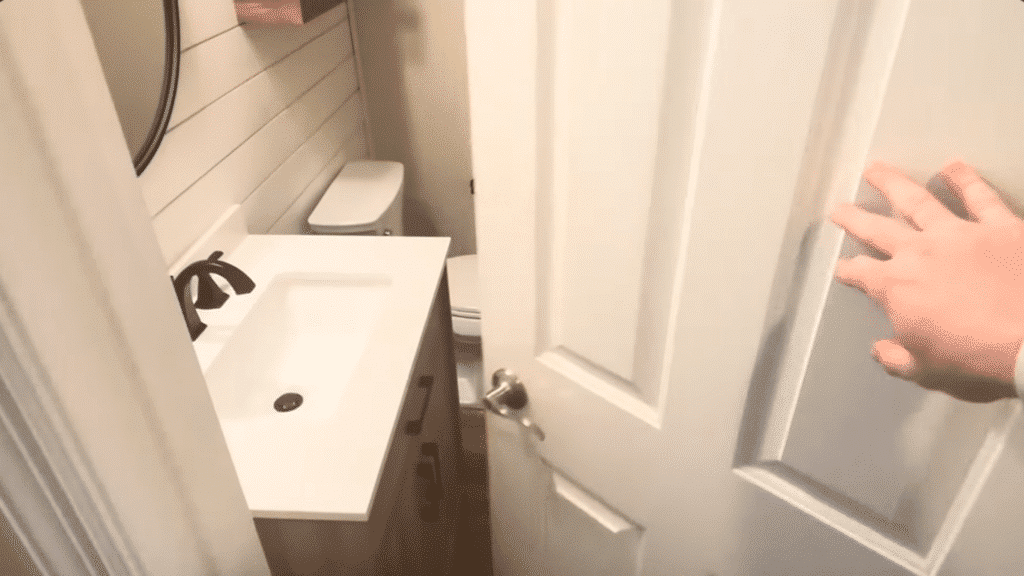
Gently push the door open as if you were entering the room. This simple action helps you clearly understand the direction in which the door swings.
Paying attention to this detail makes it easier to accurately determine the door’s handing.
3. Identify the Swing Direction
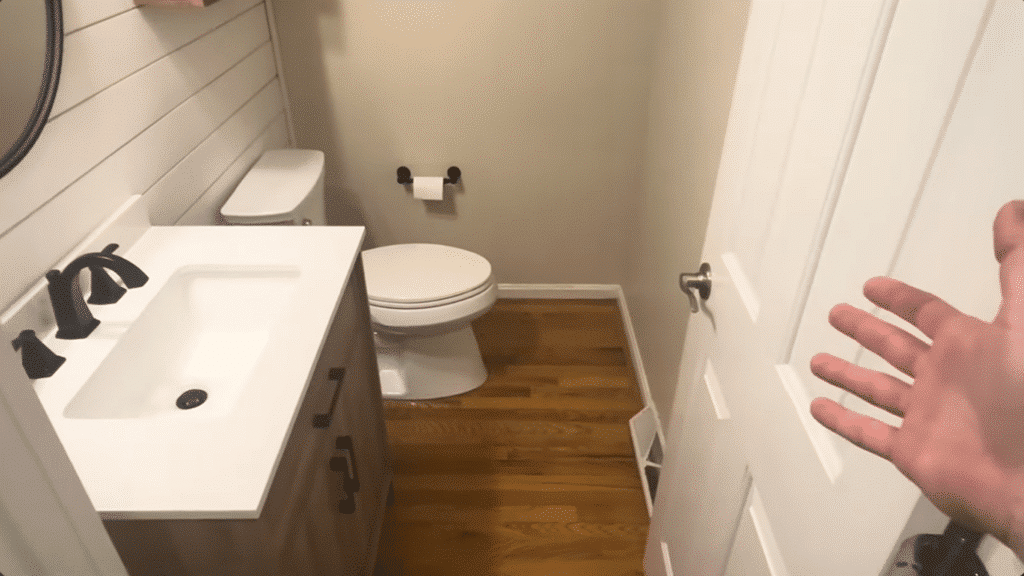
If the door swings to the right side, it is a right-handed door. If it swings to the left side, it is a left-handed door.
You can also verify by looking at the hinges. A right-handed door has hinges on the right, while a left-handed door has them on the left when viewed from the inside.
Check out This Video for Visual Representation:
Common Mistakes to Avoid
Even with a clear process, a few common errors can still catch people off guard. Watch out for these:
- Checking from The Wrong Side: Always assess from the exterior, not from inside the room. Getting this backward is the most common source of confusion.
- Skipping the Space Check: Don’t assume the new door will fit the same way as the old one without verifying that the swing direction works for the space.
- Forgetting to Check Building Codes: For exterior or commercial doors, always review local requirements before finalizing a swing direction.
- Overlooking High-Traffic Patterns: A door that opens into a frequently used hallway or walkway creates safety risks and disrupts flow. Always assess how the door interacts with foot traffic before making a final decision.
Wrapping It Up
Figuring out door swing direction doesn’t have to be complicated. Stand on the exterior side, check the hinges, observe the direction the door opens, verify it works for your space, and document what you find.
Those five steps will give you everything you need to move forward with confidence.
If you’re in the middle of a full home renovation or simply replacing a single door, understanding the swing direction is one of those details that pays off big.
It keeps your hardware compatible, your layout functional, and your project moving without unnecessary setbacks.

James McLaren, with a rich background in architecture from the University of Manchester, has been contributing his expertise to the world of creative construction and home innovation for over 20 years. His journey began as a project manager for a leading construction firm, where he honed his skills in bringing complex designs to life. James joined our platform as a freelancer in 2019, quickly becoming a favorite for his insightful and practical advice. He has been a pivotal force to our wing ever since, bringing our readers a blend of technical know-how and creative flair. Beyond his professional life, James is an avid woodworker and enjoys restoring vintage furniture, a hobby that complements his professional insights beautifully.