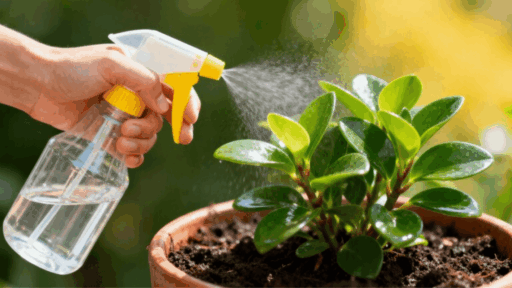
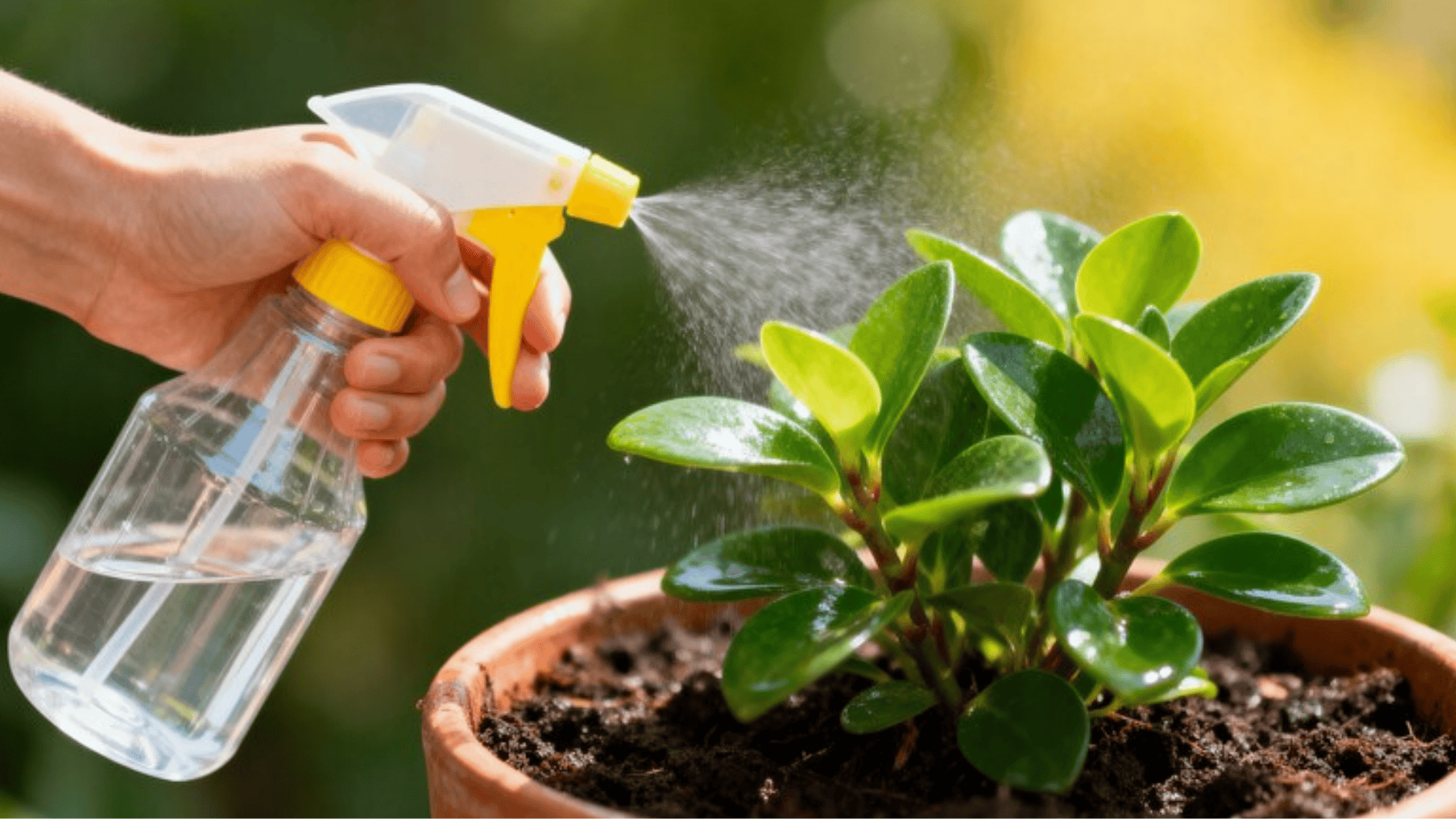

Most people want their plants to grow strong and healthy. But store-bought fertilizers can be expensive, and not everyone feels comfortable using chemical-heavy products around their home or garden.
That’s where the idea of homemade plant food comes in. It’s affordable, simple to prepare, and works surprisingly well.
This guide leads you through the best recipes, which everyday ingredients actually deliver results, and how to use them the right way for healthier, happier plants.
Why Make Your Own Plant Food at Home?
Store-bought fertilizers are expensive, full of synthetic chemicals, and honestly, not something most gardens actually need.
It’s also a much better choice for the environment. Homemade plant food reduces household waste, cuts down on plastic packaging, and keeps harsh chemicals out of the garden soil.
There are no toxic residues or chemical runoff, making it completely safe around kids, pets, and edible gardens.
Another thing worth knowing is that homemade recipes work across all garden types.
Raised beds, container plants, indoor houseplants, or a full backyard garden, it all works. And since most recipes take under 10 minutes to make with kitchen scraps, there’s no need to make a trip to the store.
What Nutrients Do Plants Actually Need?
Every plant needs three core nutrients to grow well. These are nitrogen, phosphorus, and potassium, commonly referred to as NPK.
- Nitrogen (N) is the nutrient behind lush, green, fast-growing leaves and stems. If your plant looks pale, yellowing, or is growing more slowly than usual, it is a clear sign that the soil needs more nitrogen.
- Phosphorus (P) works below the surface, building strong root systems that anchor and feed the plant. It also plays a big role in bloom production, so flowering plants really depend on it.
- Potassium (K) acts like a health booster for your plants, making them stronger and more resistant to disease. It also directly affects fruit quality, helping produce better yields in vegetable and fruit gardens.
Easy Homemade Plant Food Recipes to Try
These simple recipes use everyday kitchen scraps and household items to feed your plants without spending a penny.
1. Banana Peel Fertilizer
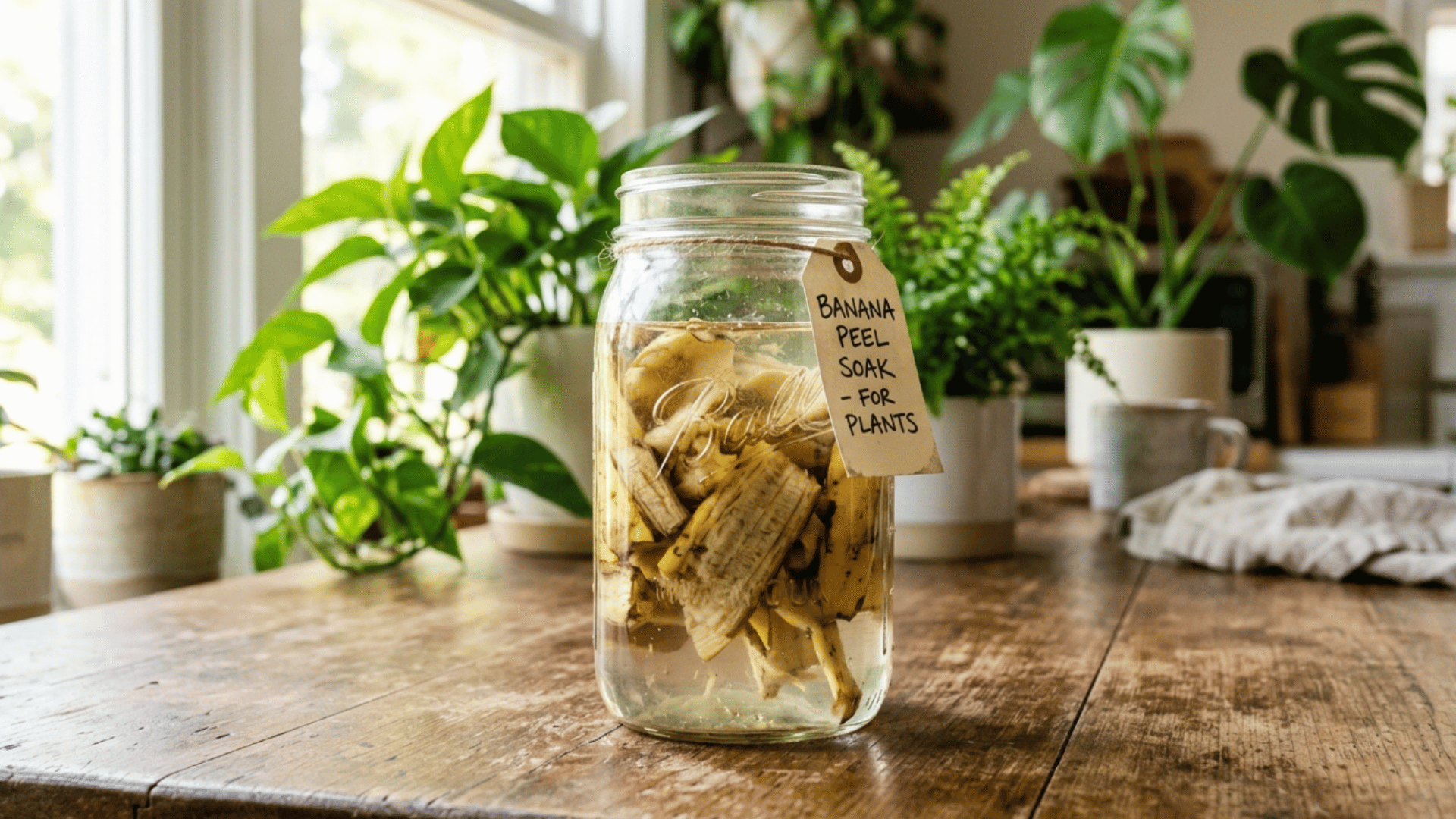
Banana peels are one of the easiest and most effective sources of potassium for your garden. Instead of tossing them in the bin, put them to work.
This recipe works best for tomatoes, roses, flowering plants, and potted houseplants. Apply it once every two weeks for the best results.
Ingredients: 3 to 4 banana peels and 1 liter of water
Method:
- Chop the banana peels into small pieces so they release nutrients into the water faster
- Drop the chopped peels into a container, cover with water, and leave to soak for 48 hours
- Strain the liquid through a fine cloth or mesh to remove all the peel pieces
- Pour the strained liquid directly into a watering can and apply it to the base of your plants
2. Coffee Grounds
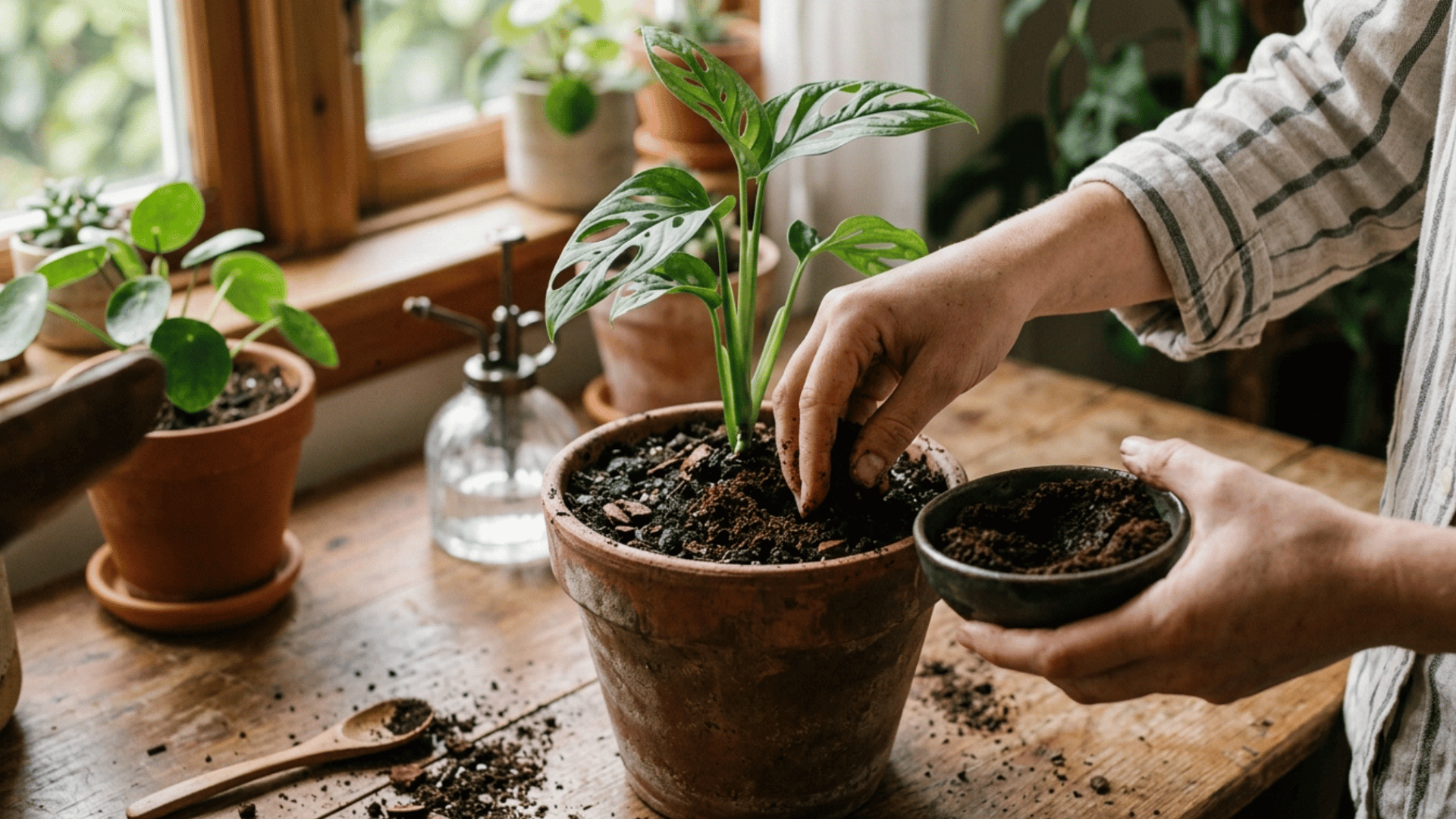
Used coffee grounds are rich in nitrogen and slightly acidic, making them a great fix for plants that prefer lower soil pH.
They work particularly well for blueberries, roses, azaleas, tomatoes, and ferns. Use them once a month and avoid overdoing it, as too much can make the soil overly acidic over time.
Ingredients: Used coffee grounds and water or garden soil
Method:
- Let the used coffee grounds dry out completely before applying, so they do not clump together in the soil
- Sprinkle a thin, even layer around the base of the plant, keeping it away from the stem
- Gently push the coffee grounds into the top layer of soil so they are no longer sitting on the surface
- Water the plant normally after application to help the nutrients absorb into the soil
3. Eggshell Calcium Spray
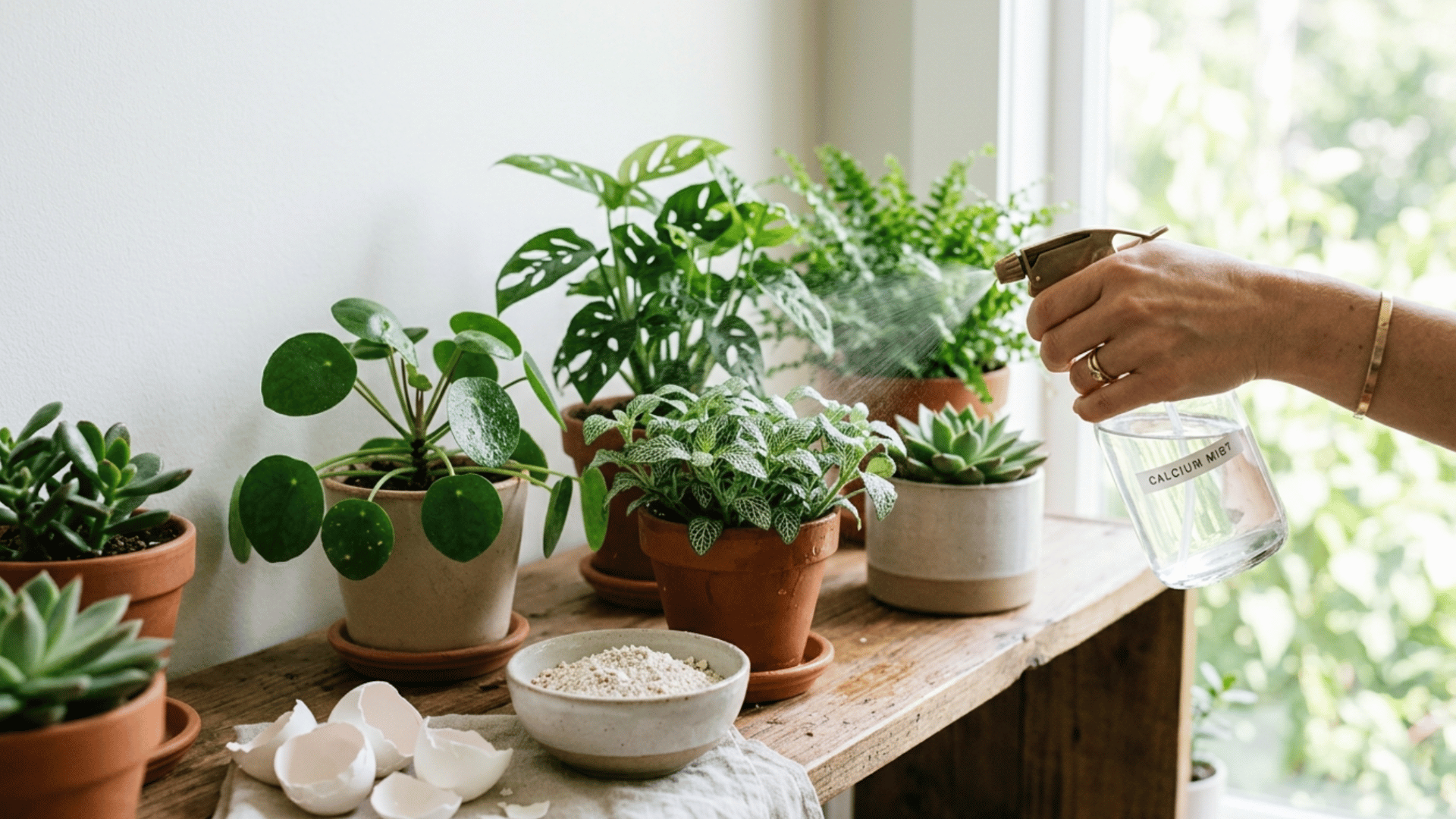
Eggshells are rich in calcium carbonate, which strengthens plant cell walls and helps prevent common problems like blossom-end rot in tomatoes.
They work best on tomatoes, peppers, broccoli, and leafy greens. Apply once every two to three weeks for steady results.
Ingredients: 10 to 12 crushed eggshells and 1 liter of water
Method:
- Rinse the eggshells clean and leave them out to dry completely before using
- Crush the dried shells into a fine powder using a mortar and pestle or the back of a spoon
- Boil the water, add the crushed eggshell powder, and leave the mixture to steep overnight
- Strain out the shell pieces, pour the liquid into a spray bottle, and apply directly to the soil or leaves
4. Compost Tea Liquid Fertilizer
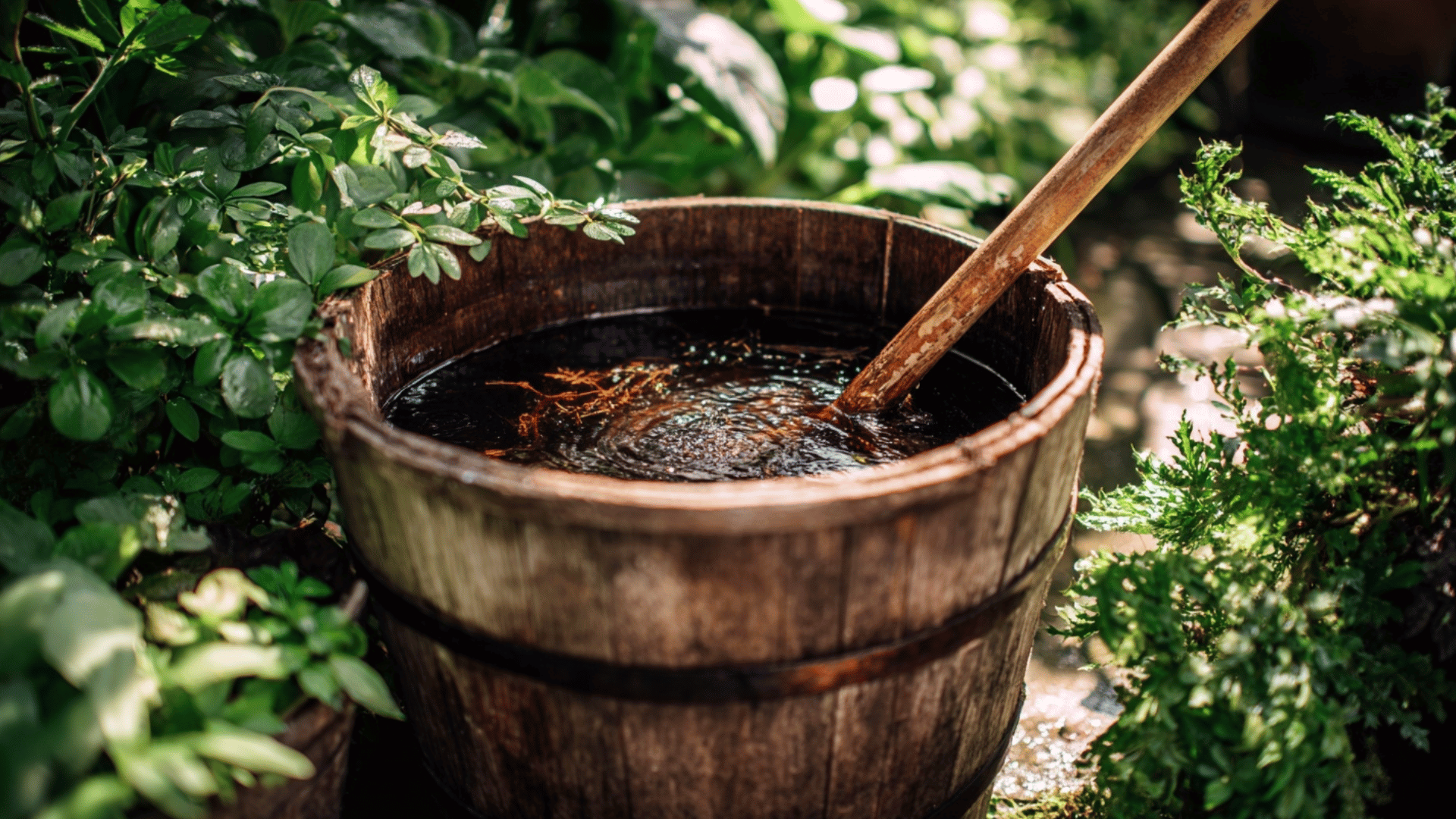
Compost tea delivers a broad mix of nutrients and beneficial microbes straight to your plants, making it one of the most well-rounded homemade plant food options you can make at home.
It works great on vegetables, herbs, fruit trees, and garden beds. Use it once every one to two weeks during the growing season.
Ingredients: 1 cup of finished compost and 4 liters of water
Method:
- Add the compost to a large bucket, pour in the water, and stir everything together well
- Leave the mixture to sit for 24 to 48 hours, stirring it once or twice during that time
- Strain out all the solid compost pieces using a fine cloth or mesh until only the liquid remains
- Dilute the liquid with extra water until it looks like weak tea, then pour it around the base of your plants
5. Epsom Salt Solution (Magnesium and Sulfur)
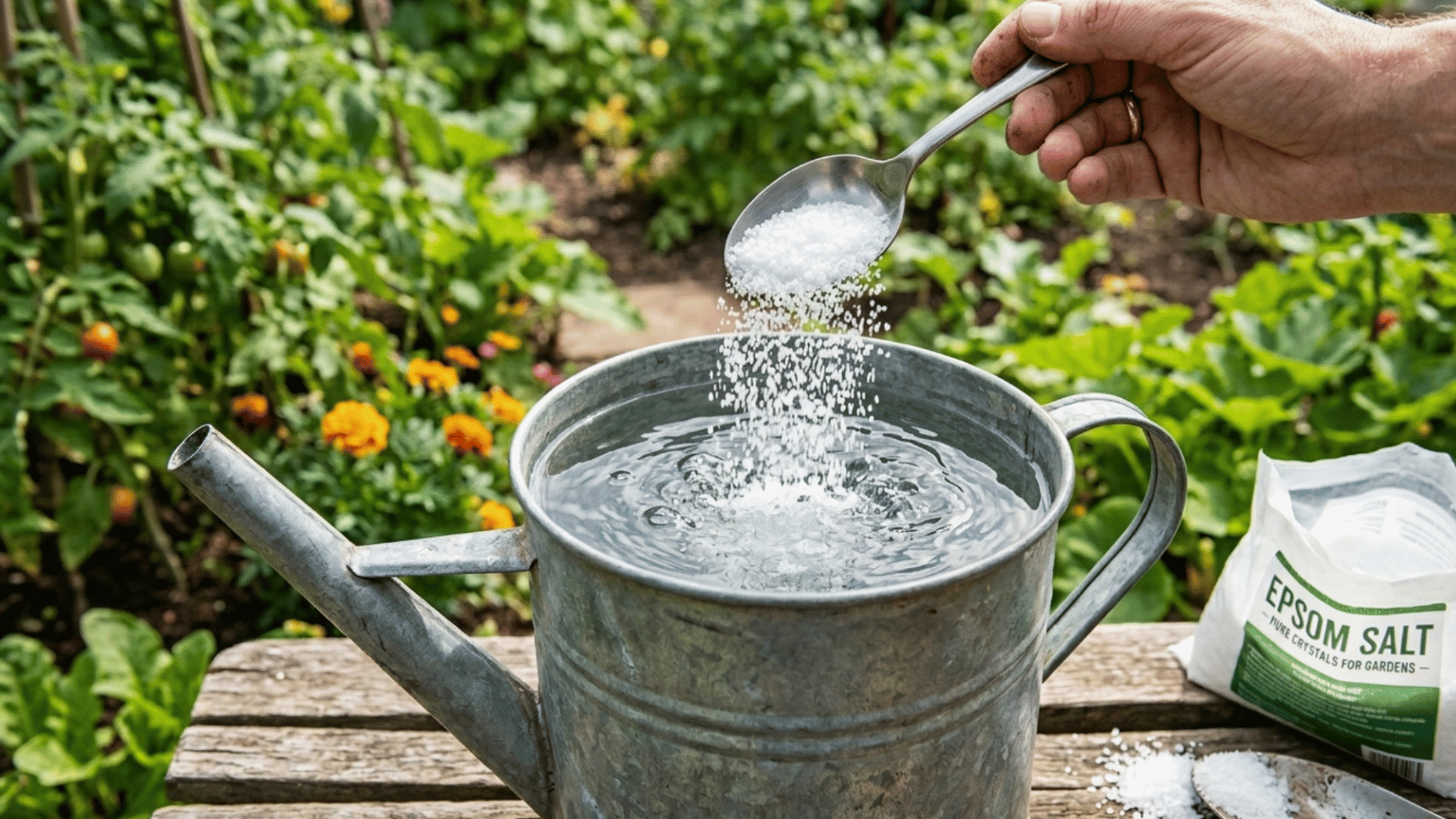
Epsom salt is magnesium sulfate, providing plants with a quick boost of two nutrients they often lack.
It works particularly well on tomatoes, peppers, roses, and any plant showing yellowing between the leaf veins. Use it once a month as a soil drench or every two weeks as a foliar spray.
Ingredients: 1 tablespoon of Epsom salt and 4 liters of water
Method:
- Add the Epsom salt to the water and stir until it dissolves completely and the water runs clear
- Pour the solution slowly and directly into the soil around the base of the plant
- For faster results, pour the solution into a spray bottle and apply it directly onto the leaves
- Repeat the application based on how the plant responds over the following week
6. Aquarium Water
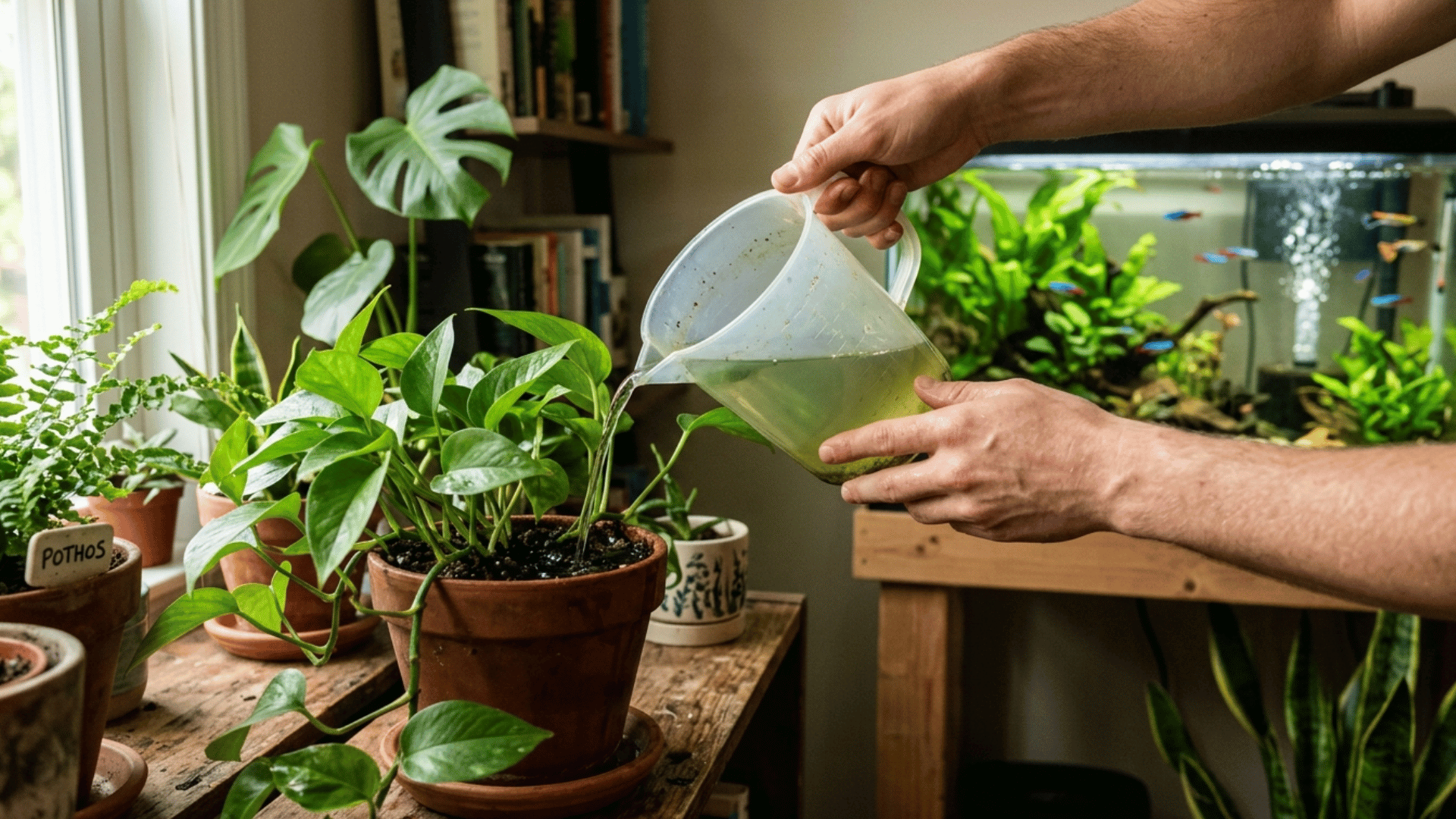
Aquarium water contains fish waste that is naturally rich in nitrogen and beneficial bacteria, making it a ready-made liquid fertilizer most people never think to use.
It works well on houseplants, vegetables, herbs, and garden beds. Use it every time you clean your fish tank, about once every 1 to 2 weeks. Only use freshwater aquarium water, as saltwater will damage your plants.
Ingredients: Used freshwater aquarium water
Method:
- Collect the water from your fish tank during your regular cleaning routine
- Let it sit at room temperature for about an hour before applying it to your plants
- Pour it directly onto the soil around the base of the plant as you would with normal water
- Repeat the process each time you carry out your regular tank clean
7. Wood Ash Fertilizer (Potassium and Calcium)
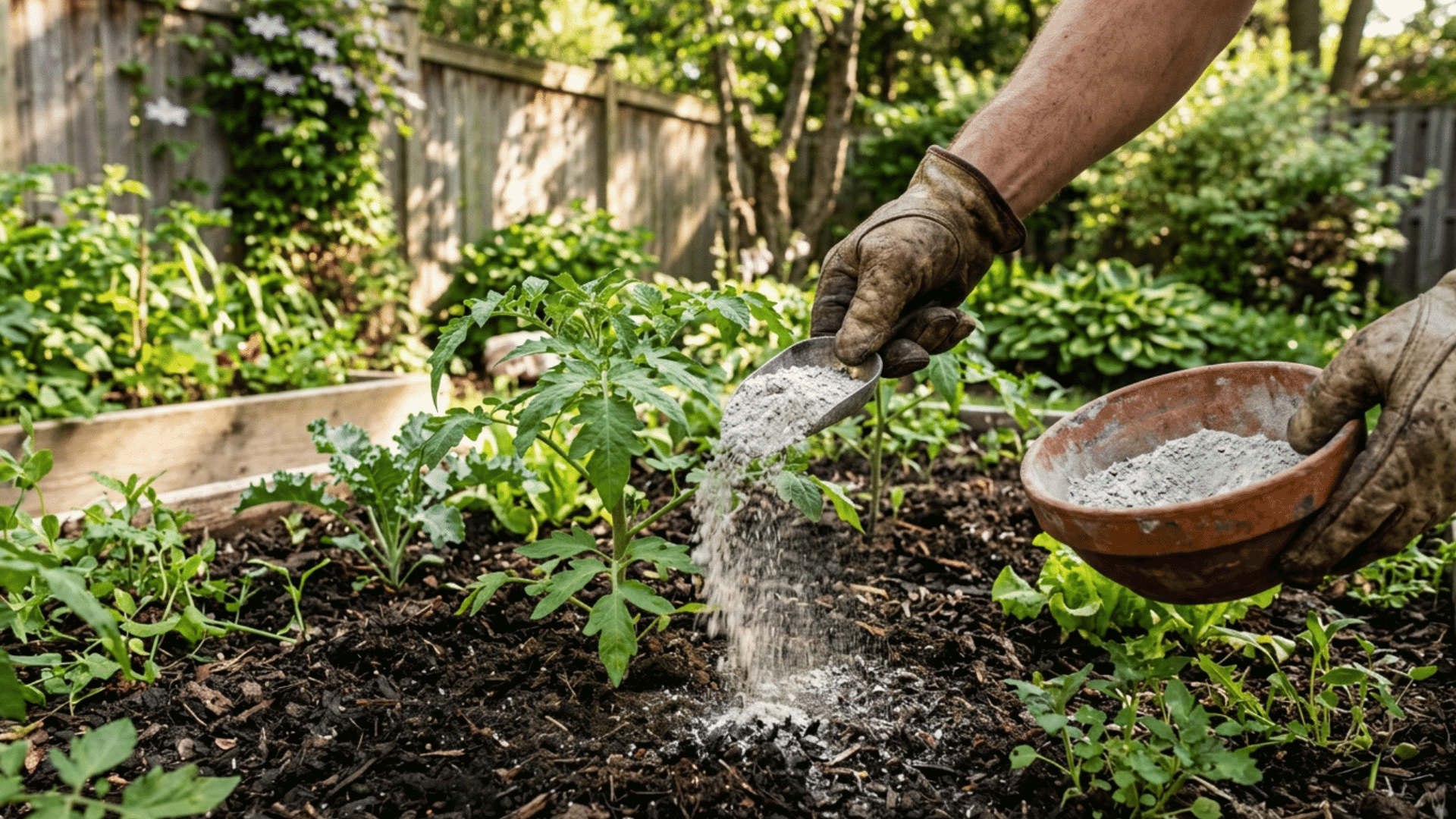
Wood ash from a fireplace or fire pit is a good source of potassium and calcium, and it also helps raise soil pH in gardens with overly acidic soil.
It works best on vegetables, fruit trees, lawns, and plants growing in acidic soil. Apply once a month and avoid using it on acid-loving plants like blueberries or azaleas.
Ingredients: Cooled dry wood ash and water for a liquid version
Method:
- Make sure the ash has cooled down completely and is fully dry before you handle or apply it
- Sprinkle a thin layer of ash around the base of your plants, keeping it away from the stems
- Gently press the ash into the top layer of soil so it does not blow away or sit on the surface
- Water the area after application, or mix 1 tablespoon of ash into 4 liters of water and apply as a liquid feed
Homemade Plant Food for Specific Plant Types
Different plants have different needs. Here is a quick breakdown of the best homemade options for each plant type.
| Plant Type | Best Homemade Food | How To Use |
|---|---|---|
| Indoor houseplants | Aquarium water or compost tea | Every 1 to 2 weeks |
| Vegetable gardens | Eggshell spray or banana peel water | Every 2 weeks |
| Roses and flowering plants | Banana peel, water, and coffee grounds | Every 2 weeks |
| Succulents and cacti | Heavily diluted compost tea or eggshell water | Once a month |
| Fruit trees | Wood ash fertilizer or compost tea | Once a month |
How to Apply Homemade Plant Food Correctly?
Knowing what to feed your plants is only half the job. How you apply it matters just as much.
- If the nutrients need to reach the roots, pour the liquid directly onto the soil around the base of the plant.
- If your plant looks stressed and needs a quick fix, fill a spray bottle and spray it straight onto the leaves.
- Early morning is the best time to do either, the soil is cool, the sun is not too harsh, and the nutrients actually have time to absorb properly.
- Keep the feeding going through spring and summer, and ease off completely once winter hits.
- And if you notice brown leaf tips, crusty white deposits on the soil, or leaves wilting out of nowhere, stop feeding immediately and flush the soil with plain water a few times over the next week.
The Bottom Line
Homemade plant food is a simple and budget-friendly way to care for plants without relying on store-bought products.
With everyday kitchen items, it becomes easy to give plants the nutrients they need to grow healthy and strong.
Using homemade food also helps reduce waste and keeps things natural for both indoor and outdoor plants. The key is to start small, use the right ingredients, and pay attention to how plants respond over time.
Adjust the amount and frequency as needed to avoid overfeeding. With a little consistency, this can become a safe part of any plant care routine.

With a Master’s in Landscape Architecture from the University of Virginia, Sophia Stephenson has dedicated the last 20 years to creating and maintaining vibrant outdoor spaces. Her professional journey started in landscape design, where she gained a reputation for innovative and sustainable approaches. Sophia became a part of our editorial team as a freelancer in 2019, offering a fresh perspective on outdoor living. Since 2020, she has been the chief for our outdoor design content, blending aesthetic appeal with environmental stewardship. In her leisure time, Sophia is a keen photographer, capturing the beauty of natural landscapes, a hobby that complements her professional expertise.