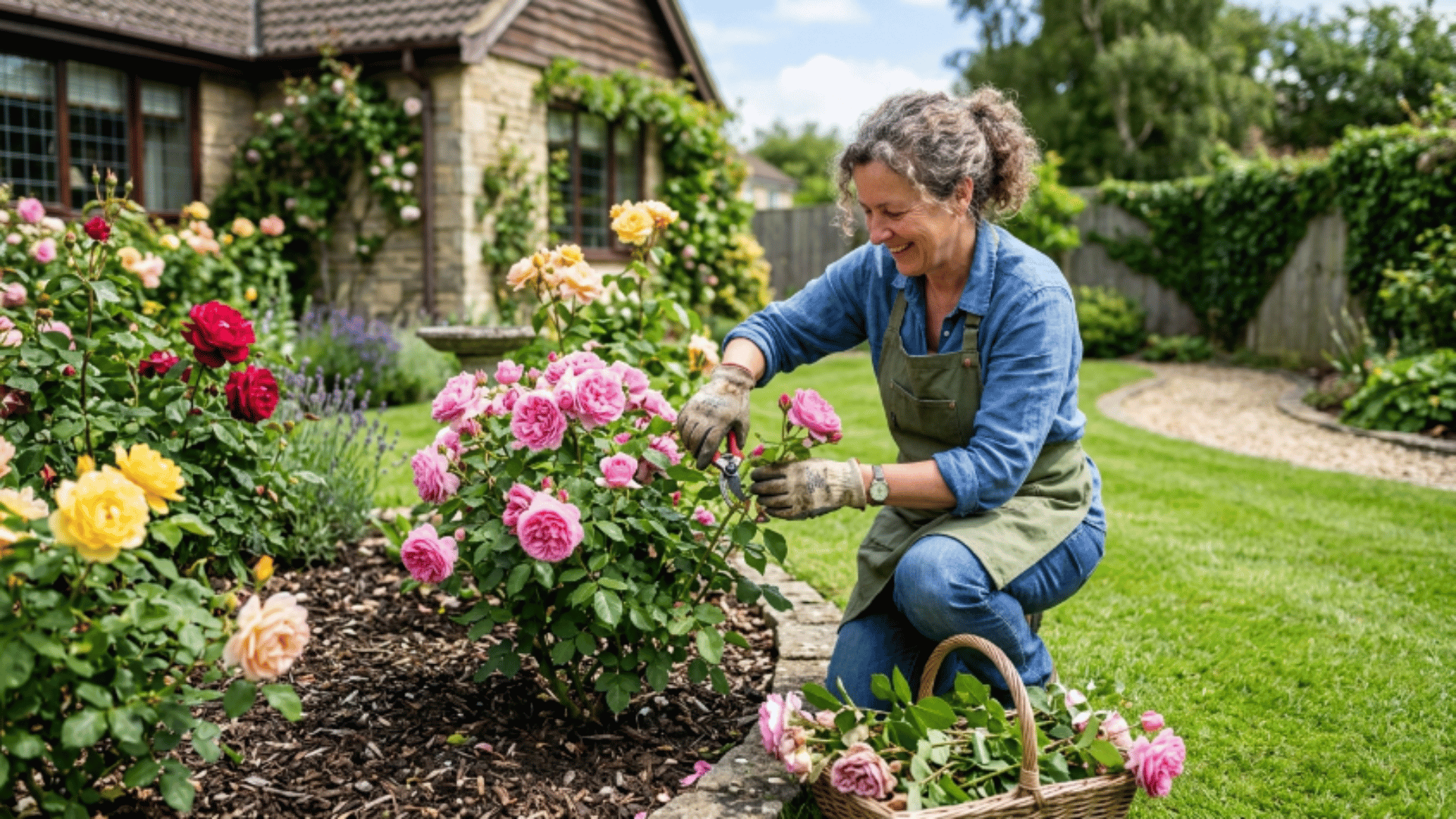

Pruning roses can feel a bit intimidating at first, but it’s simpler than it looks. With the right approach, you can help your plants grow stronger, bloom better, and stay healthy through the season.
If you’ve been unsure about where to start, this blog would be perfect for you. Learning how to prune roses is really about understanding a few basic cuts and timing them well.
Once you get the hang of it, it becomes second nature, and your roses will clearly show the difference.
A Quick Look at Roses and How They Grow
Roses are one of the most widely grown flowering plants, known for their variety, fragrance, and adaptability.
They belong to the genus Rosa and include hundreds of species and thousands of varieties, ranging from small compact plants to large shrubs and climbers that can cover walls or fences.
Roses grow from woody stems called canes, with new growth developing from buds along these stems, which is why pruning plays an important role in their care.
Their flowers vary in size, color, and shape, from simple blooms to full, layered ones. Most roses need good sunlight, well-drained soil, regular watering, and occasional feeding to grow well.
Why is Pruning Necessary?
Pruning plays a big role in keeping your roses healthy and productive. It helps the plant focus its energy where it matters, leading to stronger growth and better blooms over time.
- Keeps the plant open, reducing the risk of disease
- Boosts new growth and improves flowering
- Keeps airflow better and lowers disease risk
- Maintains size and shape
- Know canes, buds, and old vs new wood before cutting
Types of Roses and How to Prune Them?
There are several types of roses, and each grows a bit differently, so that pruning methods can vary from one type to another. Understanding these differences helps you approach pruning roses more effectively.
1. English Shrub Roses
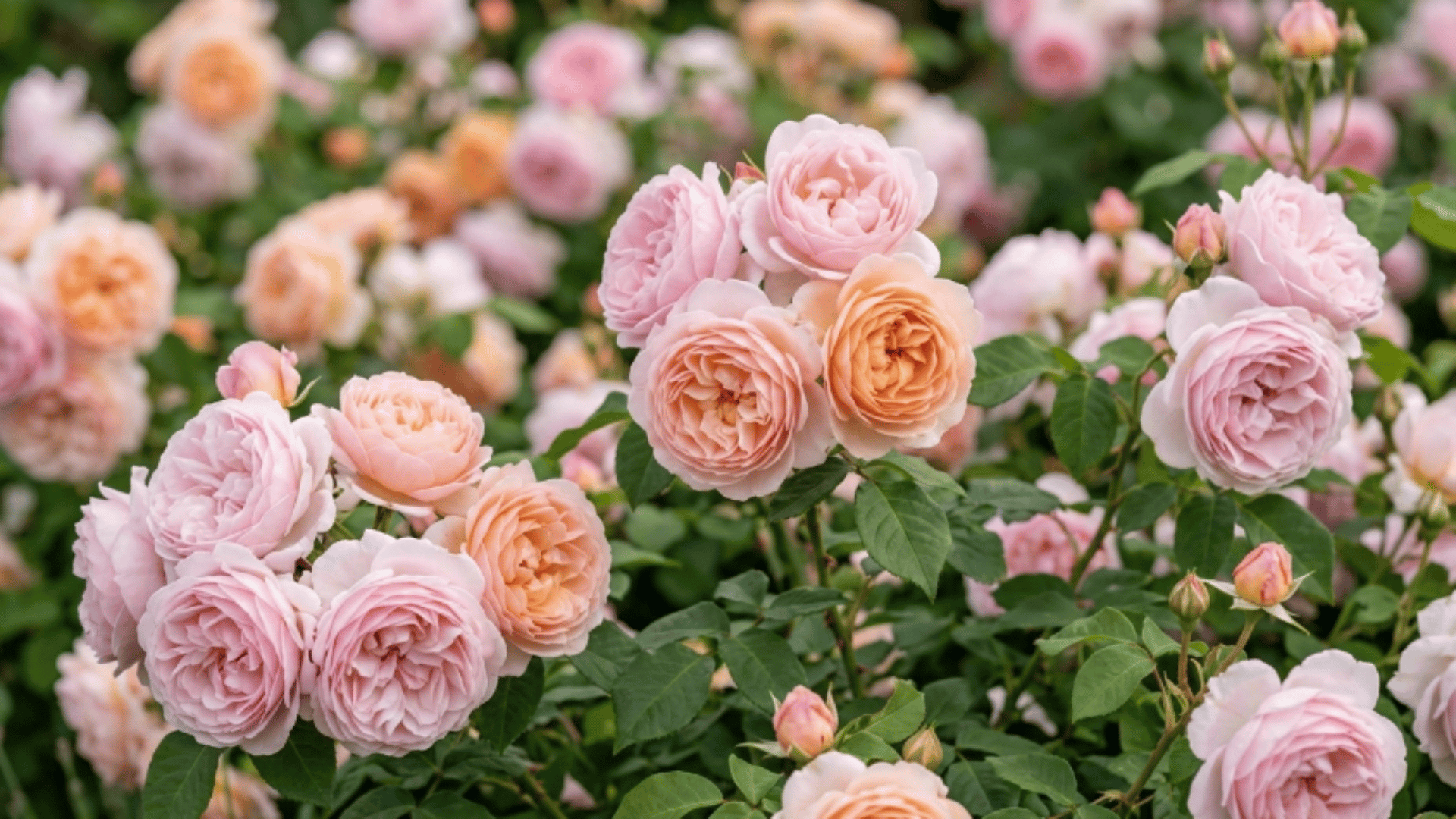
English shrub roses grow in a full, rounded shape and usually bloom more than once in a season. They don’t need heavy pruning, but they do need regular shaping to stay open and healthy.
If left unchecked, they can become dense in the center, which affects airflow and overall growth. A balanced approach works best here, keeping the plant natural while still controlled.
Steps to Prune:
- Remove dead and diseased wood: Start by clearing out anything unhealthy or damaged
- Cut back about one-third: Reduces overall size without cutting too deep
- Shape into a rounded shrub: Keep a natural, slightly loose form
- Improve airflow in the center: Remove crowded inner growth
2. Knockout Roses
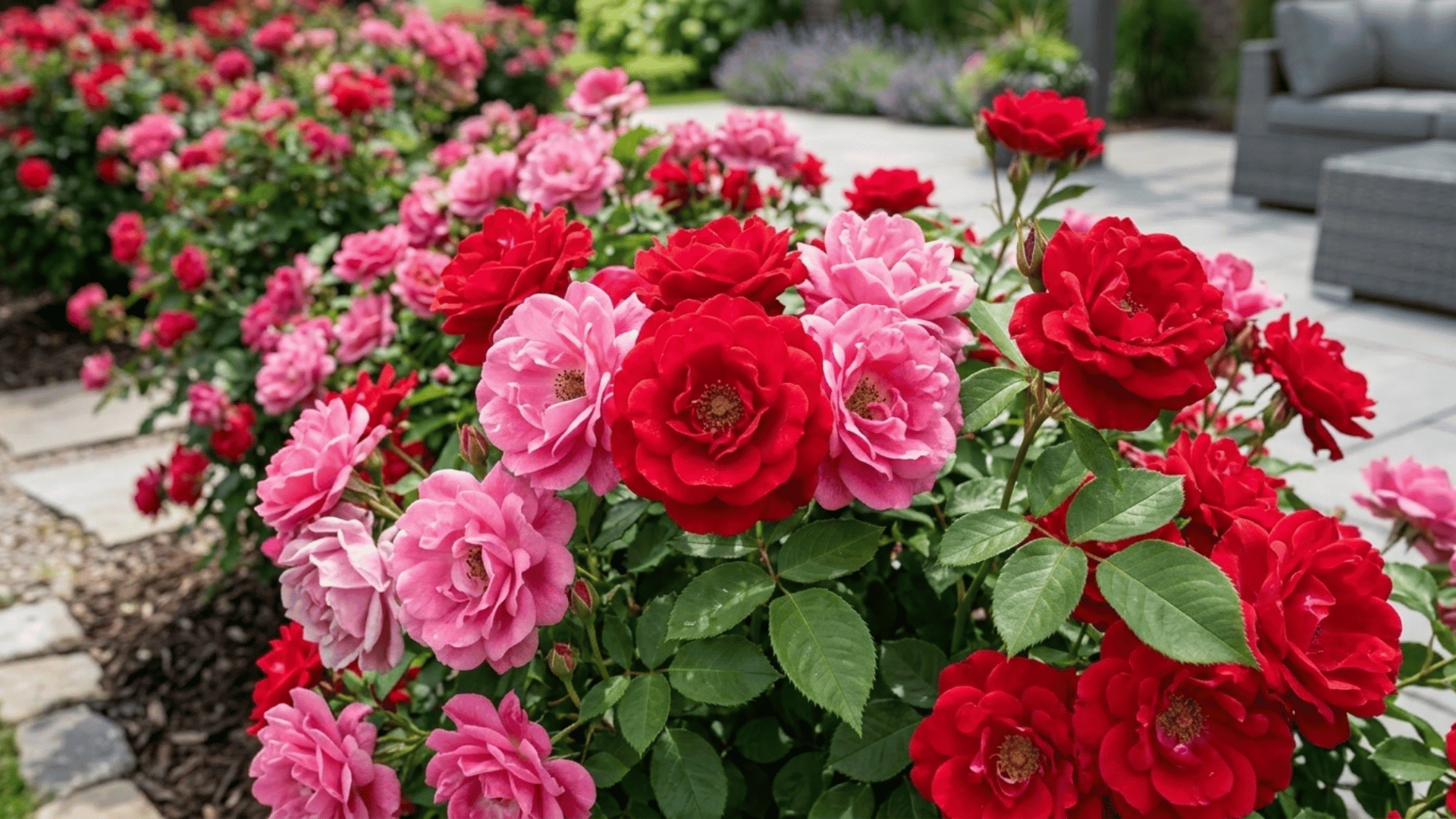
Knockout roses are known for being low-maintenance and forgiving. They grow quickly and bounce back well, even if you cut more than you need to.
This makes them ideal if you’re still getting comfortable with pruning roses. Still, a simple structure helps them look better and bloom more consistently.
Steps to Prune:
- Cut back by about half: Do this in early spring to control size
- Remove crossing branches: Clear out stems that rub against each other
- Trim lightly during the season: Keep the shape neat as it grows
3. Hybrid Tea Roses
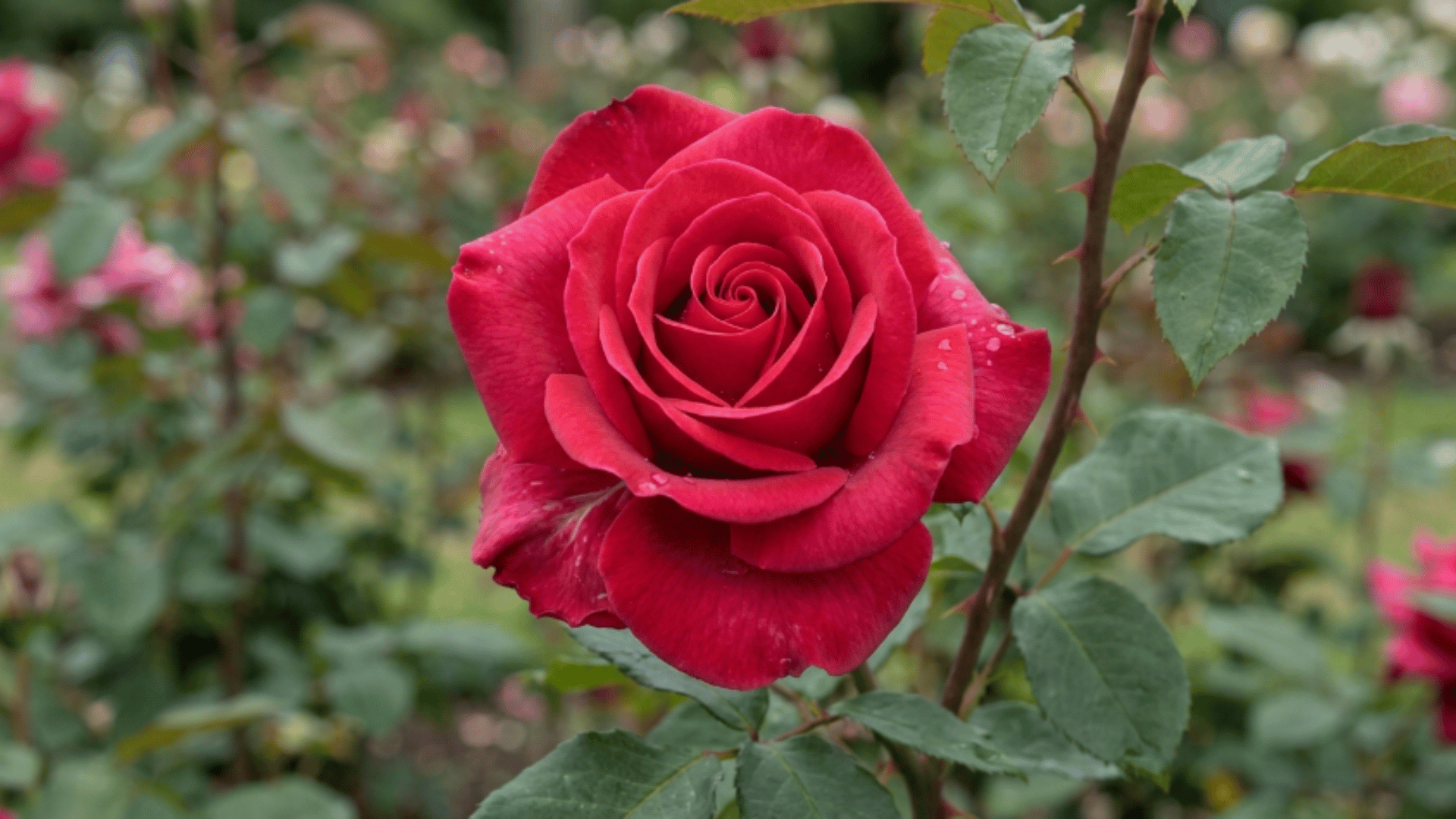
Hybrid tea roses are grown for their large blooms and long, straight stems. Because of this, pruning needs to be more precise compared to other types.
The way you cut directly affects the quality and size of the flowers. A more structured approach helps maintain strong, healthy stems.
Steps to Prune:
- Cut back to 12-18 inches: Keep the plant low and manageable
- Retain 3-5 strong canes: Focus on the healthiest stems
- Cut above outward-facing buds: Guide growth outward for better shape
4. Climbing Roses
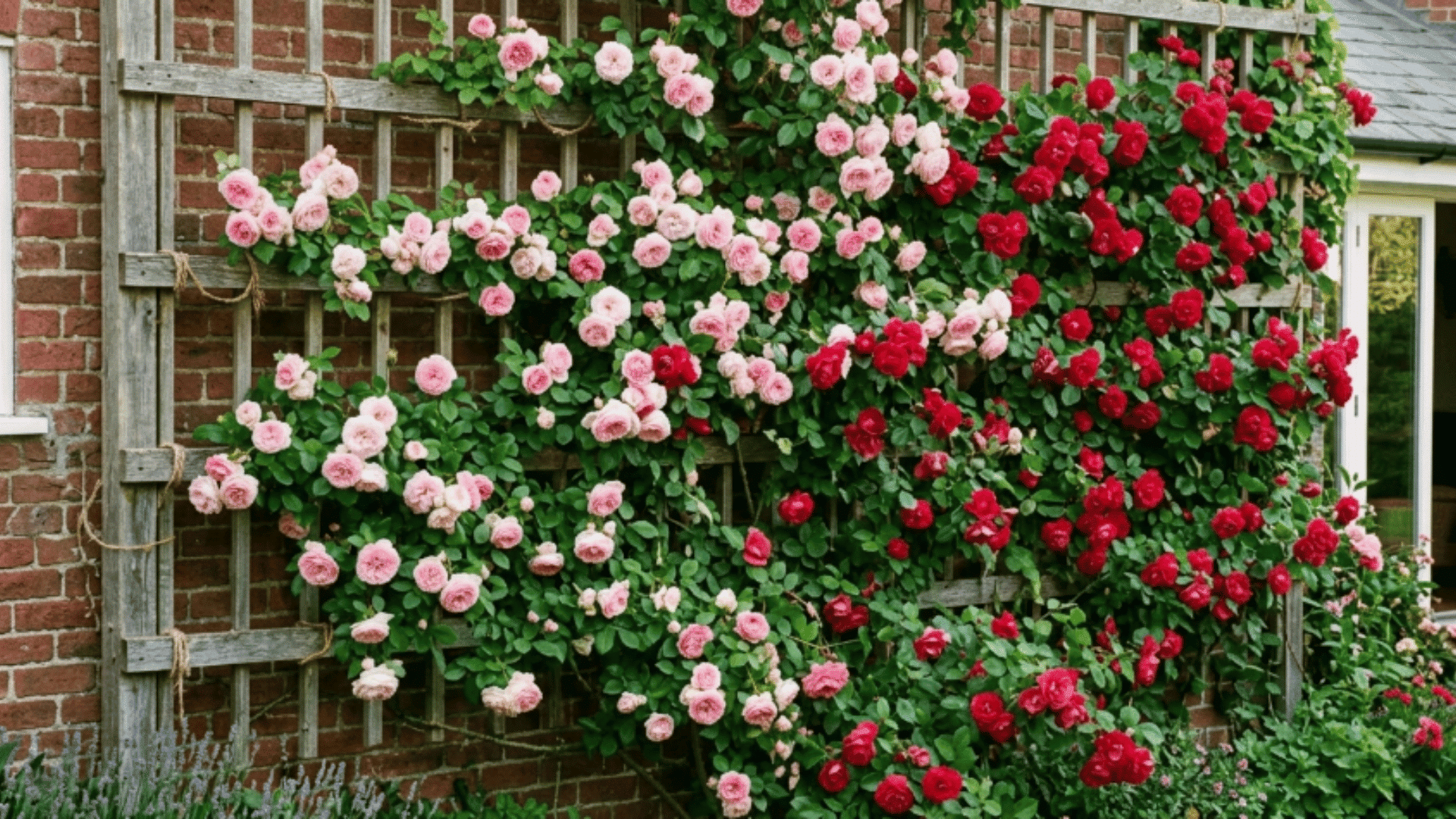
Climbing roses grow long, flexible canes that need support and direction. Pruning here is less about cutting back and more about guiding growth.
If you cut the wrong parts, you can reduce flowering for the entire season. So, it’s important to know what to leave and what to trim.
Steps to Prune:
- Keep the main structural canes intact: These form the base of the plant
- Prune side shoots to 2–3 buds: This encourages flowering
- Trains canes horizontally: This helps produce more blooms along the length
5. Floribunda Roses
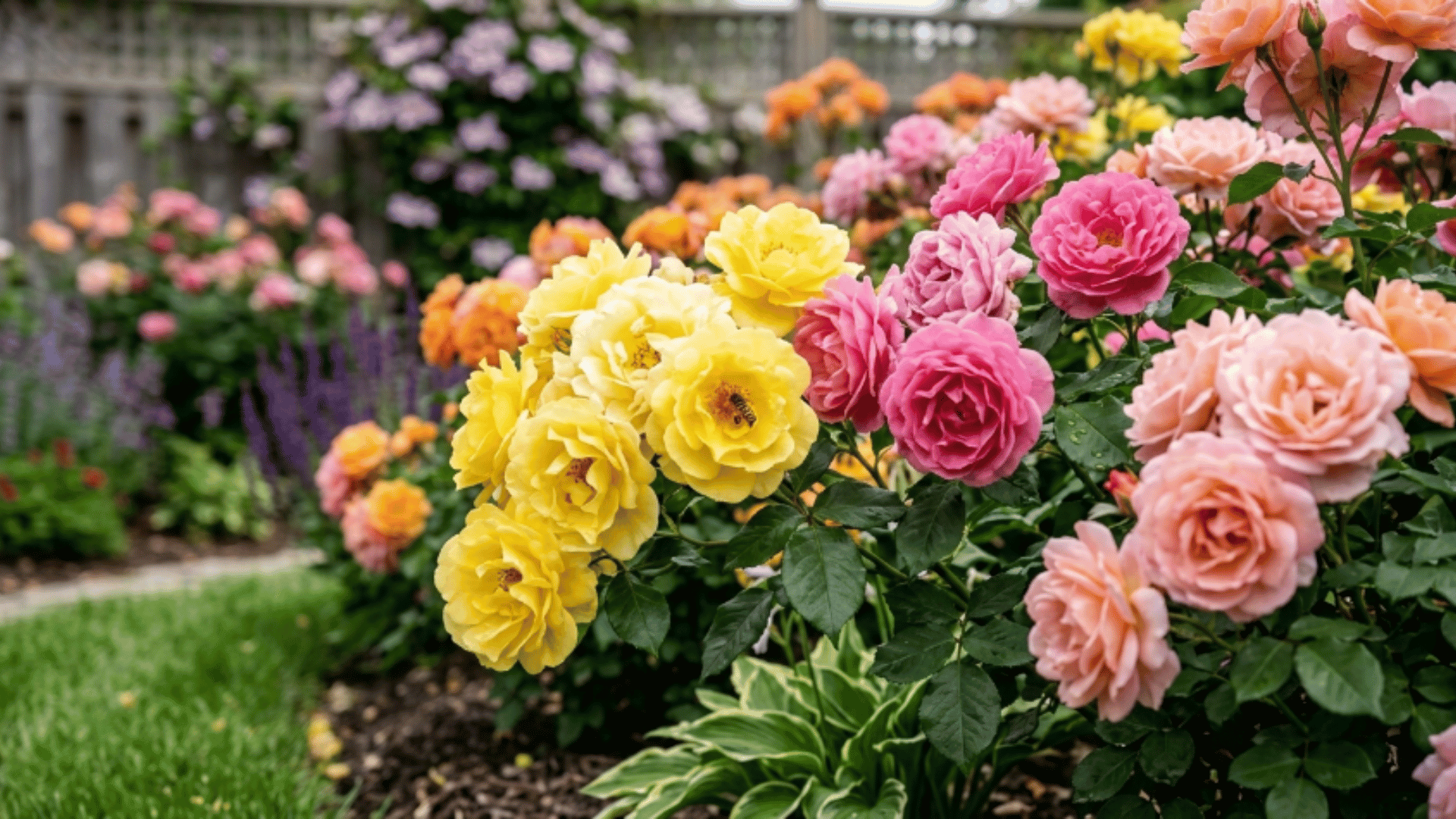
Floribunda roses produce clusters of flowers, which means the plant needs to support multiple blooms at once. Pruning should help maintain that balance without removing too much growth.
A moderate approach is best for keeping the plant productive.
Steps to Prune:
- Prune moderately: Avoid cutting too deeply
- Remove weak growth: Focus on stronger stems
- Maintain a balanced structure: Keep the plant evenly shaped
6. Miniature Roses
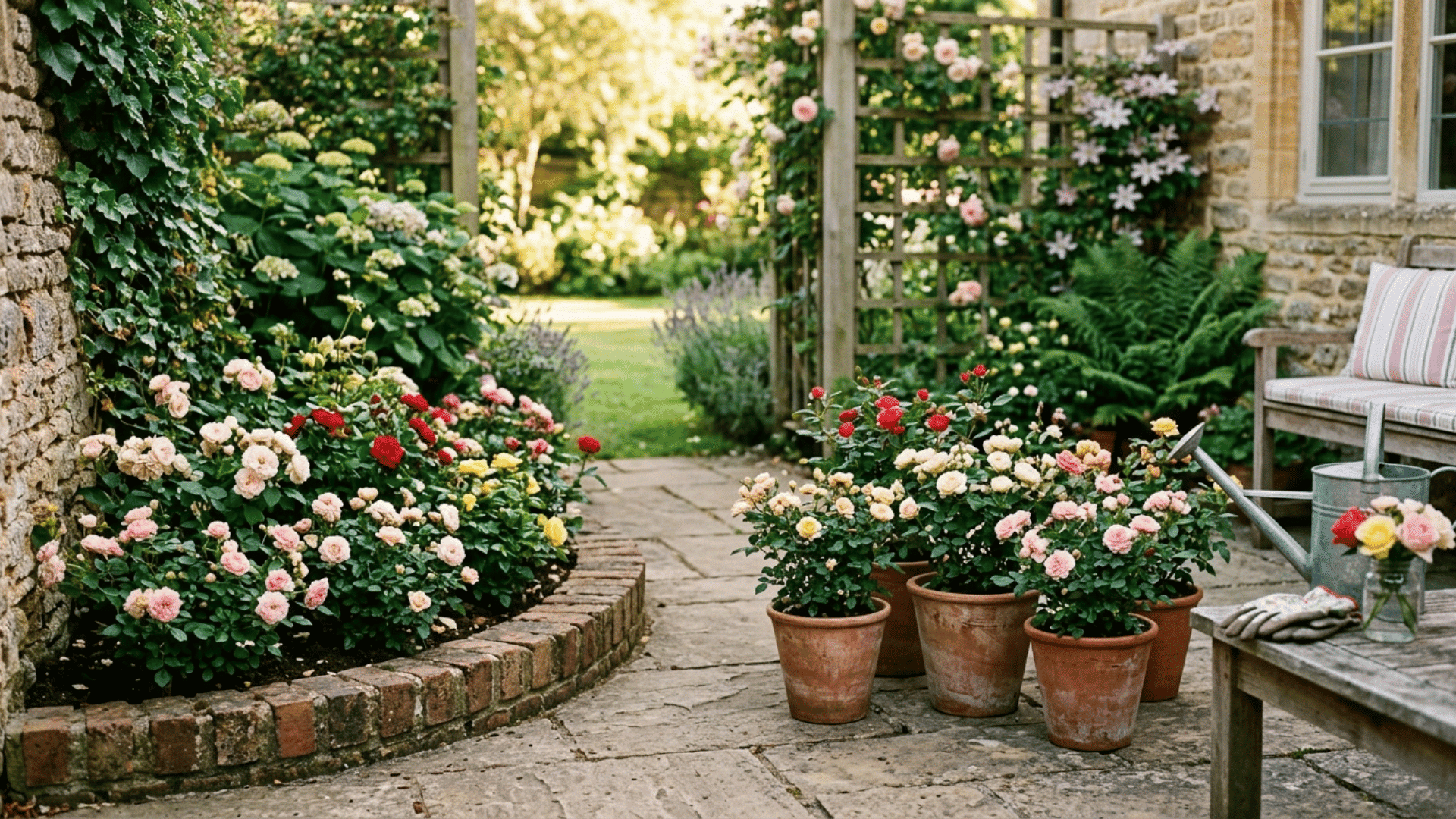
Miniature roses stay small and compact, so they don’t need much pruning. In fact, cutting too much is one of the most common mistakes with this type. A light touch is all that’s needed to keep them healthy and neat.
Steps to Prune:
- Keep pruning minimal: Only trim when necessary
- Remove dead wood: Clear out any unhealthy parts
- Shape lightly: Maintain the natural compact form
Best Time to Prune Roses by Season
Getting the timing right is just as important as knowing how to prune roses. The table below gives a clear, season-wise breakdown so you know exactly when and how often to prune.
| Season / Timing | What to Do | Key Notes |
|---|---|---|
| Late Winter to Early Spring | Main pruning phase | Prune when buds swell; avoid the frost period |
| Spring (Peak Growth) | Shape and refine | Remove weak shoots and guide growth |
| Summer | Deadheading and light trimming | Remove spent blooms and lightly shape |
| Fall | Minimal pruning only | Avoid heavy cuts; clean up the plant |
| Regional Variation | Adjust based on climate | Cold areas prune later, warm areas earlier |
Post-Pruning Care Tips to Help Roses Recover and Grow
Once you’ve finished pruning, the next few steps play a big role in how well your roses recover and grow, so a little care here goes a long way.
- Water Deeply: Give the plant a thorough soak to help it recover and support new growth
- Apply Fertilizer: Use a balanced feed to encourage healthy shoots and better blooms
- Add Mulch: Helps retain moisture and protects the roots from temperature changes
- Check Soil Moisture: Keep it evenly moist, avoid letting it dry out or stay too wet
- Watch for Pests: Fresh growth can attract insects, so keep an eye out
- Look for Disease Signs: Spot issues early, like leaf spots or weak growth
- Keep the Area Clean: Clear away fallen leaves and cuttings to reduce the risk of problems
It’s a Wrap
Pruning roses is less about strict rules and more about understanding your plant and timing your cuts well.
Once you learn how to prune roses based on their type and growth stage, the process becomes much more manageable.
Small, consistent efforts often work better than heavy, rushed pruning. Pay attention to how your roses respond, and adjust as needed.
Over time, you’ll see healthier growth, more blooms, and a plant that’s easier to care for each season. It also helps build a routine, so pruning feels less like a task and more like a natural part of plant care.

With a Master’s in Landscape Architecture from the University of Virginia, Sophia Stephenson has dedicated the last 20 years to creating and maintaining vibrant outdoor spaces. Her professional journey started in landscape design, where she gained a reputation for innovative and sustainable approaches. Sophia became a part of our editorial team as a freelancer in 2019, offering a fresh perspective on outdoor living. Since 2020, she has been the chief for our outdoor design content, blending aesthetic appeal with environmental stewardship. In her leisure time, Sophia is a keen photographer, capturing the beauty of natural landscapes, a hobby that complements her professional expertise.