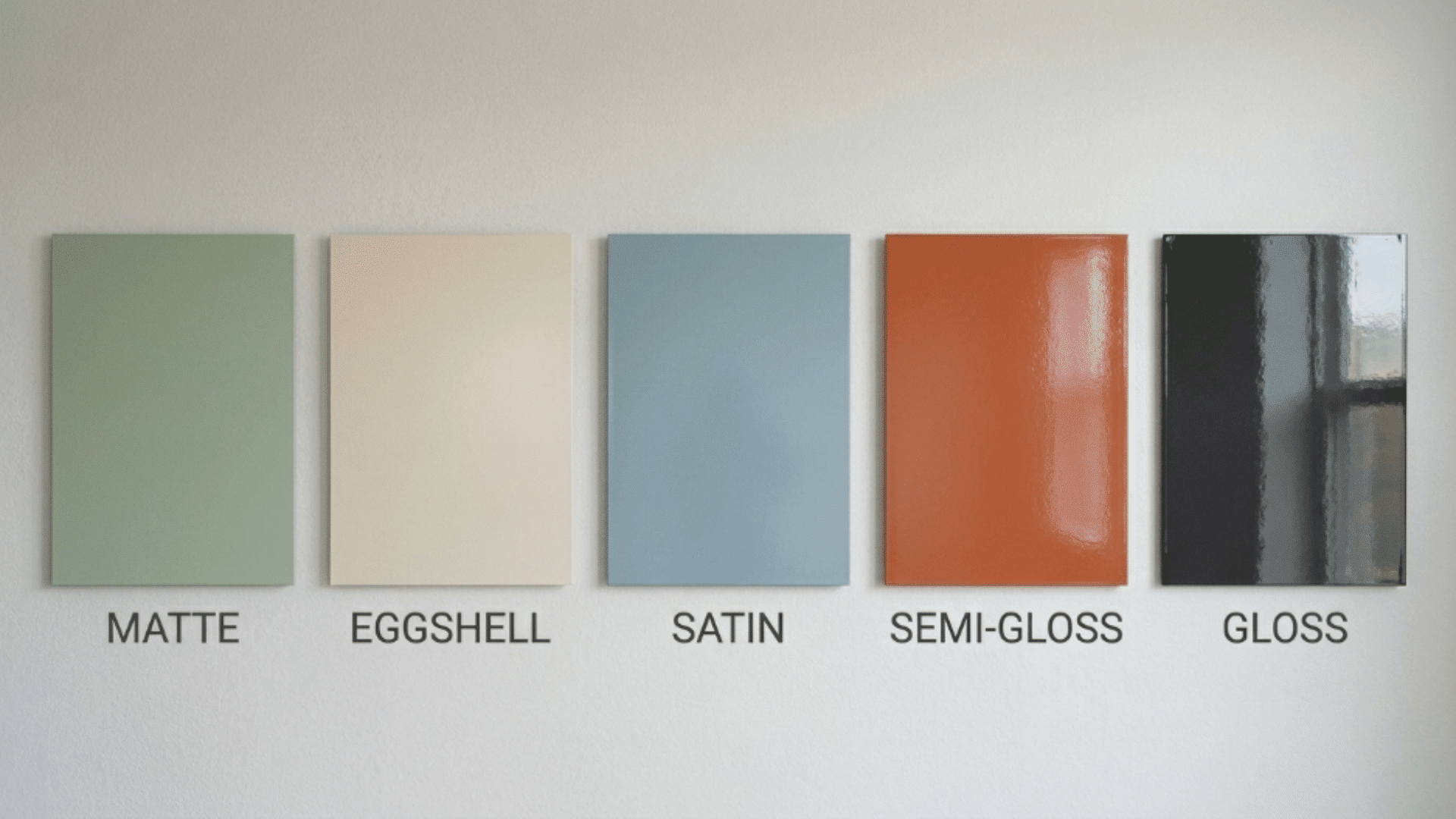

Choosing paint is not just about picking a color. The finish you choose affects how your walls look, how long they last, and how easy they are to clean.
Some finishes hide marks and bumps, while others are better for spaces that see daily use, like kitchens and hallways.
Picking the wrong one can lead to stains, uneven shine, or walls that are hard to maintain over time. This blog breaks down paint finish types in a simple way. It also helps you choose the right option for each room in your home.
Why Paint Sheen Matters?
Paint sheen has a direct impact on how a painted surface looks and performs in daily use. It influences how light reflects off the walls, which can change how colors appear in the day.
A lower sheen creates a softer look and helps reduce the visibility of small dents or uneven areas. On the other hand, a higher sheen reflects more light, which can make a room feel brighter but also makes surface flaws easier to notice.
Sheen also affects how well a surface handles cleaning. Some finishes allow easy wiping and resist stains, while others may absorb marks more quickly.
Choosing the right sheen ensures the surface looks good, stays clean, and holds up well based on how the space is used.
Paint Finish Types and How They Work
Most homes use five main paint finishes, each serving a different purpose depending on how the space is used and how much wear the walls or surfaces will endure over time.
1. Matte or Flat Finish
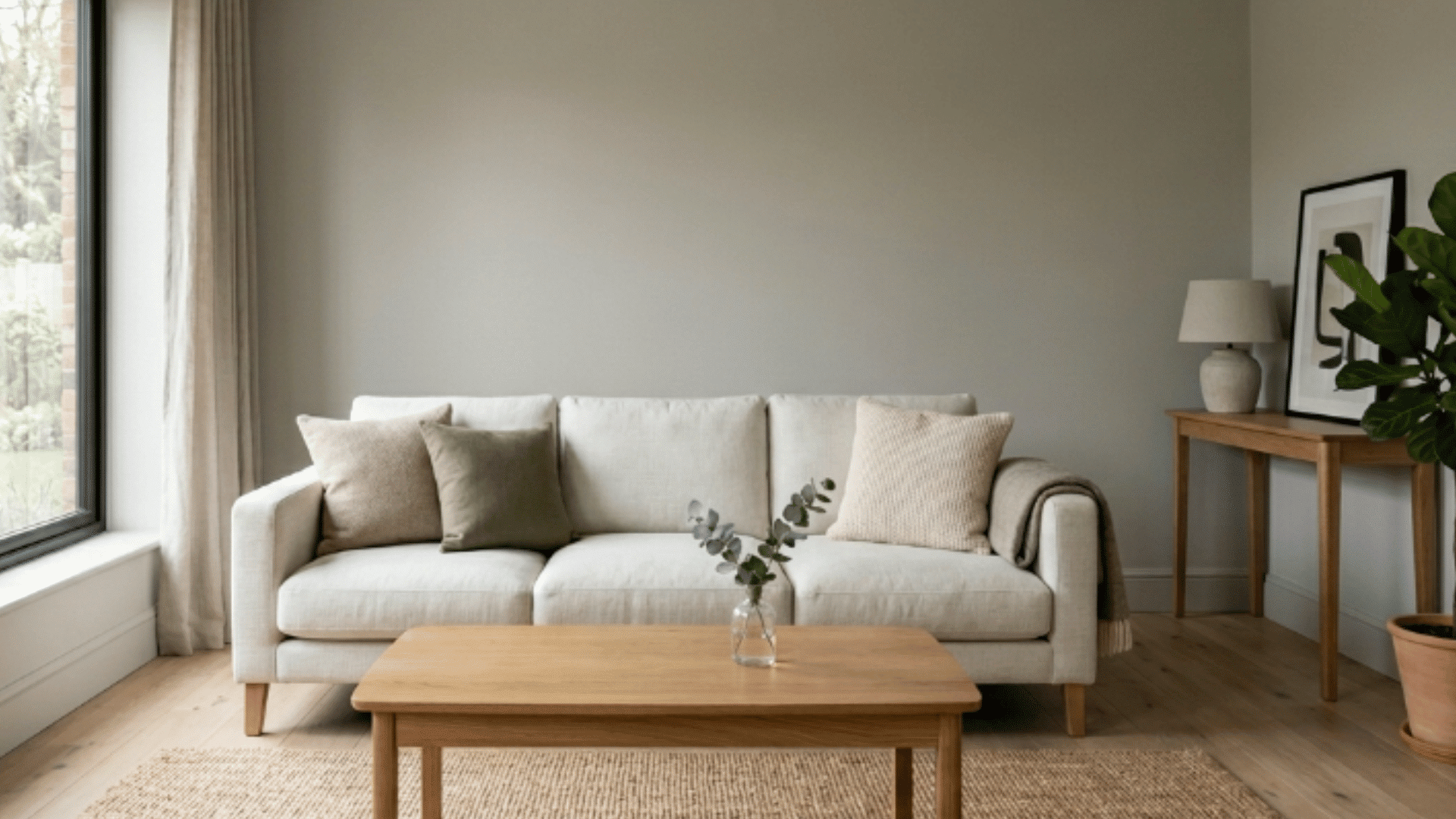
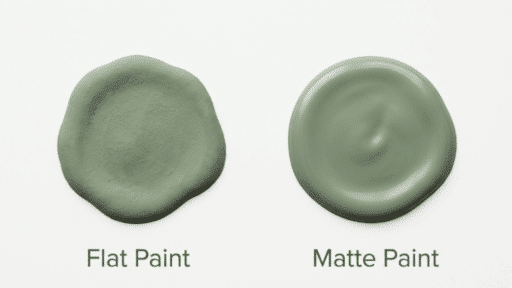
This finish has almost no shine, giving walls a soft, smooth look. It absorbs light instead of reflecting it, helping create an even surface that feels calm and less harsh on the eyes.
Best For
- Ceilings: Works well because it reduces light reflection, prevents glare from overhead lighting, and helps keep attention in the room rather than on the ceiling.
- Living rooms: Create a soft, calm feel, making the space feel welcoming and balanced while avoiding shine that can feel too bright or distracting.
- Low-traffic areas: Ideal for spaces where walls are rarely touched, as it helps maintain a clean look without needing frequent cleaning or maintenance.
Pros and Cons
A quick overview of the main benefits and drawbacks of this finish to help you understand where it works best.
| Pros | Cons |
|---|---|
| Hides wall flaws | Hard to clean |
| No glare | Low durability |
| Smooth look | Not moisture-safe |
| Good for large walls | Stains easily |
2. Eggshell Finish
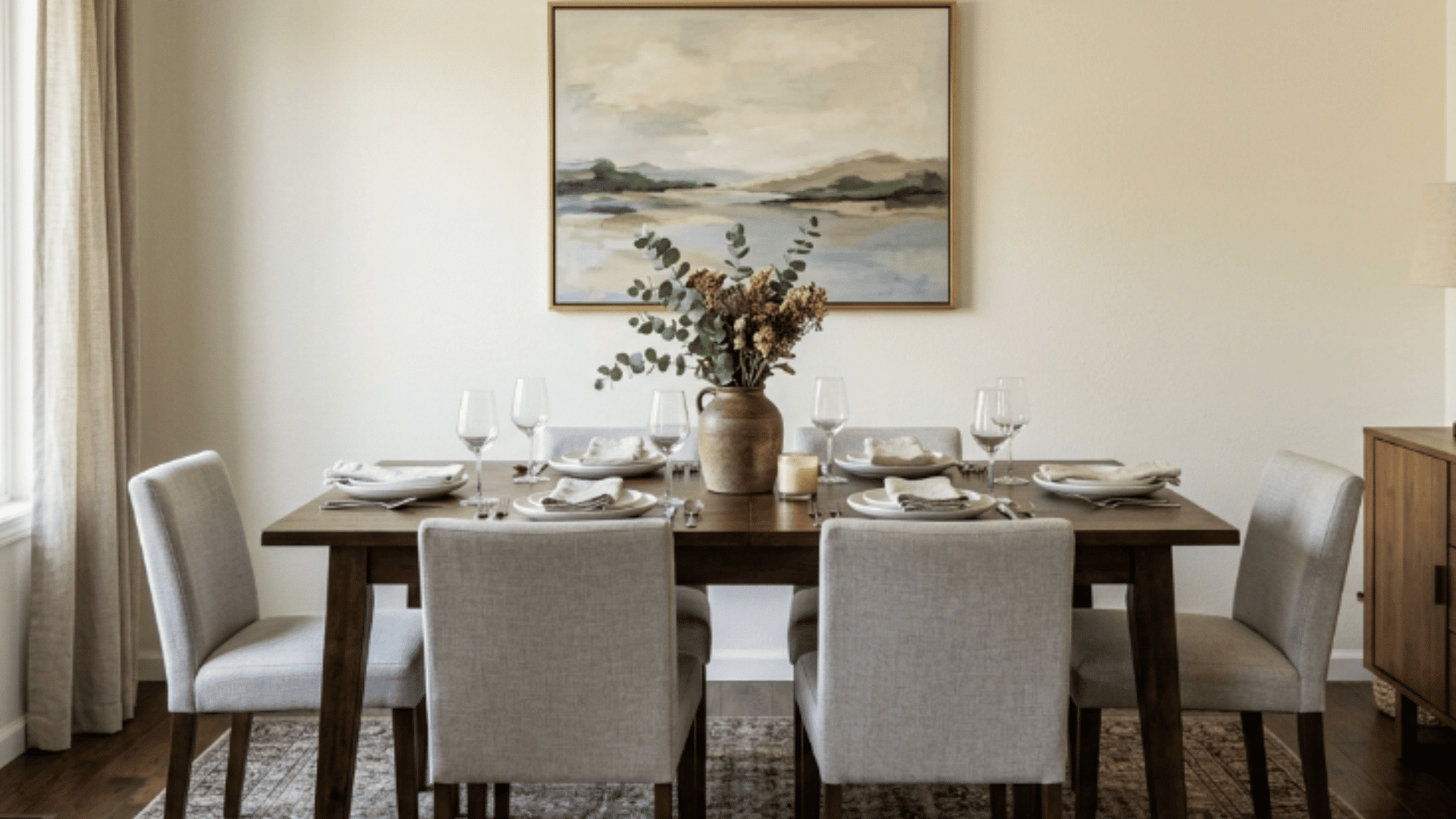
This finish has a soft, low sheen that adds a slight glow to walls without making them look shiny. It reflects a small amount of light, creating a smooth appearance while keeping the overall look subtle and easy on the eyes.
Best For
- Living rooms: Works well in shared spaces where walls need a balance of style and durability while still maintaining a clean, comfortable look.
- Dining areas: A good choice for regularly used spaces, as it offers a neat finish that withstands light cleaning without losing its smooth appearance.
Pros and Cons
A quick comparison to understand where this finish works well and where it may fall short.
| Pros | Cons |
|---|---|
| Soft low sheen | Not ideal for scrubbing |
| Moderate durability | Can show imperfections |
| Easy light cleaning | Not for high moisture areas |
| Smooth wall finish | Less durable than higher sheen paints |
3. Satin Finish
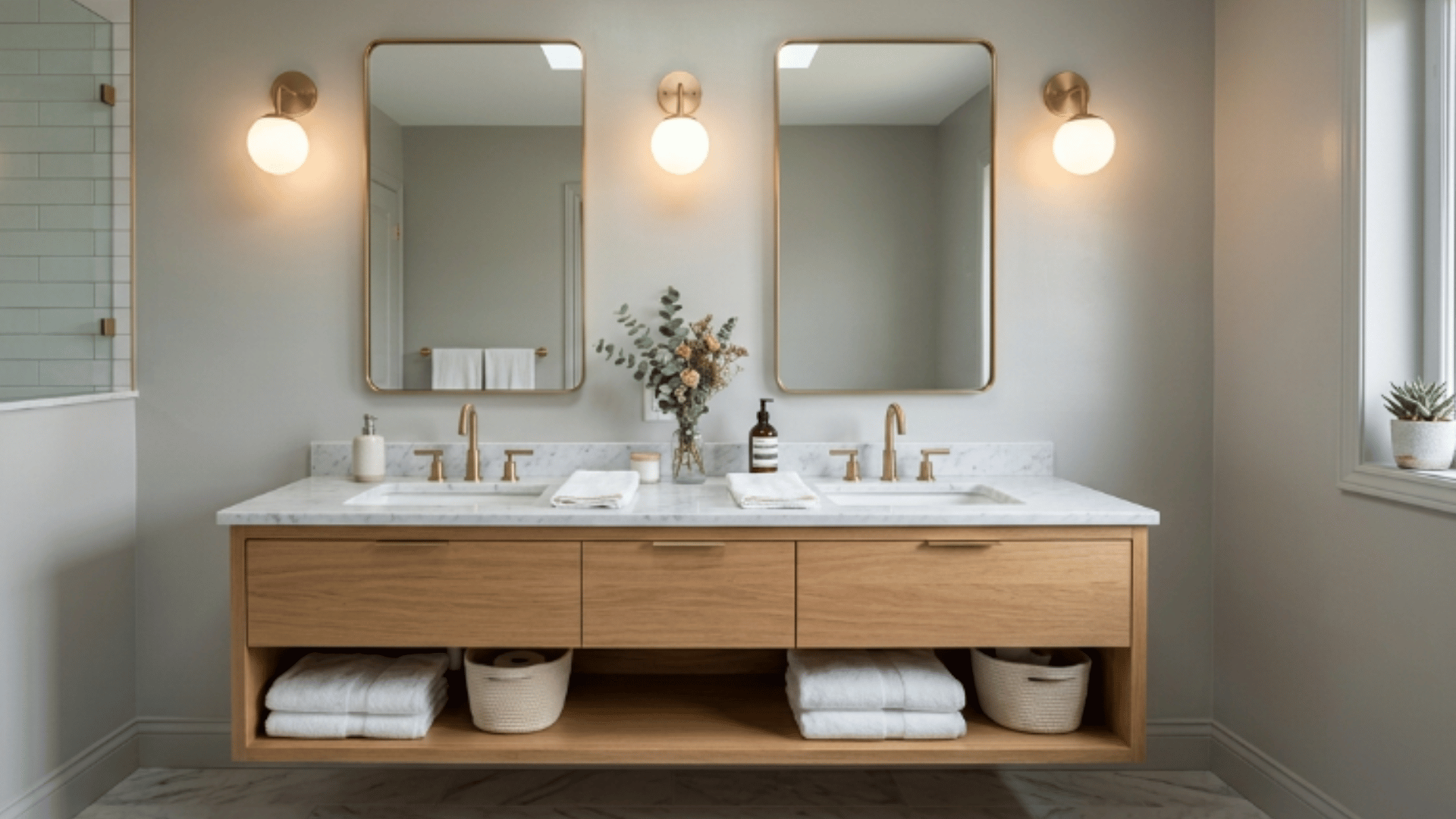
This finish has a soft shine and a smooth feel, giving walls a slightly polished look without being too reflective. It reflects moderate light, helping brighten the space while still keeping the surface easy to maintain and practical for daily use.
Best For
- Kitchens: Works well in cooking areas where walls need regular cleaning, as it handles grease, stains, and frequent wiping without losing its finish.
- Bathrooms: A good choice for spaces with moisture, as it holds up better against humidity while maintaining a clean and smooth surface.
- Hallways: Ideal for high-traffic areas where walls are frequently touched, as it offers durability and makes it easy to clean marks and scuffs.
Pros and Cons
A quick comparison to understand where this finish works best and where it may have limits.
| Pros | Cons |
|---|---|
| Easy to clean | Shows wall flaws |
| Good durability | Needs a smooth surface |
| Handles moisture | It can look patchy if not applied well |
| Works in busy areas | Slight shine may not suit all rooms |
4. Semi-Gloss Finish
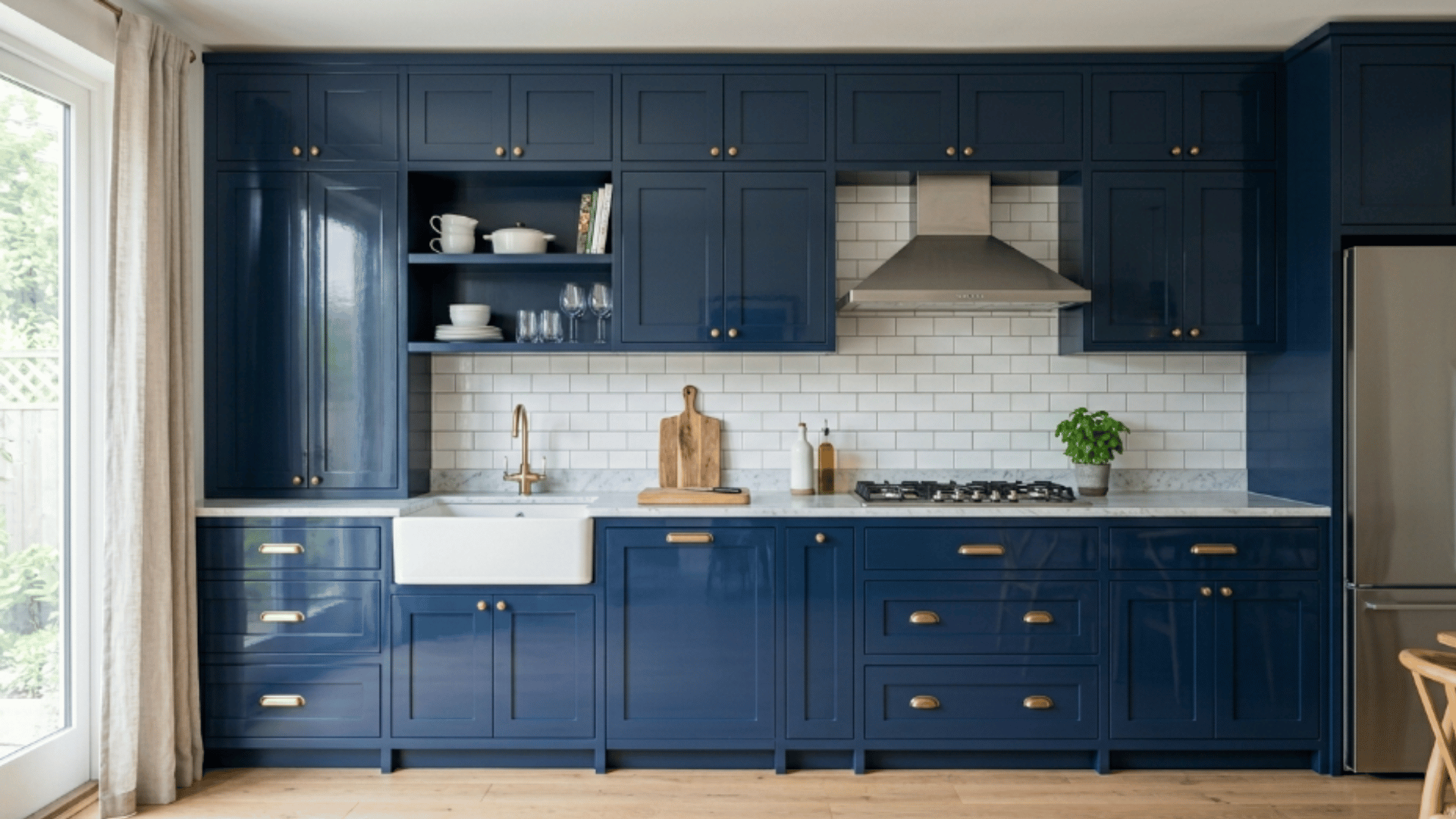
This finish has a noticeable shine that reflects light more than softer finishes, giving surfaces a clean and slightly polished look. It creates a smooth surface that stands up to daily use while remaining easy to maintain.
Best For
- Trim: Works well for edges and borders, helping them stand out while making cleaning simple and quick.
- Doors: A strong choice for doors that are used often, as it resists marks and allows easy wiping of fingerprints and dirt.
- Cabinets: Ideal for cabinets in kitchens or bathrooms, as they handle moisture and frequent cleaning without wearing down quickly.
Pros and Cons
A quick comparison to understand where this finish works best and where it may have limits.
| Pros | Cons |
|---|---|
| Very durable | Shows imperfections |
| Easy to clean | Needs a smooth surface |
| Moisture-resistant | Can look too shiny |
| Good for high-use areas | Highlights uneven spots |
5. High-Gloss Finish
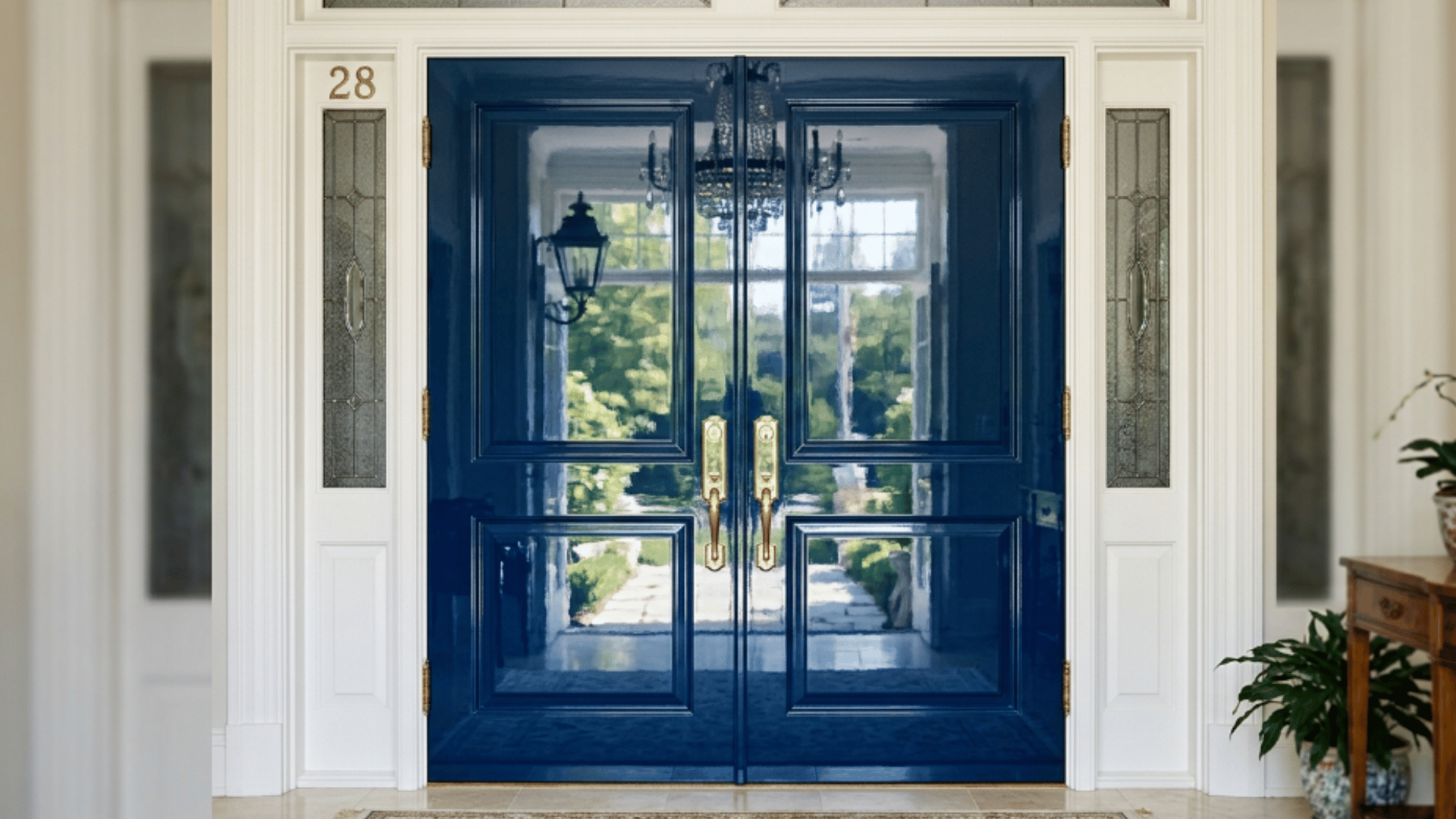
This finish has a highly reflective surface that creates a bold, polished look. It reflects a high amount of light, making colors appear brighter and giving surfaces a smooth, noticeable finish.
Best For
- Furniture: Works well on pieces that need a strong, smooth surface, adding a clean and bright finish that is easy to wipe and maintain.
- Accents: Ideal for small areas that need to stand out, as the shine helps draw attention without covering large wall spaces.
- Doors: A good choice for doors that are used often, as it provides a tough surface that handles frequent cleaning and daily use.
Pros and Cons
A simple breakdown of the key advantages and limitations of this finish to help you decide where it fits best.
| Pros | Cons |
|---|---|
| Very durable | Shows all imperfections |
| Easy to clean | Requires a smooth surface |
| Bright, reflective look | Can feel too shiny |
| Strong surface finish | Needs careful application |
How to Choose the Right Paint Finish
Picking the right paint finish depends on how the space is used, how often it needs cleaning, and the condition of the walls before painting.
| Factor | What It Means | Best Finish Type | Why It Matters |
|---|---|---|---|
| Room Type | Level of use and traffic in the space | Low-traffic: matte/eggshell, High-traffic: satin/semi-gloss | Ensures durability where needed and softness where possible |
| Wall Condition | Smoothness or imperfections on the wall surface | Imperfect walls: matte/low-sheen, Smooth walls: higher-sheen | Helps hide flaws or enhance a polished look |
| Cleaning Needs | How often does the surface need to be cleaned or wiped | High-clean areas: satin/semi-gloss, Low-use areas: matte | Makes maintenance easier and preserves finish quality |
Common Mistakes when Choosing Paint Finish
Choosing the wrong paint finish can affect both appearance and durability, leading to issues that are hard to fix later.
- Ignoring wall imperfections, which can make dents, cracks, and uneven surfaces more visible after painting
- Using gloss on large wall areas can create too much shine and highlight flaws across the entire surface
- Choosing matte for high-traffic zones, where walls are touched often and require frequent cleaning
- Not testing finishes under lighting, which can change how the paint looks in natural and artificial light
Conclusion
A well-chosen paint finish can quietly improve how a space feels and functions without drawing too much attention. Even small choices, like adjusting the finish for a specific room, can make a noticeable difference over time.
Instead of rushing the decision, take a moment to match the finish with how each space is used. Testing a sample can also give a clearer idea before committing to the full project.
If you’re planning your next painting project, use these paint finish types as a quick reference to make a more confident, practical choice.

Millie Anderson, a graduate of Textile Design from the Fashion Institute of Technology, has carved her name in fabric and material finishes for over 16 years. Her career took flight in a renowned textile manufacturing company, where she mastered combining textures and patterns. Millie joined our team in 2018, becoming a cornerstone for readers interested in the latest trends in textiles. Since then, she has been the lead editor for our home decor fabrics section, blending her deep knowledge of materials with a flair for contemporary design. Beyond her professional achievements, Millie is an enthusiastic quilter and often participates in community arts and crafts workshops, further nurturing her passion for fabrics and design.