
Knowing when to transplant
Many gardeners struggle with this decision, move them too soon, and the cold sets them back. Wait too long, and the roots get cramped inside the pot.
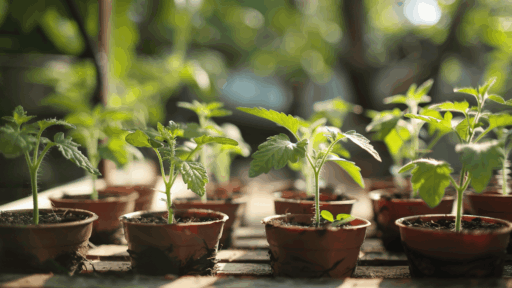
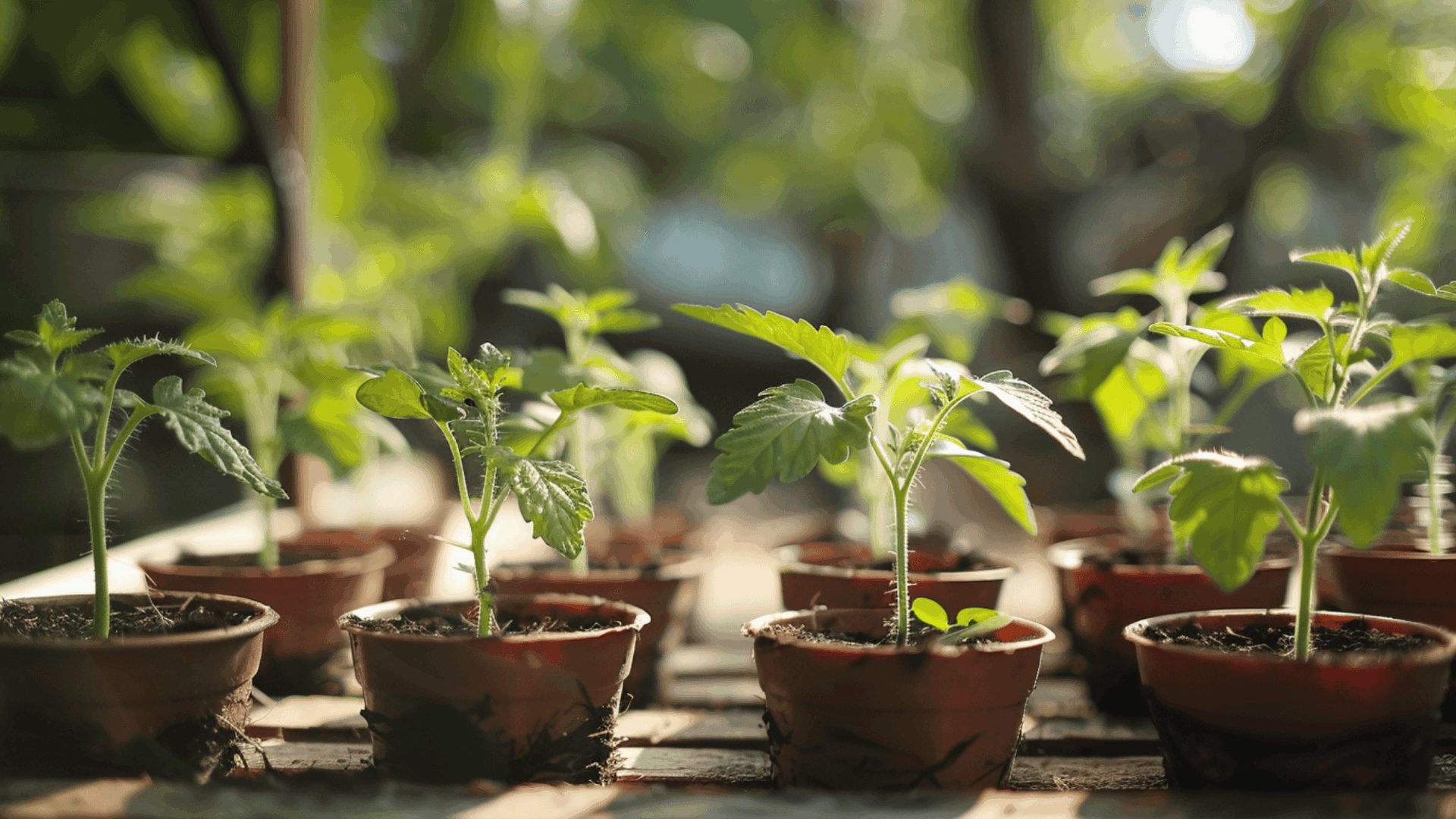
The best part is, there are clear signs to watch for. When seedlings are 4–6 weeks old, carry 2–3 true leaves, and soil temperatures sit around 60°F, they are ready to move outdoors.
Understanding the right timing helps gardeners grow stronger plants, achieve better yields, and experience fewer setbacks all season long.
The Best Time to Transplant Tomato Seedlings (And Why It Matters)
Timing is crucial for tomato seedlings because it directly affects their growth, strength, and overall health. \Planting at the right time helps seedlings develop strong roots and adapt quickly to their new environment.
The ideal timing for transplanting is usually when they are 4–6 weeks old and have at least 2–3 true leaves. It is also important to wait until the soil temperature reaches about 15°C (60°F) and there is no risk of frost.
If transplanted too early, plants may struggle in cold conditions, while late planting can slow growth. Choosing the correct timing ensures better survival, faster growth, and higher yields.
How to Transplant Tomato Seedlings for Healthy Growth?
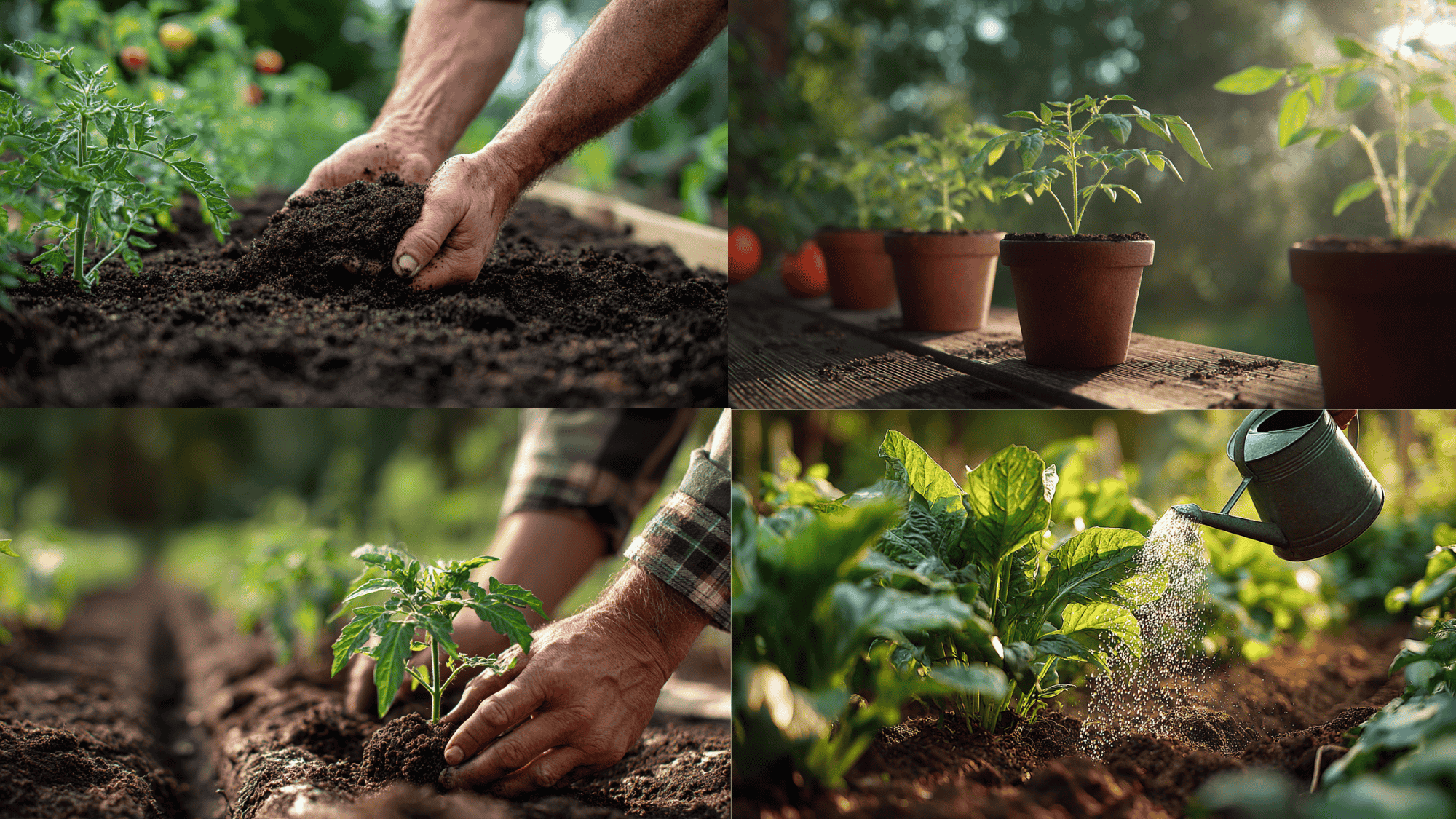
Transplanting tomato seedlings the right way helps them establish strong roots and grow into healthy, productive plants.
1. Preparing the Soil
Nutrient-rich, well-draining soil is essential for healthy plant growth and strong root development. It provides the necessary minerals and organic matter that tomato plants need to thrive.
Good drainage prevents water from accumulating around the roots, reducing the risk of root rot and disease. By maintaining the right balance of nutrients and moisture, plants can grow faster and yield better.
2. Hardening Off Process
Gradual exposure to outdoor conditions helps tomato seedlings adjust to changes in temperature, sunlight, and wind.
This process, known as hardening off, reduces transplant shock and strengthens the plants. By slowly increasing their time outside each day, seedlings become more resilient and better prepared for garden growth.
3. Transplanting Technique
Planting at a deeper level helps promote a stronger and more extensive root system, as roots can develop along the buried portion of the stem.
Adequate spacing between plants allows for proper airflow, sufficient sunlight exposure, and better nutrient uptake.
These factors work together to support healthier growth and improve overall plant productivity. Proper planting techniques also reduce the risk of disease and overcrowding.
4. Watering After Transplant
Keeping soil moist but not waterlogged is crucial for helping young plants establish strong roots after transplanting.
Consistent moisture supports growth, while excess water can lead to root rot and other diseases. Water gently and regularly, allowing the topsoil to dry slightly between watering sessions.
Techniques for Healthy Tomato Seedlings Growth
Use the right techniques to support strong and steady tomato seedling growth for better results.
1. Deep Planting Method
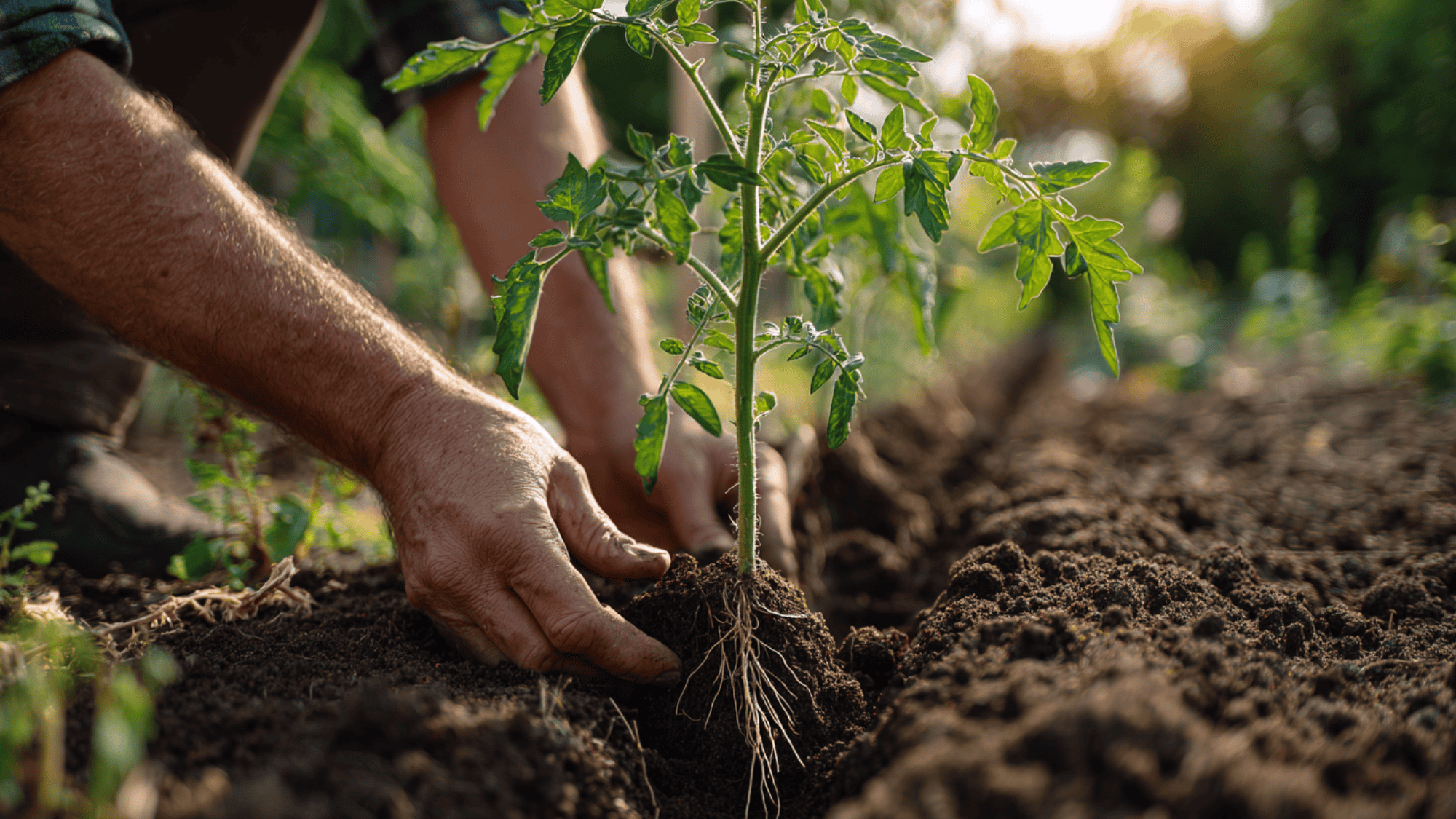
The deep planting method involves placing part of the tomato stem beneath the soil surface to promote better growth.
This technique encourages new roots to form along the buried stem, strengthening the plant from the base.
As a result, young plants develop a more robust root system and improved stability. This method also helps the plant absorb nutrients and water more efficiently.
2. Mulching for Moisture Retention
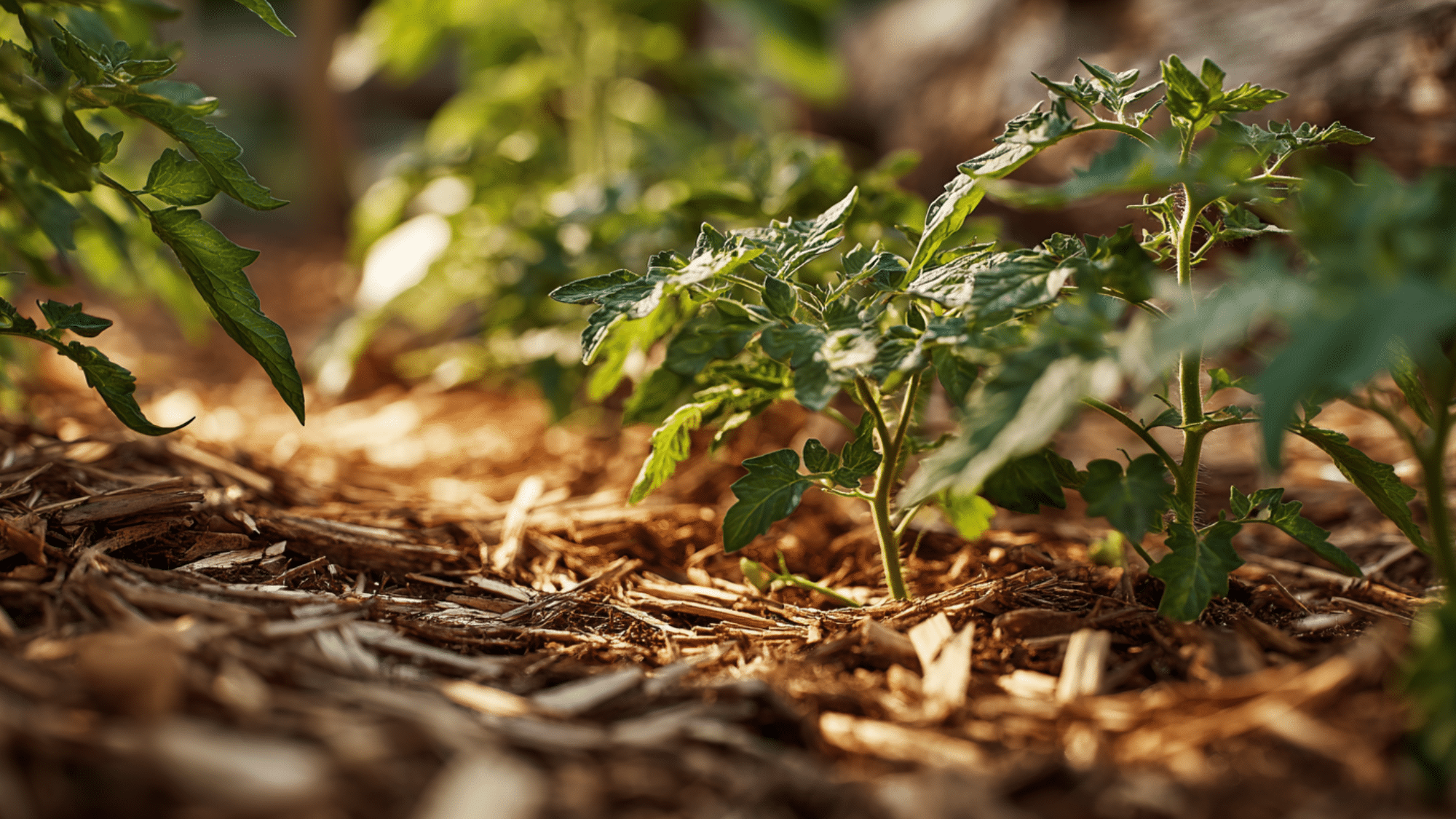
Mulching helps retain moisture in the soil, keeping it consistently damp for tomato seedlings. It reduces water evaporation, especially during warm weather.
Mulch also helps regulate soil temperature and suppress weeds. This creates a more stable and healthy growing environment for the plants.
3. Staking and Support Systems
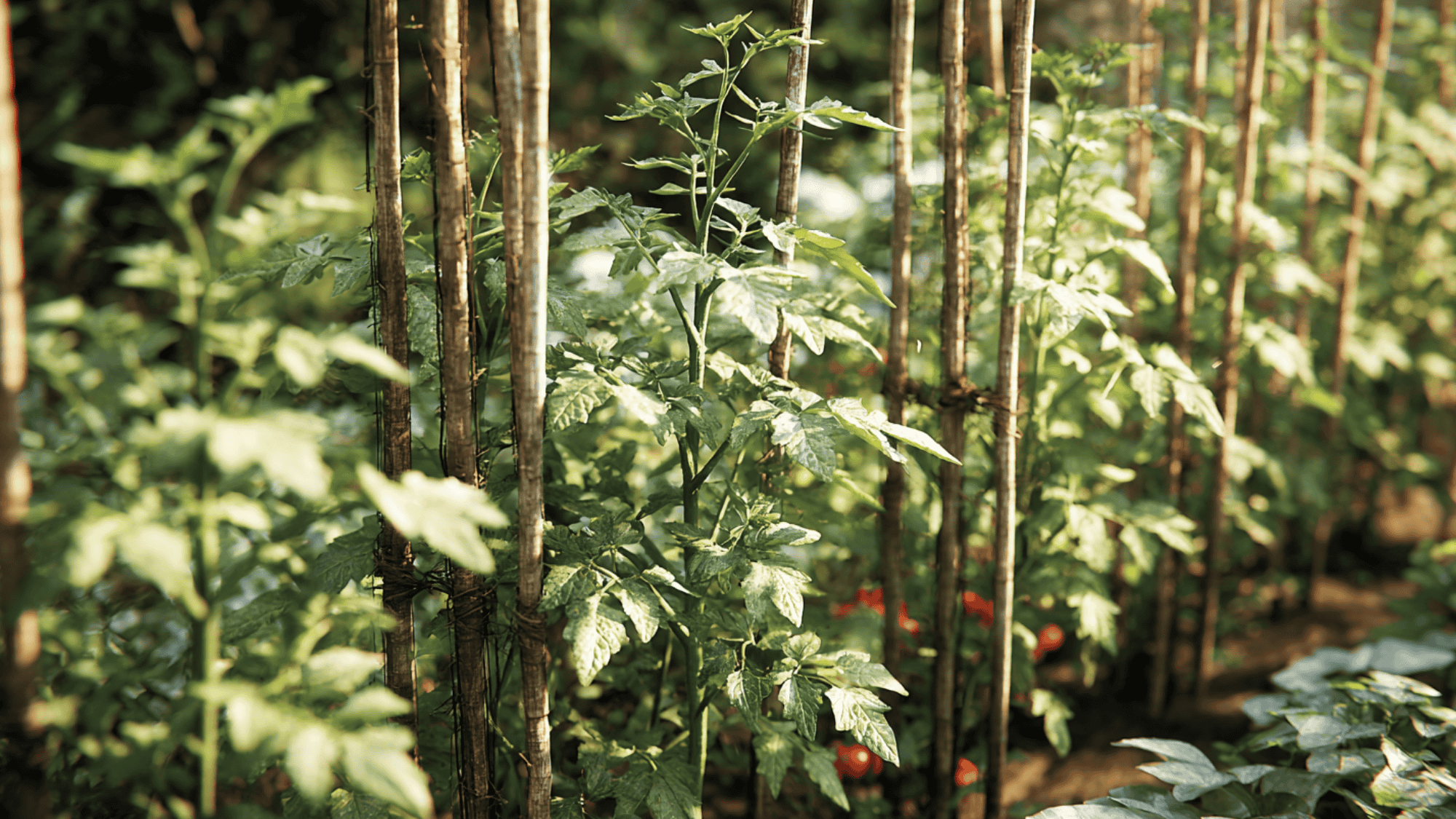
Using the right techniques after transplanting tomato plants helps ensure better growth and survival. Proper watering, mulching, and spacing support healthy development.
These practices improve outcomes and help tomato plants thrive in their new environment.
4. Proper Spacing for Airflow and Growth
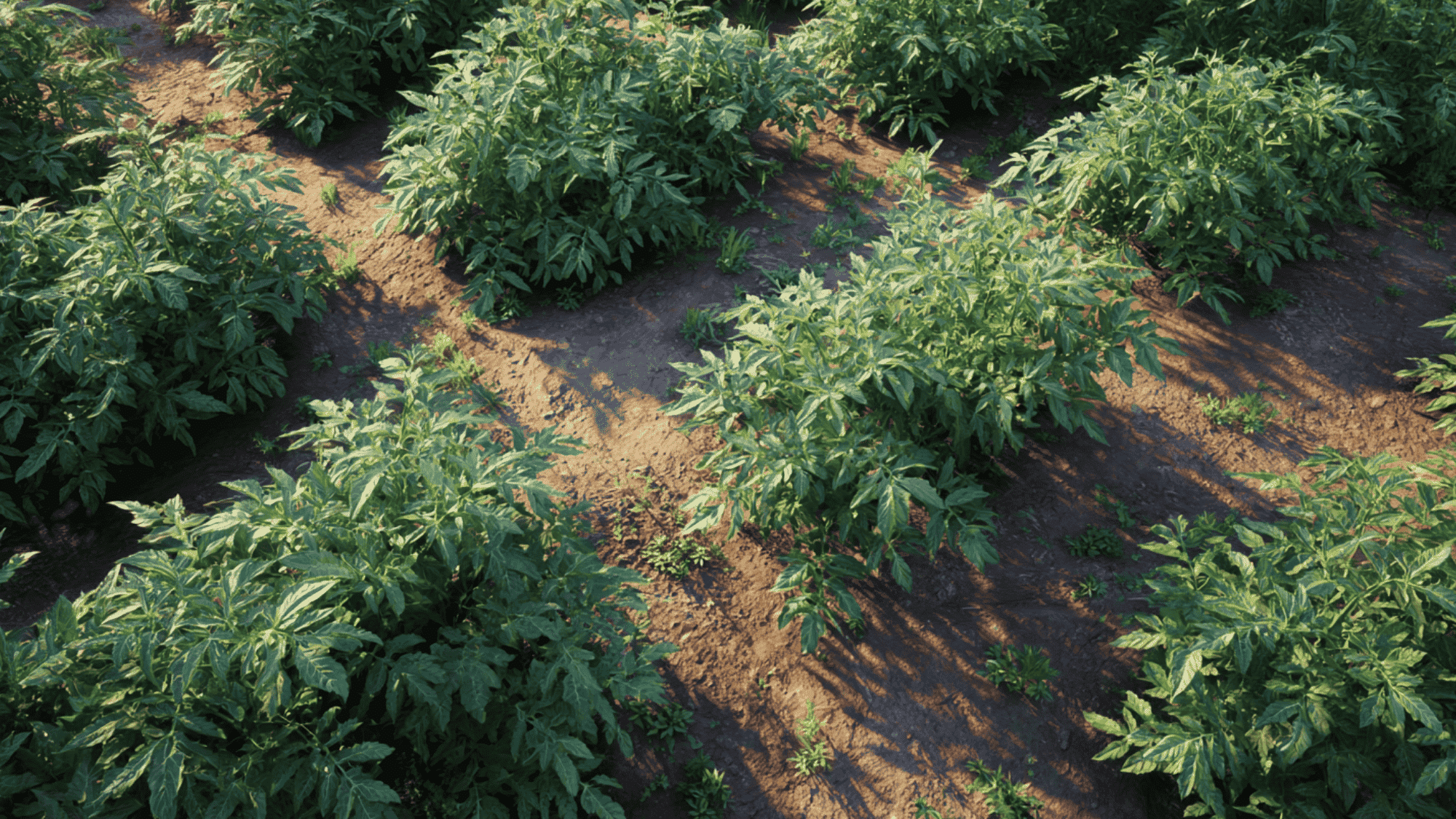
Spacing plants 18–24 inches apart allows each plant enough room to grow properly. This prevents overcrowding, which can lead to poor air circulation and increased disease risk.
Adequate spacing also ensures better sunlight exposure and efficient nutrient absorption, helping plants grow stronger and produce higher yields.
5. Pruning for Better Airflow and Yield
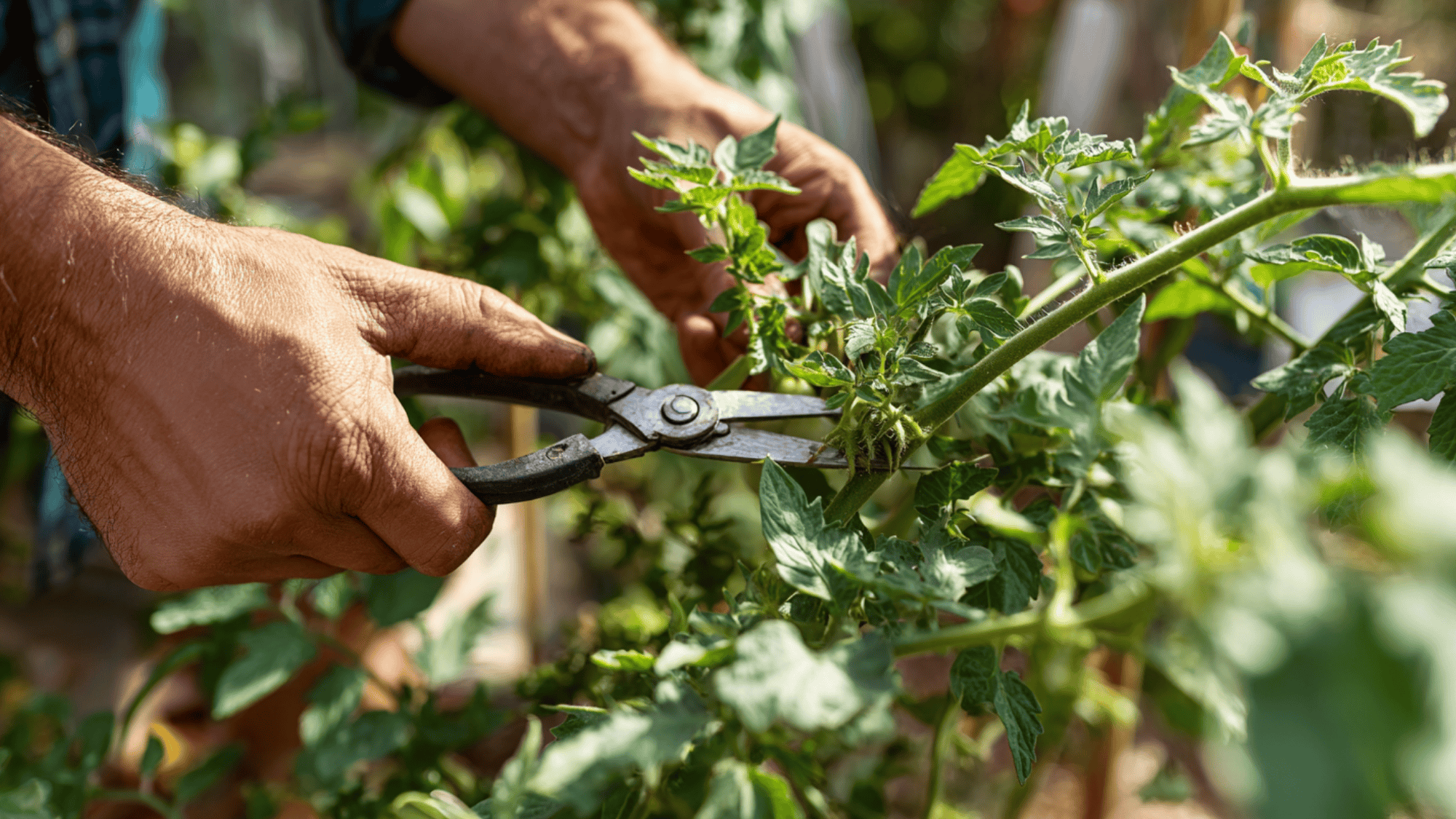
Removing lower leaves and suckers helps the plant focus its energy on producing healthy fruit rather than on excess foliage.
This practice improves airflow around the plant, which reduces moisture buildup. Better air circulation lowers the risk of fungal diseases and keeps the plant healthier, leading to improved growth and higher fruit yield.
Practical Tips for Successful Tomato Seedling Transplanting
Follow these practical tips to ensure healthy growth and a smooth transition for your tomato seedlings.
- Choose a cloudy day or transplant in the evening to reduce stress on plants
- Water seedlings well before and immediately after transplanting
- Handle plants gently by the leaves to avoid damaging delicate stems
- Space plants properly to ensure good airflow and healthy growth
- Add mulch around the base to retain moisture and regulate soil temperature
Wrapping It Up
Getting the timing right makes all the difference, and transplanting tomato seedlings doesn’t have to be complicated. Harden them off properly, plant deep, and give those roots the best possible start in the ground.
A few final tips worth keeping in mind are to water consistently, mulch around the base, and hold off on heavy fertilizer early on. Let the plants settle before you push growth.
Once your tomato seedlings are in, stay observant. Check the leaves, track the progress, and adjust your care as the season moves along. Plants give you signals; you just have to notice them.

With a Master’s in Landscape Architecture from the University of Virginia, Sophia Stephenson has dedicated the last 20 years to creating and maintaining vibrant outdoor spaces. Her professional journey started in landscape design, where she gained a reputation for innovative and sustainable approaches. Sophia became a part of our editorial team as a freelancer in 2019, offering a fresh perspective on outdoor living. Since 2020, she has been the chief for our outdoor design content, blending aesthetic appeal with environmental stewardship. In her leisure time, Sophia is a keen photographer, capturing the beauty of natural landscapes, a hobby that complements her professional expertise.