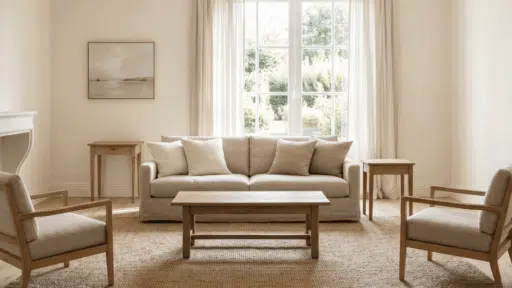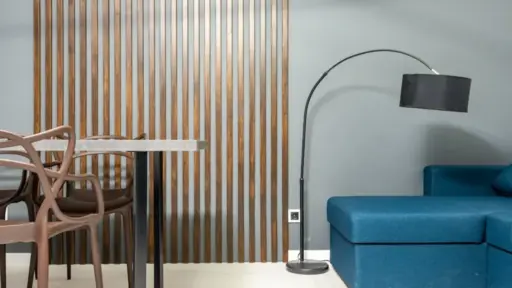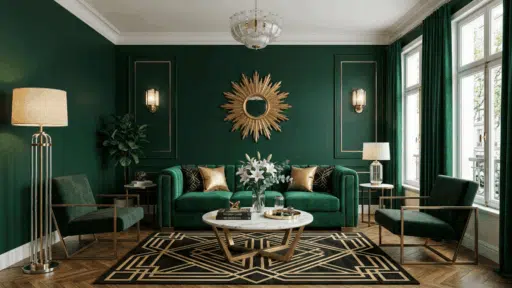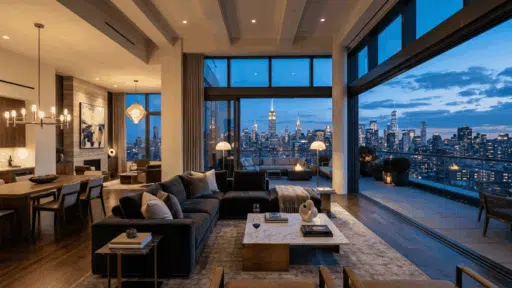
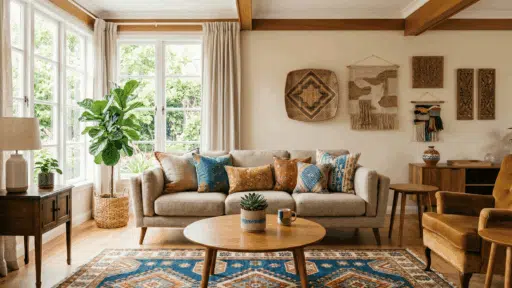
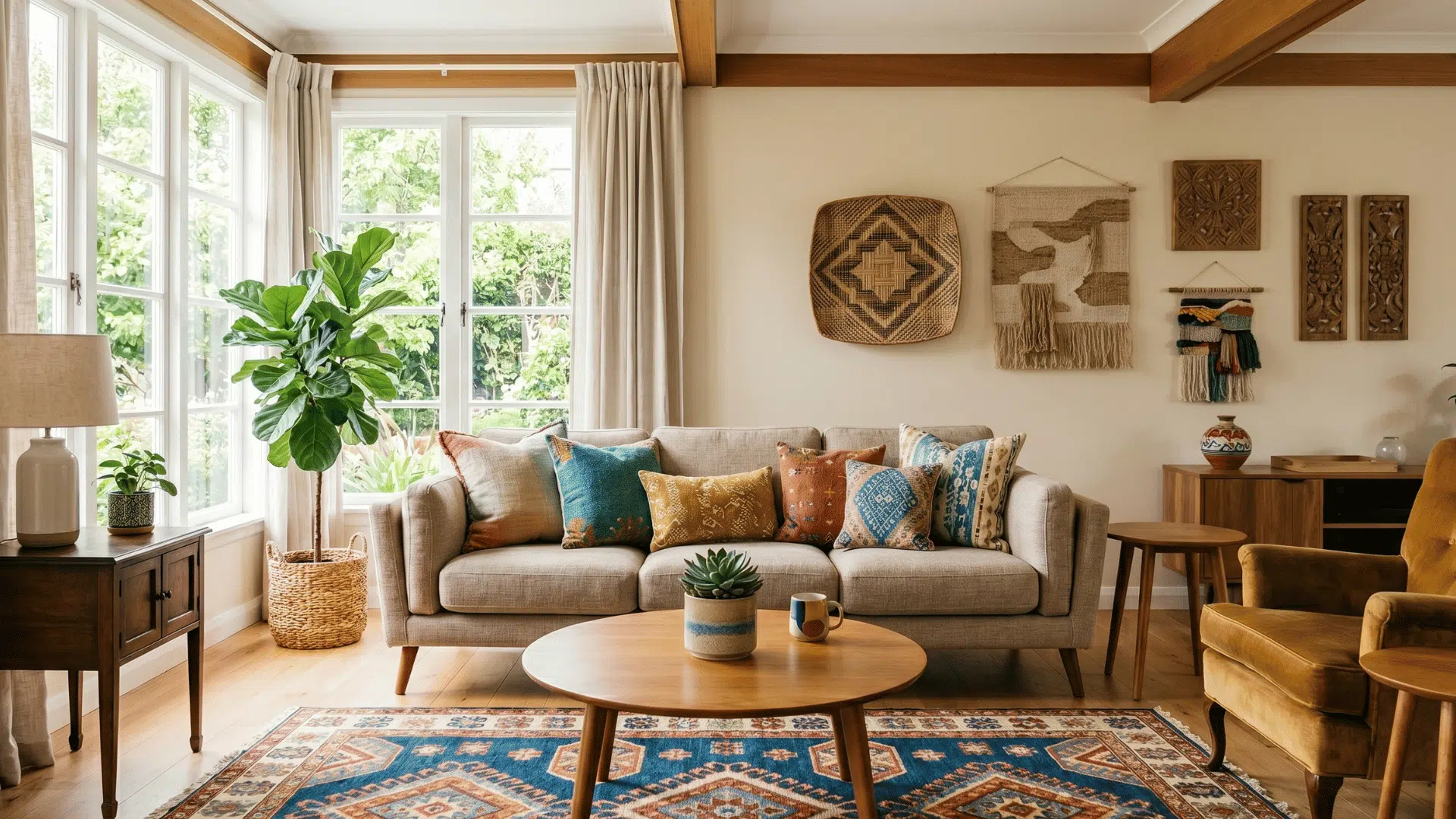

Some of the most interesting living rooms are the ones that follow no single rule and feel completely personal from the moment you walk in.
An eclectic living room is a space where different styles, textures, eras, and colors come together under one roof without any single design direction taking over.
This blog is a good starting point for anyone looking to build a living room that feels personal, considered, and full of life.
What Makes an Eclectic Living Room Style Unique?
Most interior styles follow a clear set of rules; eclectic design does the opposite by treating those rules as optional.
What separates an eclectic living room from a simply mismatched one is the presence of deliberate choices rather than random combinations.
A vintage wooden side table can sit beside a modern sofa, and a bold patterned rug can anchor a room full of neutral walls; no two pieces need to share the same origin or era.
The style works because it prioritizes visual balance over uniformity, using color, scale, and repetition to hold contrasting elements together in a way that feels cohesive rather than accidental.
Eclectic Living Room Ideas Worth Trying
These ideas span styles, layouts, and approaches, making it easy to find a starting point for any eclectic living room, regardless of size or budget.
1. Floor-to-Ceiling Gallery Wall with Mixed Frames
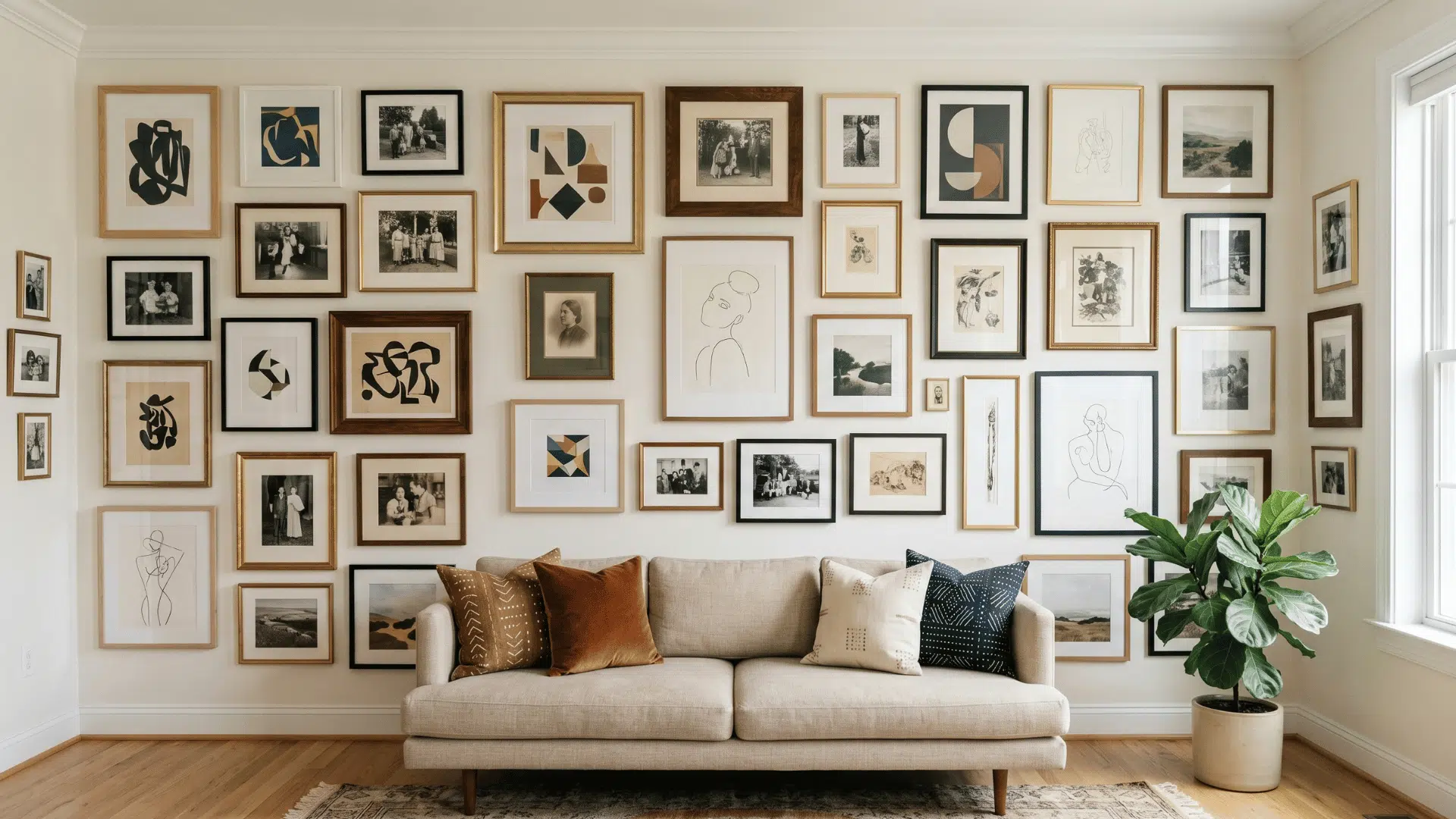
A full wall covered in art, with different frame styles, sizes, and layouts, turns a plain surface into the most personal and visually rich part of the room.
- Color Scheme: Use a warm neutral wall color like cream or soft white so every frame and artwork reads clearly against a calm background.
- Furniture Arrangement: Keep the furniture beneath the gallery wall simple and low so the wall display carries the full visual weight of that side of the room.
- Decor Style: Mix photography, illustration, painted art, and personal prints to keep the collection feeling genuine and collected over time.
2. Layered Rugs with Different Patterns
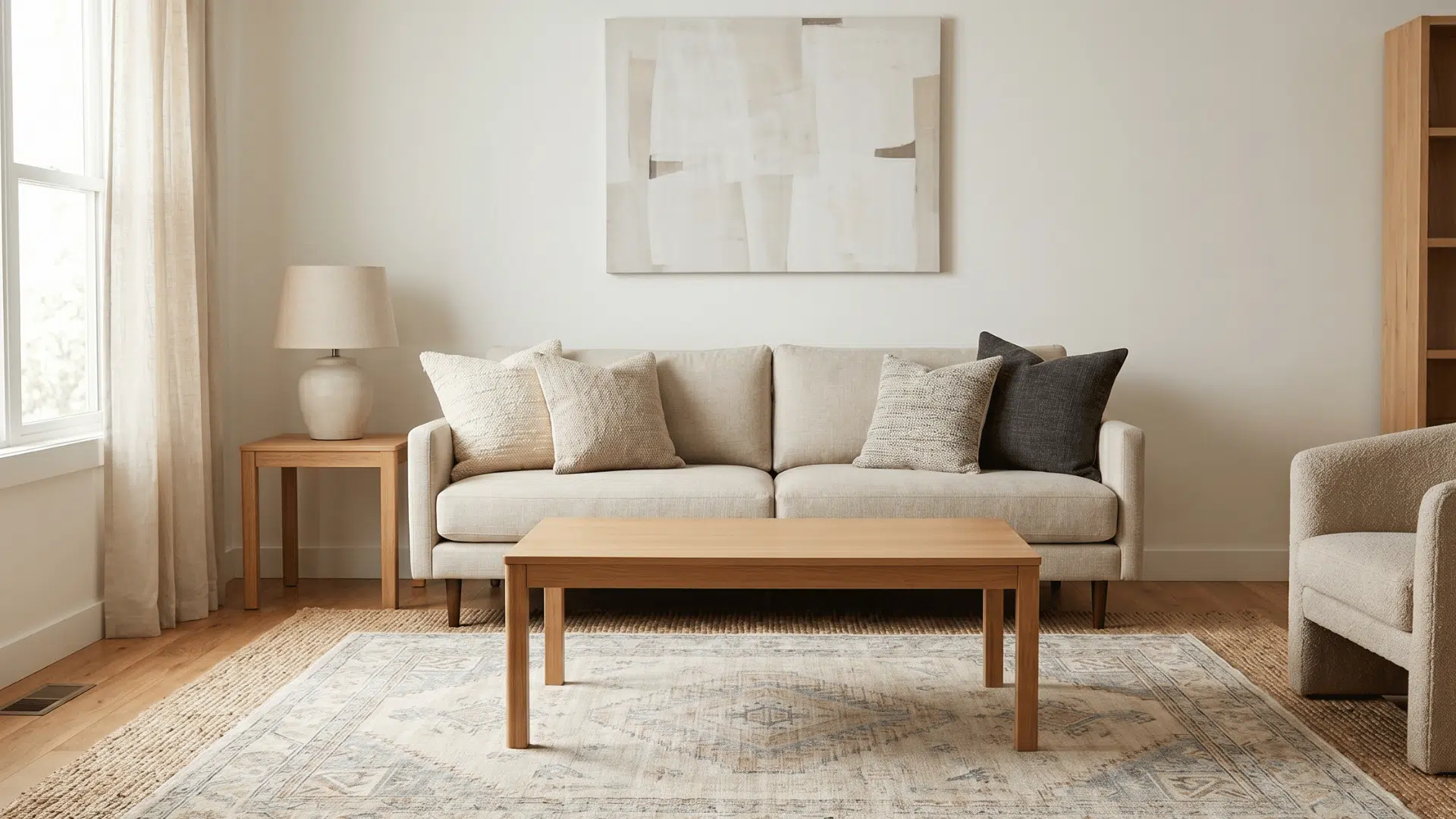
Stacking rugs with contrasting prints adds depth and visual interest to the floor that a single rug cannot achieve on its own.
- Color Scheme: Pull at least one color from the rug pattern and repeat it somewhere in the room through cushions or throws for cohesion.
- Furniture Arrangement: Keep the surrounding furniture in solid neutral tones so the layered rugs remain the decorative focus of the floor area.
- Decor Style: Choose a geometric print for one rug and a floral or stripe for the other to create genuine pattern contrast beneath the seating zone.
3. Bold Color Sofa as the Main Focal Point
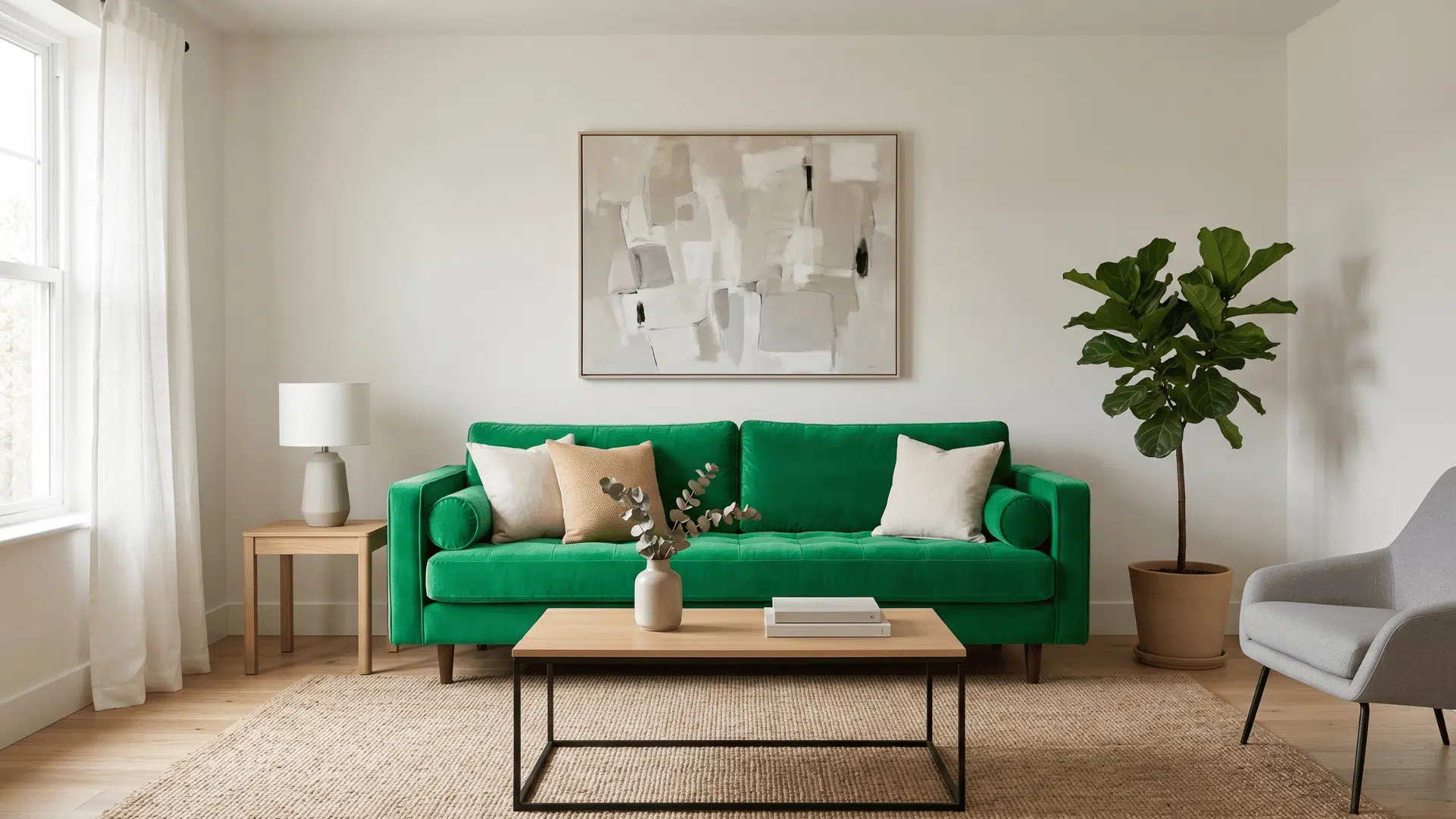
A bright sofa used as the anchor of the room sets the entire color direction of the space without needing any other large decorative investment.
- Color Scheme: Choose a sofa in a deep jewel tone like emerald, cobalt, mustard, or burnt orange, and keep walls in plain white or warm cream so the color reads clearly.
- Furniture Arrangement: Place a natural fiber rug beneath the sofa to ground the bold color and keep all other large furniture pieces in neutral or wood tones.
- Decor Style: Add cushions in two or three tones already present in the sofa color to build a cohesive palette outward in this colorful living room.
4. Industrial Brick Wall
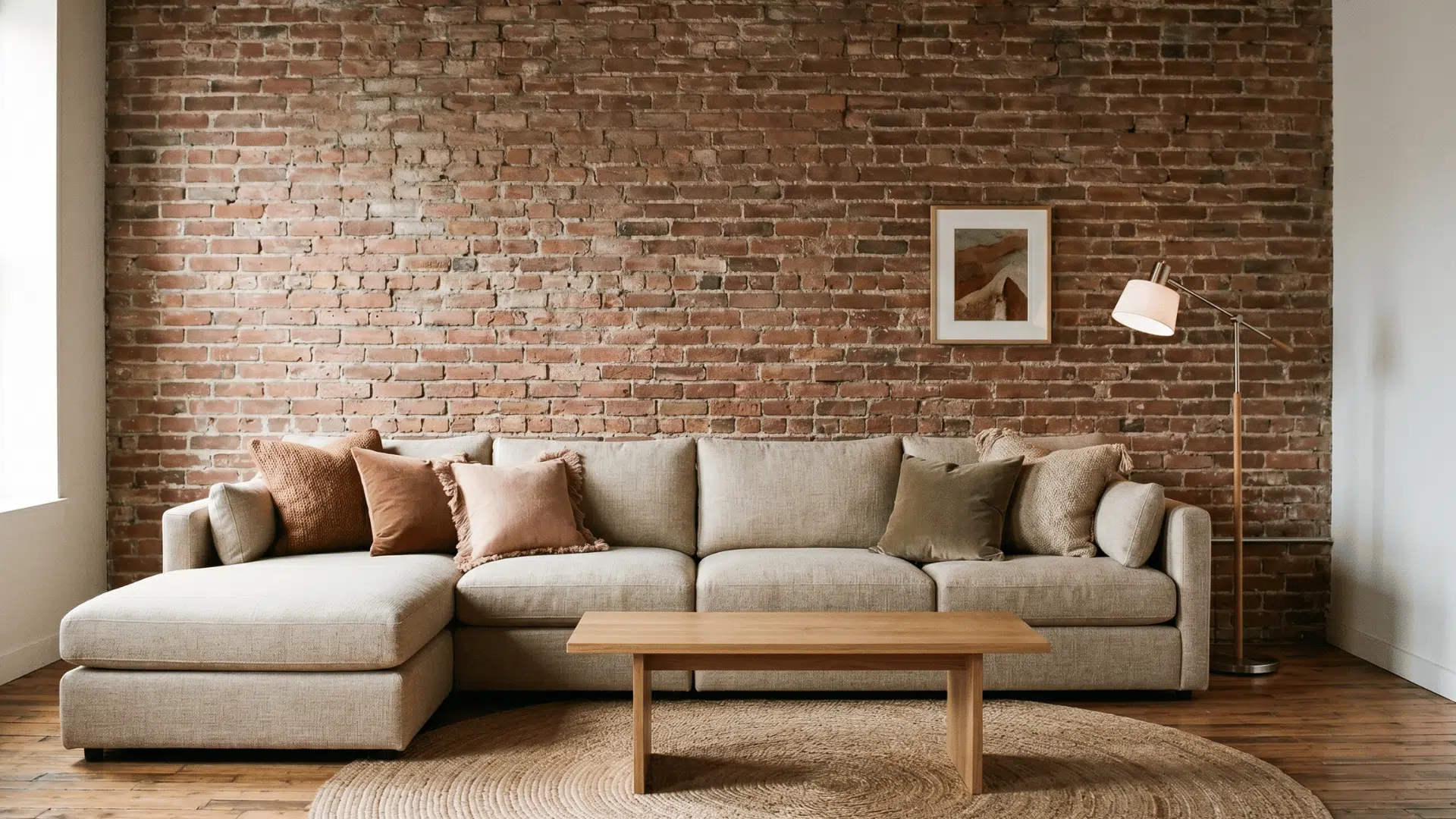
Pairing a raw exposed brick wall with soft fabrics like cushions, throws, and curtains creates a contrast that gives the room both edge and warmth at the same time.
- Color Scheme: Use warm-toned cushions in terracotta, cream, or rust to complement the natural red and orange undertones already present in the brick.
- Furniture Arrangement: Place a velvet or linen sofa in front of the brick wall so the contrast between hard and soft materials reads clearly in a single view.
- Decor Style: Hang a small wall hanging directly on the brick to bridge the gap between rough texture and soft fabric in the room.
5. Global-Inspired Decor from Different Cultures
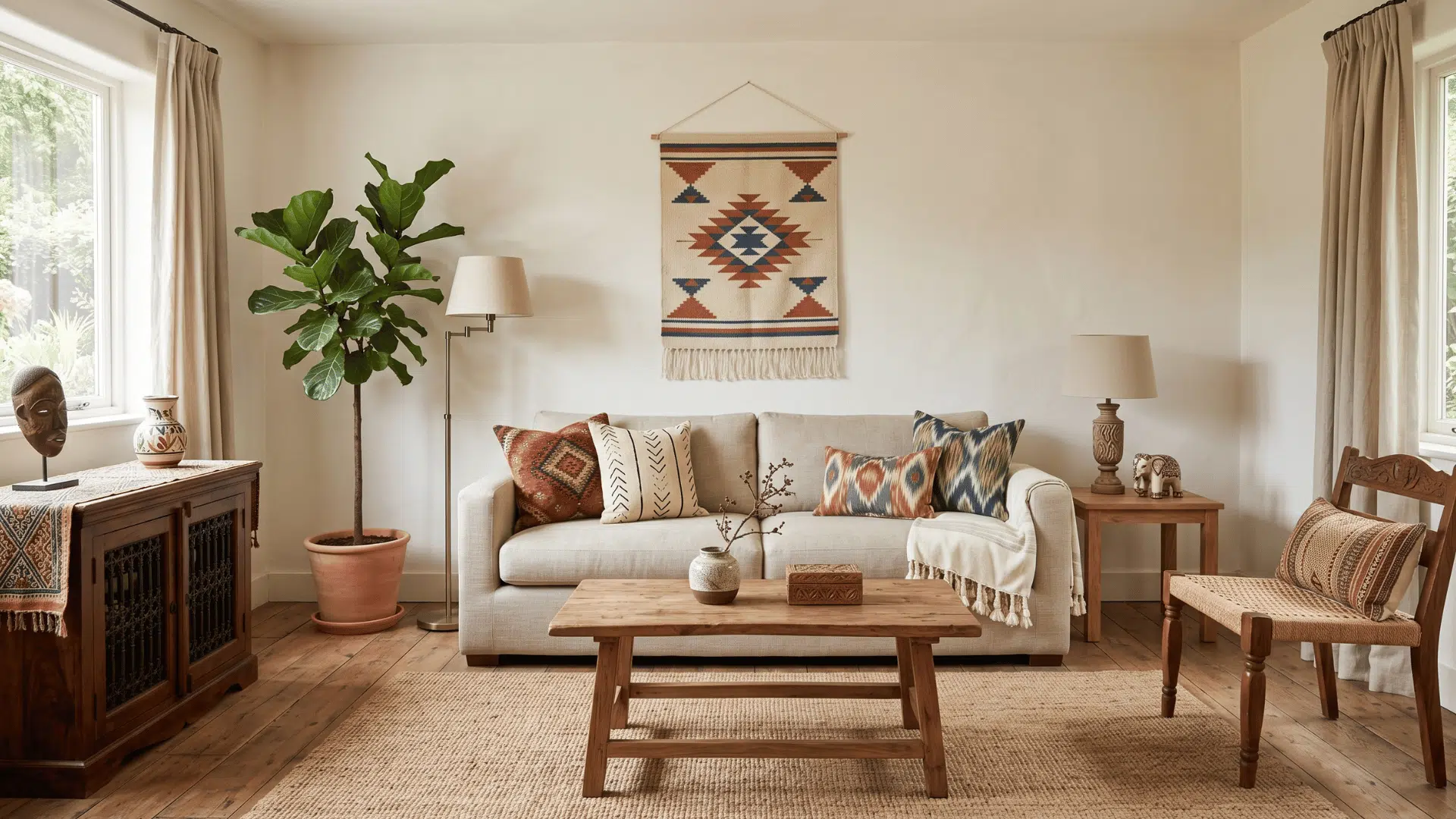
Mixing items from different regions, such as woven pieces, hand-carved objects, and printed textiles, gives the room a collected and well-traveled character.
- Color Scheme: Use an earthy color palette across the global pieces, such as terracotta, indigo, ochre, and natural tones, to keep the mix cohesive throughout.
- Furniture Arrangement: Ground the global pieces with simple wooden furniture and a plain rug so the individual items have enough visual space to stand out.
- Decor Style: Mix a Moroccan pouf, an Indian block-print cushion in the same seating area for a layered, personal arrangement.
6. Open Shelving Filled with Collected Objects
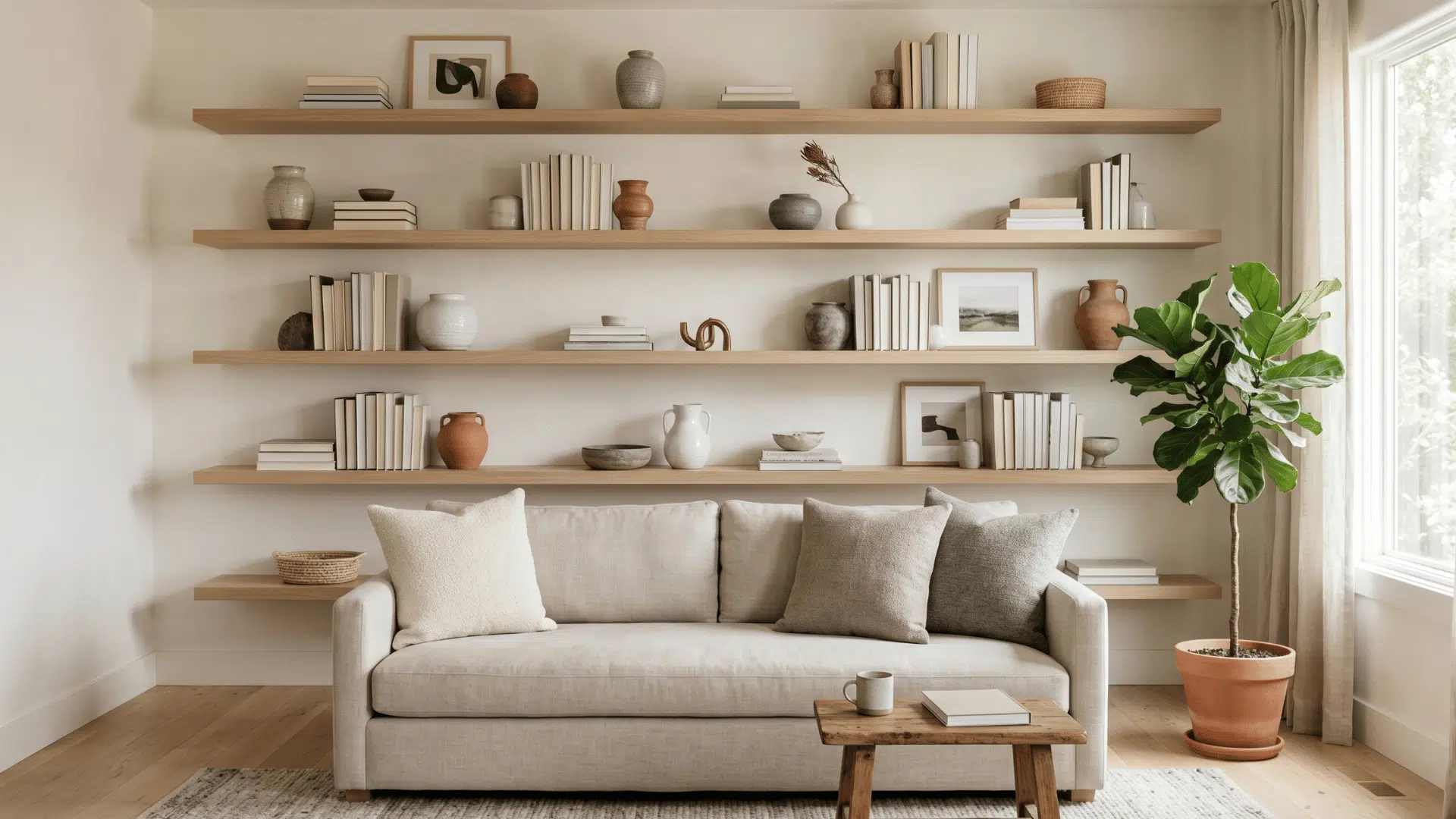
Open shelves displaying books, ceramics, and decor pieces in a relaxed, layered arrangement bring personality and visual depth to any wall in the room.
- Color Scheme: Pull a consistent color thread across all shelves, such as cream and blue for all ceramics, to create visual unity among the variety of objects.
- Furniture Arrangement: Position the shelving on the wall that faces the main seating area so the display is visible and appreciated from the primary viewing point.
- Decor Style: Mix books arranged vertically and horizontally with small ceramic objects and a trailing plant to break up the harder objects with something organic.
7. Statement Lighting as a Centerpiece
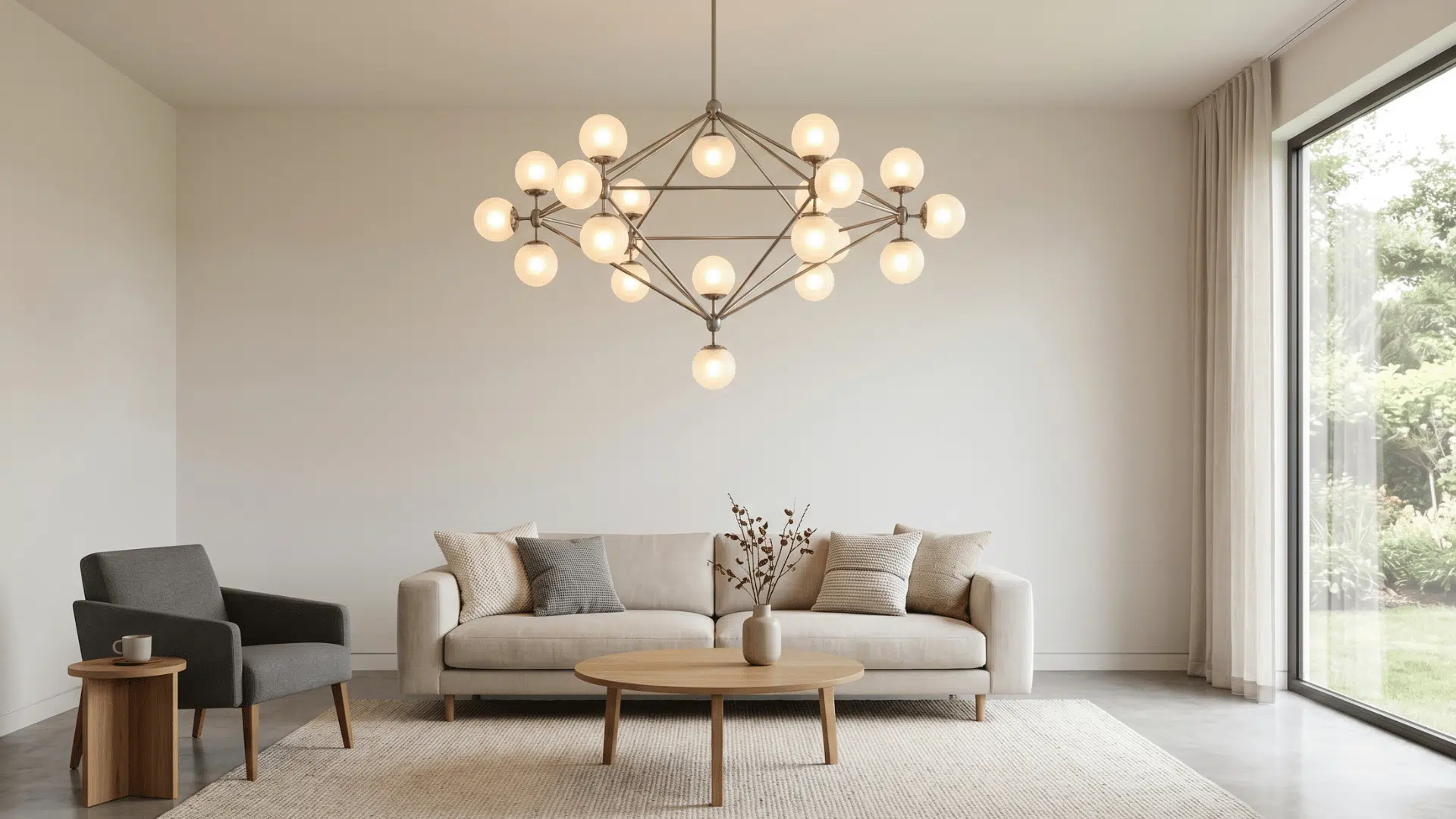
A bold chandelier or oversized lamp used as the central lighting feature draws attention upward and gives the room a clear visual anchor from above.
- Color Scheme: Keep walls and ceilings in a plain, neutral color so the statement fixture stands out from the surrounding surfaces rather than blending into them.
- Furniture Arrangement: Hang the statement light below standard ceiling height over a coffee table or seating area to create an intimate, defined focal zone.
- Decor Style: Choose a pendant or chandelier in an unusual material, such as rattan, colored glass, or sculptural metal, rather than a standard off-the-shelf fixture.
8. Mismatched Seating Layout
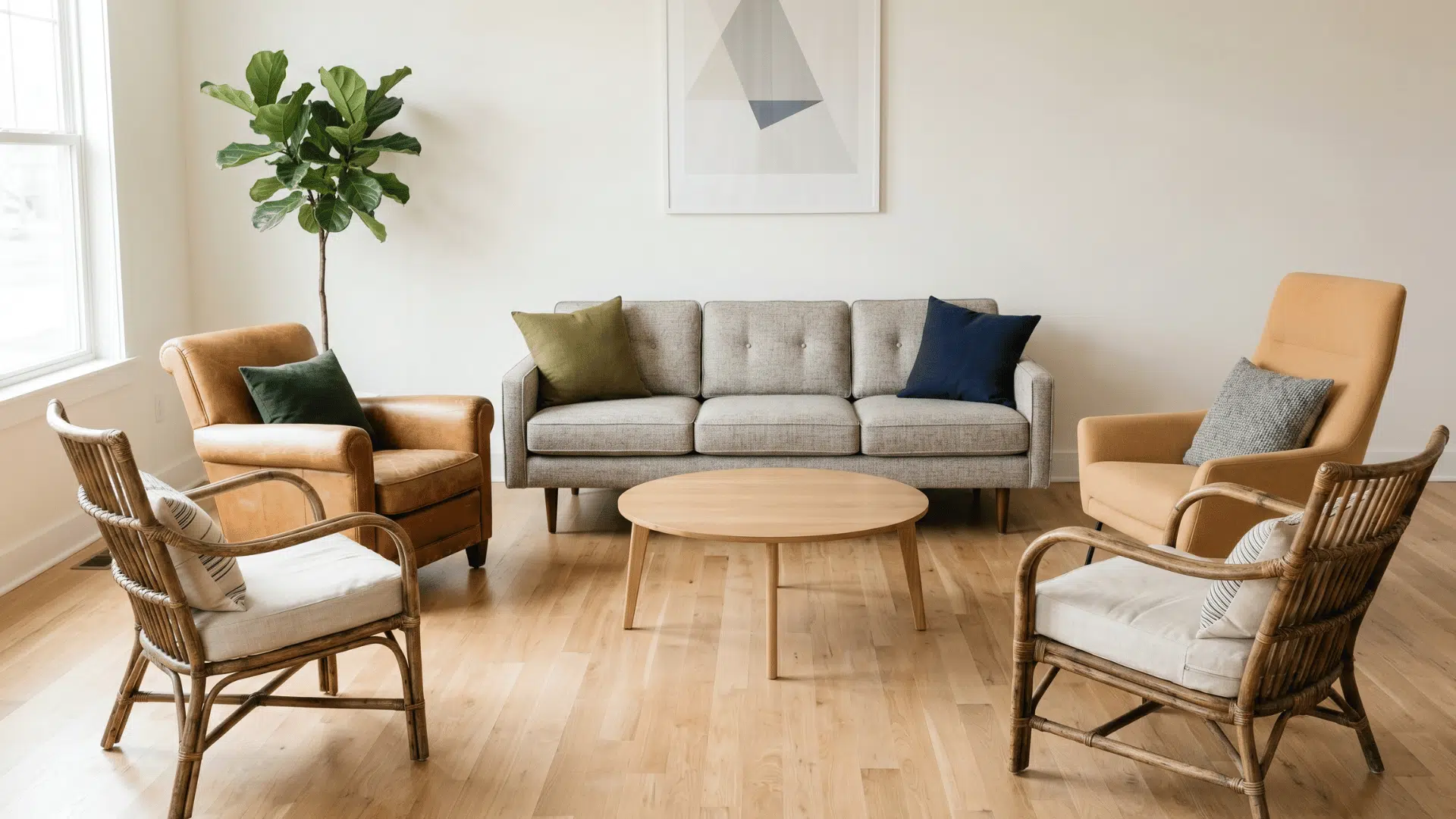
Combining different chairs, sofas, and stools instead of buying a matched set creates a layered seating arrangement that feels genuinely personal in a true eclectic living room.
- Color Scheme: Use cushions across all seating pieces in a shared color palette to visually connect pieces that have nothing else in common.
- Furniture Arrangement: Place the largest sofa as the anchor of the seating zone and arrange mismatched chairs and stools around it at slight angles.
- Decor Style: Choose seating pieces that share at least one visual element, like a similar leg finish or a repeated color, so the mix feels deliberate rather than random.
9. Pattern Mixing across Furniture and Textiles
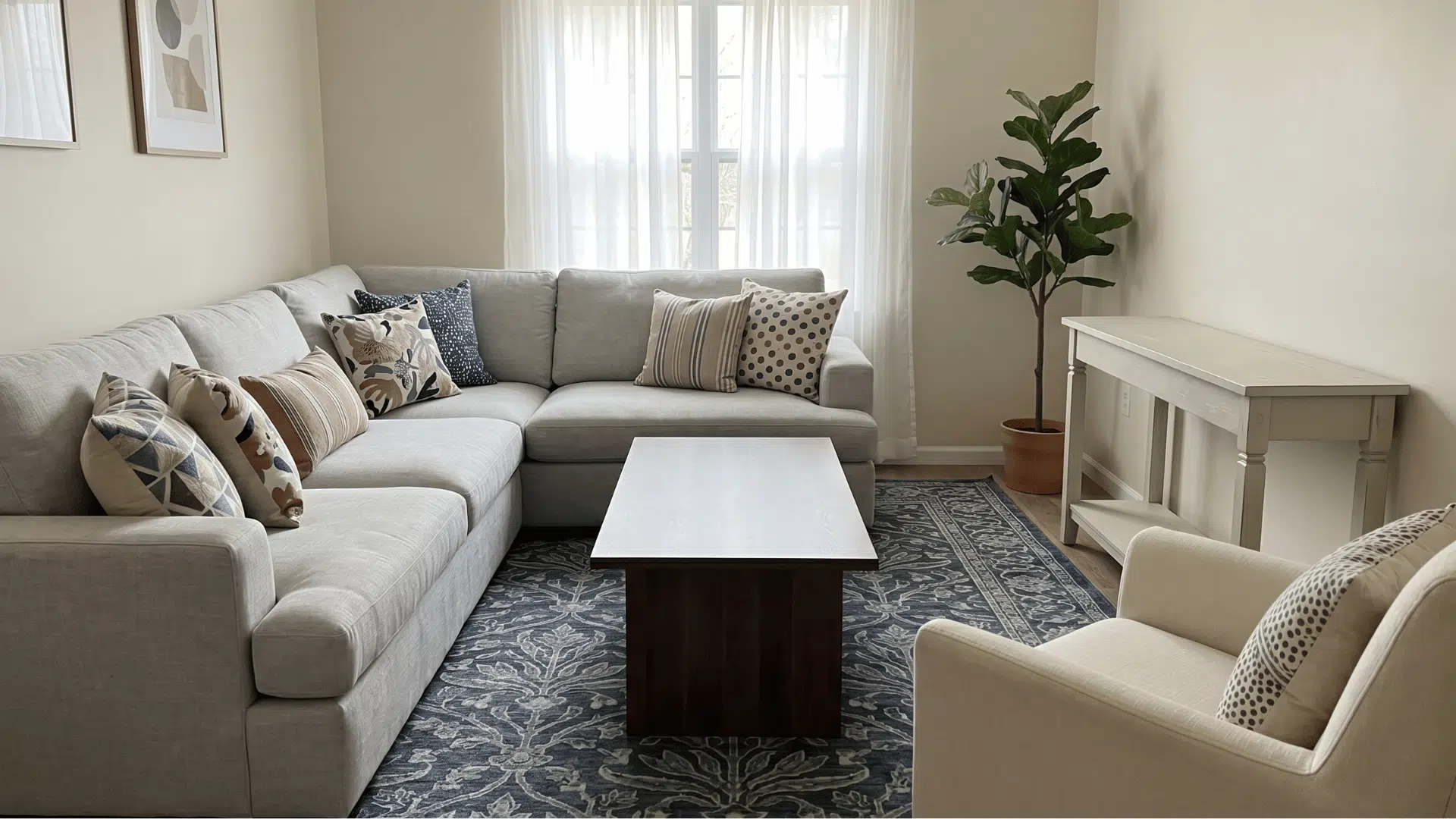
Blending stripes, florals, and geometric prints throughout the room creates a layered, visually rich atmosphere central to the colorful living room approach.
- Color Scheme: Keep the color palette consistent across all patterns so the variety of prints feels unified rather than competing with each other throughout the room.
- Furniture Arrangement: Use solid-colored furniture pieces as breathing room between patterned textiles so no two strong prints sit directly against each other.
- Decor Style: Vary the scale of each pattern so a large-scale floral sits beside a small geometric and a medium stripe rather than three similar-sized prints.
10. Color Blocking through Furniture Placement
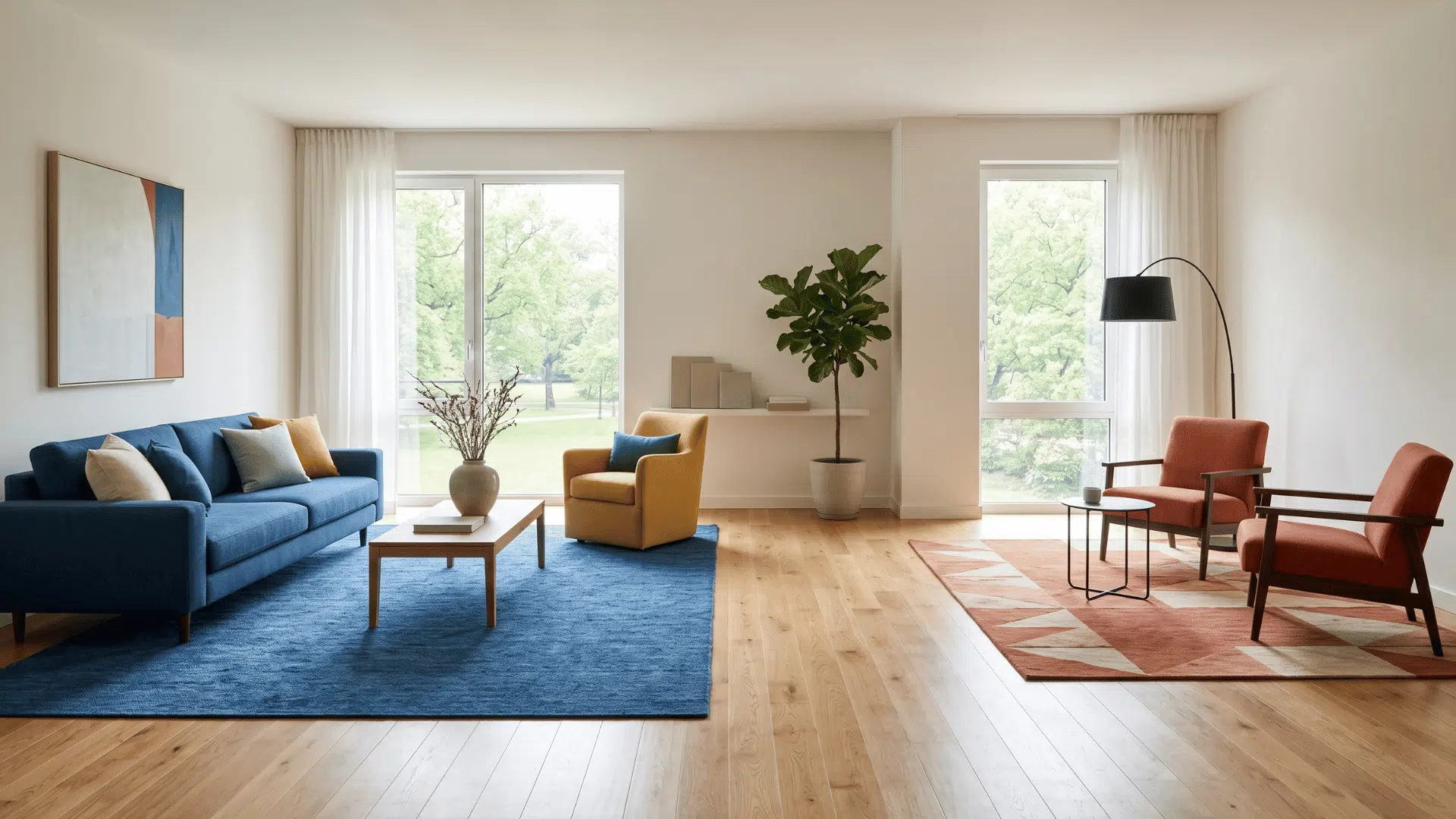
Using contrasting furniture colors to define different zones within the living room creates structure and visual interest without the need for walls or dividers.
- Color Scheme: Choose two or three furniture colors that contrast clearly, such as a deep green sofa, a mustard chair, and a white side table, and use each to define a zone.
- Furniture Arrangement: Keep each color confined to its zone rather than scattering it across the whole room so the blocking effect reads clearly from the entrance.
- Decor Style: Add a consistent material, such as brass hardware or wooden legs, across all furniture pieces to make them feel connected despite the strong color differences.
11. Indoor Plants as Design Anchors
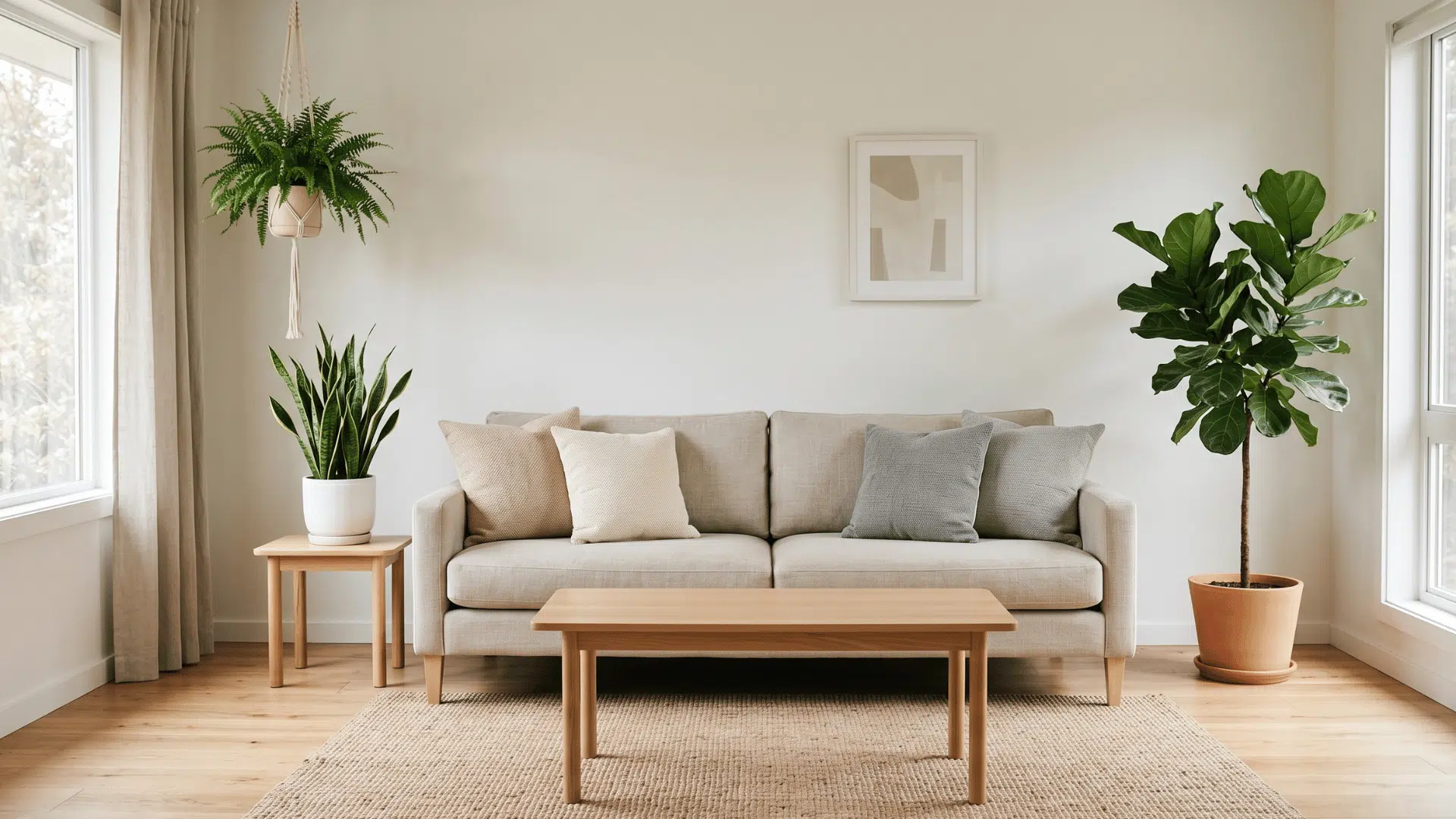
Placing large plants in key spots balances bold decor and softens the overall look of a room that carries a lot of color and pattern.
- Color Scheme: Choose planters in a material and color that complement the existing decor, such as terracotta with warm tones or white ceramic with cooler neutrals.
- Furniture Arrangement: Position one very large plant in an empty corner to fill vertical space naturally and balance the visual weight of the furniture on the opposite side.
- Decor Style: Distribute plants across the room rather than clustering them in one zone, so the natural element is present throughout the entire eclectic living room.
12. Dramatic Floor-to-Ceiling Drapes
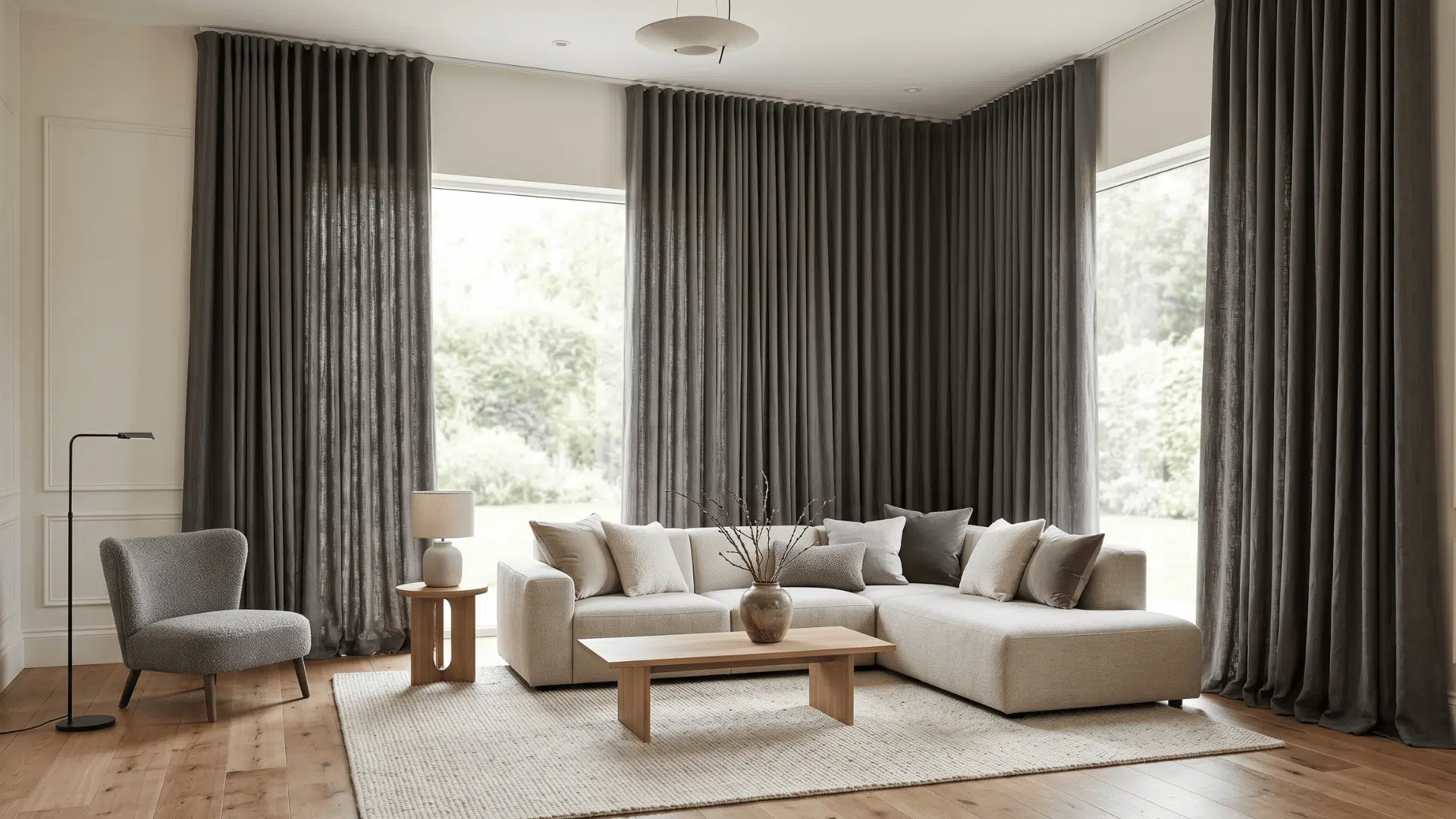
Long curtains in bold colors or prints used to frame the room create a sense of height, theater, and softness, transforming the entire wall they occupy.
- Color Scheme: Use the curtain color as the anchor tone for the room’s palette by pulling it through cushions, throws, or a small rug to keep the bold color grounded throughout.
- Furniture Arrangement: Keep the wall behind the curtains and the surrounding furniture in plain neutral tones so the drapes carry the full decorative impact on that side.
- Decor Style: Choose a bold fabric, such as a deep velvet, a printed linen, or a wide-stripe cotton, that adds color and pattern without any additional wall decor behind it.
13. Artistic Statement Wall with a Single Bold Piece
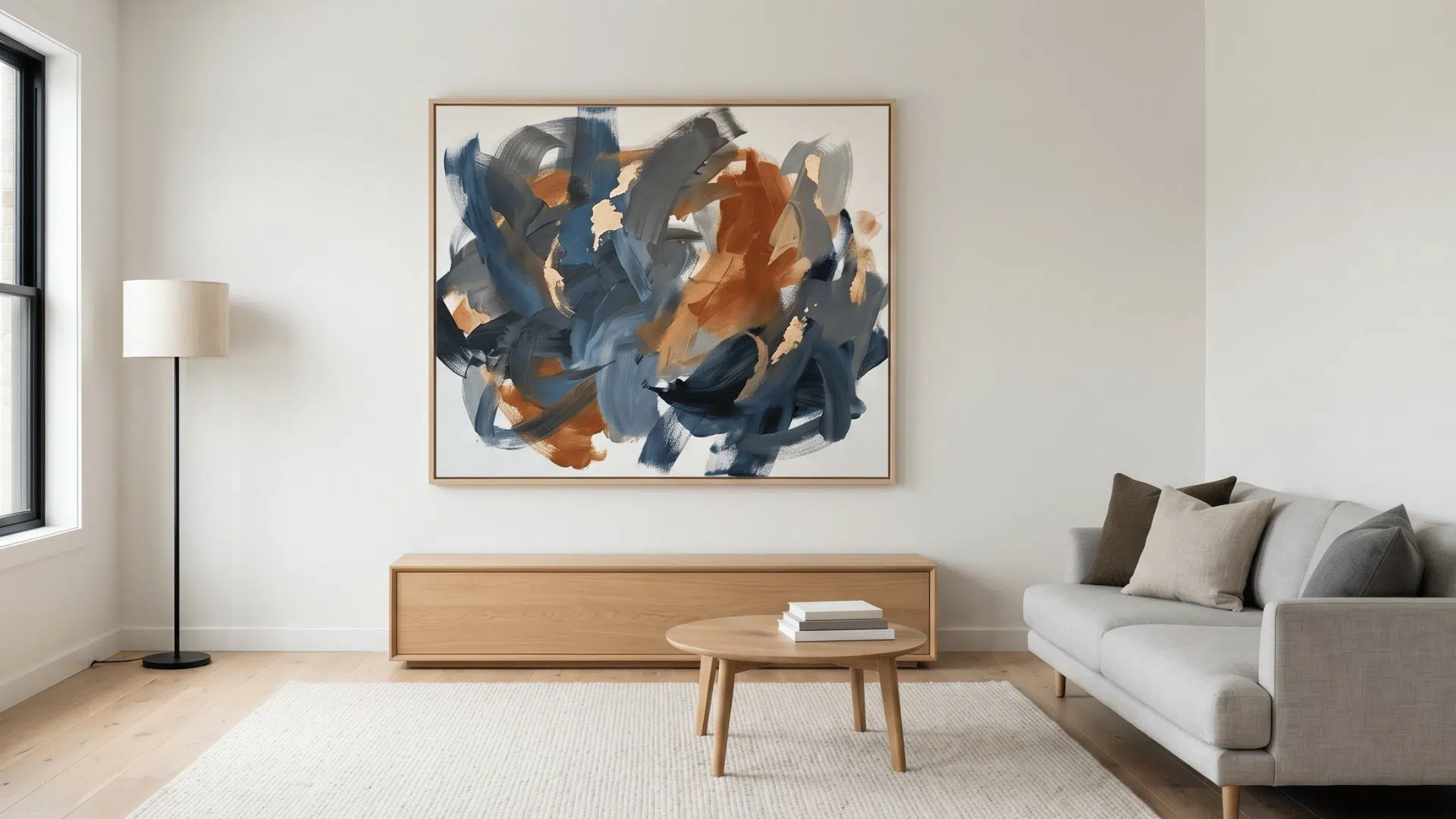
Using a single oversized artwork or mural instead of multiple smaller frames gives the room a confident, gallery-like quality that commands attention immediately.
- Color Scheme: Keep the wall color behind the artwork in a plain neutral so nothing competes with the colors or composition of the piece itself.
- Furniture Arrangement: Place simple and low-profile furniture in front of the statement wall so the artwork remains the only dominant visual element on that side.
- Decor Style: Choose a piece large enough to fill at least two-thirds of the wall it occupies so it reads as a true statement rather than simply a large print.
14. Cozy Reading Corner Inside the Living Room
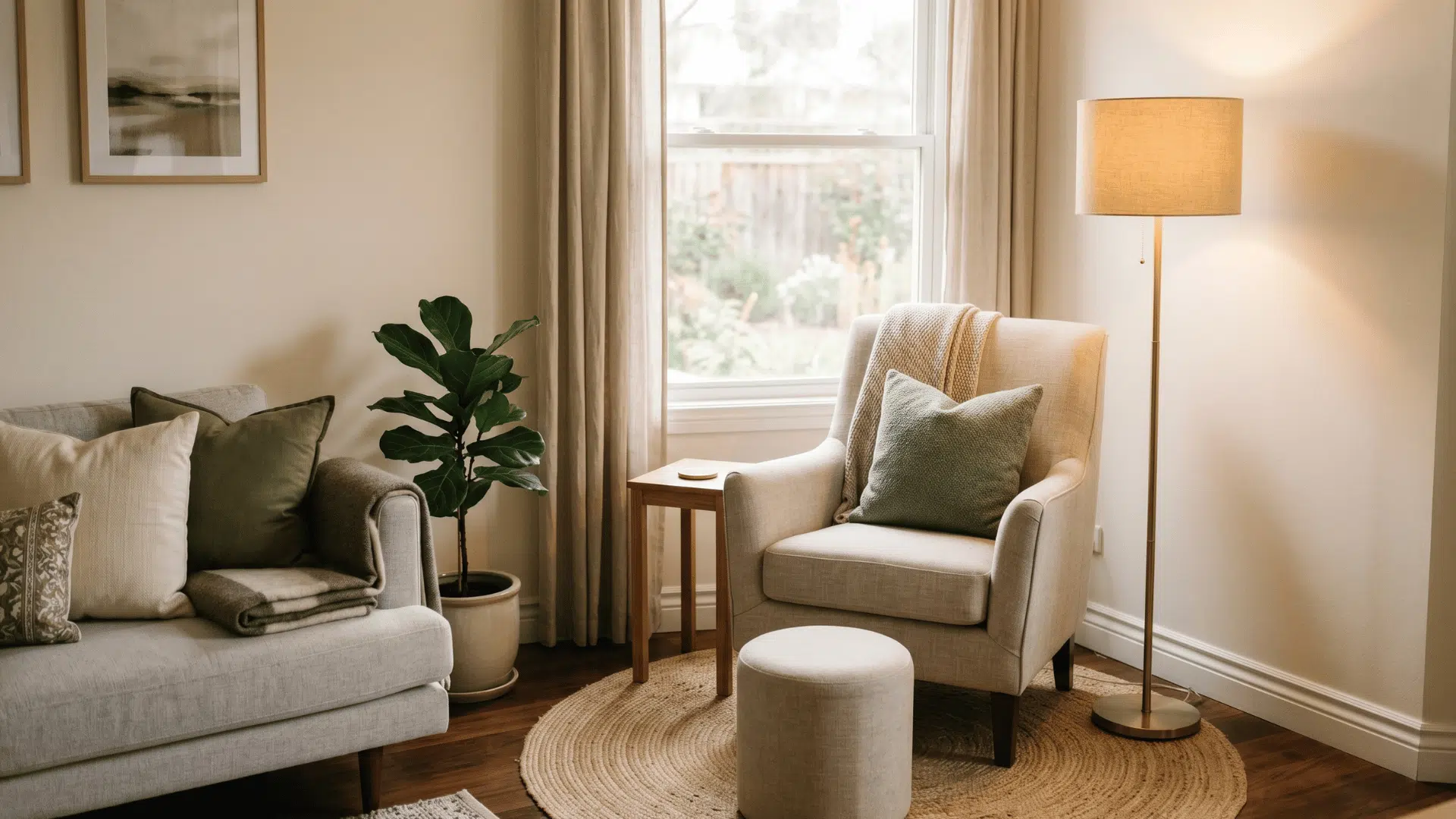
Adding a chair, lamp, and side table in a quiet corner of the living room creates a functional zone within the space that feels intentional and personal.
- Color Scheme: Choose an armchair in a color or fabric that contrasts with the main sofa so the reading corner feels like its own visually distinct zone.
- Furniture Arrangement: Add a small rug beneath the chair and table to define the corner as its own zone within the larger room layout without blocking movement.
- Decor Style: Keep the corner decor minimal with one plant, one lamp, and one side table, so the space feels calm and distinct from the busier main seating area.
15. Eclectic Ceiling Design with Beams
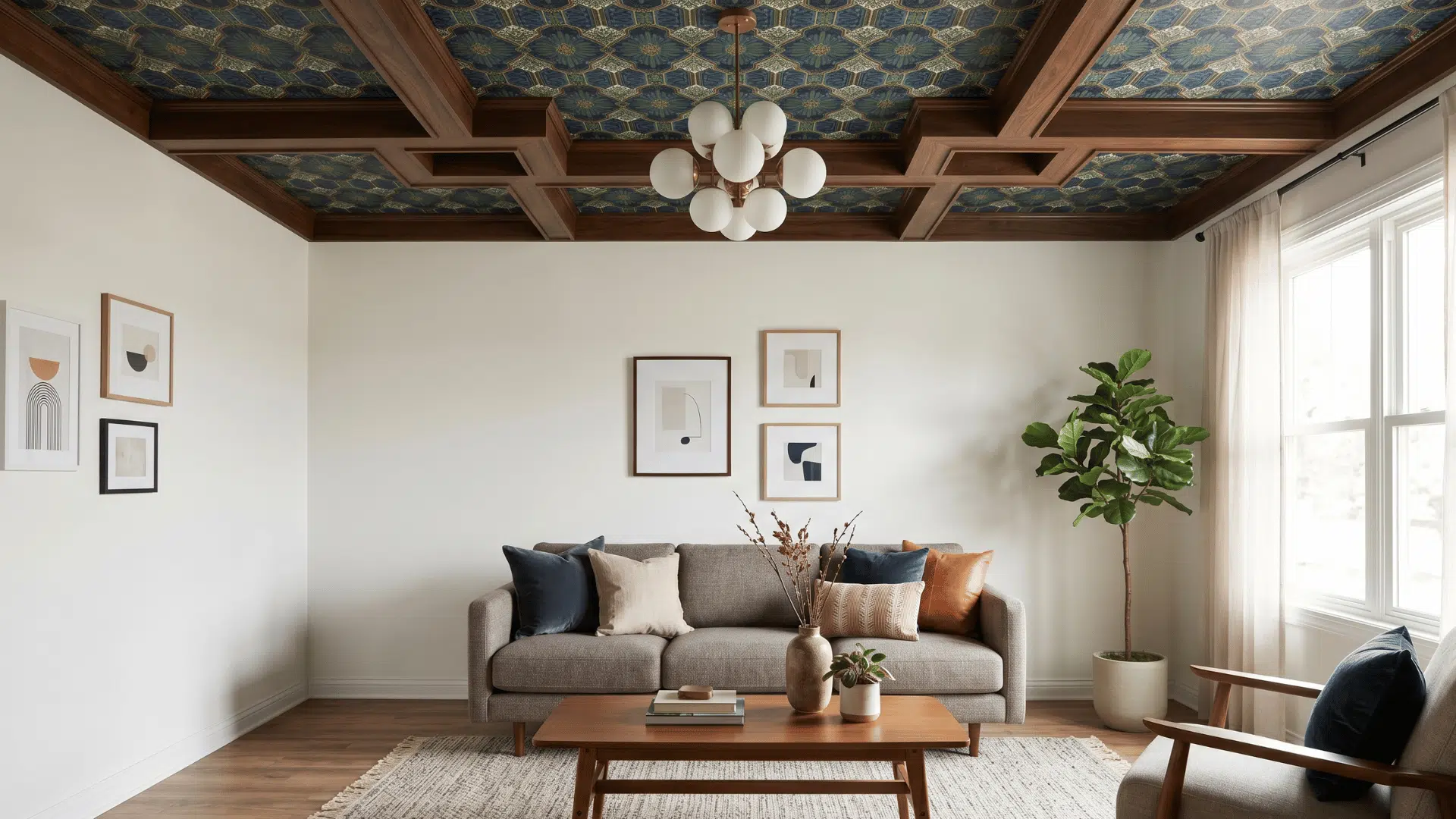
Turning the ceiling into a feature using exposed beams, texture, or bold wallpaper adds an unexpected layer of design that most living rooms overlook entirely.
- Color Scheme: Choose a ceiling wallpaper pattern that picks up at least one color from the room below, so the ceiling feels connected rather than disconnected.
- Furniture Arrangement: Keep ceiling lighting simple and recessed so the fixture does not compete with the ceiling surface treatment directly above it.
- Decor Style: Apply patterned wallpaper to the ceiling only, keeping all four walls plain, so the ceiling becomes the single statement surface in the colorful living room.
16. Two-Tone Half-Painted Walls with Contrasting Colors
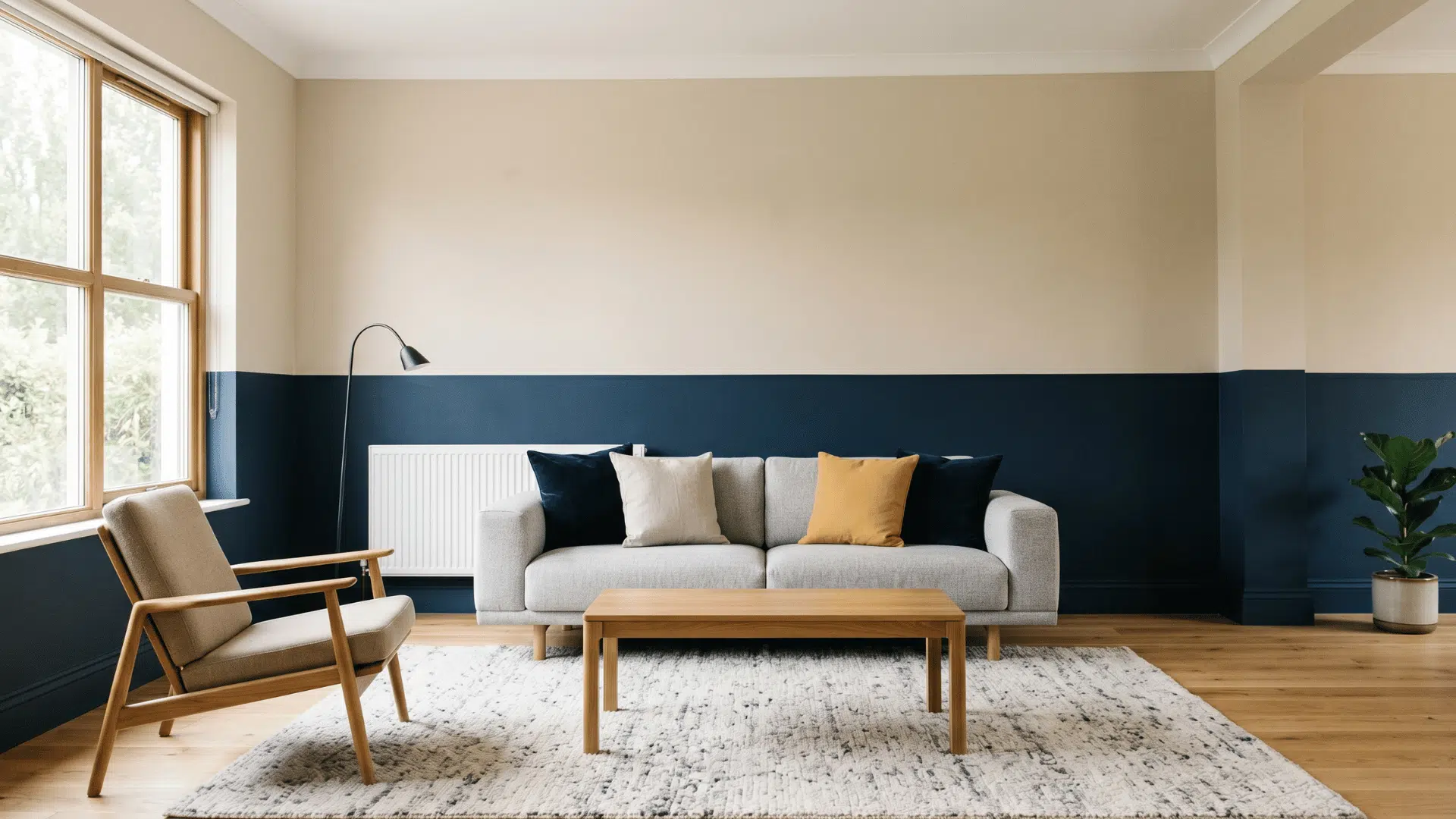
Painting the upper and lower halves of the walls in two bold, contrasting colors creates a graphic architectural effect that feels complete without furniture or art.
- Color Scheme: Choose colors that contrast clearly but share a similar tone level, such as deep navy on the lower half with warm terracotta on the upper half.
- Furniture Arrangement: Keep all furniture in neutral or natural tones so the two-tone wall treatment carries the full decorative weight of the room without competition.
- Decor Style: Add cushions or throws that include both wall colors so the seating area feels visually connected to the painted surfaces directly behind it.
17. Monochrome Base with Mixed Textures
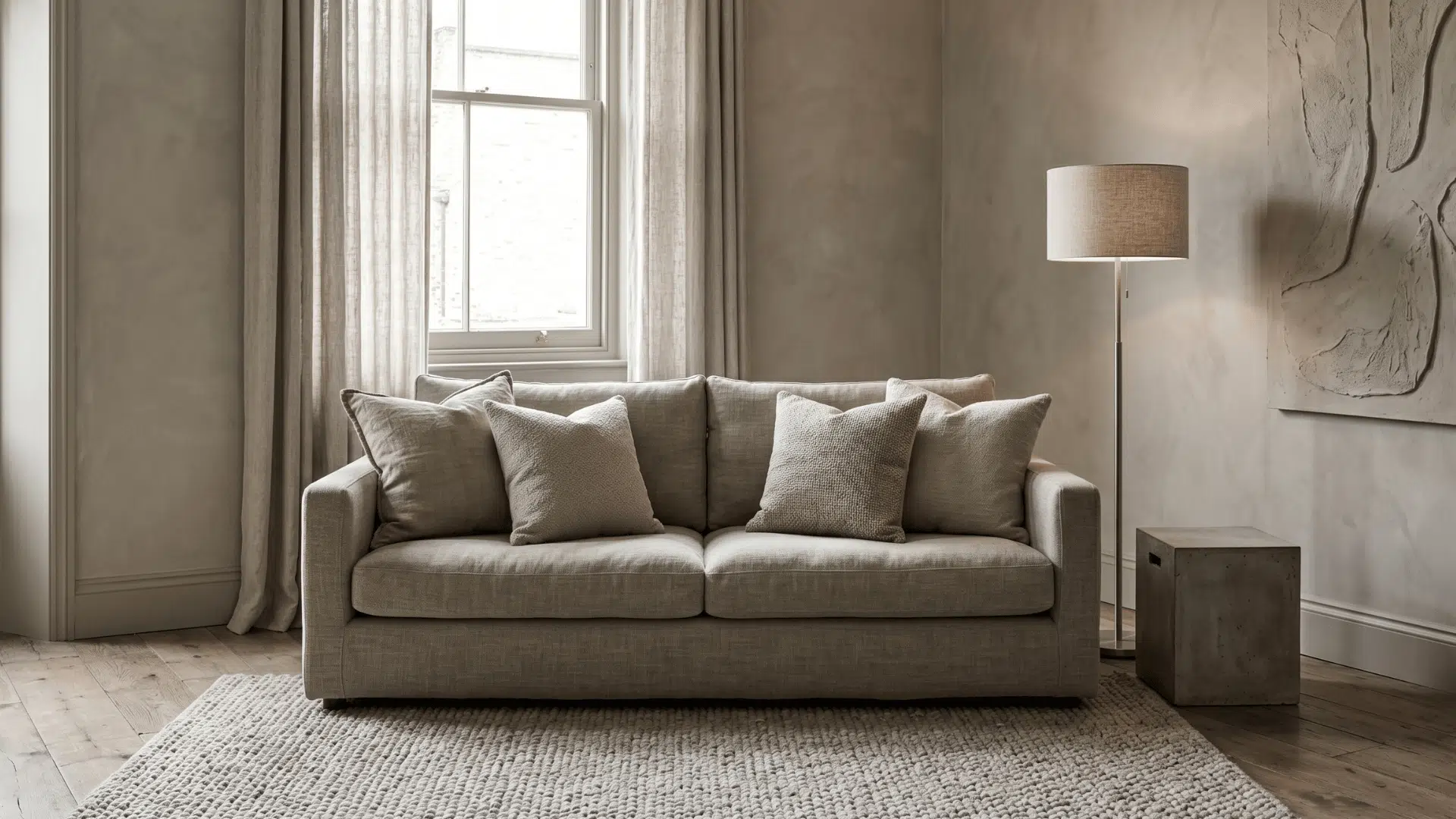
Sticking to a single color palette throughout the room while layering textures like fabric, wood, and metal creates a cohesive, eclectic living room without relying on color variety.
- Color Scheme: Choose a single base color in a mid-tone, such as warm grey, soft cream, or dusty sage, and apply it across walls, large furniture, and main textiles throughout.
- Furniture Arrangement: Vary the sheen level across surfaces, such as matte walls, a semi-gloss ceramic, and soft fabric, so the eye moves across different finishes.
- Decor Style: Use metallic finishes like brushed brass or aged silver as the only contrast element to prevent the monochrome scheme from feeling flat or one-dimensional.
18. Sculptural Furniture as Functional Art
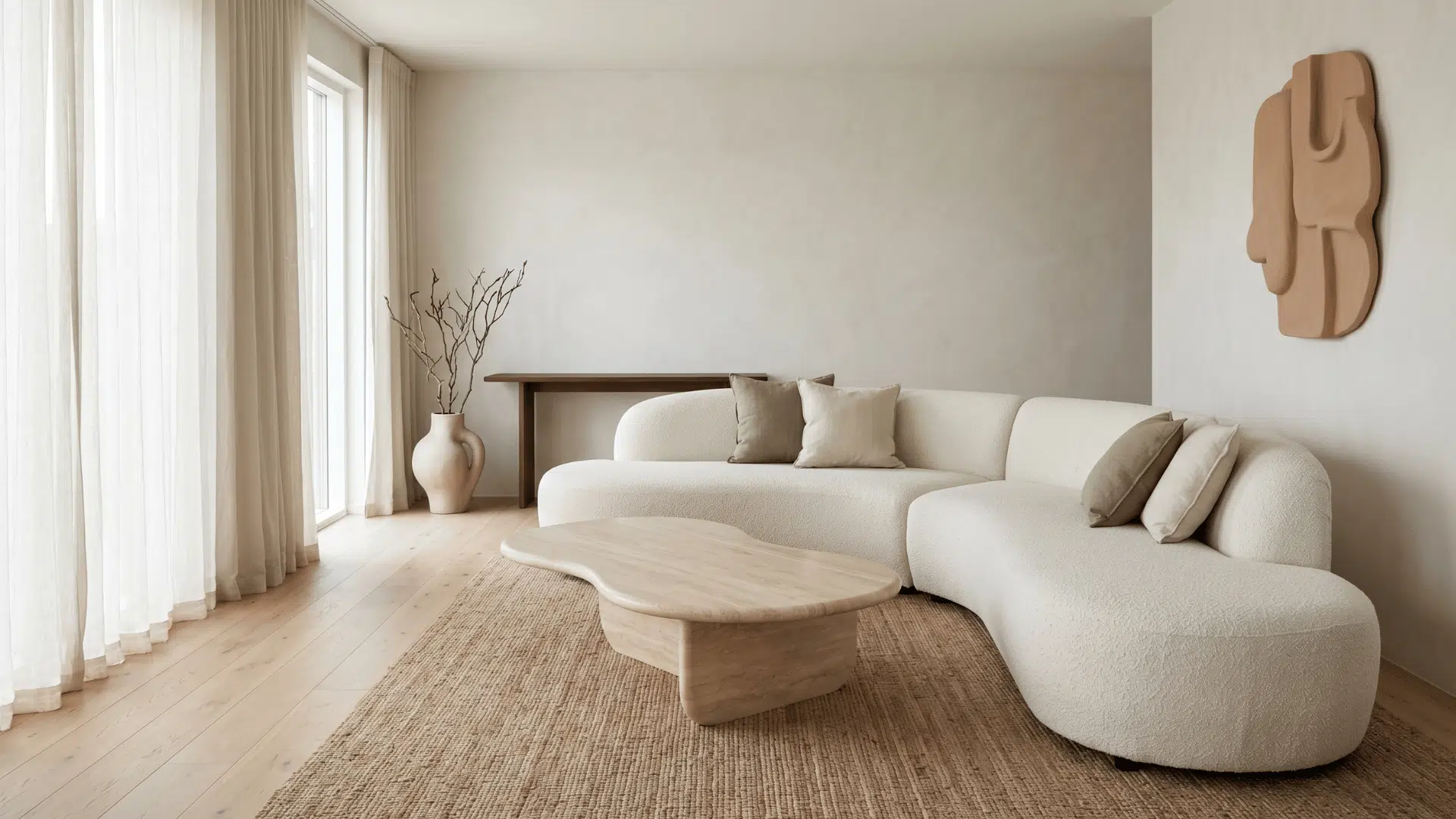
Choosing furniture with unusual shapes that double as visual features eliminates the need for additional decorative objects to add character to the room.
- Color Scheme: Choose sculptural furniture in a material that contrasts with the room’s dominant surface, such as a white curved sofa in a room of dark wood.
- Furniture Arrangement: Keep the surrounding furniture simple and conventional so the sculptural pieces stand out rather than competing with equally unusual neighbors.
- Decor Style: Use directional lighting to highlight the silhouettes of sculptural pieces so their forms read clearly at night as well as during daylight hours.
19. Floating Furniture Layout away from Walls
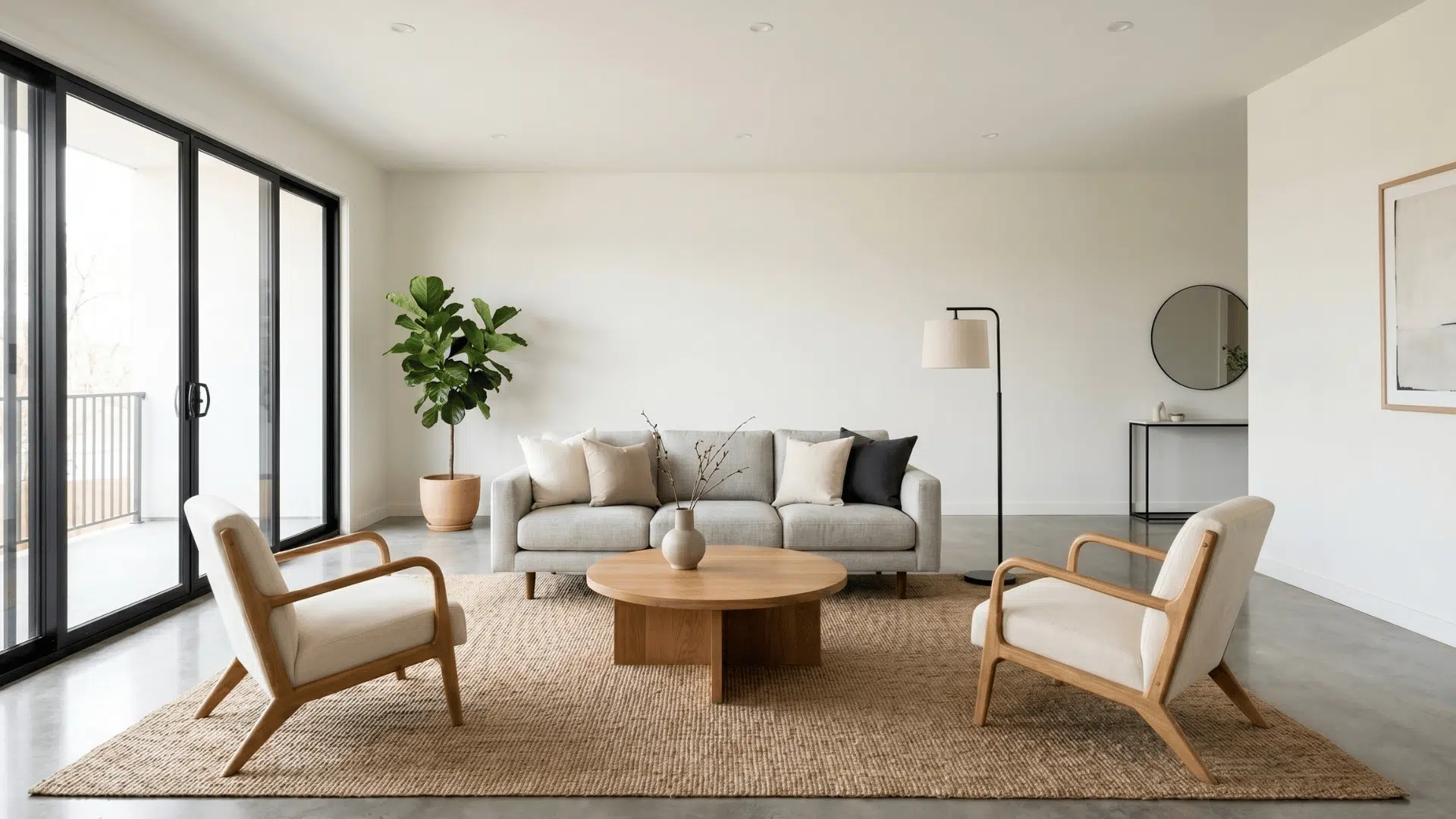
Arranging furniture in the center of the room rather than pushing everything to the edges creates a more social, deliberate layout that works particularly well in a larger, eclectic living room.
- Color Scheme: Keep walls and ceilings plain and neutral so the furniture arrangement itself carries all the visual interest, rather than the surfaces surrounding it.
- Furniture Arrangement: Place the main sofa 20-30 centimeters away from the wall, and arrange the accent chairs facing inward toward the conversation zone.
- Decor Style: Place a console table or a narrow shelf unit behind the sofa to fill the gap between the sofa back and the wall, adding a functional and decorative layer.
20. Mirrored and Reflective Surfaces for Depth
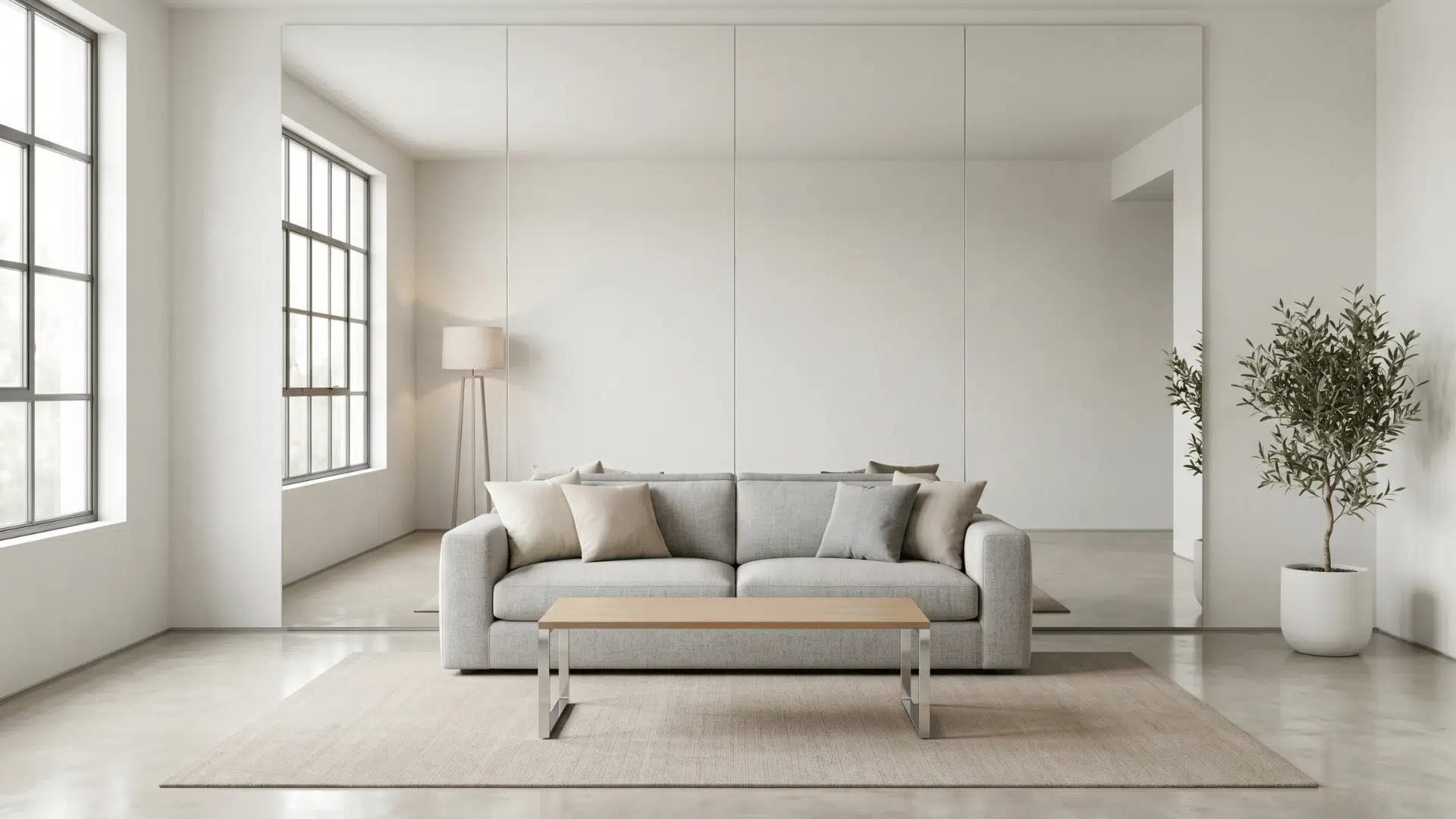
Using mirrors, glass, and metallic finishes to reflect light and expand the visual space gives a colorful living room more openness and layered interest without adding more furniture.
- Color Scheme: Use mirrors with frames that complement the existing furniture, such as a wooden-framed mirror in a warm-toned room or a thin black frame in a more graphic space.
- Furniture Arrangement: Place a large floor mirror directly opposite the main window to reflect natural light back into the room throughout the day.
- Decor Style: Add metallic finishes to lamp bases, picture frames, and small decorative objects to evenly distribute the reflective quality throughout the room.
21. Built-In Window Seat
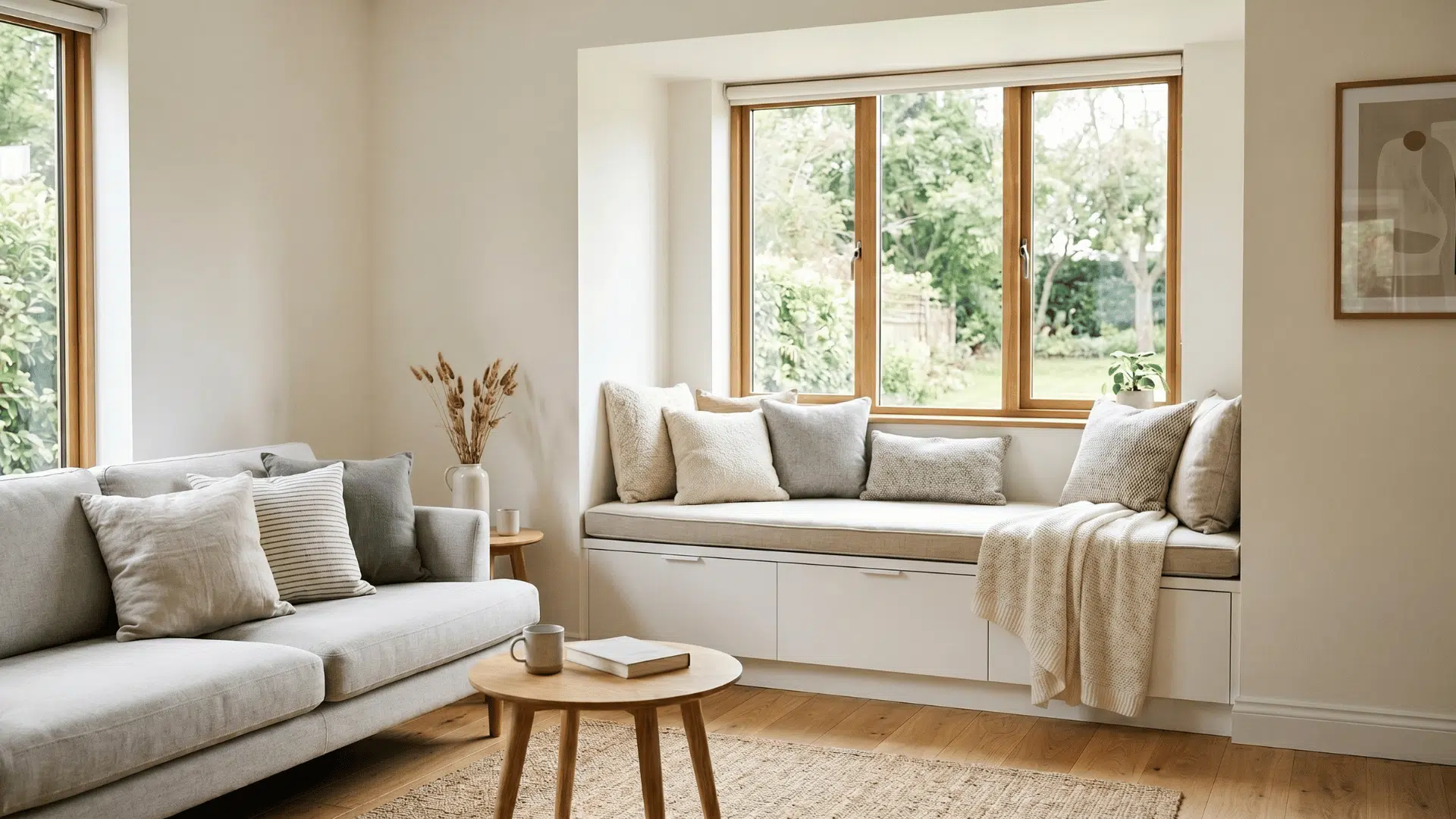
A cushioned bench built into or placed near a window creates both a practical seating spot and a design feature that adds warmth and human scale to the room.
- Color Scheme: Upholster the window seat cushion in a fabric that contrasts with the main sofa, such as a stripe or floral, against a plain sofa.
- Furniture Arrangement: Use the space beneath a built-in window seat for concealed storage by adding a hinged lid access or pull-out drawers below the cushion.
- Decor Style: Add a stack of cushions in different sizes and coordinating tones rather than a matching set, so the nook feels relaxed and genuinely personal.
Common Mistakes to Avoid in Styling
Getting the balance right comes down to knowing what works against the style just as much as knowing what works for it.
| Mistake | What Happens | Why It Matters |
|---|---|---|
| No Thread | Mixing pieces without a shared element feels random | Removes the cohesive, collected look |
| Overcrowded Surfaces | Too many items on shelves and tables | Takes away breathing room and balance |
| Wrong Scale | No variation in size across furniture and decor | Makes the room feel flat and unbalanced |
| Trend Chasing | Filling space with current trends only | Loses personal style and character |
| Too Many Focal Points | Every area competes for attention | Removes a clear visual anchor |
| No Breathing Room | No empty space in the layout | Makes the room feel busy and cluttered |
Wrapping Up
A living room that mixes styles, periods, and colors well does not happen by accident. It comes from a willingness to make deliberate choices and to trust personal taste over rigid design rules.
Every idea in this blog works best when the pieces chosen mean something rather than simply filling space. The goal is not a perfectly styled room but one that feels genuinely comfortable and worth spending time in.
Starting with one or two changes is always enough to shift the overall feel in a noticeable direction.
An eclectic living room grows better over time as more considered pieces find their place within it. Share it with someone planning their next room update.

With a Master in Architectural Studies from University of Pennysylvania, Marwa Haydar has pioneered living spaces since 2005. Her expertise, initially honed in a prestigious architectural firm, is evident in her approach to creating environments. Marwa became part of our team in 2019 and has since been a driving force in our home improvement section, known for her practical yet stylish solutions. She’s been spearheading our design workshops since then, infusing her passion for teaching into her work. In her leisure time, Marwa enjoys exploring historic architecture and is an enthusiastic pottery hobbyist, further enriching her understanding of form and texture.