
Across Adelaide, homeowners are paying closer attention to the systems that keep their properties running smoothly every day. While renovation trends often focus on kitchens, bathrooms, flooring, and outdoor entertaining areas, many Australians are increasingly recognising the importance of the infrastructure operating behind the walls. Plumbing, drainage, water efficiency, and hot water performance are becoming central considerations as households look for ways to improve comfort, reduce long-term costs, and create more resilient homes.
This shift reflects broader changes occurring throughout South Australia. Rising utility costs, growing awareness of sustainability, and an increased focus on property maintenance are encouraging homeowners to think beyond cosmetic improvements and invest in systems that deliver practical value over many years.
Homeowners Are Looking Beyond Surface-Level Renovations
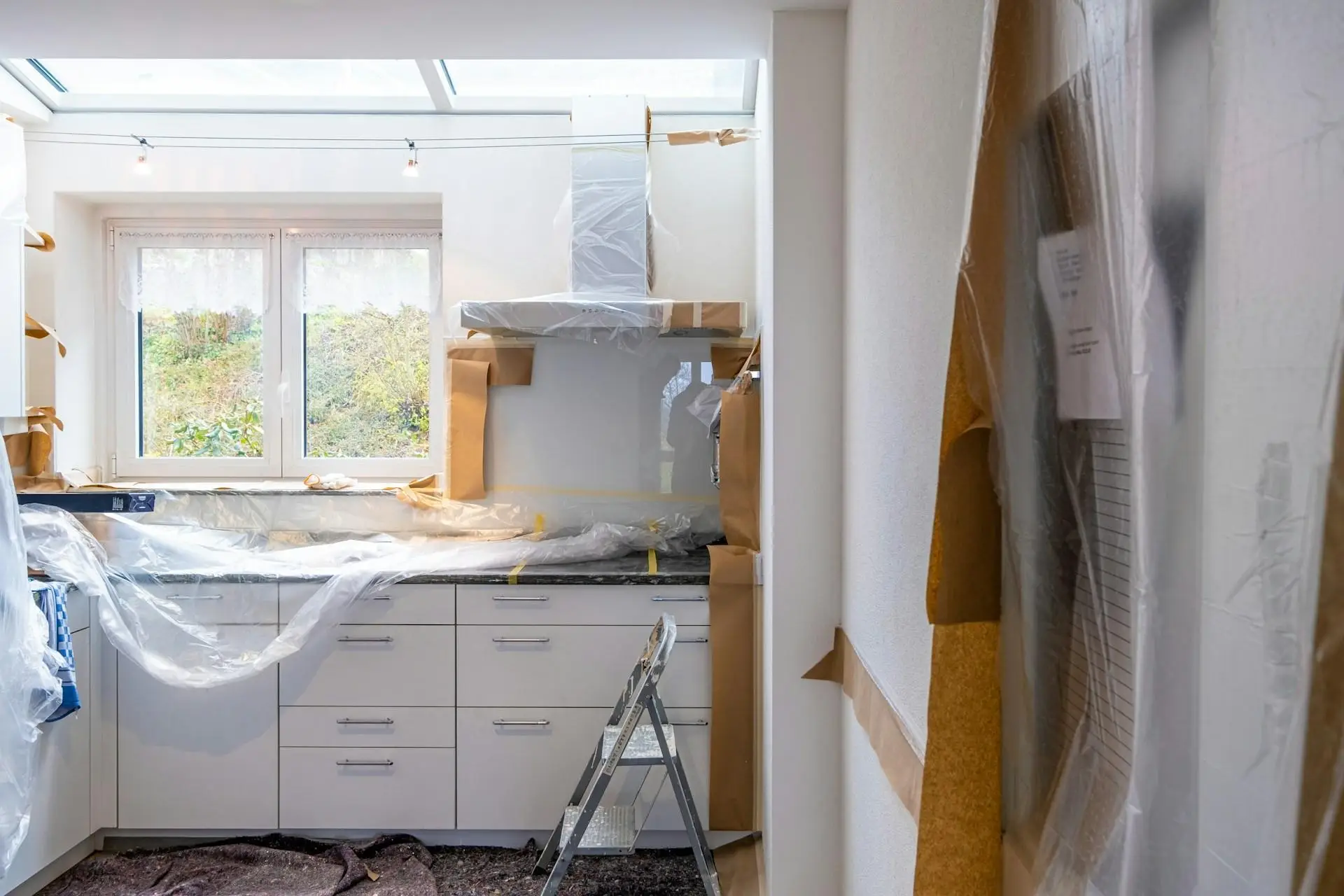
For many years, home improvement projects focused heavily on visual upgrades. Fresh paint, modern fixtures, landscaping projects, and updated interiors often received most of the attention. While these improvements remain important, homeowners are becoming more aware that infrastructure plays a major role in the overall performance of a property.
A beautifully renovated home can still experience daily frustrations if its plumbing system struggles to meet household demands. Issues involving inconsistent hot water, aging pipework, poor water pressure, or inefficient appliances can affect comfort long after renovation projects have been completed. As a result, more Adelaide residents are evaluating the systems that support everyday living rather than concentrating solely on appearance.
Hot Water Systems Are Becoming a Priority
Hot water is one of the most frequently used resources in any household. Showers, kitchens, laundries, and cleaning routines all depend on reliable access to heated water. Despite its importance, many homeowners do not think about their hot water system until performance begins to decline.
Older units often become less efficient over time. Components wear out, energy consumption increases, and reliability may gradually decrease. In some cases, aging systems struggle to keep up with the needs of larger families or modern households that place greater demands on water usage throughout the day.
This growing focus on household efficiency has increased interest in professional assessments, maintenance, repairs, and system upgrades. Many property owners turn to hot water system specialists in Adelaide when evaluating replacement options, improving system performance, addressing breakdowns, or exploring more energy-efficient technologies suited to South Australian homes.
Adelaide’s Climate Creates Unique Considerations
South Australia’s climate influences how homeowners approach water and energy management. Long, hot summers place pressure on household systems, while cooler winter periods increase demand for reliable hot water throughout the home.
These seasonal fluctuations mean that system performance is not simply a matter of convenience. Reliability becomes particularly important during periods of higher usage, when equipment failures can create significant disruption for families.
Local conditions also affect decisions regarding system selection. Factors such as household size, property layout, energy costs, and water usage patterns all play a role when determining which solutions are most suitable for a particular home. Because of these variables, infrastructure decisions increasingly require a long-term perspective rather than a short-term fix.
Energy Efficiency Is Influencing Upgrade Decisions
Energy efficiency has become one of the most important drivers behind infrastructure improvements throughout Australia. Homeowners are seeking practical ways to reduce utility expenses while maintaining comfortable living environments.
Hot water systems often account for a significant portion of household energy consumption. Improving system efficiency can therefore have a meaningful impact on long-term operating costs.
Modern technologies offer a range of options that were less common in previous decades. Improved insulation, smarter controls, enhanced heating methods, and more efficient system designs allow households to use energy more effectively while maintaining reliable access to hot water. These developments are encouraging many homeowners to view infrastructure upgrades as investments rather than maintenance expenses.
Sustainable Living Is Becoming Part of Everyday Homeownership
Environmental awareness is increasingly influencing decisions across the Australian housing market. Property owners are looking for ways to reduce resource consumption while creating homes that remain practical and comfortable.
This trend extends beyond solar panels and energy-efficient appliances. Water management, plumbing performance, and infrastructure efficiency are becoming important parts of broader sustainability strategies.
According to YourHome, Australia’s national guide to environmentally sustainable housing, efficient water and energy systems can contribute significantly to improved household performance and reduced environmental impact. The organisation continues to highlight the importance of integrated design approaches that consider long-term efficiency throughout the home.
As sustainability becomes a greater priority for Australian households, infrastructure improvements are likely to play an increasingly important role in renovation planning and property maintenance decisions.
Preventative Maintenance Is Gaining Attention
Another notable shift involves the growing emphasis on preventative maintenance. Rather than waiting for major failures to occur, many homeowners are becoming more proactive about identifying potential problems before they develop into costly repairs.
Regular inspections, system servicing, and performance assessments help detect issues that might otherwise remain unnoticed until a breakdown occurs. Small problems involving valves, connections, heating components, or water pressure can often be addressed before they lead to larger disruptions.
This preventative approach aligns with a broader movement toward long-term property stewardship. Homeowners increasingly recognise that preserving infrastructure can be more cost-effective than responding to emergencies after damage has already occurred.
Property Value Is Closely Linked to Infrastructure Quality
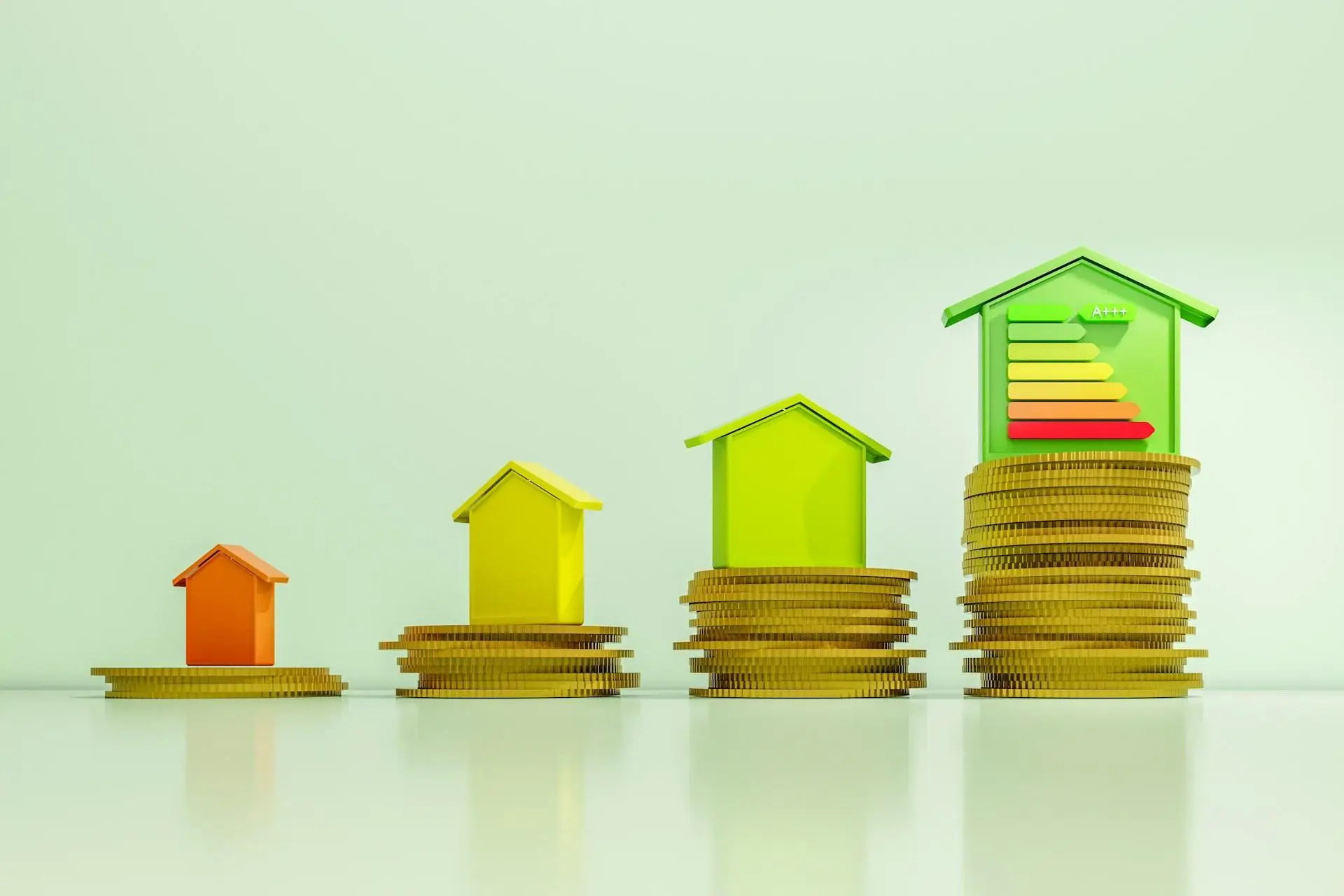
Infrastructure quality has also become an important consideration within the real estate market. Buyers are paying greater attention to the condition of essential systems when evaluating potential purchases.
While attractive interiors may create strong first impressions, concerns about plumbing reliability, water efficiency, or aging equipment can influence purchasing decisions. Well-maintained infrastructure provides reassurance that a property has been properly cared for and may require fewer unexpected expenses after purchase. For homeowners planning future resale opportunities, infrastructure improvements can therefore support both everyday comfort and long-term property value.
The Future of Home Improvement Extends Beyond Design
Home design trends will always remain an important part of the renovation industry. However, the future of home improvement increasingly involves balancing aesthetics with performance, efficiency, and reliability.
Across Adelaide, homeowners are demonstrating a growing willingness to invest in systems that improve the way their properties function every day. Reliable hot water, efficient plumbing, sustainable resource management, and preventative maintenance are becoming just as important as visual upgrades.
As South Australia continues focusing on smarter and more sustainable housing solutions, infrastructure improvements are likely to remain at the centre of many renovation and maintenance decisions. The homes that perform best in the future may not simply be the most stylish—they may be the ones built upon the strongest and most efficient foundations behind the scenes.

Holding a Master’s in Architecture from the University of Texas at Austin, Emily Rodriguez has dedicated more than two decades to the art and science of building renovation. Starting her journey in historic preservation, she developed a profound respect for blending old with new in building design. Emily became a vital part of our team in 2019, renowned for her insightful and innovative renovation tips. She has been leading our DIY home improvement series since ever since, where she shares her wealth of knowledge in turning outdated spaces into modern havens. When not engaged in writing or consulting, Emily is a passionate advocate for heritage conservation and enjoys exploring vintage architecture, a hobby that complements her professional expertise.