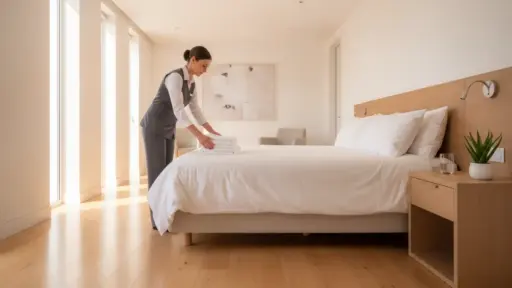
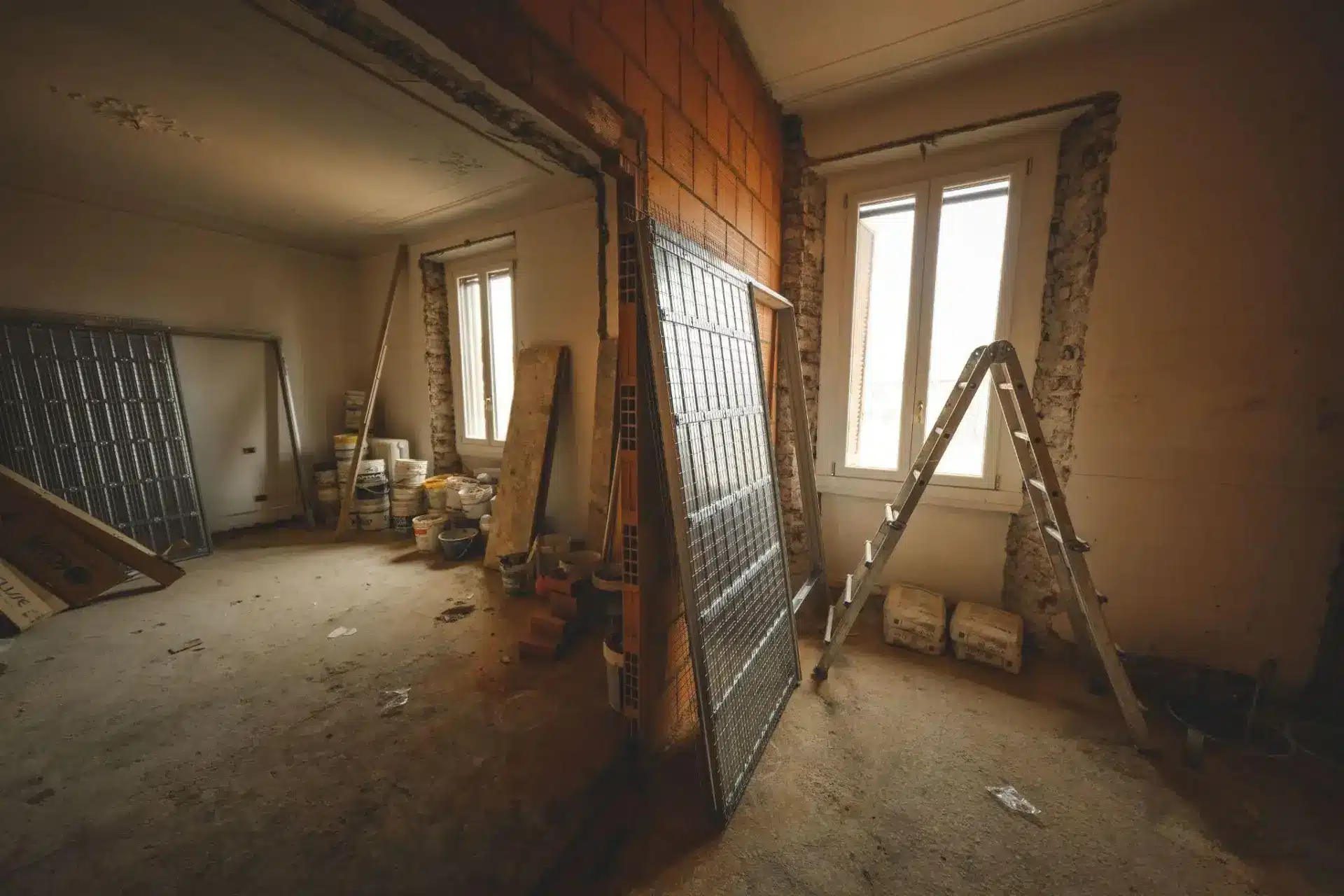
That great old tree outside your street has been there longer than you have. You can walk the kids to school. Your neighbour knows when the tree falls down, and the café at the corner knows what you want to eat. The one thing not functioning properly anymore is your house: the kitchen, which has been making your life difficult since dinnertime started; the bedrooms, which were suitable for toddlers but not for teenagers; and the design that was meant for some other family back in 1994.
That’s why the “for sale” sign becomes inevitable for many people. However, they are choosing another way. Keep the street; rebuild the house.
The Reasons to Stay Are Usually Stronger Than the Reasons to Go
If the person decides to move, he or she will try to run away from his or her house and not from the suburb. This is a completely different issue.
There is no such thing as the possibility of renovating the location of the house. A house in a good area, with good schools, a short path to work and streets where you have acquaintances, cannot be seen in a floor plan and cannot come with a new house.
This is what you should think about before calling an agent. If you exclude the problem with the building, then what will remain of your reasons for moving?
What Moving Actually Costs
Moving looks like the simple option until you add it up. In New South Wales, stamp duty alone on a typical Sydney purchase runs into the tens of thousands of dollars, money that buys you nothing but the right to own the property.
Then there are agents’ commissions on the sale, conveyancing, removalists, and the quiet costs nobody budgets for: taking time off work, changing schools if the new place pushes you out of catchment, and the disruption of packing up a life.
None of these expenses enhance your daily life. It’s the price of changing addresses, and it deserves more scrutiny than it usually gets.
The Rebuild Alternative: Keep the Postcode, Replace the House
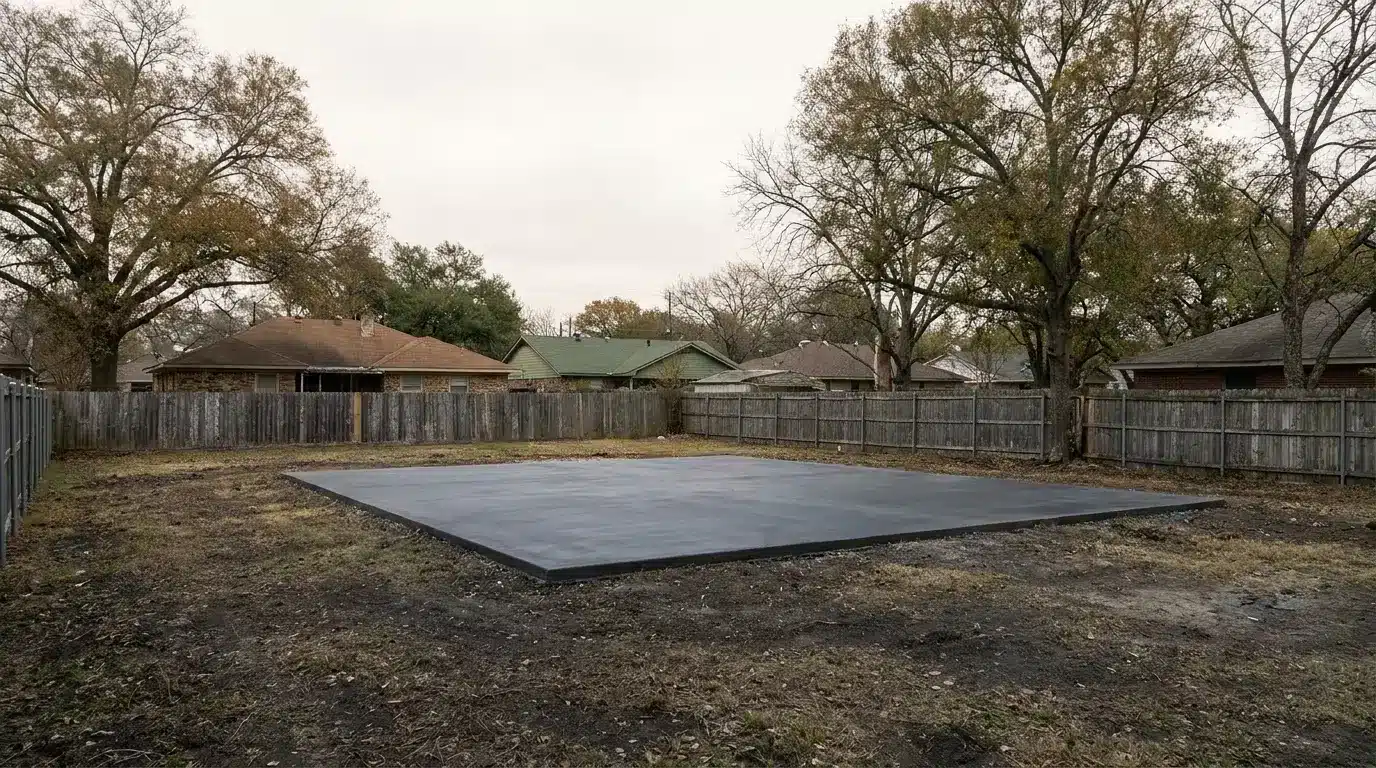
A knockdown rebuild is straightforward in concept. You demolish the existing house and build a new one on the same block. Same address, same neighbours, and a home designed around how your family actually lives today.
Across Australia, and particularly in New South Wales, much of a property’s value in established Sydney suburbs sits in the land itself, especially on an older or tired dwelling. A full rebuild is one way to put that land value to work with a home built to current standards.
It’s not a project to hand to a general builder as an afterthought. The approvals, demolition, and construction all need to work together, which is where a specialist in knock down rebuild in Sydney becomes useful, since they’ve typically handled the same council process before and know where the delays tend to sit.
What the Process Realistically Looks Like
A knockdown rebuild runs in three broad phases. First, planning and approvals: design, finance, and the sign-offs your council requires to both demolish and build.
Second, demolition: disconnecting services, asbestos checks on older homes, and clearing the site. Third, construction through the usual stages, from slab to frame to lock-up to handover.
Timelines vary with your council, your design, and the weather, so anyone promising a fixed date before seeing your site is guessing. It’s a staged build measured in months, not weeks, and the location you love stays exactly where it is the whole time.
How to Know If It’s Right for You
A knockdown rebuild tends to make sense when three things are true. You genuinely love where you live, and moving would mean giving up something you can’t easily replace. The house, not the location, is what’s holding you back. And you’re planning to stay long enough to enjoy the result, rather than flipping in a year or two.
If you found yourself nodding at all three, it’s worth costing out properly against the move you were about to make.
Before You Call the Agent
Here’s the question worth answering first. If your current house were brand new and perfectly designed for your family, would you still want to leave this street?
If the honest answer is no, you may not have a moving problem at all. You have a house problem, and that’s a far easier one to solve. Get a builder out to look at your block before you list it. The home you’ve been searching for might already be sitting at your address, just waiting to be rebuilt.

Licensed broker Logan Patel holds an MBA in Urban Economics from UCLA and has steered buyers and investors through market swings for a decade. He joined us in 2024 to demystify listings, financing, and neighborhood data with clear, chart-backed advice. When he isn’t scanning comps, Logan coaches youth basketball and scouts mid-century districts for hidden architectural gems on weekend walks.