
Living in Salem means your home sees its fair share of wet weather. Long stretches of rain, damp mornings, and seasonal temperature changes can gradually wear down your home’s exterior, even if everything looks fine at first glance. That is why siding deserves a closer look every now and then. Small issues like a loose panel, a hairline crack, or fading from years of exposure can quietly let moisture in before you realize there is a problem. Catching those warning signs early can help Salem homeowners avoid costly repairs, protect their home’s structure, and keep it looking its best through every season.
If your home’s outside looks a little tired, you don’t always need a giant makeover to wake it up. Siding plays a huge role in curb appeal because it covers so much of what people see first. A few smart updates can make your place look cleaner, brighter, and more cared for without turning your yard into a month-long construction zone. The trick is knowing what to fix, what to refresh, and what details help everything click together.
First Impressions Matter
When someone pulls up to your house, siding does a lot of the talking before your front door even gets a chance. Clean, well-kept siding makes your home look welcoming. Worn or damaged siding can make even a lovely place seem neglected. That sounds harsh, but houses are a little like book covers. People notice the outside first.
If you live in Oregon, it helps to work with a local pro who understands the weather and common exterior issues in the area. A trusted Salem siding company can help you decide whether your home needs a repair, a partial update, or a more complete refresh. That local insight matters because rain, shade, and seasonal temperature swings can be rough on exteriors. You don’t need to chase perfection. You just want your home to look cared for, solid, and easy on the eyes.
Spot Easy Warning Signs
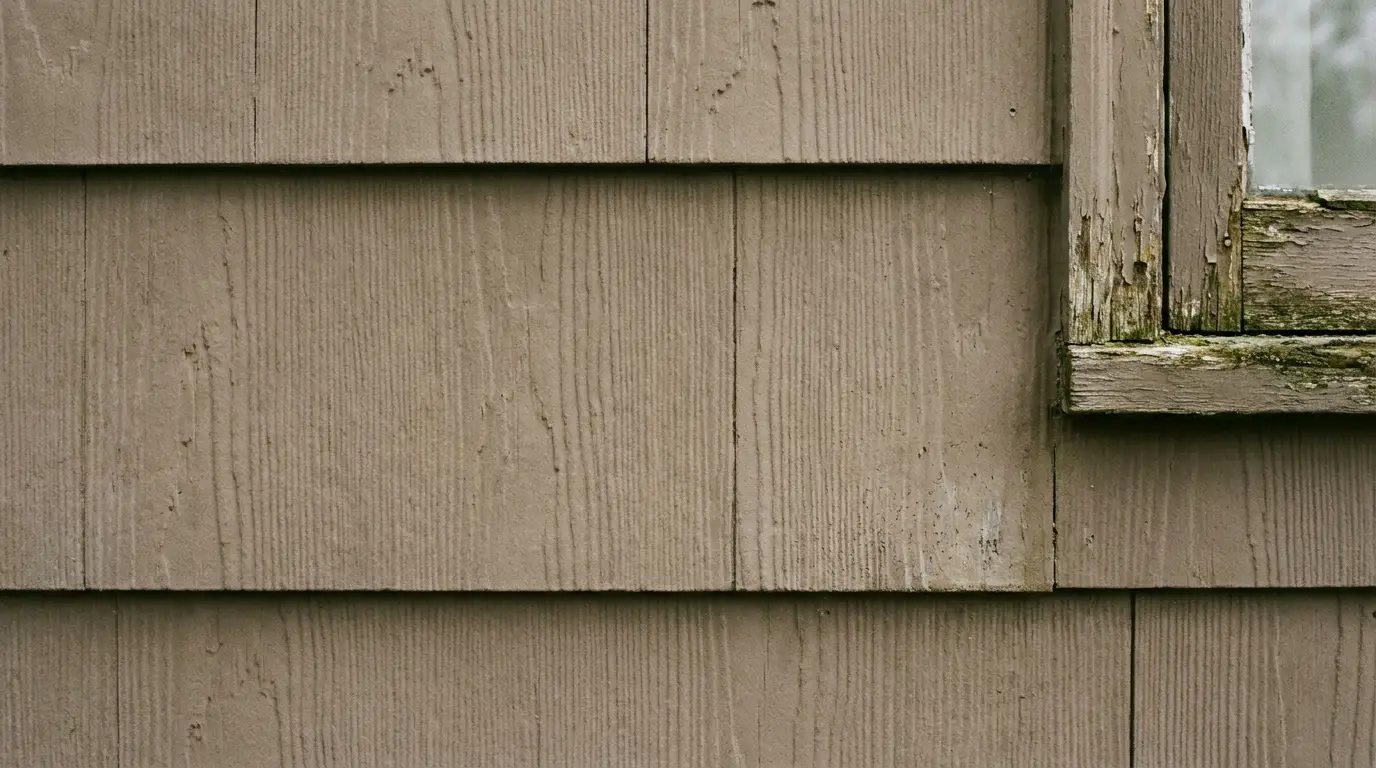
You don’t need superhero vision to notice when siding is asking for help. Take a slow walk around your house and look for the obvious stuff first. Cracks, loose panels, warped edges, and peeling areas are all signs something may need attention. Faded color can also make a home look older than it is, even when the structure is still fine.
Moisture stains are another clue worth noticing. If you see discoloration, mildew, or spots that seem to come back after cleaning, water may be sneaking where it shouldn’t. That’s never a fun surprise. It’s the home-maintenance version of finding soggy cereal.
Also pay attention to how often you need to repaint, patch, or clean the same spots. If one side of the house keeps becoming a problem child, your siding may be past the point of quick fixes. Catching small issues early can help you avoid bigger repair bills and keep your curb appeal from slowly sliding downhill.
Pick the Right Style
Choosing new siding isn’t just about what looks nice in a sample photo. It should make sense with your home’s shape, size, and personality. A simple ranch-style home may look best with clean lines and calm colors. A taller traditional home can often handle a little more contrast or texture without looking too busy.
Try to think about the whole exterior, not just the siding by itself. Warm neutrals tend to feel safe and timeless. Deeper colors can look rich and stylish, but they may also show dust, fading, or wear more quickly depending on the location. If your roof, stonework, or walkway has strong colors already, choose siding that works with those features instead of fighting them.
Texture matters too. Smooth finishes feel crisp and modern. Wood-look styles can add warmth without making your house seem rustic by accident. The goal is balance. You want your home to stand out in a good way, not in a “why is that wall shouting at me?” kind of way.
Think Beyond the Walls
A siding update works best when the surrounding details don’t get left behind. You can improve curb appeal a lot by giving trim, shutters, and the front door a little attention at the same time. Even fresh exterior lighting can make the whole house feel more polished.
Trim is especially important because it frames the siding. If the siding looks fresh but the trim is chipped or faded, the eye goes straight to the rough spots. The same goes for gutters, porch railings, and garage doors. They don’t need to be fancy. They just need to feel intentional.
Landscaping helps more than people think. A tidy walkway, trimmed shrubs, and a few healthy plants can make new or repaired siding look even better. It’s like putting on a great outfit and then remembering to comb your hair. Small details pull everything together. You don’t need a TV-worthy reveal. You just want the house to feel neat, balanced, and pleasant from the curb.
Budget for Smart Upgrades
It’s easy to get distracted by big dream-home ideas, but a smart siding budget starts with priorities. First, figure out what truly needs repair and what is mostly cosmetic. Damage that affects moisture protection should move to the front of the line. Style changes can follow after the basics are covered.
Get a few quotes so you can compare options clearly. Don’t look at price alone. Ask what’s included, how long the work may take, and whether trim or cleanup is part of the job. Sometimes the cheapest quote is only cheap because half the details are missing.
It also helps to think long term. Spending a little more now on better materials or a more complete repair may save you from repeat costs later. If your budget is tight, ask about phased improvements. You might handle the most visible side of the house first or pair siding work with a smaller trim update. Practical beats flashy every time when real life is paying the bill.
Plan Your Next Step
If you’re not sure where to begin, keep it simple. Start with a walk around your house and take photos of anything that looks worn, loose, faded, or uneven. Pictures help you notice patterns, and they’re useful when you talk to a contractor later. Then save a few examples of exterior looks you like so you can explain your style without playing a guessing game.
After that, make a short list of goals. Maybe you want less maintenance. Maybe you want the house to look brighter. Maybe you just want it to stop looking like it’s permanently tired before coffee. Those goals help you make better choices.
A siding update doesn’t have to be dramatic to make a difference. Small changes can make your home feel newer, cleaner, and more welcoming. When you focus on practical improvements and details that work together, curb appeal gets a nice lift without the stress of a full-blown exterior overhaul.

With a Master’s in Architecture from the University of California, Berkeley, Alexander Martin has dedicated the last 18 years to enhancing outdoor living through thoughtful and robust structure design. His career kicked off in urban planning, giving him a unique perspective on integrating structures into diverse environments. In 2019, Alexander brought his expertise to our website, offering insights into creating versatile outdoor spaces. Since then, he has been the lead advisor for our outdoor design projects and is known for his ability to merge functionality with environmental consciousness. Alexander enjoys rock climbing outside of work and participates in community development projects, activities that reflect his passion for the outdoors and sustainable design.