
Picture the last house on your street that had a makeover. A front door in a deep fashionable shade, new planting, a smart house number. Now think about the windows.
If they were white frames before, they were white frames after. The door got the attention, and the twelve or more frames around it, which cover five times as much of the facade, never got a second thought.
If you are replacing windows anyway, the colour decision is already on the table, and it deserves more than the twenty minutes most people give it.
Why White Became The Default
White uPVC took over in the 1980s and 1990s because it was what the factories produced, and forty years later most streets still wear it. White works genuinely well on rendered and painted houses, where it reads as crisp rather than plastic.
On bare brick and stone it can do the opposite, sitting on the surface like a sticker instead of belonging to the wall. The point is not that white is wrong. The point is that it should be a decision, not a habit.
The Case For Grey
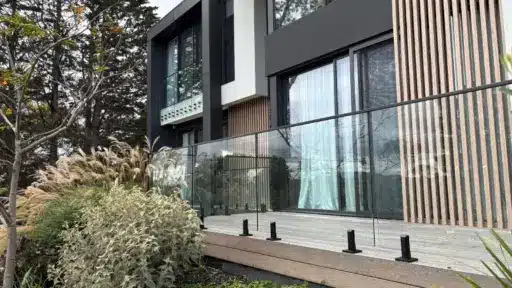
Anthracite grey, known in the trade as RAL 7016, has been the breakout frame colour of the past decade, and there is a practical reason behind the fashion. Dark frames visually recede, so the glass reads larger and the openings look sharper, and anthracite delivers that effect while staying softer than true black against brickwork.
If it feels heavy for your house, agate grey is the gentler cousin, a pale warm grey that suits cottages, coastal light and smaller windows. Slim uPVC casement windows in these shades have become the default look for renovations that want to feel current a decade from now, not just this year.
One Trick Most People Miss
You do not have to commit inside and out. Most manufacturers will supply frames coloured on the exterior face only, with plain white inside. The house gets anthracite or green from the street while every room keeps the bright white reveals that make windows feel bigger from indoors.
It costs a little more than white-on-white and solves the biggest worry people have about coloured frames, which is living with them.
Greens, Woodgrains And Heritage Shades
Sage and chartwell green photograph better against planting than any other frame colour, so they earn their keep on garden elevations. Muted greens also sit far closer to what period houses originally wore than brilliant white ever did.
If your heart says timber but your weekends say otherwise, woodgrain foils in oak or rosewood give you the grain and the warmth with none of the sanding and repainting cycle, and on a stone cottage they are usually the difference between windows that look fitted and windows that look like they have always been there.
Matching Frame Colour To Your Walls
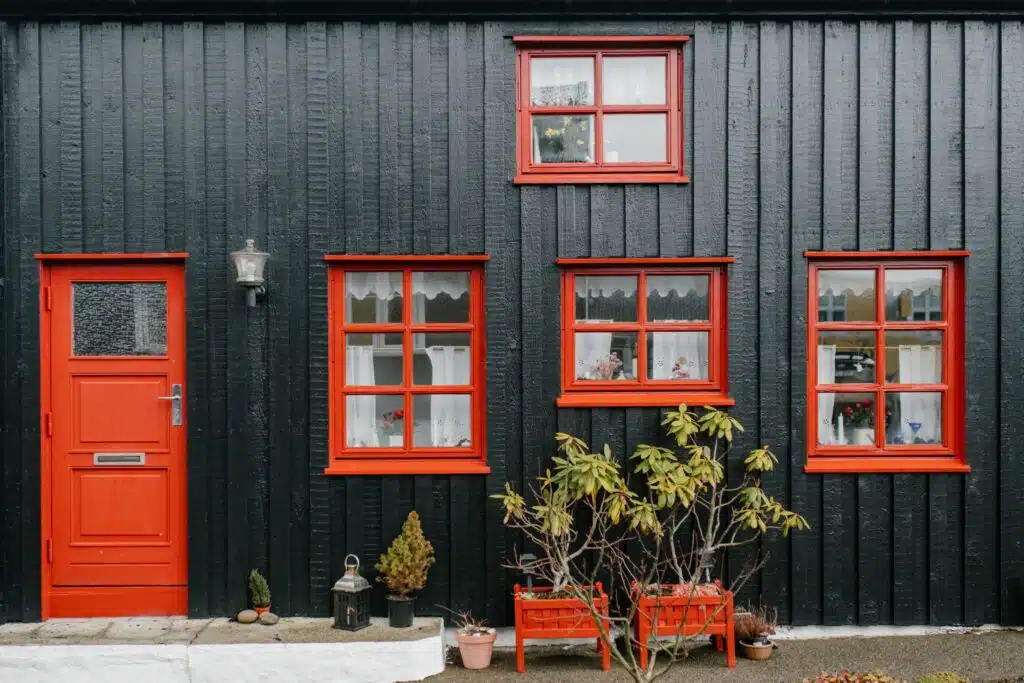
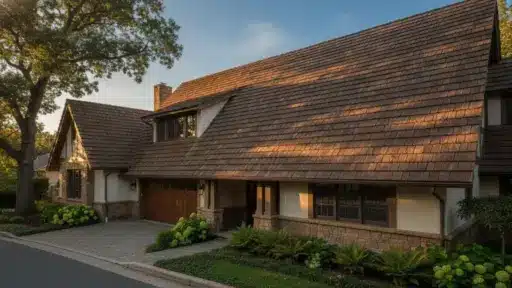
Red and orange brick pairs with anthracite, olive green and oak woodgrain, and fights with stark white. Painted render carries almost any frame colour, which makes it the place to be braver. Grey stone likes agate grey, soft green and cream, but can swallow very dark frames on dull days.
Textured render sits calmer behind a mid-tone frame than a white one, which tends to amplify the texture. And whatever the wall, check the roof. Frames that echo the slate or tile colour tie the whole elevation together for free.
The Trade-Offs Nobody Mentions
Dark frames hide everyday grime far better than white. They also absorb more heat in direct sun, so on a south-facing elevation the quality of the frame and foil matters more than the brochure suggests.
Remember the timescale too. A frame colour is a twenty-five year commitment, so choose the shade that flatters the house, not the one trending on your feed this month.
And colour has no bearing on performance, which comes from the frame engineering and the glazing unit, so insist on an A rating whatever the finish. The Energy Saving Trust has a plain-English guide to what makes a window energy efficient.
The Takeaway
Cross the street and look at your house the way visitors do, as one picture rather than a door and some walls. New windows arrive once in a generation, and the colour changes the face of the house more than anything you can do with a paintbrush in a weekend. The house on your street that everyone slows down for almost certainly got this decision right.

With a Master’s in Architecture from the University of California, Berkeley, Alexander Martin has dedicated the last 18 years to enhancing outdoor living through thoughtful and robust structure design. His career kicked off in urban planning, giving him a unique perspective on integrating structures into diverse environments. In 2019, Alexander brought his expertise to our website, offering insights into creating versatile outdoor spaces. Since then, he has been the lead advisor for our outdoor design projects and is known for his ability to merge functionality with environmental consciousness. Alexander enjoys rock climbing outside of work and participates in community development projects, activities that reflect his passion for the outdoors and sustainable design.