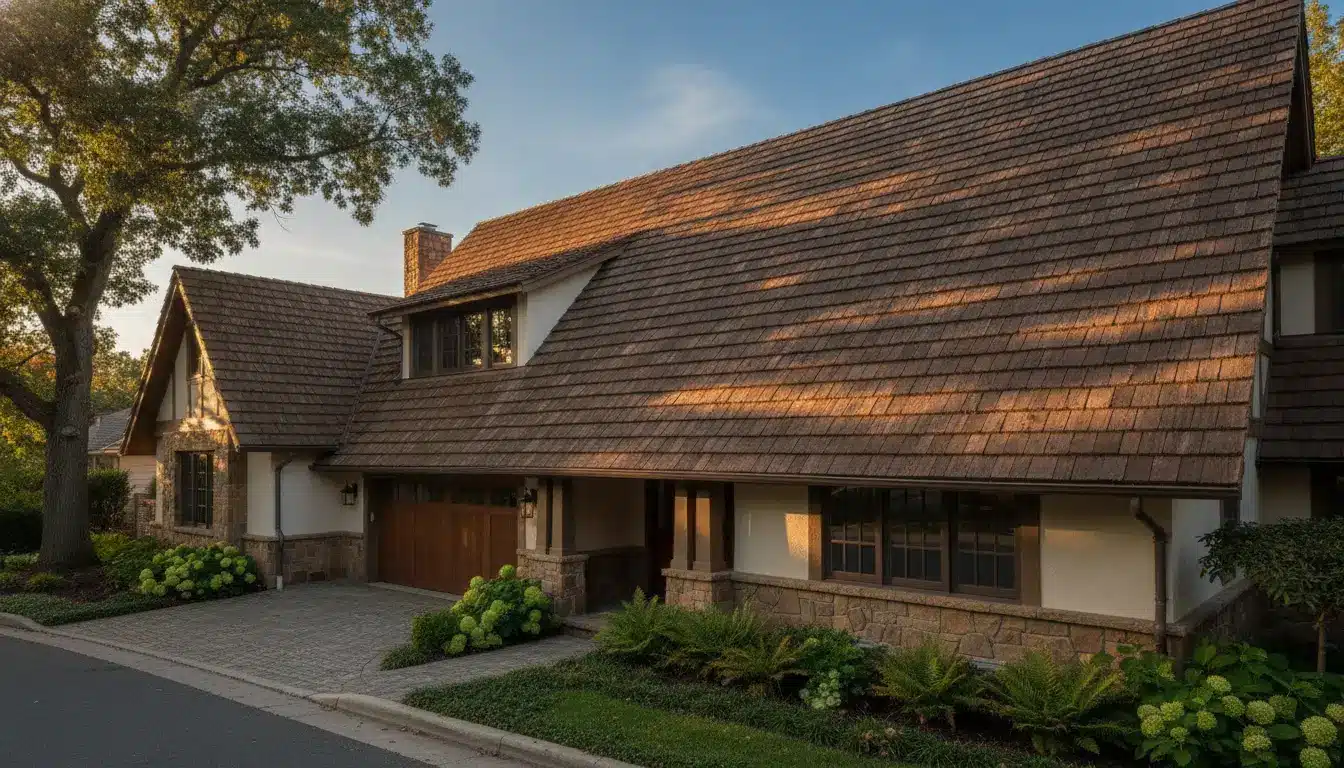

Clay tile, natural slate, and cedar shake all give a house a strong sense of character. Tile can make a home feel Mediterranean or classic, while cedar shake brings warmth and texture that looks right at home on Craftsman, cottage, and rustic houses.
The catch is that these materials come with strings attached. Clay and slate can place considerable weight on the structure, while cedar often requires more maintenance than homeowners expect. For those who want a similar appearance without taking on every limitation of the original material, modern metal roofing offers another route.
Why Weight Matters More Than It Seems
The material you choose determines far more than how the roof looks. It also affects how much load the framing carries, how the roof must be installed, and whether an older house might need structural reinforcement before the new covering goes on.
Clay tile and natural slate are both heavy. Depending on how a home is framed, installing either may require additional structural work, which can add cost and complexity to the project.
Cedar shake is lighter, but it trades that advantage for maintenance. Natural wood may require regular cleaning, treatment, and inspection, especially in damp climates where moss, moisture, and decay can become concerns.
That is why many homeowners begin looking for a material that can reproduce the visual character of tile, slate, or shake while asking less of both the structure and their time.
How Metal Can Reproduce Traditional Roof Profiles
Modern metal roofing does not have to resemble flat sheet metal. Manufacturers can shape steel panels into profiles that recall clay tile, wood shake, or natural slate.
For homeowners drawn to the warmth and irregular texture of cedar, a wood-look metal roofing profile can recreate much of that character while using steel as the underlying material.
From the street, the shape of the panel does much of the visual work. Barrel-style profiles can echo clay tile, deeper irregular patterns can create the shadow lines of cedar shake, and flatter layered profiles can produce an appearance closer to slate.
Because the underlying material is steel, these systems are generally lighter than clay tile or natural slate. That can make them easier to consider for homes where structural load is an important part of the decision.
The Main Looks Available
The right profile depends largely on the architectural style of the house.
Shake-Inspired Profiles
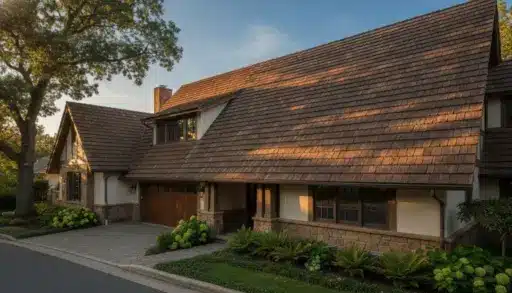
A shake-style panel is designed with deeper texture and varied shadow lines that echo split cedar. It suits Craftsman houses, cabins, cottages, and lake homes, and supports a rustic exterior without relying on natural wood as the roofing material.
Tile-Inspired Profiles
Tile-style metal roofing often works well on Spanish, Mediterranean, and Southwestern homes. Rounded or lower-profile shapes can create the visual rhythm of clay tile and the warm, patterned surface those styles rely on.
Slate-Inspired Profiles
Slate-style panels use flatter, layered shapes. They can create a refined, traditional look on Colonial, Tudor, and other classic homes where a crisp, orderly roofline matters.
Will It Still Look Like Metal?
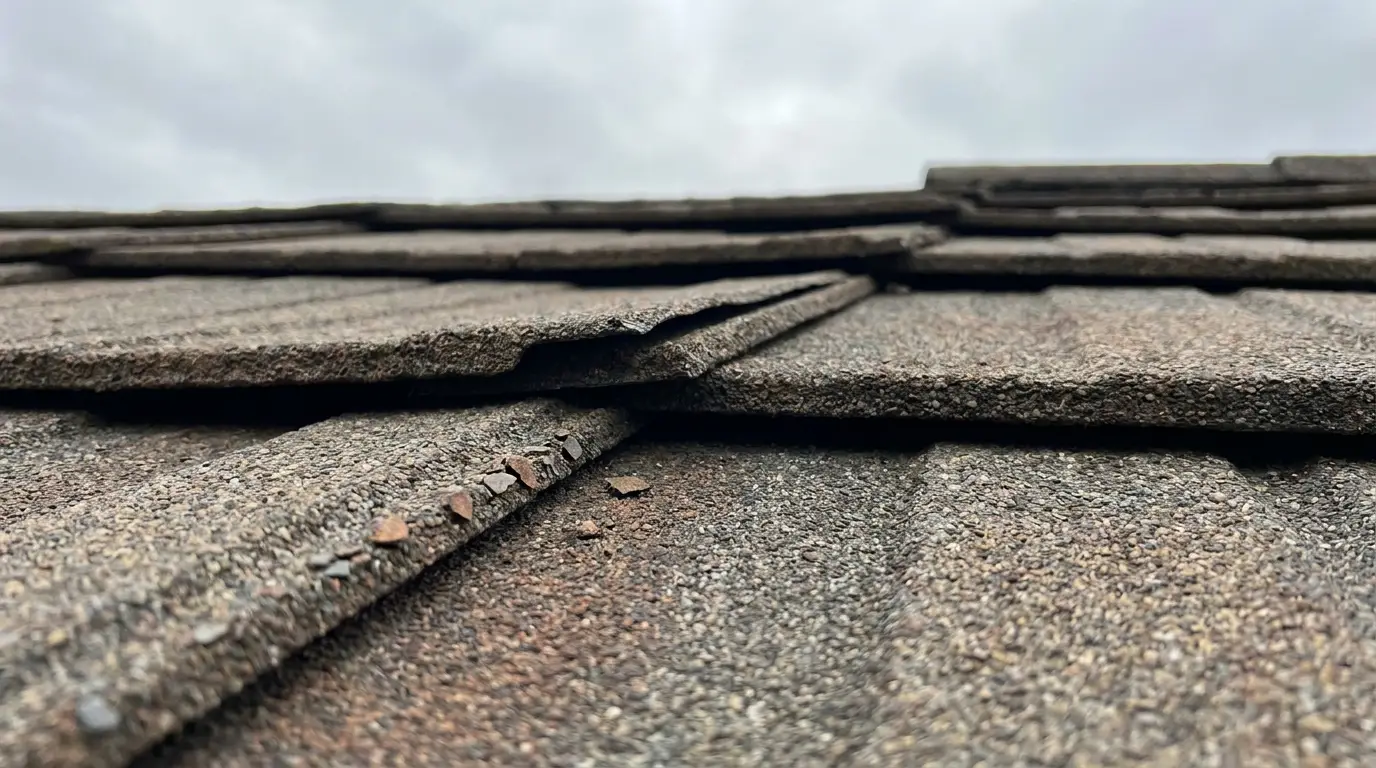
This is one of the most common concerns, and it is a reasonable one. Some metal roofs have a smooth, reflective appearance that is easy to recognize, but textured and profiled systems are designed differently.
A textured stone-coated roofing system uses a granular surface to soften reflections, while the dimensional panel shape creates depth and shadow. From the street, where most people actually view the roof, the profile and finish often have more visual influence than the material beneath them.
A roofing professional may still recognize the system from the edges, ridges, or installation details. For the overall appearance of the house, however, a well-selected profile can reproduce much of the character associated with tile, shake, or slate.
The most reliable way to judge the result is to examine full-size samples outdoors rather than relying only on website images. Natural light can significantly change how both color and texture appear.
Choosing the Right Color and Finish
Color plays a major role in whether a roof feels appropriate for the house, so it is worth taking time over the decision.
Warm terracotta, brown, and weathered tones tend to suit traditional or rustic homes. Charcoal, black, and deep gray often work well with contemporary architecture or white and neutral facades. Lighter finishes can make a house feel more open, while darker roofs often give it a more grounded and substantial appearance.
Before making a final selection, compare the sample with:
- the exterior wall color;
- brick or stonework;
- window and trim finishes;
- neighboring properties;
- the surrounding landscape.
It also helps to look at the sample at different times of day. A roofing color may appear noticeably different in direct sunlight, shade, or overcast conditions.
Match the Profile to the Architecture
A roof should reinforce the character of the house rather than compete with it. A barrel-tile profile may look natural on a stucco Mediterranean home but feel out of place on a minimalist house with sharp rectangular lines. A shake profile can complement a cottage or Craftsman home but may not suit a sleek modern design.
Local context matters as well. Homeowners in an HOA or historic district should check for any rules covering roof material, color, profile, or reflectivity before ordering. It is far easier to confirm those requirements in advance than to resolve a conflict later.
A slow drive through the surrounding area can also help. The goal is not to copy neighboring homes, but to understand which roofing styles already feel visually appropriate within the local setting.
How These Roofs Perform Over Time
Performance depends on the specific system, coating, climate, and quality of installation. For that reason, it is better to review the actual product specifications than to rely on broad claims about lifespan or maintenance.
Steel avoids some of the vulnerabilities associated with the materials it imitates. It is not prone to rot in the same way as natural cedar, and it does not face the same type of cracking risk as clay tile.
Even so, not every system performs identically. Coastal salt, strong sunlight, freeze-thaw cycles, and severe weather can affect coatings, fasteners, and finishes differently. Homeowners should ask how a particular product is intended to perform in the conditions of their region.
What to Check Before Committing
A few checks at the beginning of the project can prevent problems later.
First, obtain a physical sample and examine it in natural daylight. This gives a much clearer impression of the color, depth, and texture than a photograph can provide.
When comparing available profiles, product collections from Novatik roofing can be reviewed alongside the exterior materials already used on the house. Placing a real sample next to the walls, trim, brick, or stone makes it easier to judge whether the finish belongs with the architecture.
Second, ask the contractor about experience with the specific installation system. Profiled metal panels are installed differently from asphalt shingles, so familiarity with the product matters.
Third, confirm local requirements. Building codes, wind ratings, fire regulations, and HOA guidelines may all influence which systems can be used.
Finally, compare the total project cost rather than looking only at the material price. Structural work, installation, maintenance, disposal, and related details can all affect the final cost.
Final Thoughts
Homeowners who appreciate the appearance of clay tile, natural slate, or cedar shake do not necessarily have to use the original material to achieve a similar architectural effect.
Profiled metal roofing separates much of the desired appearance from the weight and maintenance traditionally associated with those materials. That gives homeowners more freedom to choose a roof that suits the house, the local climate, and the practical demands of the property.
The decision comes down to three important steps: select a profile that supports the architecture, review real samples in natural light, and work with an installer who understands the specific roofing system.

With a Master’s in Architecture from the University of California, Berkeley, Alexander Martin has dedicated the last 18 years to enhancing outdoor living through thoughtful and robust structure design. His career kicked off in urban planning, giving him a unique perspective on integrating structures into diverse environments. In 2019, Alexander brought his expertise to our website, offering insights into creating versatile outdoor spaces. Since then, he has been the lead advisor for our outdoor design projects and is known for his ability to merge functionality with environmental consciousness. Alexander enjoys rock climbing outside of work and participates in community development projects, activities that reflect his passion for the outdoors and sustainable design.