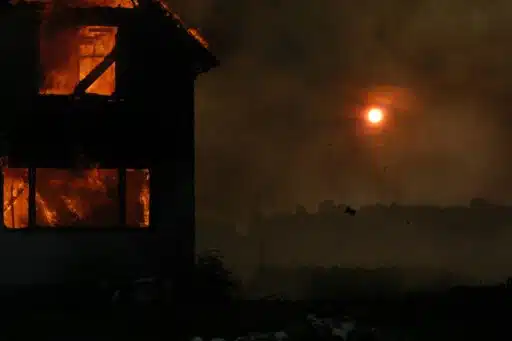
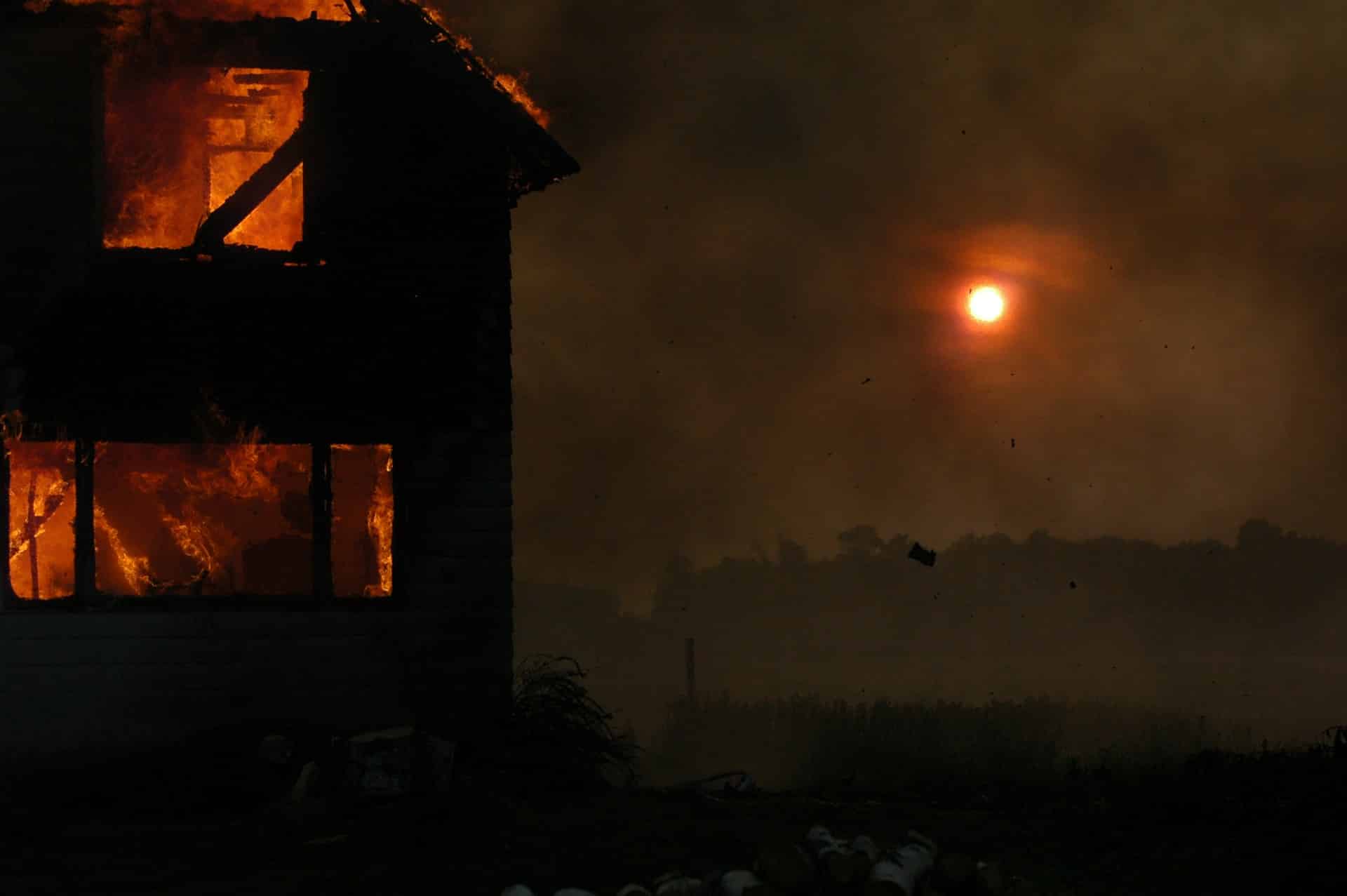

The first thought that occurs to any homeowner whose house caught fire is, of course, that the fire is the disaster. We are not going to argue with that, as the fire is a serious threat indeed.
But it is not the only disaster, as the second disaster develops in the first hours and days after the fire is extinguished, frequently unnoticed but surely – and it can strain your finances if you are not careful as you overlook the damage that is arguably worse than the fire itself.
What is the Soot Doing to Your Home Right Now
Soot is not some nuisance that needs to be cleaned – it is an acidic precipitate that starts interacting with all the surfaces it touches from the moment the fire is extinguished. On metal, oxidation begins, which means that your door handles, kitchen appliances, and copper wire will soon corrode. It etches the glass and adheres to stone surfaces such as marble and concrete.
However, the most insidious property of soot is its acidity. The soot resulting from the combustion of modern household materials contains a considerable amount of trace elements from plastics, adhesives, and insulating films – in other words, materials substantially more corrosive than wood. Such soot will permanently spoil the surface it adheres to within 72 hours of the fire’s extinguishing.
That is why soot removal is a race against time – a professional cleaner will use special dry sponges to remove the most damaging traces of soot before they permanently spoil the surface. The fact that the soot is not being left alone is vital and must be done without delay, as the moment you think about postpon must be done without delay, as the moment you think about postponing, it will be too late.
The Physics of How Smoke Gets Everywhere Presents Another Challenge
During the fire, the smoke particles become charged and seek out the closest surface with an opposite charge and enough porosity to get stuck there firmly. In other words, not only will the smoke leave traces on all the surfaces it touched, but it will get inside wherever it could, leaving behind nasty black spots. To put it another way, it is impossible to simply paint the smoke away or get rid of it with a regular carpet cleaner.
Water that Has Gotten Into the Walls and Floorboards
In most cases, significant water damage accompanies a fire – thousands of liters of water are pumped into the building by fire crews, and only a small percentage of it leaves with them. Apart from that, water is needed to extinguish the fire, which means that there is water in insulation, subflooring, and wall cavities – and this is not taking into account the water involved in cleaning up the aftermath.
According to IICRC mold remediation standards, mold is able to grow on any organic material within 48 hours from exposure to water. Drywall, wood, and carpet backing are all organic, which means that a fire that occurred more than ten days ago has already had plenty of time to leave your house with extensive mold growth. In fact, signs of mold can be seen anywhere within a month after the fire. This is why any building with a large-scale fire that is not fully dried within seventy-two hours will have mold behind the drywall, on the floor joists, and in the wall cavities.
That has huge implications for the restoration timeline, as moving in without dealing with the mold is a recipe for disaster. If new drywall is installed without mold remediation, the mold may return in six months, but it will be far more expensive to remove the newly installed insulation, drywall sheets, and floorboards.
Since water damage almost always accompanies fire damage, and although it is partly involved with fire damage remediation, there are separate standards for water damage restoration. This is why fire and water restoration companies should deal with both problems at once, being equipped with the necessary tools.
Thermal Damage to The Building Structures is Unpredictable
One of the scenarios that we encounter most often involves the policyholder looking out at the house and examining the framing. After that, they decide that everything was in decent condition as they could see all the exposed wood and inform their homeowners insurance that the structural integrity was not compromised. The insurance company is also convinced, and contractors begin to restore, only for the homeowner to discover a year later that their house was actually sagging in certain places.
This was due to the hidden thermal damage to wood and engineered wood products. Charred wood fibers are indeed quite rare in modern construction, as building materials are made with a different technology. Modern engineered wood products are made by pressing thin layers of wood pulp with a thermoplastic adhesive. The resulting board is uniform and has a density and strength comparable to wood.
However, the same properties can be disastrous for the integrity of the house under fire conditions, as thermoplastic adhesives begin to lose strength at temperatures above 200 degrees Fahrenheit. As a result of the fire, the wood fibers lose strength and resilience due to the effects of heat – and this is not visible to the untrained eye. The section of the building structure made of these materials is weakened, which means that the building’s strength and weight capacity are compromised.
That is why a structural engineer must assess the building’s structural integrity after a fire, rather than just a contractor. This specialist will look at the building’s load-bearing walls and floor joists, estimating the potential danger. It is the responsibility of the structural engineer to analyze the load capacity of the house and its various elements, determining which of them, if any, has been compromised by the fire.
For residents of large cities, a structural engineer will usually also carry out a survey of hazardous emissions from the building materials – asbestos, lead, and other toxic substances. Asbestos removal is a highly regulated and expensive procedure in most municipalities, and building owners may be held responsible for illegal asbestos disturbance.
The process of obtaining permits, working with insurance companies, and documenting everything correctly is complicated enough that many policyholders are ready to entrust even this tedious procedure to the best fire damage restoration company in NYC, thus avoiding potential pitfalls during the transition from emergency to reconstruction phase.
Why Painting Over the Smoke Always Turns out to be a Mistake
Paints and primers are not effective at removing smoke odors. It has to do with chemistry, not with the difference between oil-based and latex paints.
The smell of smoke clings to wood and drywall, and when the relative humidity rises, it emerges from the cracks and crevices. This is why a freshly painted ceiling in a room with drywall will smell of burning paper throughout the spring. Latex paint cannot get rid of the odor of smoke – it can only trap part of the molecules in the lacquer paint film.
However, thermal fogging is often necessary to eliminate the odors, temporarily saturating the air with a deodorizing mist similar to smoke so that it can reach the same areas. In addition, hydroxyl generators and ozone machines can be used to oxidize the odorous molecules, breaking them down into simpler, odorless molecules. It is also not uncommon for shellac-based sealers to be applied to the wood partitions to exclude the possibility of subsequent odors.
These measures are time-consuming and must be taken before installing any kind of drywall. It is not that it will hurt you directly if you don’t do them, but a few months later, the new owners or renters of the house may well have unpleasant associations with the familiar scent of smoke that emanates from the drywall.
Your Hvac System can Turn Into an Emitter of Toxins
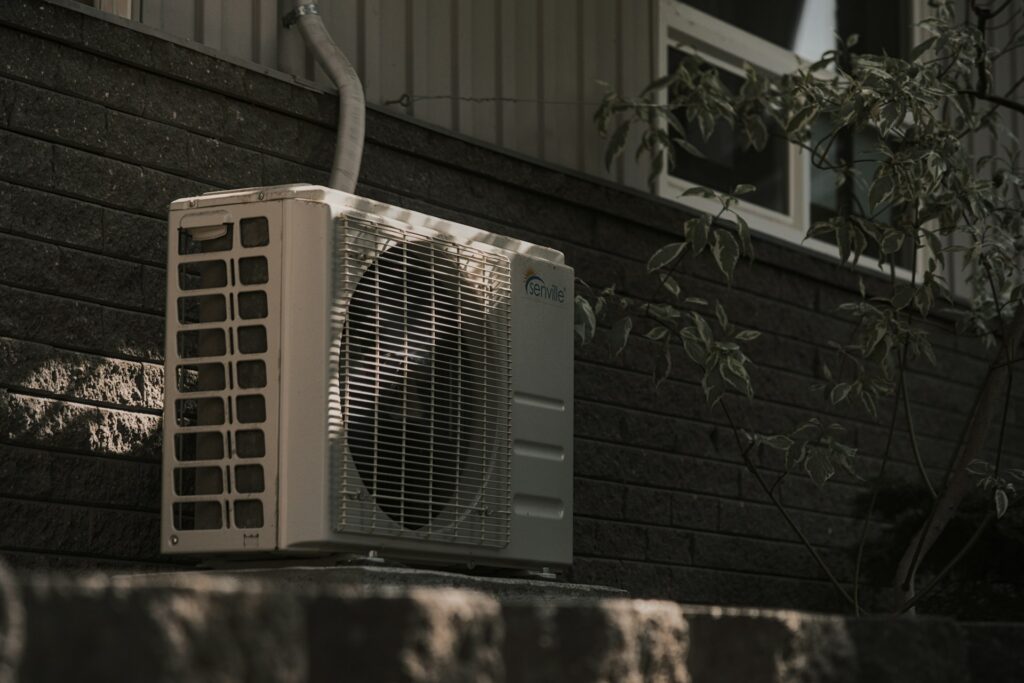
Many factors that seem completely unrelated can contribute to the appearance of unwanted odors after a fire. For example, not only does the fire damage restoration company deal with the removal of the smell of smoke, but sometimes with the smell of mold, animal waste, or other household odors. However, even in these situations, people rarely consider that the air conditioner could be the source of the problem.
During the fire, the soot, ash, and asbestos fibers that were in the air were sucked into the ducts and are now being released back into the living areas with the conditioned air – in other words, the entire house now smells of a fireplace. The same problem occurs with dirty air filters that must be replaced as soon as possible.
HVAC decontamination is an indispensable procedure during fire damage restoration, which should be carried out before the house or apartment is occupied again. Thus, air duct cleaning specialists in full hazard protection suits remove soot, smoke, and other impurities from the ducts to ensure that the air circulating in the building is as clean as possible.
At the same time, the motor and fan of the air conditioner are inspected, and the filters inside the unit are replaced – ordinary ones are replaced with high-performance ones. In addition, in case of heavy soot and ash contamination, the ducts may be sealed to stop the source of emissions.
Insurance Documentation Issues that Arise Later
The other reason why rushing into fire damage repair is ill-advised is insurance documentation.
Policyholders who start cleaning and repairing before the appointed date of the adjuster’s arrival or without drawing up a detailed list of damages run the risk of encountering unexpected insurance claim denial for expenses already incurred.
When it comes to fire damage restoration, documentation by an independent adjuster and restoration work should proceed concurrently. The reason for this is that documentation helps you to understand the scope of the damage and not waste money on superfluous details – smoke odors in the wall cavities, water damage, and thermal expansion of materials – all this should be indicated to the adjuster so that he can prepare an accurate estimate.
After the documentation is complete, you will have a much better idea of what you can and cannot afford to fix.
It is not advisable to take any major steps before the arrival of the independent adjuster; in principle, everything should be limited to emergency measures. It is not the time to order the removal of the drywall – there will be plenty of time for this after the adjuster prepares the report.
When can reconstruction begin? Of course, it all depends on the situation, but in principle, the first few weeks after the fire are devoted to eliminating the most dangerous threats to the building and its contents, drying, and preparing the building for decoration. This is also the time when it makes sense to look for a fire restoration team if you have not done so already. It is never too late to start, but the sooner the better, as some procedures have a limited window of opportunity.
The only Deadline for Restoring Your Home After a Fire
Post-fire remodeling is not a priority – it comes much later after chemical mitigation, water damage restoration, and drying. It is vital to take this into account when planning post-fire interventions and not to try to start repairs as soon as possible after the fire. Owners of houses and apartments that had a fire and now have to deal with persistent smoke odors, mold, and threats to the structural integrity of the building made a common mistake – they tried to start rebuilding too early after the fire.
It was not simply a rushed decision but rather a misunderstanding of the situation, as rushing will not make the drywall less susceptible to mold or the wood lose its strength.
After a fire, the most critical time is spent drying the building, getting rid of the smell, and eliminating the effects of high temperatures – and the later you start, the more challenging these tasks will be.

Holding a Master’s in Architecture from the University of Texas at Austin, Emily Rodriguez has dedicated more than two decades to the art and science of building renovation. Starting her journey in historic preservation, she developed a profound respect for blending old with new in building design. Emily became a vital part of our team in 2019, renowned for her insightful and innovative renovation tips. She has been leading our DIY home improvement series since ever since, where she shares her wealth of knowledge in turning outdated spaces into modern havens. When not engaged in writing or consulting, Emily is a passionate advocate for heritage conservation and enjoys exploring vintage architecture, a hobby that complements her professional expertise.