
Restoring a character-rich house comes with immense personal satisfaction; however, the journey requires balancing creative styling with smart financial planning. Transforming an aging structure into a modern sanctuary takes more than a keen eye for decor, as it demands a clear roadmap aligning your visual goals with real-world resources. Whether preserving original architectural details or executing a complete spatial overhaul, taking a structured approach ensures the project stays enjoyable from start to finish.
1. Master the Architectural Vision: Preserving Character While Modernizing
Before tearing down drywall or ordering statement lighting, spend time understanding your home’s existing architecture! Older homes often feature distinct craftsmanship: hand-carved molding, solid hardwood floors, and exposed brickwork that mass-produced builds rarely replicate.
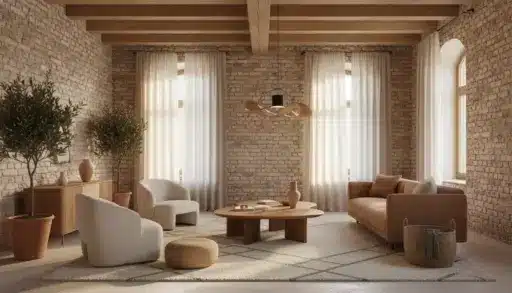
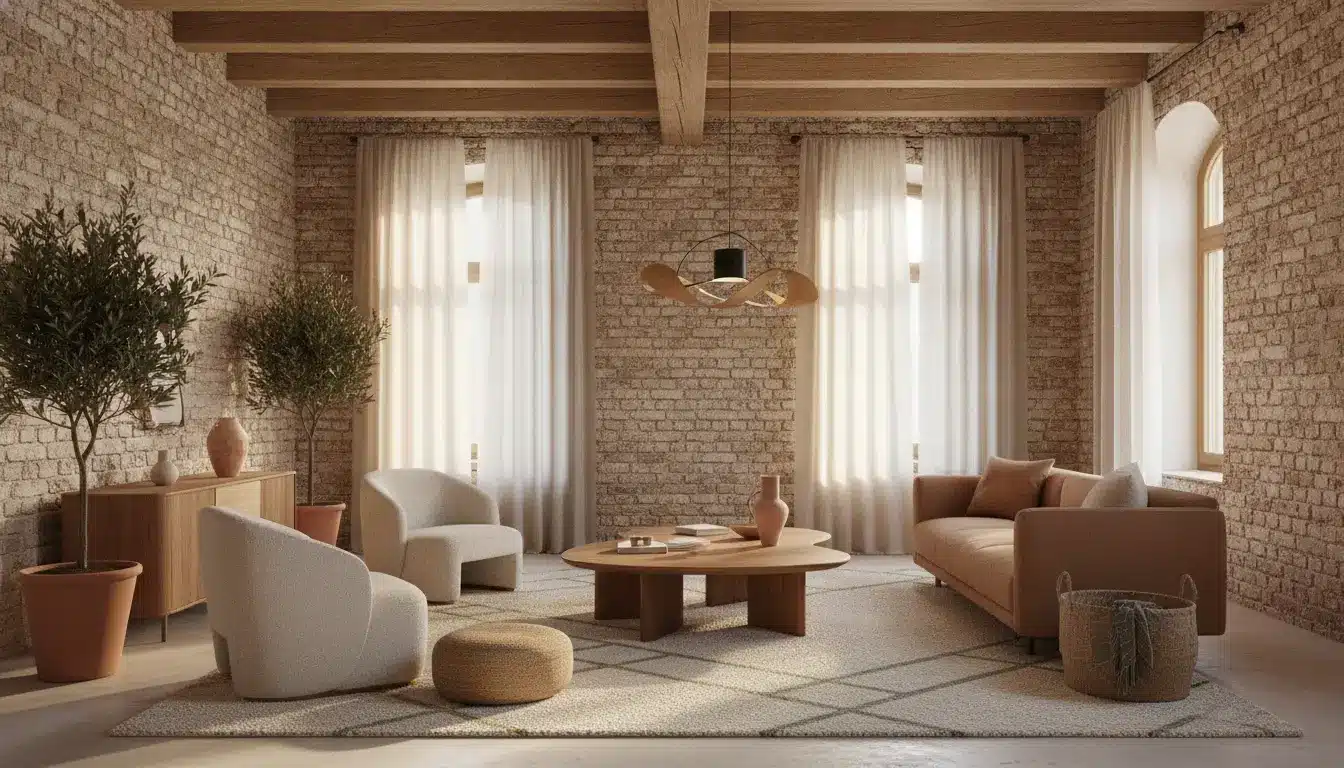
- Highlight original features: Clean up aged brick walls or timber beams to make them the focal anchor of the room instead of hiding them behind modern covers.
- Blend vintage with modern elements: Combine classic architectural bones with sleek, organic modern furniture to create visual contrast.
- Prioritize natural light: Restore original window frames while adding sheer, floor-to-ceiling drapery; this simple trick instantly lifts dark, historical layouts.
Balancing historical charm with fresh styling gives your restoration a timeless feel without sacrificing modern comfort.
2. Secure Your Restoration Budget With Smart Financing
A successful restoration hinges on a solid financial structure because renovation costs can escalate quickly once work begins behind old walls.
When planning structural upgrades, foundation fixes, or high-impact room overhauls, exploring flexible mortgage loans tailored for renovation helps cover upfront material and contractor expenses without draining your emergency savings. Digital tools make comparing options easier than ever: you can apply online for a home loan and secure competitive rates directly from your laptop before demo day starts.
Having fixed funding in place lets you make design decisions based on quality and long-term durability, preventing the need to cut creative corners mid-project.
3. Optimize Flow and Functionality Across Every Room
Restoration is not just about aesthetics; it is about making an old floor plan work for modern daily living. Historic homes often feature smaller, segmented rooms, whereas current design trends favor open, connected spaces with clear visual flow.
- Remove non-load-bearing partitions: Opening up the passage between the kitchen and dining area creates an inviting atmosphere perfect for hosting.
- Define distinct functional zones: Use textured area rugs, contrasting wall finishes, or strategic furniture placement to anchor specific spaces within an open layout.
- Maximize storage built-ins: Custom cabinetry fitted into awkward nooks or under staircases adds high-value functionality while keeping clutter at bay.
Rethinking your layout ensures the restored home feels spacious, light-filled, and effortless to navigate.
4. Elevate the Interiors: Layering Textures and Mood Lighting
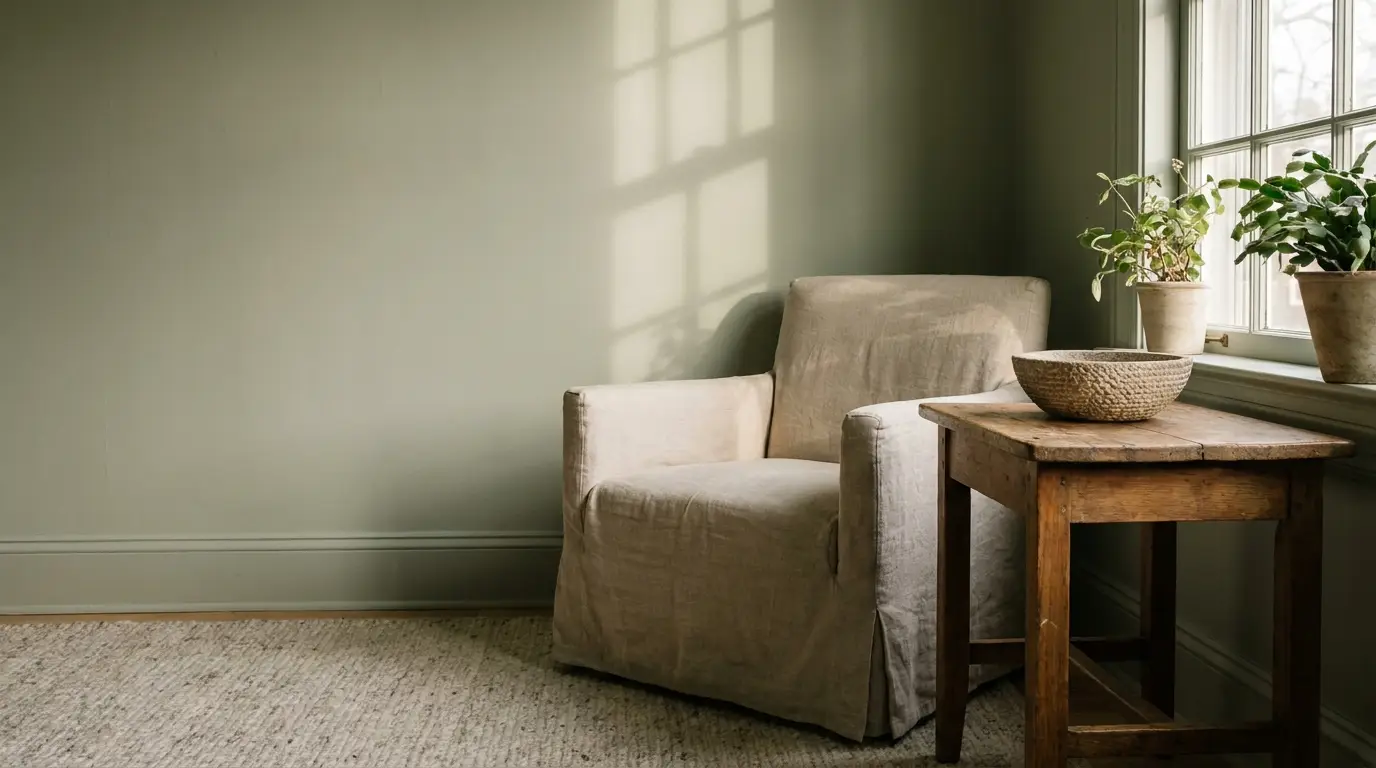
Once the major structural and financial details are settled, the real magic begins: bringing the home to life through curated decor. A restored space thrives on subtle contrast, rich textures, and intentional lighting.
- Earthy Palettes and Organic Textures: Stick to a grounded color palette featuring warm neutrals, soft clays, and muted sage greens. Layer these shades with linen drapery, solid wood furniture, and woven stone accents to soften structural lines.
- Sculptural and Ambient Lighting: Swap out outdated overhead fixtures for bold pendant lights above kitchen islands (and layer living areas with warm table lamps, floor sconces, and dimmable options to set the right mood).
- Thrifted Treasures and Contemporary Art: Avoid sourcing every item from a single showroom; mixing thrifted flea-market finds with modern abstract art adds an authentic, lived-in charm that mirrors the history of the house.
5. Phase Your Project for Stress-Free Execution
Attempting to restore an entire house all at once can lead to decision fatigue and unexpected budget overruns. Staging your project in clear phases keeps the timeline organized and manageable:
- Phase 1: Essential Infrastructure: Address plumbing, electrical wiring, roofing, and foundation issues before touching cosmetic elements.
- Phase 2: High-Traffic Hubs: Focus your initial decor budget on the kitchen and primary living room, as these spaces yield the highest everyday enjoyment.
- Phase 3: Bedrooms & Bathrooms: Update private quarters with fresh paint, modern fixtures, and cozy textiles.
- Phase 4: Outdoor and Finishing Touches: Complete the transformation with landscaping, porch styling, and curating personal art pieces.
Restoring a home is ultimately an evolving labor of love, one that balances financial foresight with creative passion. When you take the time to secure your funding early, honor the house’s original craftsmanship, and layer your design choices with patience, the daunting reality of a renovation turns into an endlessly rewarding process.
Every exposed beam, thoughtfully placed light fixture, and curated vintage find adds another chapter to your home’s story! By taking it one phase at a time and staying true to your personal aesthetic, you won’t just repair an aging property; you will craft a character-rich sanctuary tailored for modern living that you will love coming home to for years to come.

Holding a Master’s in Architecture from the University of Texas at Austin, Emily Rodriguez has dedicated more than two decades to the art and science of building renovation. Starting her journey in historic preservation, she developed a profound respect for blending old with new in building design. Emily became a vital part of our team in 2019, renowned for her insightful and innovative renovation tips. She has been leading our DIY home improvement series since ever since, where she shares her wealth of knowledge in turning outdated spaces into modern havens. When not engaged in writing or consulting, Emily is a passionate advocate for heritage conservation and enjoys exploring vintage architecture, a hobby that complements her professional expertise.