
Renting a dumpster can make a cleanup, renovation, or construction project much easier, but the delivery itself requires some preparation. A roll-off dumpster is large, heavy, and delivered by a truck that needs enough room to safely enter the property, place the container, and leave without damaging nearby structures or landscaping.
Whether you are planning a residential cleanout, roofing project, remodeling job, demolition, or contractor-led construction work, preparing the delivery area in advance can help prevent delays, access problems, and unnecessary costs. Working with an experienced provider such as Eagle Dumpster Rental can also help you understand local delivery requirements, container sizes, and placement considerations before the dumpster arrives.
This guide explains how to prepare your property for dumpster delivery and what to check before your roll-off container arrives.
Choose the Best Location for Your Dumpster
The first step is deciding where the dumpster should be placed.
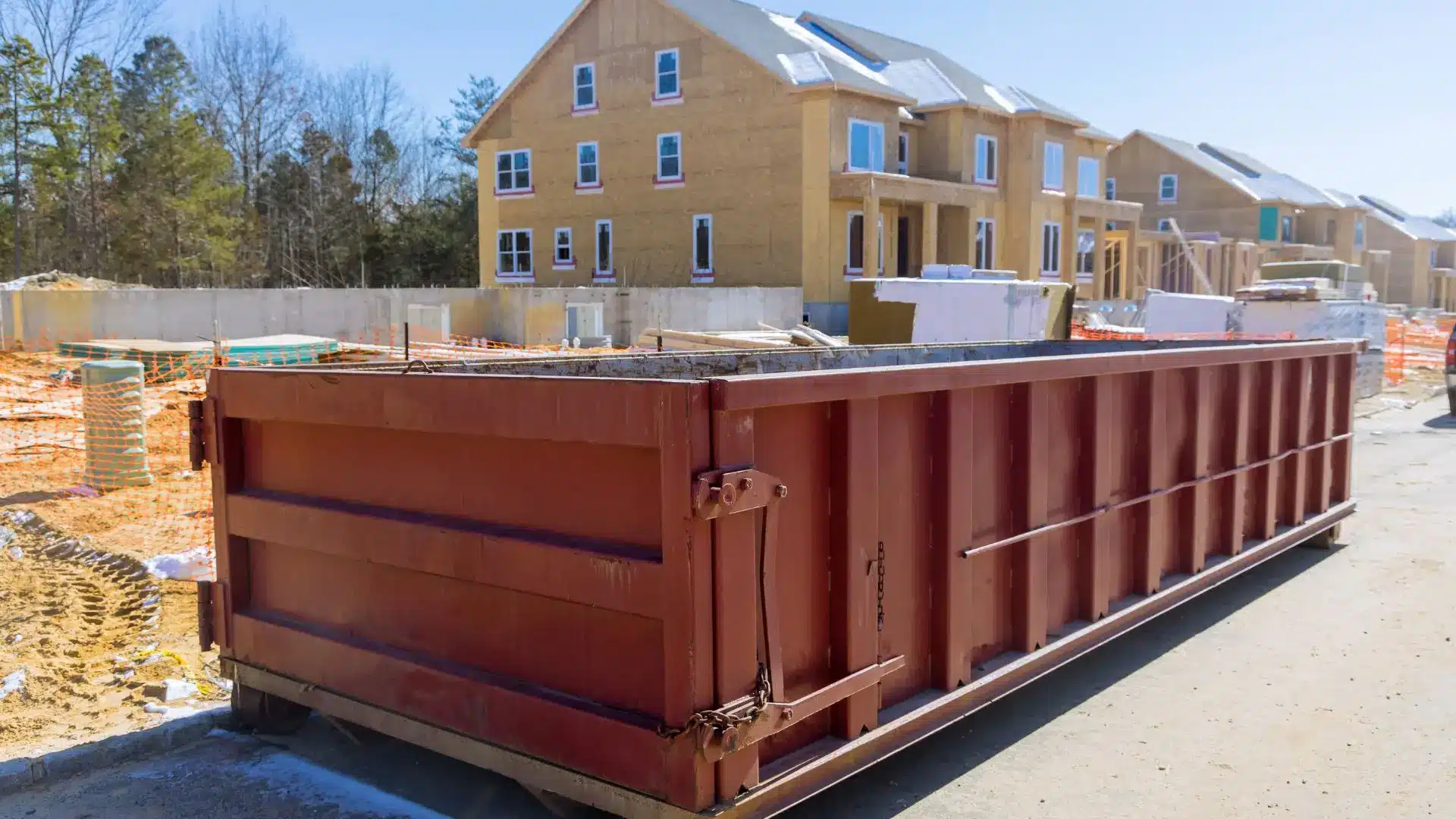
For most residential projects, the driveway is the most practical option. It provides a firm surface, keeps the dumpster close to the work area, and is usually easier for a delivery truck to access than a lawn or backyard.
Construction sites may have more flexibility, especially when there is a gravel staging area, parking lot, or open section of the property.
A good dumpster location should be flat, stable, easy for the truck to reach, and clear of nearby buildings or obstacles. It should also be close enough to the cleanup area that carrying debris does not become unnecessarily difficult.
Avoid placing a dumpster on soft lawns, septic systems, drainage areas, or unstable ground unless the rental company confirms that the area is suitable.
How Much Space Is Needed for Dumpster Delivery?
A common mistake is assuming the delivery truck only needs enough room for the dumpster itself.
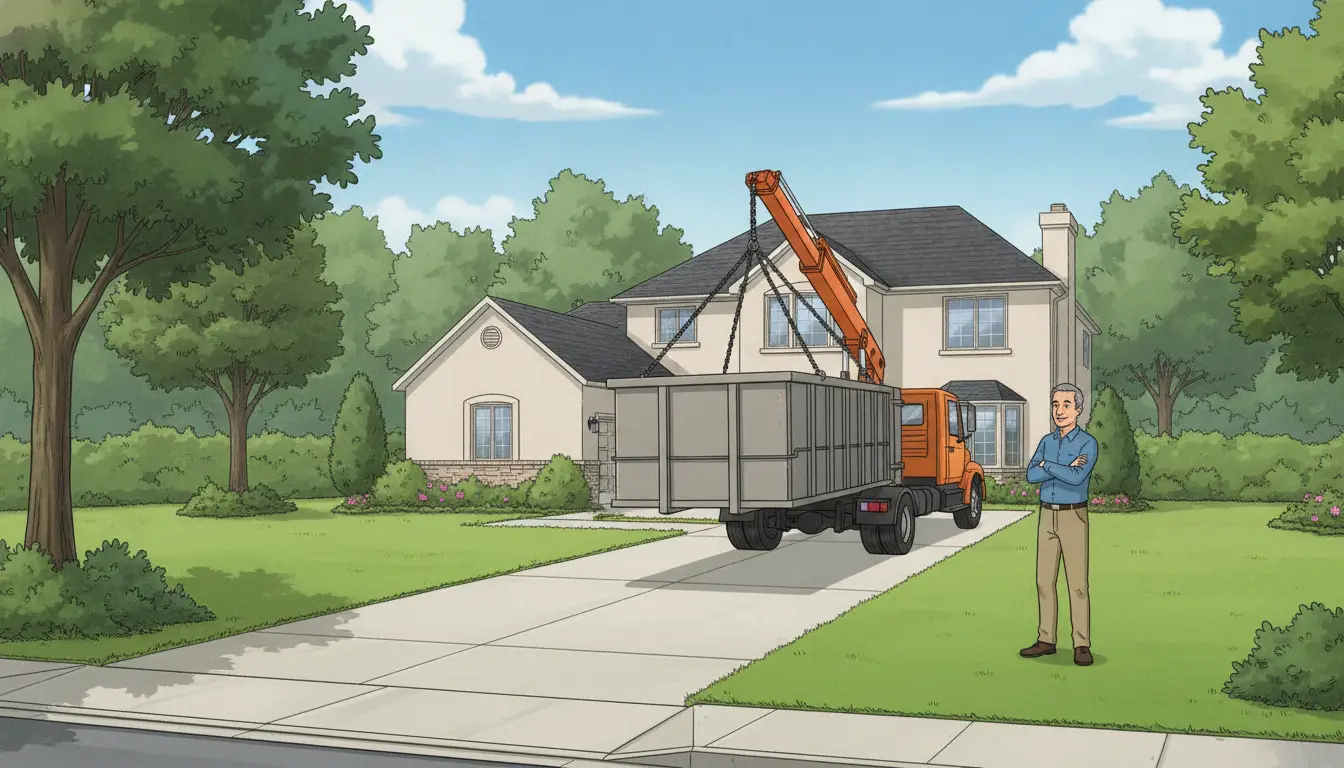
Roll-off dumpster trucks need additional space to back into position and lower the container using a hydraulic system. The truck usually needs to approach the placement area in a reasonably straight line.
The exact amount of clearance depends on the dumpster size, truck type, and property layout, but the access route should be much larger than the final footprint of the container.
Before delivery day, move parked vehicles, trailers, building materials, trash cans, tools, and other items away from the access route. Contractors should also make sure construction equipment or material deliveries do not block the truck.
Check for Overhead Clearance
It is just as important to look above the delivery area as it is to look around it.
Roll-off dumpsters are raised and lowered from the back of the truck, so overhead clearance is essential.
Check for power lines, telephone cables, internet wires, low tree branches, roof overhangs, carports, signs, and other structures above the intended placement area.
Never assume that a delivery truck can safely work beneath overhead utility lines. If the location appears tight, contact the dumpster rental company and discuss another placement option before the driver arrives.
Clear Your Driveway Before Delivery
If the dumpster will be placed in your driveway, clear the entire area ahead of time.
Move vehicles to another parking location and remove anything that could interfere with the truck. It is also helpful to tell family members, tenants, employees, neighbors, or contractors that a dumpster delivery is expected.
Once the container has been placed, moving it usually requires the rental company to return with the truck. Choosing the right position from the start can help avoid repositioning charges and delays.
Think about how you will use the driveway during the rental period as well. If you still need regular access to a garage or side entrance, choose a placement position that does not completely block those areas.
How Can You Protect Your Driveway?
A dumpster becomes extremely heavy once it is loaded, particularly when it contains roofing materials, lumber, drywall, concrete, brick, flooring, or demolition debris.
Property owners who are concerned about driveway damage may want to place sturdy wooden boards beneath the dumpster’s contact points. The boards can create a protective barrier and may help distribute some of the weight.
Driveway protection is especially worth considering if you have new asphalt, decorative concrete, pavers, or an older driveway with existing cracks.
Ask your rental provider whether they recommend placing boards underneath the container and whether they have specific requirements for preparing the surface.
Make Sure the Ground Is Firm and Level
Roll-off dumpsters should generally be placed on a stable, relatively level surface.
Soft soil can cause problems for both the container and the delivery truck, especially after heavy rain. Muddy ground may prevent the truck from safely entering the property or increase the risk of rutting and surface damage.
Uneven ground can also make the dumpster less stable once heavy debris begins to accumulate.
If you do not have a paved driveway, compacted gravel may be suitable depending on the site conditions. Contractors managing larger construction projects should consider drainage, soil stability, and equipment traffic when choosing temporary dumpster locations.
Do You Need a Permit for a Dumpster?
Permit requirements usually depend on where the dumpster will be placed.
A dumpster positioned entirely on private property may not require the same approvals as one placed on a public street, sidewalk, alley, or other right-of-way.
If your driveway does not have enough space and you plan to place the container on the street, contact your local municipality before delivery. Some cities and townships require a temporary dumpster or right-of-way permit.
Local requirements can vary considerably, which is why customers using services such as dumpster rental Charlestown should check applicable municipal rules before placing a container on a street or other public area.
Requirements may also depend on how long the container will remain in place, local parking restrictions, traffic conditions, and the width of the street.
Do not wait until delivery day to check. A permit issue can prevent the driver from placing the dumpster where you expected.
Plan How You Will Move Debris to the Dumpster
The best dumpster location is not always simply the easiest spot for the truck.
You should also consider how debris will move from the work area into the container.
For a residential cleanout, positioning the dumpster near a garage, basement entrance, or main doorway may reduce the amount of carrying required. During a kitchen or bathroom renovation, the container may be better placed near the side of the house closest to the work.
Contractors handling roofing or demolition may prefer a location that allows crews to dispose of debris efficiently without repeatedly crossing the property.
The goal is to find a balance between convenient loading and safe truck access.
Know What You Plan to Put in the Dumpster
Before the project starts, confirm which materials your dumpster rental provider accepts.
Typical roll-off dumpsters may be used for household junk, furniture, renovation waste, drywall, lumber, roofing debris, flooring, cabinets, and general construction debris.
However, certain materials may be restricted.
Hazardous chemicals, fuels, some batteries, liquid paint, pressurized tanks, asbestos-containing products, and other regulated materials often require separate disposal.
Heavy materials such as dirt, concrete, brick, and stone may also require a dedicated container because weight limits can be reached much faster than with ordinary household or renovation waste.
Knowing what you plan to dispose of helps you choose the correct dumpster size and avoid problems after loading begins.
Keep the Dumpster Area Accessible During the Project
Once the dumpster arrives, keep the surrounding area reasonably clear.
Do not allow vehicles, construction equipment, piles of lumber, or discarded materials to block the access route. The rental company will need to reach the dumpster again when it is time for pickup or replacement.
You should also avoid allowing debris to extend above the top of the container.
An overfilled dumpster can create transportation hazards because loose material may fall out while the container is being hauled away. Heavy debris should also be distributed as evenly as practical instead of being concentrated entirely at one end.
Prepare for Dumpster Pickup
Property preparation does not end after delivery.
When your rental period is finished, make sure the truck can reach the dumpster again. Move vehicles, equipment, and materials away from the access route and remove anything that has been placed beside the container.
Before pickup, make sure debris remains below the fill line, the loading door is properly secured where applicable, and nothing blocks the truck from reaching the container.
Providing clear access for pickup can prevent delays and additional service charges.
Preparation Makes Dumpster Rental Easier
Preparing your property before dumpster delivery can save time and make the entire rental process more straightforward.
Choose a firm and accessible location, clear the truck’s route, check overhead clearance, protect vulnerable driveway surfaces, and confirm whether local permits are required. It is also worth considering how debris will move from the work area to the dumpster and how the truck will access the container again for pickup.
If you are renting a container for the first time, reviewing a detailed dumpster guide can help you understand additional factors such as container sizing, rental terms, acceptable materials, and what to expect before booking.
Whether you are completing a home cleanout, renovation, roofing project, demolition job, or larger construction project, a little planning before delivery can prevent avoidable complications. For homeowners, landlords, property managers, and contractors, the objective is simple: create a safe and accessible location where the roll-off dumpster can be delivered, loaded, and removed efficiently.

Holding a Master’s in Construction Management from Purdue University, William Ray has dedicated more than two decades to studying and applying construction principles. His professional journey includes a tenure with a prominent construction firm, where he specialized in project management and building technologies. William brought his knowledge to our team, providing in-depth insights into practical construction techniques. As the leader of our beginner’s guide to building since 2019, he has a knack for breaking down intricate processes into easily digestible content. When not involved in writing or onsite consultations, William enjoys woodworking and volunteering in community building projects, which aligns with his passion for hands-on construction and community service.