
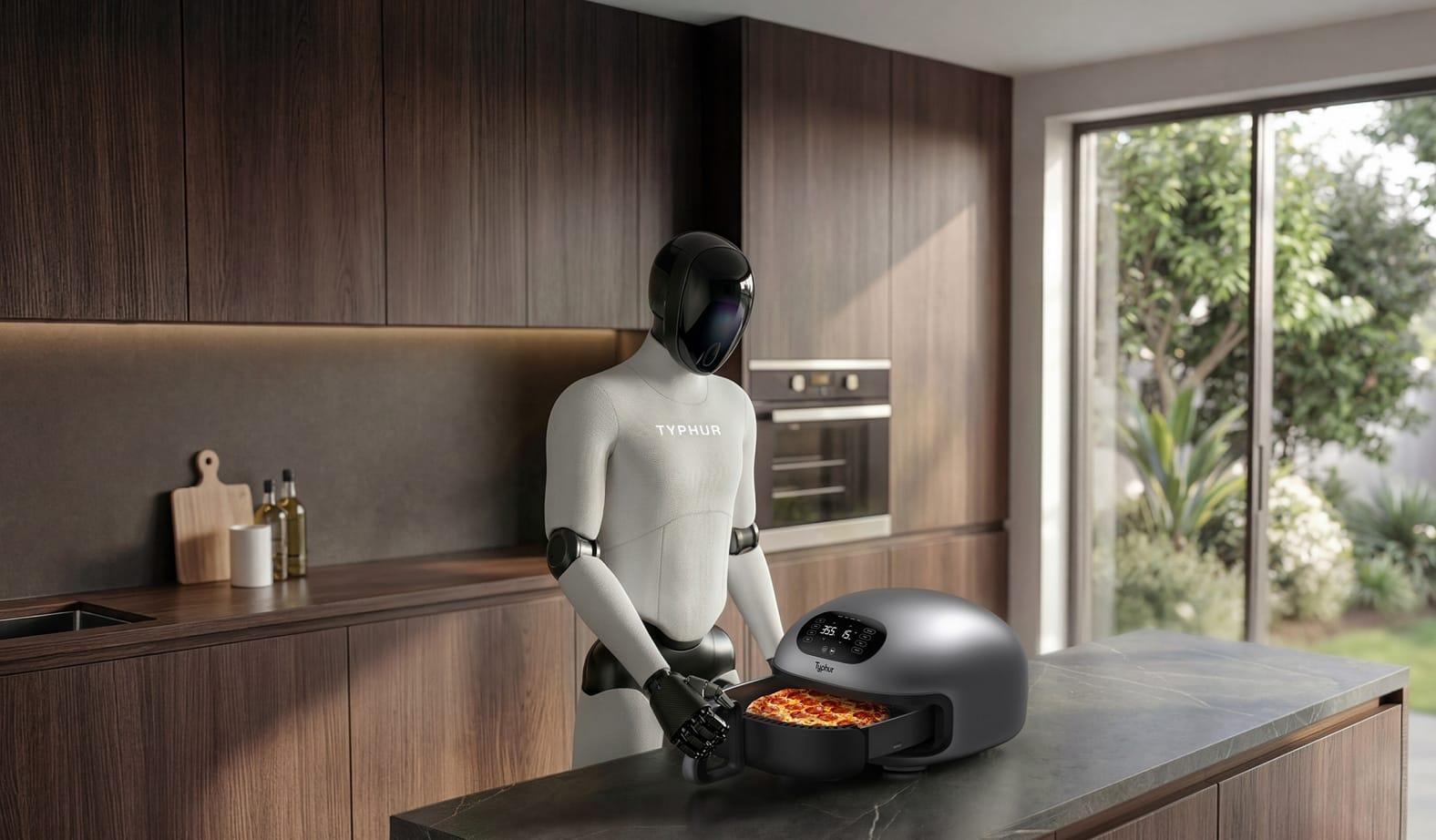
When most people think about upgrading their kitchen, the first things that come to mind are countertops, cabinetry, and flooring. But kitchen appliances play an equally significant role in shaping the overall look and feel of the space. Whether you’re doing a full renovation or simply refreshing your kitchen’s appearance, selecting the right appliances — ones that genuinely complement your interior design — can make all the difference between a kitchen that feels cohesive and one that looks like an afterthought.
Many homeowners exploring options like Typhur kitchen appliances quickly realize that thoughtfully chosen appliances don’t just serve a functional purpose — they become a defining part of your home’s character and overall aesthetic identity.
Understanding Your Kitchen’s Design Style First
Before you even begin researching appliances, it’s important to understand the interior design style you’re working with — or aiming for. Kitchens generally fall into a few broad aesthetic categories: modern and minimalist, traditional or farmhouse, industrial, Scandinavian, transitional, or eclectic. Each of these styles has a visual language, and your appliances need to speak that same language.
A sleek, handle-free minimalist kitchen, for instance, calls for appliances with clean lines and a streamlined silhouette. On the other hand, a farmhouse-style kitchen might welcome appliances with a warmer, more textured finish that echoes the rustic charm of the space. Getting this step right lays the foundation for every decision that follows.
Finish and Color: More Than Just Aesthetics
One of the most visible choices you’ll make is the finish of your appliances. Stainless steel has long been a popular choice because of its versatility — it works well across many design styles and tends to feel timeless. However, today’s design-forward kitchens are embracing a much wider palette.
Matte black appliances are increasingly sought after in modern and industrial kitchens, offering a dramatic contrast against light-colored cabinetry. White and cream finishes bring a clean, classic feel that pairs beautifully with Shaker-style cabinets or Scandinavian interiors. Warm bronze and brushed gold tones add a touch of luxury and work wonderfully in transitional or glam-inspired spaces.
The key is consistency. Mixing too many finishes can make a kitchen feel disjointed. If you’re going with brushed nickel hardware, look for appliances that echo similar tones. If your fixtures are matte black, extend that language to your appliance handles and controls.
Size, Scale, and Proportion
An oversized appliance in a small kitchen doesn’t just look wrong — it disrupts the spatial harmony of the room. Proportion matters greatly in interior design. Large, commercial-grade appliances can feel imposing in a modest family kitchen, while undersized appliances in a grand, open-plan kitchen might look lost.
Always measure your space carefully before purchasing. Think about visual weight — how much visual space an appliance occupies — not just its physical dimensions. A tall, wide refrigerator can become a focal point if placed strategically, or an eyesore if it blocks natural light or crowds a walkway.
Balancing Functionality with Visual Appeal
It’s easy to get carried away chasing a certain aesthetic and forget that appliances are, at their core, functional tools. The best approach is to find the intersection of form and function — appliances that perform exceptionally well while also looking the part.
Think about how you actually use your kitchen. Do you cook elaborate meals daily, or do you primarily use your kitchen for light meal prep? The answers will guide you toward appliances that offer the right features without unnecessary bulk or complexity. A beautifully designed appliance that doesn’t meet your cooking needs will always be a source of frustration, no matter how good it looks.
When evaluating options across the market — from well-established names to newer players like Typhur smart kitchen tools— it becomes clear that modern consumers no longer have to choose between performance and design. Today’s appliance market has evolved to offer both in equal measure, giving homeowners more creative freedom than ever before.
Integrated vs. Freestanding Appliances
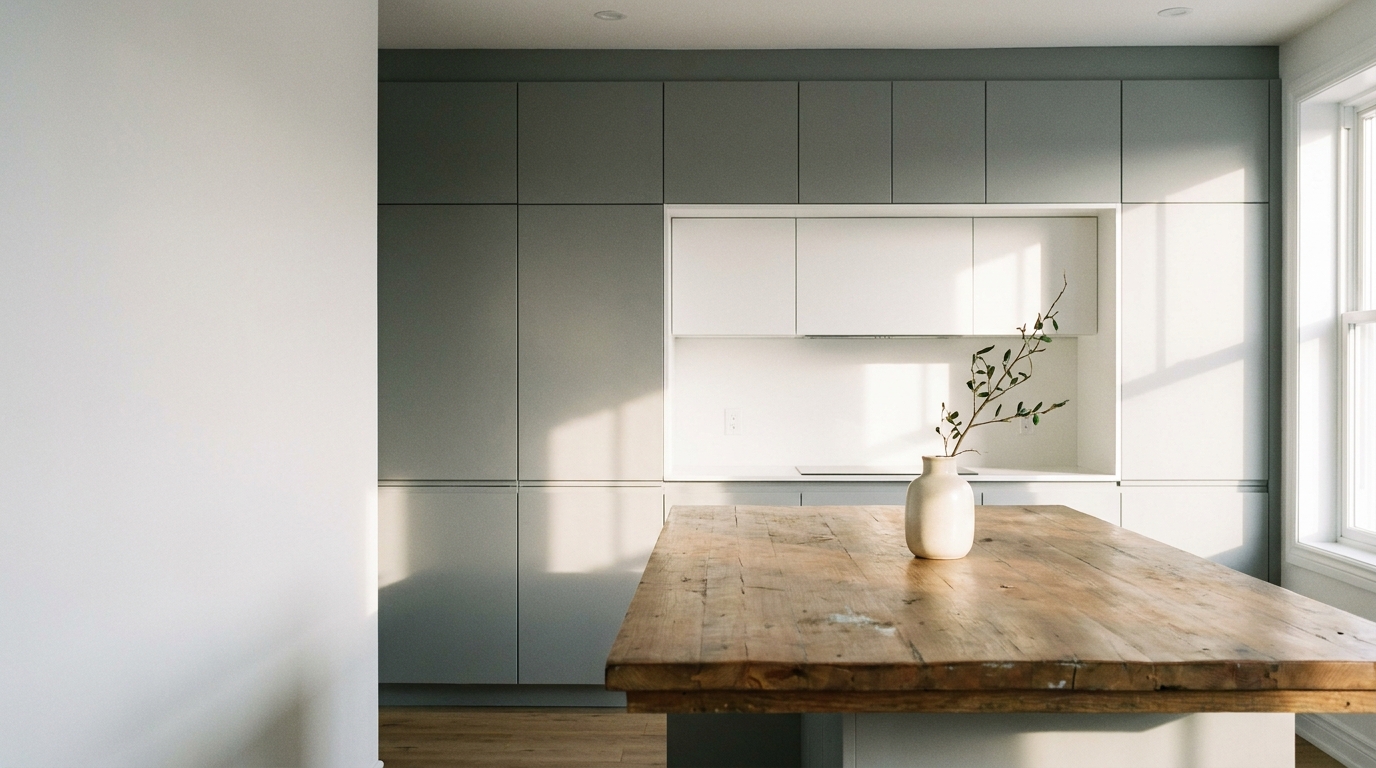
One important design decision is whether to go for integrated or freestanding appliances. Integrated appliances are built into the cabinetry and hidden behind matching panels, creating a seamless, furniture-like appearance. They’re ideal for minimalist and contemporary kitchens where the goal is to maintain visual calm.
Freestanding appliances, by contrast, are visible and can become design features in their own right. A bold retro-style refrigerator or a professional-looking range can serve as a statement piece that anchors the kitchen’s personality.
Neither option is superior — it depends entirely on your vision for the space and how much you want your appliances to stand out versus blend in.
Cohesion Across the Entire Kitchen
Perhaps the most important principle in choosing kitchen appliances is cohesion. Every element — from the cabinet hardware to the light fixtures to the appliance handles — should feel like it belongs to the same family.
This doesn’t mean everything needs to match exactly. In fact, thoughtful contrast can elevate a kitchen’s design. But there should be a clear thread that ties things together: a shared finish, a recurring material, or a consistent design philosophy.
Take the time to create a design mood board before making any purchases. Collect images, swatches, and samples, and see how your chosen appliances look alongside your planned surfaces and cabinetry. This small step can save you from costly mistakes and help you visualize the full picture before committing to any single purchase.
Future-Proofing Your Choices
Finally, think long-term. Design trends shift, but quality and timelessness endure. When choosing appliances, prioritize ones that will still feel relevant five or ten years from now. Overly trendy choices can date a kitchen quickly, while classic finishes and simple, elegant designs have staying power.
Also consider energy efficiency, warranty, and reputation for durability. An appliance that looks beautiful but breaks down frequently will ultimately detract from both the functionality and the joy of your kitchen. The smartest investments are always those that manage to balance visual longevity with reliable, long-lasting performance.
Choosing kitchen appliances that complement your interior design is equal parts art and science. It requires understanding your aesthetic goals, respecting the proportions of your space, balancing beauty with practicality, and making decisions with a long-term perspective. When done thoughtfully, the result is a kitchen that doesn’t just work well — it feels like a space you genuinely love to be in, every single day.

NKBA-certified designer Harper Williams holds a degree in Interior Architecture from Auburn University and has specialized in high-function kitchens and spa-inspired baths since 2011. She joined us in 2024 to simplify layout planning, fixture selection, and budget tricks for remodelers. Away from CAD files, Harper restores vintage cookstoves and crafts small-batch soaps.