
Most people who renovate a home want it to be greener afterward than it was before. Lower bills, a warmer house in winter, less waste going into a skip, materials they feel good about. The intention is nearly universal. What is often missing is a plan, and without one the green ambitions tend to shrink as the budget gets squeezed and the deadline gets closer.
This article is a starting point. It walks through the decisions that make the biggest difference, in roughly the order you should make them, and it is honest about when a project is big enough to need specialist advice rather than a weekend of reading.
Start With the Building’s Fabric
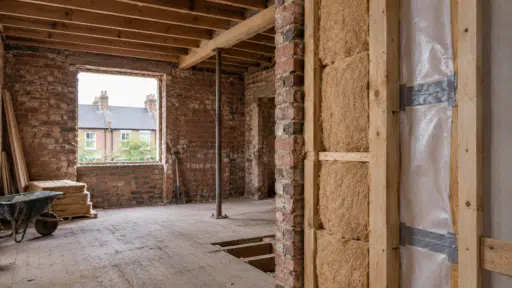
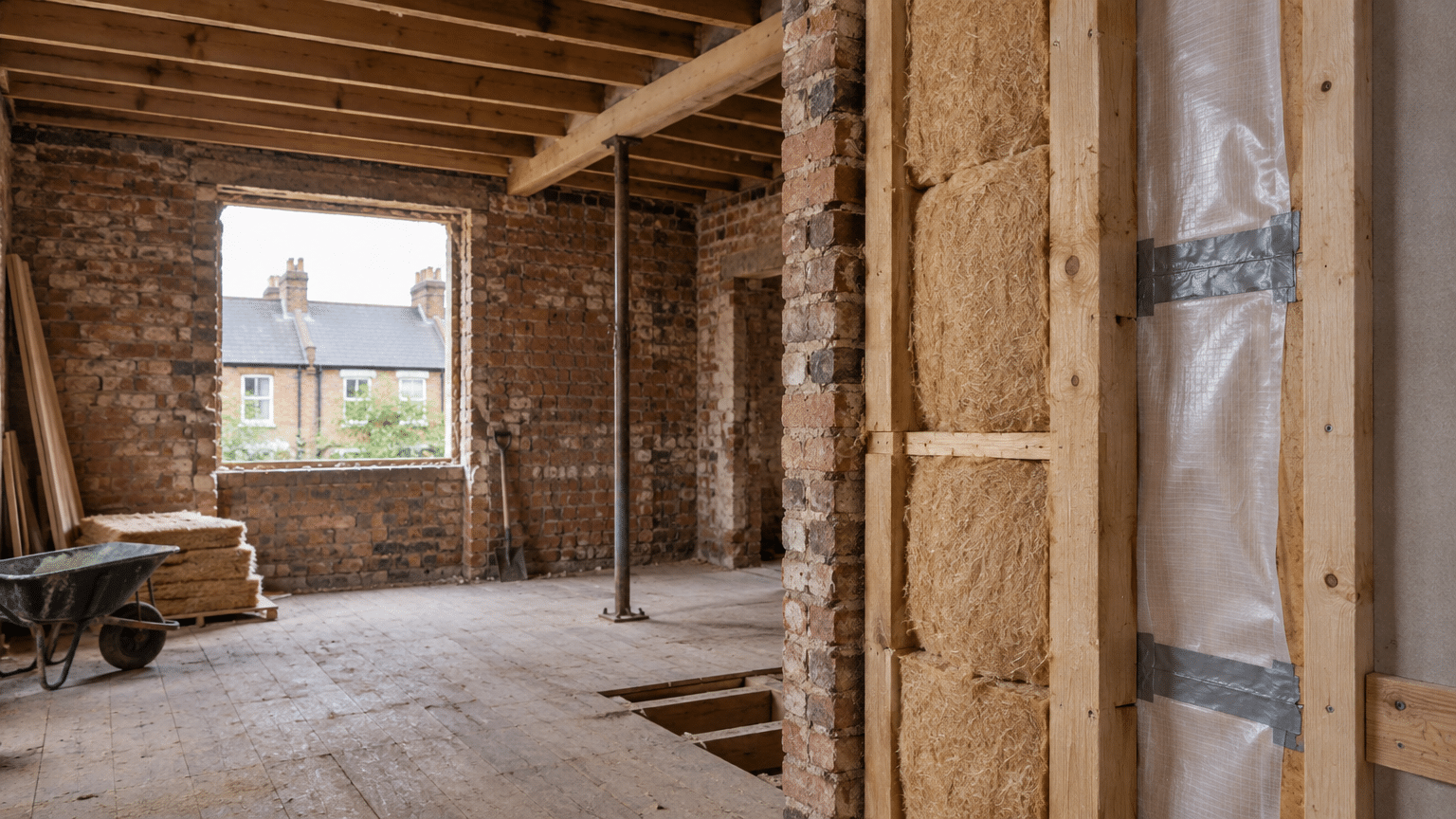
The single most effective thing you can do in a renovation is to make the building itself hold on to heat. Insulation, airtightness and good windows do more for comfort and running costs than any amount of clever technology bolted on afterward.
Look at the loft first. It is usually the cheapest place to add insulation and the easiest to get right. Then look at the walls. Solid walls can be insulated inside or out, and each has trade-offs for space, appearance and how the wall handles moisture. Cavity walls may already be filled or may be candidates for filling. Floors are often forgotten, and a suspended timber floor over a draughty void loses more heat than most people expect.
Windows and doors come next. If they are being replaced anyway, choose the best glazing you can afford and pay attention to how they are fitted, because a well-made window badly sealed at the edges loses much of its benefit.
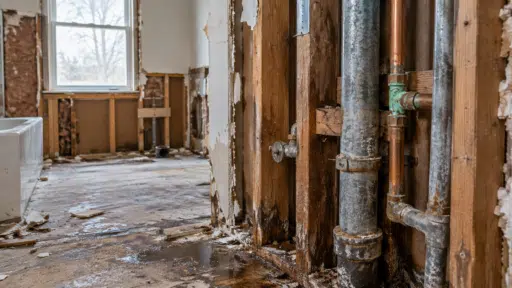
Airtightness ties all of this together. Gaps around pipes, behind skirting boards and at the junctions between old and new work let warm air out and cold air in. Sealing them is cheap and unglamorous, and it is where many renovations quietly fail.
Then Think About Heat, Water and Air
Once you’ve sorted the fabric, the amount of heat the house needs drops, and that changes which heating system makes sense. A heat pump works best in a well-insulated home with larger radiators or underfloor heating, so it belongs in the plan after the insulation decisions, not before. If you are keeping a boiler, at least make sure the controls are modern and zoned so you are not heating empty rooms.
Hot water is easy to overlook. A well-insulated cylinder, short pipe runs, and efficient taps and showers reduce both energy and water use without any change in comfort.
Ventilation is the part most homeowners skip, and it matters more as a house gets more airtight. Fresh air has to come from somewhere. Trickle vents, extractor fans that actually get used, or a whole house system with heat recovery all have a place depending on the scale of the work. A sealed house with no plan for ventilation ends up damp, and that undoes a lot of the good work.
Materials, Waste and What You Keep
A green renovation is not only about energy. It is also about what goes in and what goes out.
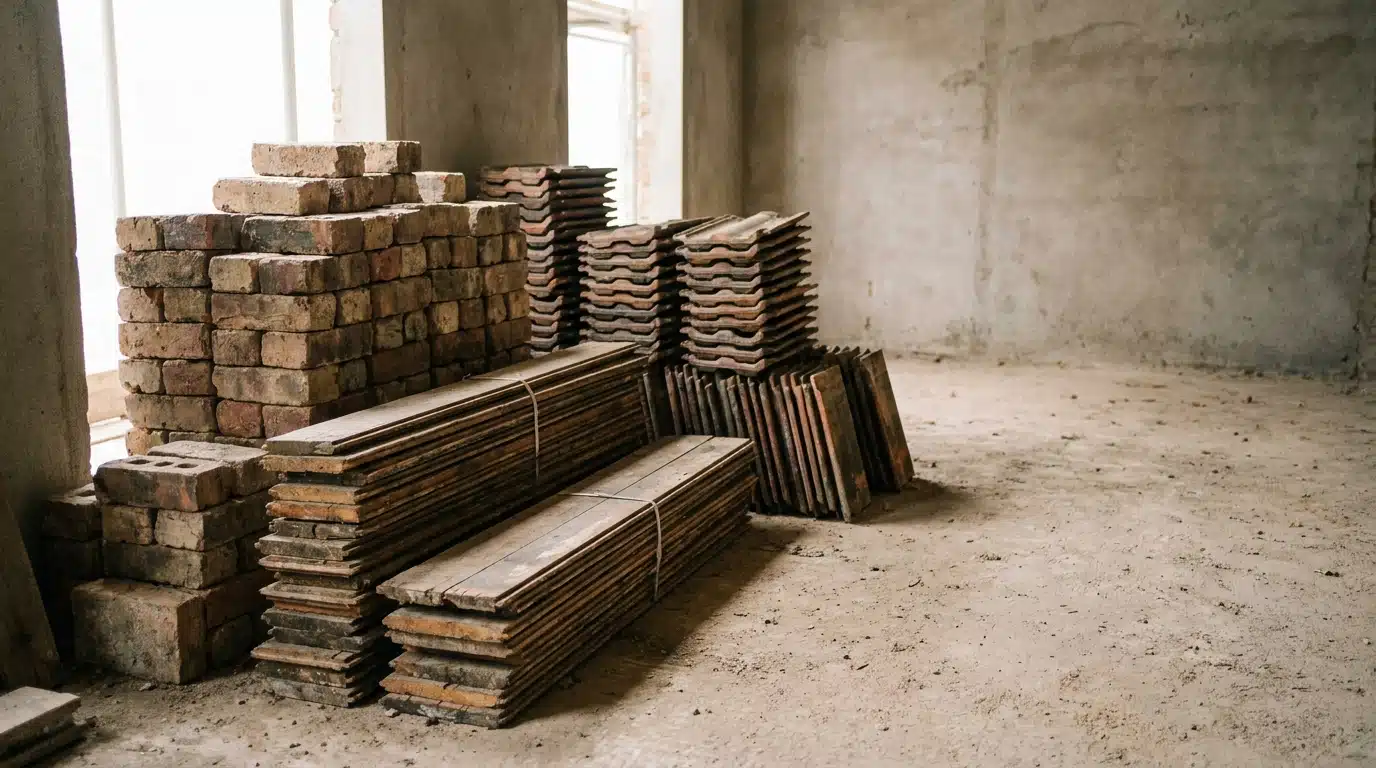
Keep what can be kept. Original floorboards, doors, fireplaces and even kitchen carcasses can often be repaired or refinished rather than replaced. This saves money as well as materials, and old timber is usually better quality than new.
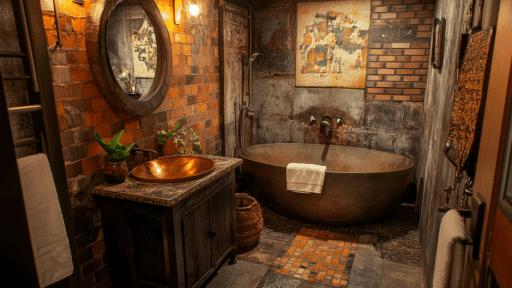
When you do buy new, ask where materials come from and what happens to them at the end of their life. Timber from certified sources, natural insulation, low-emission paints and finishes, and reclaimed bricks and tiles all reduce the footprint of the work. They are not always more expensive, and some are cheaper.
Plan the waste. A skip is the default, but a lot of what goes in it could be reused, sold or given away. Sort as you strip out. Metals, clean timber, undamaged fittings and even old radiators have takers if you make the effort.
When to Bring in Specialist Help
There is a point at which reading articles stops being enough. A single room, a loft insulation top-up or a new set of windows can be planned by a careful homeowner with a good builder. A large extension, a full retrofit of an older house or a project where you want to hit a specific energy standard is a different matter.
For work on that scale, it can be worth talking to sustainability consultants early, before the design is fixed. They can model how the building will perform, tell you which measures are worth the money in your particular house and which are not, and help you avoid the classic mistakes such as insulating a solid wall in a way that traps moisture. Their advice is most useful at the start, when it can still shape the design, and least useful at the end, when it can only point out what should have been done.
Also worth having on the team is an architect or designer who takes energy seriously, a builder who has done this kind of work before and can show you examples, and, if you are installing a heat pump or solar, an installer who will size the system properly rather than sell you the biggest one they have.
Ask all of them the same question: what would you do in this house if it were yours. The answers tell you a lot.
Do Not Forget the Garden
The garden is part of the renovation too, and it is often where the skip lorries, scaffolding and stored materials do their damage.
Protect what you want to keep. Fence off trees and established beds before the work starts and make sure the builders know where the boundary is. Compacted soil under a materials pile takes years to recover.
Plan for water. Water butts on the new downpipes, permeable paving instead of solid slabs, and a lawn or planted area that soaks up rain rather than shedding it all help the garden and reduce the load on the drains.
And think about the finished space as an extension of the house. Shade from a tree on the south side cools the rooms behind it in summer. A hedge on the windward side takes the edge off winter. Planting is slow technology, but it works.
Conclusion
A greener renovation is mostly a matter of order. Fabric first, then heating and ventilation, then materials and waste, with the garden protected throughout. Do the small projects yourself with a good builder, and for the big ones get specialist advice before the drawings are finished rather than after. The house you end up with will be warmer, cheaper to run and better to live in, which is what most people wanted from the renovation in the first place.

Holding a Master’s in Architecture from the University of Texas at Austin, Emily Rodriguez has dedicated more than two decades to the art and science of building renovation. Starting her journey in historic preservation, she developed a profound respect for blending old with new in building design. Emily became a vital part of our team in 2019, renowned for her insightful and innovative renovation tips. She has been leading our DIY home improvement series since ever since, where she shares her wealth of knowledge in turning outdated spaces into modern havens. When not engaged in writing or consulting, Emily is a passionate advocate for heritage conservation and enjoys exploring vintage architecture, a hobby that complements her professional expertise.