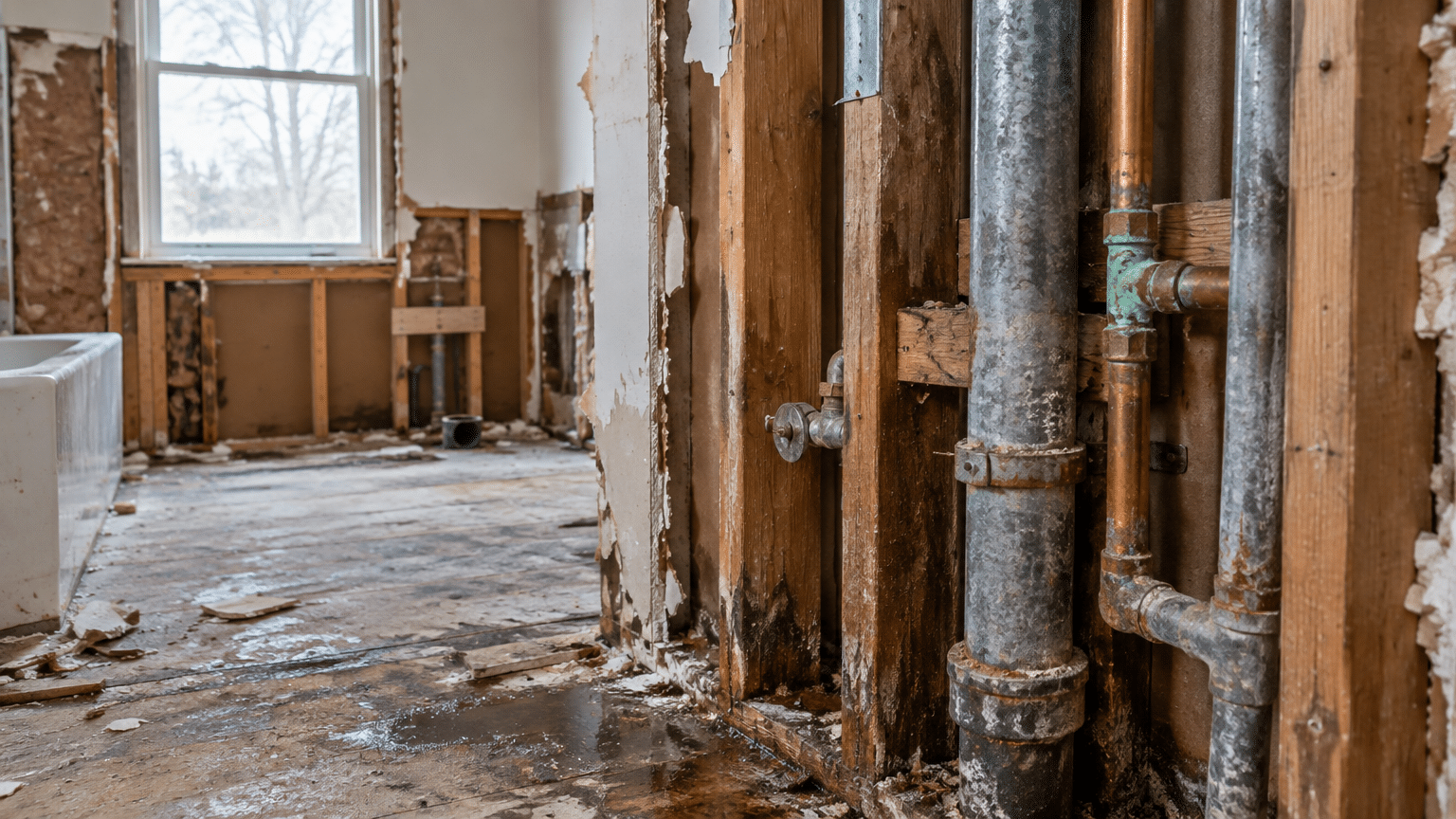

Renovations have a way of exposing plumbing problems that were easy to ignore when everything was hidden behind cabinets, drywall, and flooring. A bathroom that seemed functional can reveal corroded pipes once the vanity comes out. A kitchen remodel may uncover slow leaks, damaged shutoff valves, or drain lines that were installed poorly years ago.
Finding these issues early matters. Plumbing problems discovered after new cabinets, tile, or flooring are installed are much more expensive to correct.
1. Hidden Supply Line Leaks
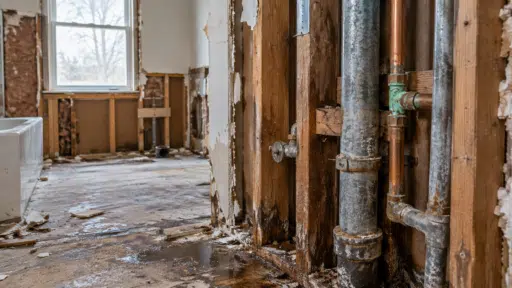
Small supply line leaks can remain unnoticed for years. Water may escape slowly at a joint and soak into framing or the back of drywall without creating an obvious puddle. Once demolition begins, staining, softened wood, corrosion, or mold-like growth may become visible. If moisture is found, do not simply replace the damaged drywall.
Find the source first. Homeowners dealing with leaks, deteriorated piping, or larger plumbing changes may want a licensed company such as California Plumbing to inspect the exposed system before walls are closed again. This is often the cheapest point in the renovation to make necessary repairs because the plumbing is already accessible.
2. Corroded or Aging Water Pipes
Older homes may contain galvanized steel, copper, or other piping that has deteriorated over time. Galvanized pipes can develop internal corrosion that reduces the usable diameter of the pipe. The result may be weak water pressure, restricted flow, or discolored water. Copper can also develop pinhole leaks or corrosion depending on water chemistry, installation quality, and age.
Do not replace a short visible section automatically without checking the rest of the system. If several sections show similar deterioration, replacing a larger run while walls are open may be more economical than performing repeated repairs later.
3. Poor Drainage That Was Hidden by Normal Use
A sink or shower may technically drain while still having an underlying problem. During renovation, plumbers may find undersized drains, poor slope, unnecessary bends, damaged fittings, or years of buildup inside older piping.
Watch for Warning Signs Such As
- Frequent slow drains
- Gurgling after fixtures empty
- Recurring clogs
- Sewer odors
- Water backing up into another fixture
- Drain lines with visible corrosion
Persistent problems deserve investigation before installing new fixtures. Replacing an expensive shower does little good if the drain underneath it is already close to failure.
4. Missing or Incorrect Venting
Drainage systems need proper venting to move wastewater efficiently and maintain the water seals in plumbing traps. Renovations sometimes uncover fixtures connected through questionable additions or old DIY work. A previous owner may have moved a sink or added a bathroom without updating the vent system correctly.
Symptoms can include slow drainage, gurgling fixtures, or trap seals that do not behave normally. Venting requirements depend on the plumbing code adopted locally, so this is an area where a licensed plumber should review the existing configuration before new walls or cabinets are installed.
5. Failing Shutoff Valves
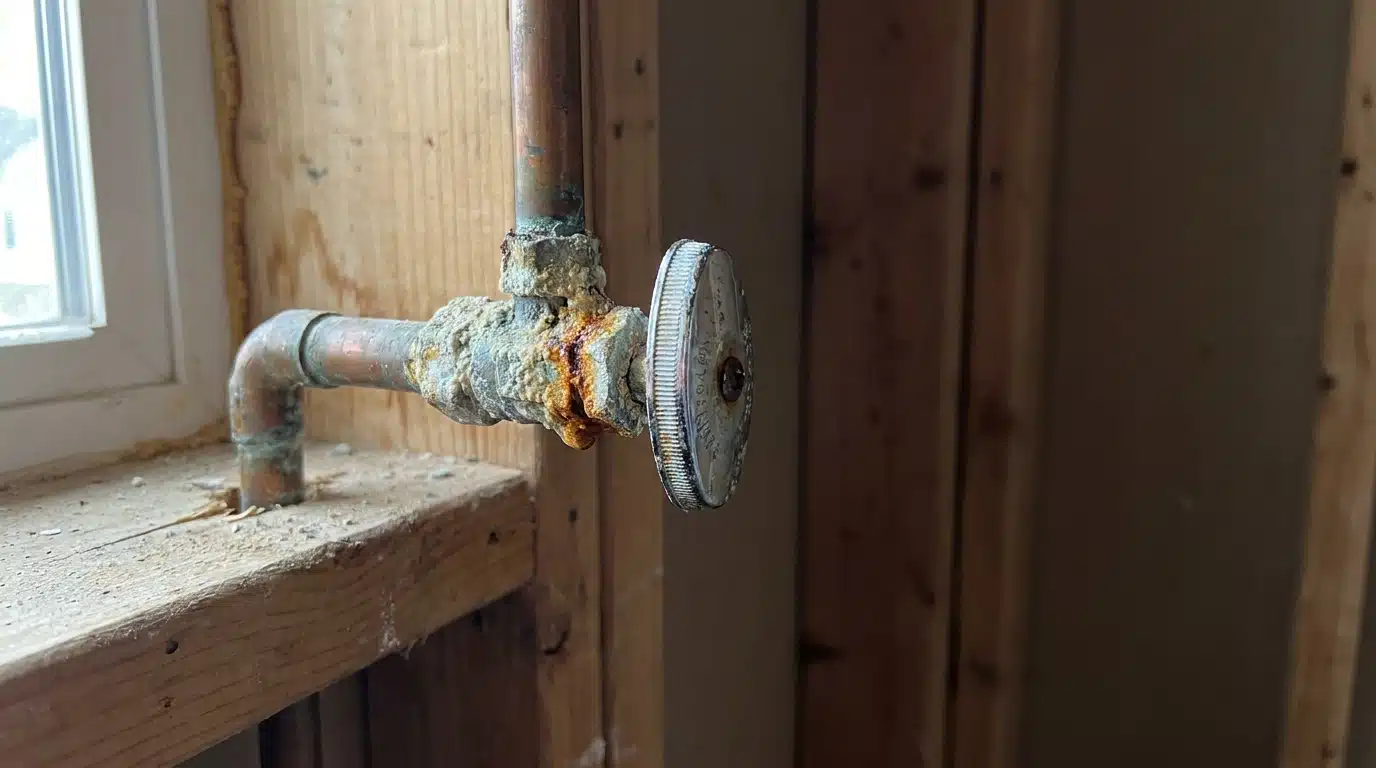
Individual fixture shutoff valves are easy to forget until they are needed. During a renovation, test the valves serving toilets, sinks, appliances, and other fixtures. An old valve may be seized, corroded, or unable to stop water completely.
Replacing weak valves while the area is accessible can prevent a future repair from requiring the water supply to the entire house to be shut down. The main house shutoff should also be located and tested. If nobody knows where it is, that should be corrected before the renovation is complete.
6. Water Pressure Problems
New fixtures can expose pressure problems that were less noticeable before renovation. High pressure can put unnecessary stress on valves, appliance connections, and plumbing components. Low pressure can make showers and faucets frustrating to use. Do not assume the fixture is responsible.
Measure the actual water pressure and investigate whether the issue affects one fixture, one branch, or the whole property. Restricted old piping, faulty pressure-regulating equipment, partially closed valves, or supply issues may all affect performance. Fix the underlying cause before changing fixtures repeatedly.
7. Leaks Behind Fixtures and Appliances
Renovations often uncover damage around toilets, dishwashers, refrigerators, washing machines, and water heaters. Slow leaks can remain hidden underneath flooring or inside cabinets. Watch for swollen cabinet panels, stained subfloors, rusted fittings, loose connections, and damaged supply hoses.
The EPA notes that household leaks can result from factors including old piping, corrosion, pressure problems, equipment failures, and incorrect installation. Its WaterSense guidance on leak detection explains how leak-detection and flow-monitoring devices can help homeowners identify abnormal water use. For a major renovation, leak detection may be worth considering in areas where a future plumbing failure could cause extensive damage.
8. Damaged or Improperly Modified Drain Pipes
Past renovations are not always completed correctly. Once flooring or walls are removed, you may discover drain pipes with makeshift connections, excessive fittings, poor support, or inappropriate materials.
Don’t build a new bathroom or kitchen around questionable existing work just because it is already there. Have the pipe layout checked before proceeding. Correcting a bad drain connection now is easier than removing new tile after the room is finished.
9. Plumbing That Conflicts With the New Layout
Moving fixtures can make a renovation much more complicated. Relocating a kitchen sink, shower, toilet, or washing machine may require new water lines, drain lines, and venting. A design may look simple on paper while requiring significant changes inside the floor or walls.
Before finalizing the layout, determine where the existing plumbing runs. Moving a vanity a few feet may be straightforward. Moving a toilet across the room can involve much more extensive drain work. Let plumbing constraints influence the design before materials are ordered.
10. Problems Inside Walls and Floors
Demolition provides a rare opportunity to inspect normally inaccessible areas. Do not rush to close them.
Check Before Installing New Surfaces
- Supply lines for corrosion or leaks
- Drain connections
- Pipe supports
- Shutoff valves
- Moisture-damaged framing
- Vent connections
- Appliance supply lines
- Penetrations through floors and walls
Photograph the plumbing before drywall goes back up. Those images can be valuable later when you need to know where pipes run without opening the wall again.
Plumbing repairs can also leave behind dust, debris, packaging, and residue from demolition or installation. Once the repairs and construction work are complete, arranging a professional cleaning service can help prepare kitchens, bathrooms, and surrounding living areas for normal use before furniture and personal belongings are moved back in.
11. Water Heater Capacity
Adding bathrooms or larger fixtures can increase hot-water demand. An existing water heater that worked for the original house may struggle after a renovation. Estimate expected demand before deciding whether the existing system can remain.
Consider household size, shower use, appliance demand, and whether several fixtures may operate simultaneously. Do not automatically increase capacity without reviewing available space, energy supply, venting, and installation requirements.
Fix Plumbing Before Finishes Hide It Again
The best time to deal with plumbing problems is usually when the renovation has already exposed them. Inspect supply lines, drains, vents, shutoff valves, fixture connections, and water-damaged areas before installing expensive finishes. If the project changes fixture locations, review the plumbing layout before committing to the design.
A few additional repairs during the rough stage may increase the renovation budget, but they are usually easier to manage than opening a newly finished wall or floor because an old plumbing problem was covered up instead of corrected.

Holding a Master’s in Architecture from the University of Texas at Austin, Emily Rodriguez has dedicated more than two decades to the art and science of building renovation. Starting her journey in historic preservation, she developed a profound respect for blending old with new in building design. Emily became a vital part of our team in 2019, renowned for her insightful and innovative renovation tips. She has been leading our DIY home improvement series since ever since, where she shares her wealth of knowledge in turning outdated spaces into modern havens. When not engaged in writing or consulting, Emily is a passionate advocate for heritage conservation and enjoys exploring vintage architecture, a hobby that complements her professional expertise.