
Home improvement spending across Australia is projected to exceed the $51 billion mark before the end of 2026. With high property prices, many homeowners are choosing to upgrade their current spaces rather than purchase new properties. While refreshing a single room is easily managed, a full-scale renovation is an entirely different beast.
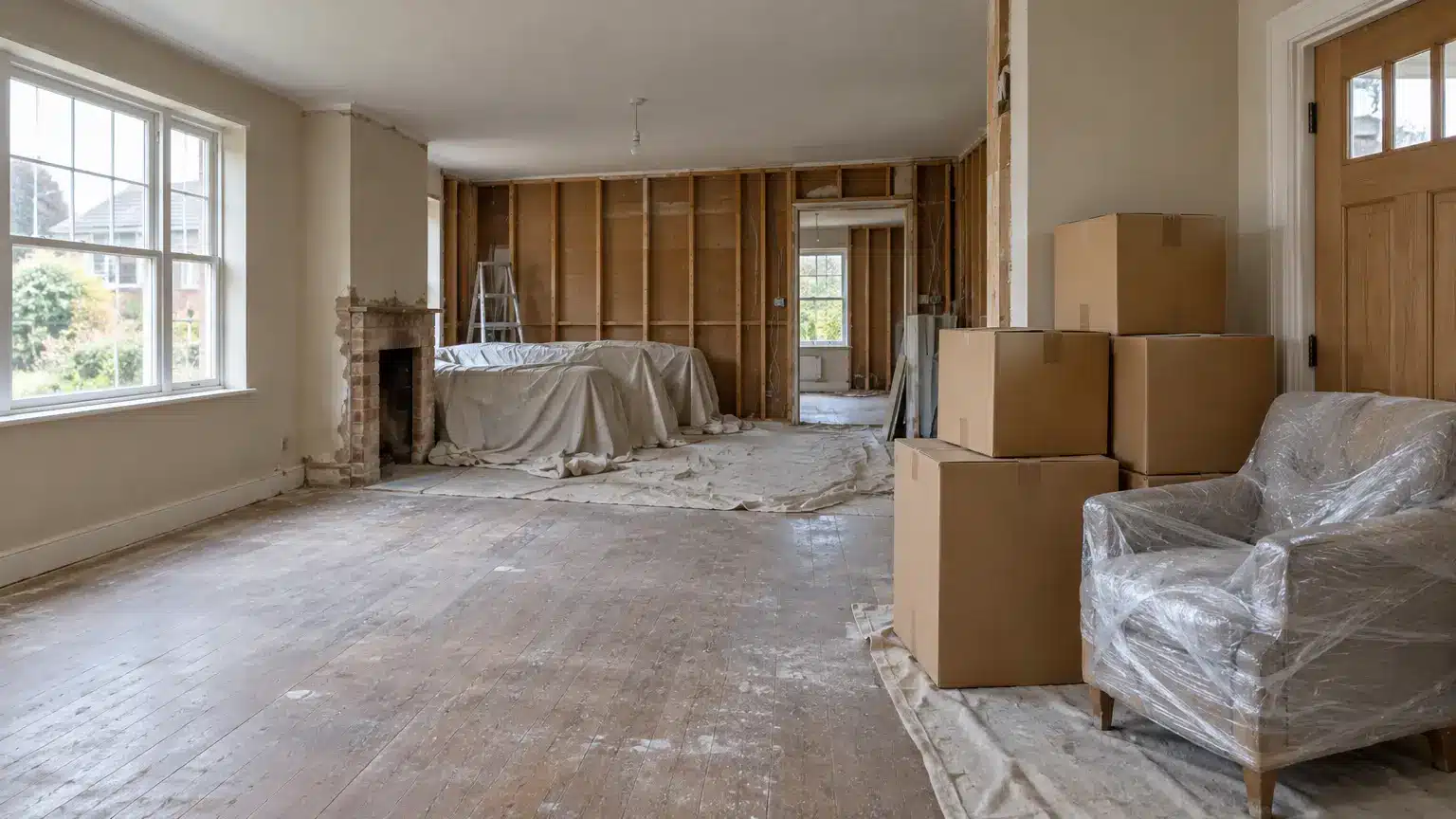
Older Australian housing stock, particularly homes built between the 1920s and 1970s, frequently requires simultaneous and highly disruptive upgrades to plumbing, electrical wiring, and structural elements. Because these overhauls make isolated room renovations impractical, temporarily moving out is often the best strategy for a stress-free build.
The Hidden Health Risks of Living On-Site
It might be tempting to save money by living in the dust, but safety should always come first. Strict regulatory frameworks exist for asbestos management because thousands of residential buildings constructed prior to the 2003 nationwide ban still contain hazardous materials. During a structural remodel, legacy building materials are disturbed and can release invisible, microscopic fibres into your living spaces.
The risks of airborne pollutants cannot be overstated. The US Environmental Protection Agency explicitly warns that harmful exposures to lead can be created when lead-based paint is improperly removed. Furthermore, disturbed asbestos can release fibres that pose severe respiratory hazards like lung cancer. You can read their official guidance on addressing indoor environmental concerns during remodeling to understand exactly why staying in a construction zone is dangerous. Moving out eliminates these immediate health hazards for your family.
Factoring Relocation Into Your Project Budget
Once you accept that vacating the property is the safest choice, it is time to plan the logistics. To get a clear picture of your upfront expenses, you should start collecting quotes from moving companies well before your temporary lease begins. A standard three-bedroom local move in Australia typically requires five to seven hours of physical labour and averages between $1,000 and $1,500. Knowing these numbers early prevents nasty financial surprises later.
Renovation costs have essentially doubled since pre-pandemic levels, with a high-quality full home renovation now typically costing between $3,000 and $5,000 per square metre. Because budgets are already tight, you must factor the cost of your temporary relocation into your master spreadsheet before contractors even begin demolition. Allocating your funds accurately early on leaves more capital available for premium building materials and essential fixtures.
To start on the right foot, it helps to map out your initial project timeline and consult a comprehensive step-by-step whole-house renovation guide to establish a realistic framework for your living arrangements. Knowing exactly how long you will be displaced dictates whether you need a short-term rental, an extended stay with family, or a temporary apartment lease.
Practical Tips for Storing and Protecting Your Belongings
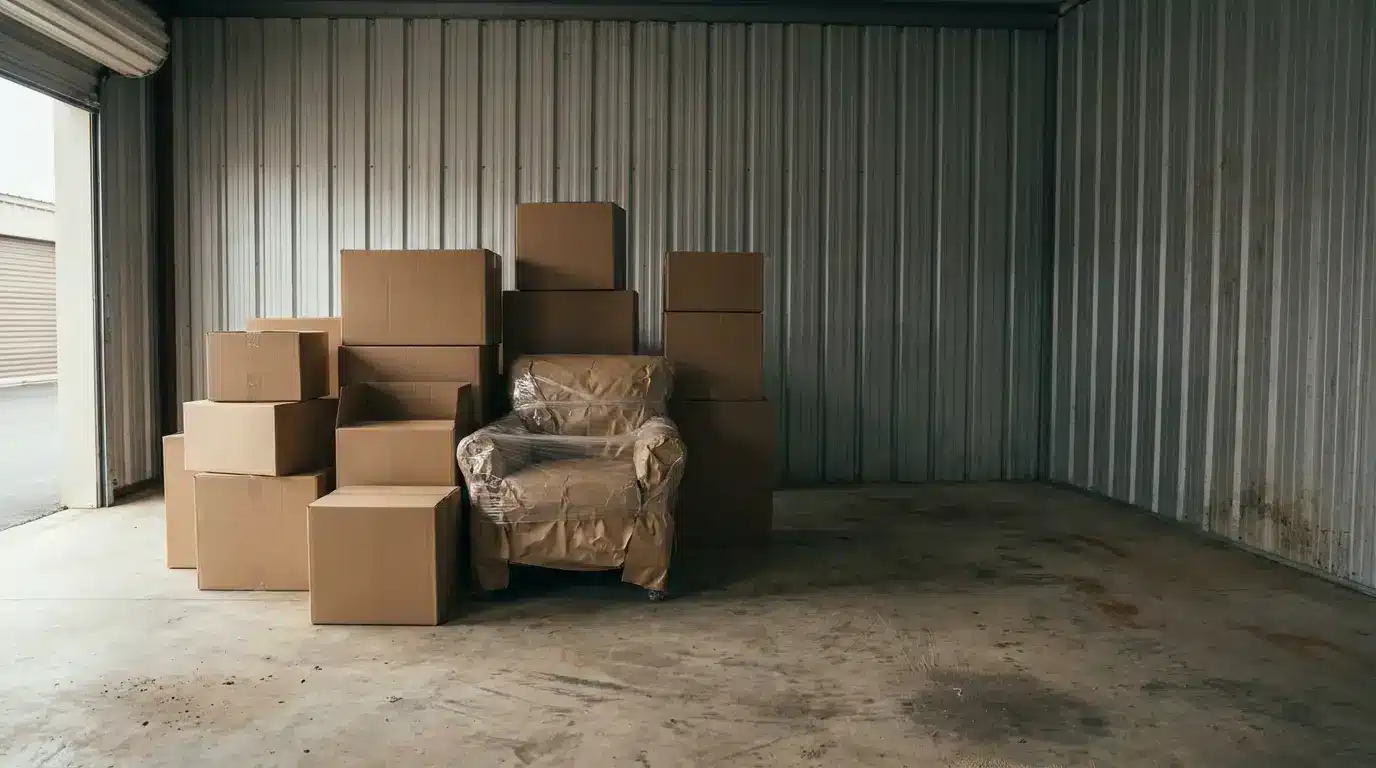
When you vacate your home for a major structural remodel, you do not need to take everything to your temporary rental. Managing your furniture and household goods requires a strategic approach to storage and transport. Keep these logistical factors in mind as you prepare to move out:
- Choose the right storage solution: Renting a medium-sized self-storage unit capable of holding the contents of a standard home averages between $230 and $500 per month across Australian facilities. Alternatively, mobile storage pods delivered directly to your property cost between $100 and $400 per month.
- Consider outer suburban facilities: Storage pricing often fluctuates significantly within the same city. If you need long-term renovation storage, facilities located in outer suburbs often offer considerable savings over inner-city units.
- Account for city access premiums: Navigating logistics in major metropolitan areas like Sydney and Melbourne typically carries a 10 to 25 percent premium on moving rates. This is due to restricted site access, narrow streets, and limited parking.
- Weigh the cost of professional packing: Professional packing services generally incur an additional fee of $80 to $120 per hour. While this increases your initial outlay, it guarantees your fragile items are properly protected from construction vibrations and transit damage.
- Create an essentials box: Pack a separate container with immediate necessities like important documents, basic kitchenware, and a few days of clothing to make your first night in the temporary accommodation much easier.
Moving out during a whole home remodel undeniably adds a layer of logistical complexity to your project. However, by prioritising your health, estimating your relocation expenses early, and utilising smart storage options, you set the stage for a much smoother construction phase. Stepping away from the chaos allows your builders to work safely and efficiently, bringing you one step closer to your dream home.

Holding a Master’s in Architecture from the University of Texas at Austin, Emily Rodriguez has dedicated more than two decades to the art and science of building renovation. Starting her journey in historic preservation, she developed a profound respect for blending old with new in building design. Emily became a vital part of our team in 2019, renowned for her insightful and innovative renovation tips. She has been leading our DIY home improvement series since ever since, where she shares her wealth of knowledge in turning outdated spaces into modern havens. When not engaged in writing or consulting, Emily is a passionate advocate for heritage conservation and enjoys exploring vintage architecture, a hobby that complements her professional expertise.