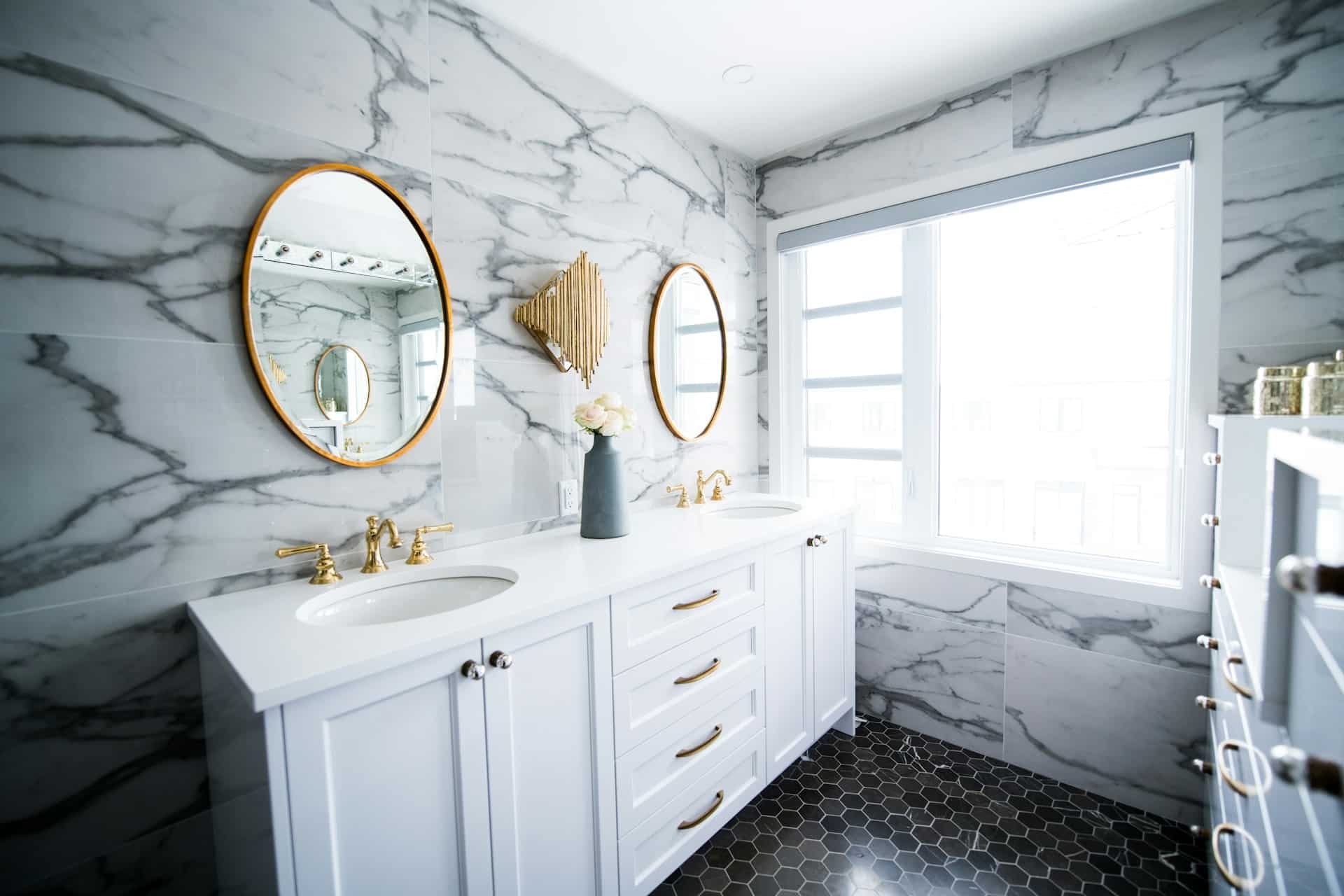

Choosing the right tile for your bathroom involves considering a variety of factors, including durability, aesthetic appeal, and cost. Among the popular choices are cement tiles and porcelain tiles, each offering distinct advantages and challenges.
Understanding the durability of these materials is critical for homeowners and interior designers looking to make informed decisions. This article will explore the durability of Cement Tile Bathrooms compared to porcelain tiles, evaluating key factors that influence longevity and performance.
Cement Tile Bathroom vs Porcelain Tile: A Durability Comparison
Cement tiles have gained popularity in modern interior design due to their unique aesthetic and customization options. They are made from a mixture of cement, sand, and pigments, pressed under high pressure, which contributes to their sturdiness.
Cement tiles are known for their ability to withstand heavy foot traffic, making them a preferred choice for areas with high usage. Additionally, they can be resealed periodically to enhance their durability and appearance over time.
Porcelain tiles, on the other hand, are crafted from denser clay and fired at higher temperatures than ceramic tiles, resulting in a robust and impermeable surface.
This manufacturing process gives porcelain tiles their renowned durability and resistance to water, stains, and scratches. They are ideal for bathrooms due to their low absorption rate, which minimizes damage from moisture.
In terms of durability, both cement and porcelain tiles offer strong performance, but porcelain tiles often edge out cement tiles due to their superior resistance to water and scratches. For those considering a Cement Tile Bathroom, it’s essential to weigh the aesthetic benefits against the maintenance required to preserve their durability.
Key Factors Influencing Durability in Tile Materials
The durability of tile materials is influenced by several factors, including the quality of the installation, the type of grout used, and the adherence to zoning regulations which ensure proper installation techniques are followed. Proper site analysis before installation can identify potential issues such as moisture levels and subfloor conditions that may affect tile longevity.
Another factor is the finish schedule, which outlines the maintenance routine for the tiles. Regular sealing of cement tiles can prevent moisture absorption and prolong their lifespan, while porcelain tiles require less maintenance due to their inherent resistance to water.
Space planning also plays a role in durability. For instance, high-traffic areas may benefit from the hardscape resilience of porcelain, whereas a mood board might suggest cement tiles for their unique design appeal in less demanding spaces.
Cement Tile: Pros and Cons for Long-Term Use
Cement tiles offer a distinctive look and are highly customizable, allowing for intricate designs that can complement any interior design project. They also contribute to sustainable design practices and may align with efforts to achieve LEED certification due to their natural components.
However, the porous nature of cement tiles requires proper sealing and maintenance to prevent water damage and staining. The design development phase should include a comprehensive spec sheet detailing the sealing and cleaning products recommended to maintain the tiles’ durability.
Despite these challenges, cement tiles remain a popular choice for homeowners looking to create a unique bathroom ambiance through color theory and personalized designs.
Porcelain Tile: Performance and Longevity Insights
Porcelain tiles are renowned for their durability and minimal maintenance needs. Their dense composition makes them resistant to scratches, stains, and water damage, which is particularly advantageous in bathroom settings. The use of CAD and BIM in schematic design can ensure precise installation, maximizing the performance of porcelain tiles.
Porcelain’s durability is further enhanced by FF&E considerations, ensuring that the fixtures and furnishings selected do not compromise the tiles’ integrity. Additionally, porcelain tiles are often favored in millwork applications due to their ability to withstand wear and tear.
The longevity of porcelain tiles makes them a practical choice for homeowners seeking a combination of aesthetics and durability, offering peace of mind through reduced maintenance requirements.
Conclusion
When comparing Cement Tile Bathrooms to porcelain tiles, durability is a key differentiator. Porcelain tiles offer superior resistance to water and scratches, making them an excellent choice for high-traffic areas.
However, cement tiles provide unique design opportunities that can enhance the visual appeal of any space. For homeowners and interior designers weighing these options, understanding the specific needs of the space and the maintenance involved will guide the decision-making process and ensure a long-lasting, beautiful bathroom environment.

Holding a Master’s in Architecture from the University of Texas at Austin, Emily Rodriguez has dedicated more than two decades to the art and science of building renovation. Starting her journey in historic preservation, she developed a profound respect for blending old with new in building design. Emily became a vital part of our team in 2019, renowned for her insightful and innovative renovation tips. She has been leading our DIY home improvement series since ever since, where she shares her wealth of knowledge in turning outdated spaces into modern havens. When not engaged in writing or consulting, Emily is a passionate advocate for heritage conservation and enjoys exploring vintage architecture, a hobby that complements her professional expertise.