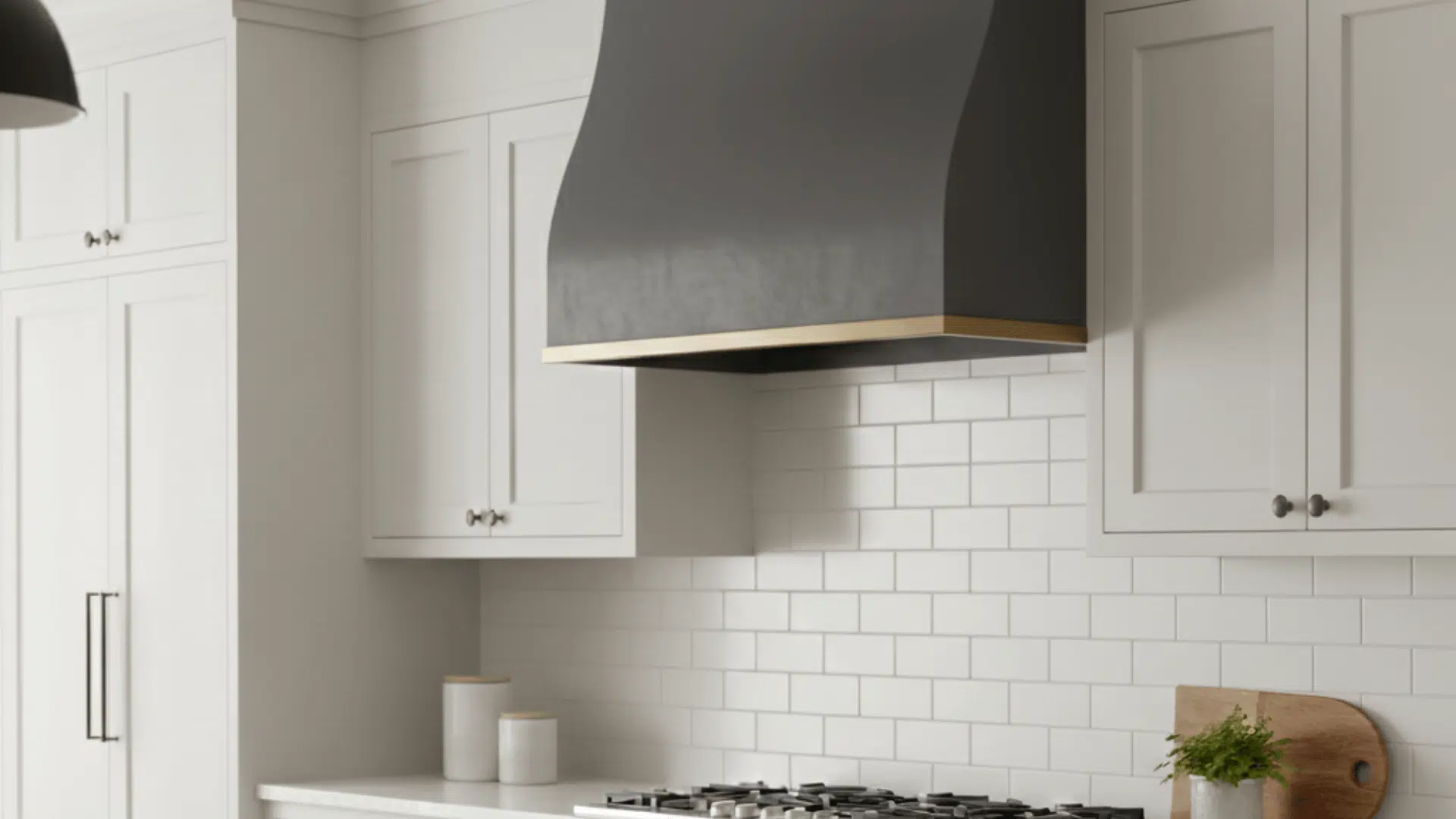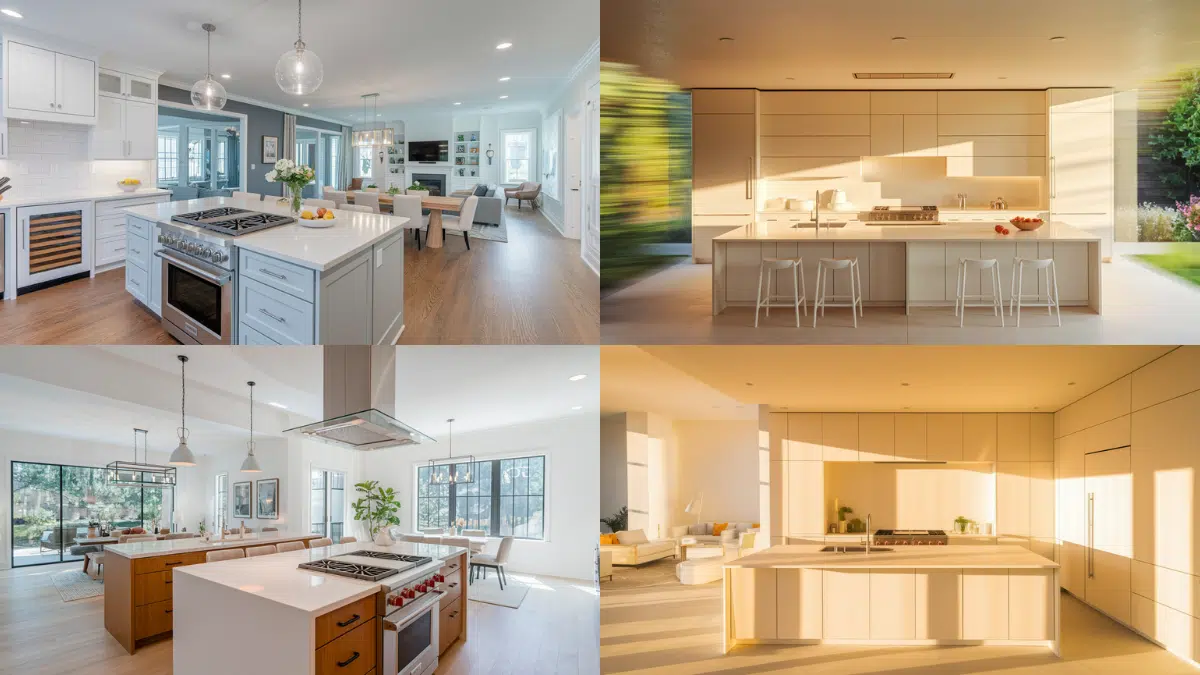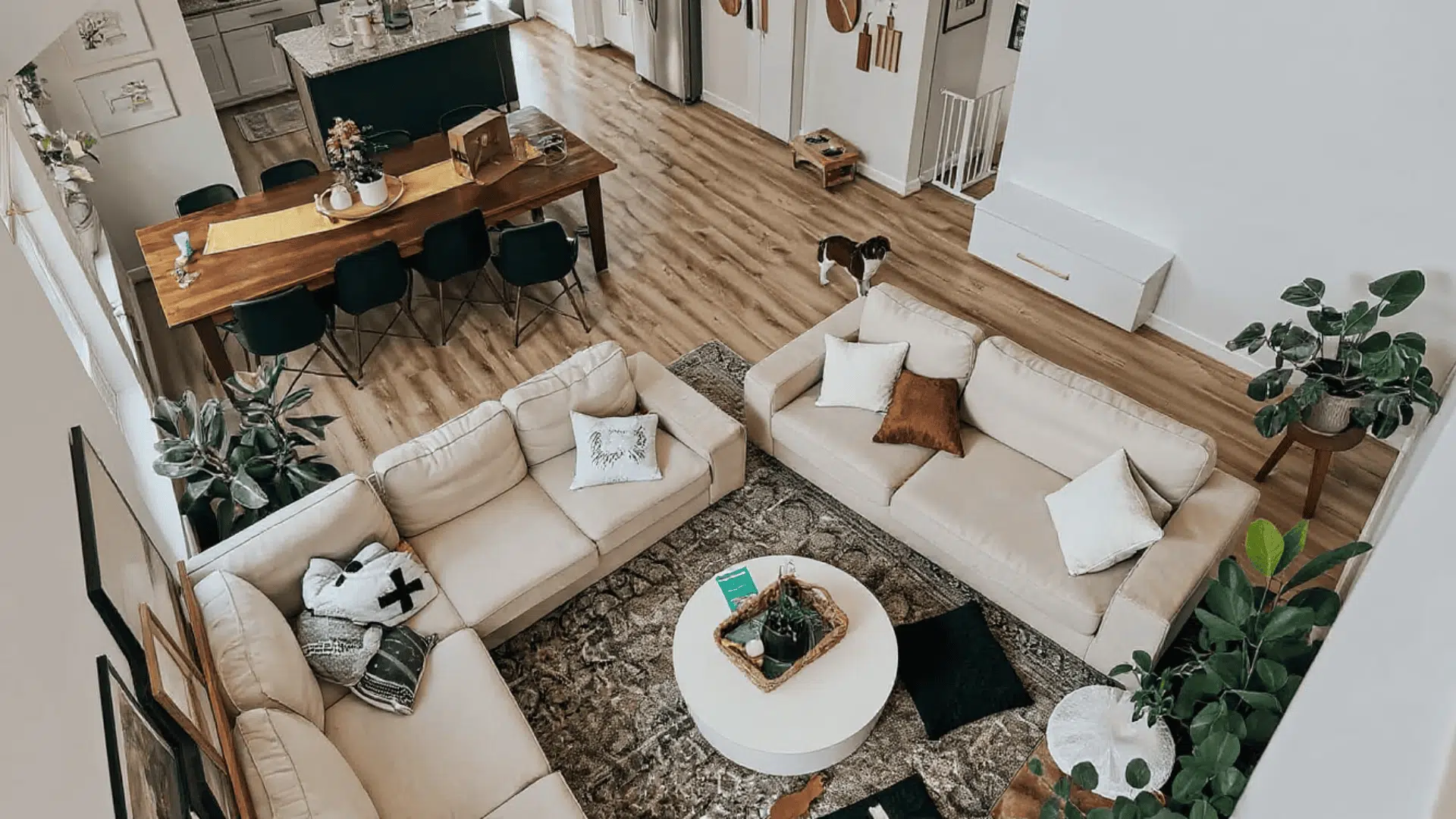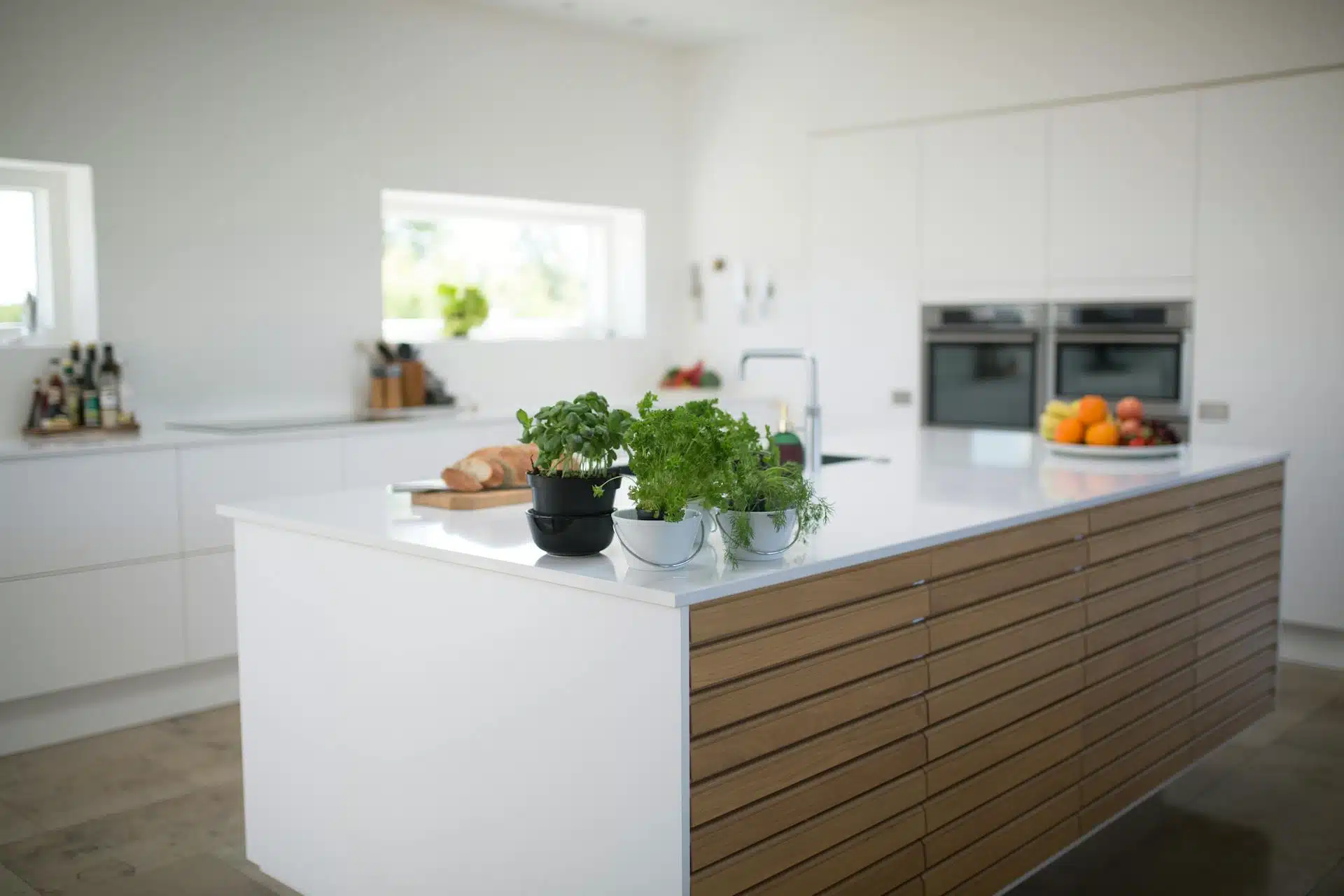

Designing a home is not only about style. It is about comfort, space, and daily habits. Many people struggle because every decision feels permanent and expensive. That is why AI interior design tools are becoming part of everyday interior design.
These AI tools do not replace creativity. They help people see options clearly and make better choices before buying furniture or starting renovations.
What Are AI Interior Design Tools?
AI interior design tools are digital platforms that help with the interior design process. They use photos, room sizes, and user preferences to create visual ideas for real spaces.
Most modern AI design platforms work as an AI-powered visualization platform. They allow users to:
- test different furniture layouts
- explore popular design styles
- receive clear design recommendations
- view rooms through photorealistic renders
This makes interior design easier, especially for people without professional experience.
Why People Use AI Tools for Interior Design
Home design decisions are stressful. A couch may look great online but feel too large in real life. Colors may look different in daylight. These doubts slow people down.
AI tools help solve this problem. They show results early in the design process. Instead of guessing, users can see how a room may look and feel.
Reports from the Houzz Renovation & Home Design Trends and digital behavior research by McKinsey show that more homeowners now rely on digital planning and visualization AI tools. This explains why AI interior design tools feel useful, not experimental.
Popular AI Interior Design Tools
There are many AI interior design tools available today. Each focuses on different AI capabilities. Below are some of the most common options.
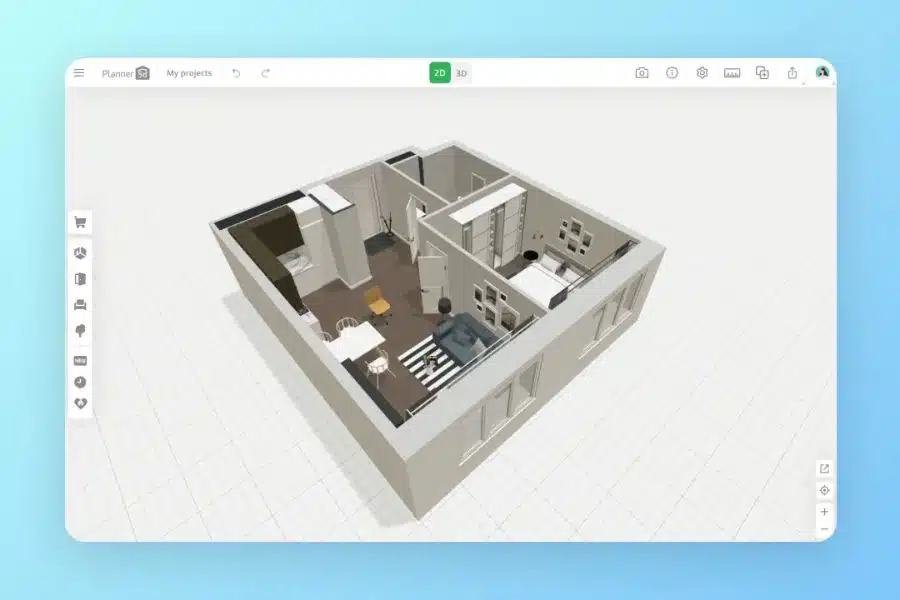
Planner 5D
Planner 5D works as a digital room planner. Users enter room sizes, and AI tools suggest layouts and 3D visuals.
Best for: beginners and homeowners
Main use: clear furniture layouts
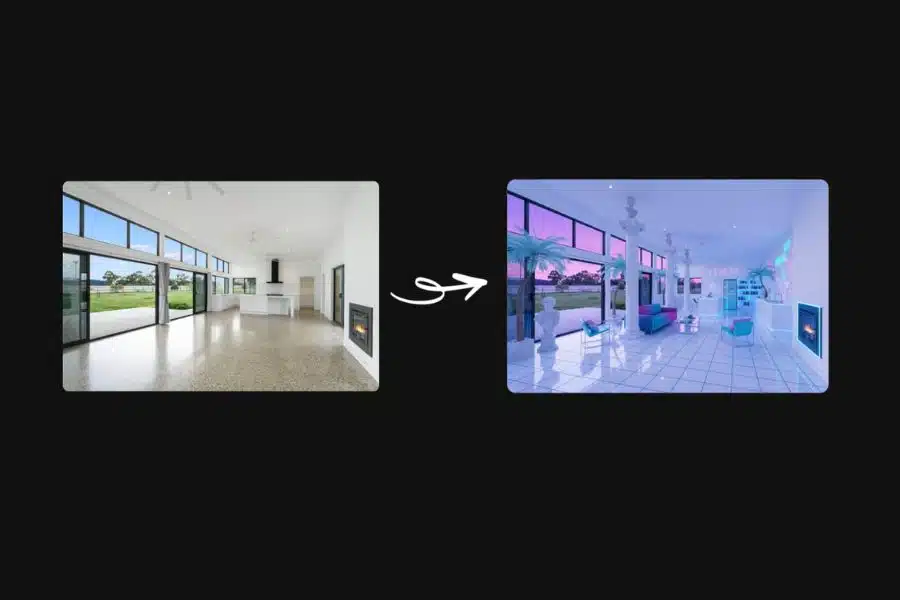
RoomGPT
RoomGPT lets users upload a room photo. The tool then shows redesigned versions in different design styles.
Best for: fast inspiration
Main use: quick visual ideas
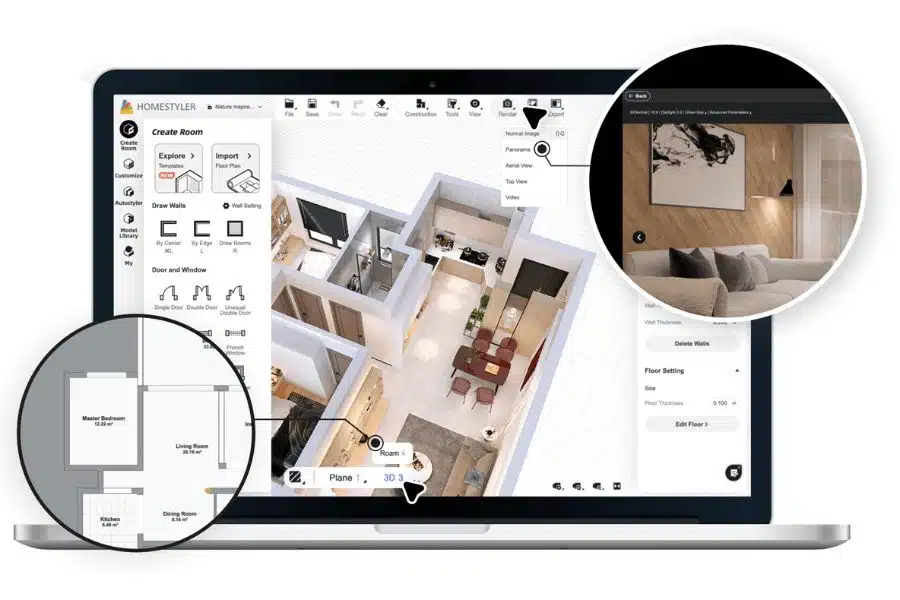
Homestyler
Homestyler combines planning with realistic visuals. It is often used for more detailed interior design work.
Best for: detailed planning
Main use: strong photorealistic renders
Interior AI
Interior AI focuses on speed. It creates several design versions from one image using advanced AI tools.
Best for: testing styles
Main use: fast visual results
DecorMatters
DecorMatters mixes AI tools with community feedback. Users can test ideas and see what others think.
Best for: shared decisions
Main use: helpful design recommendations
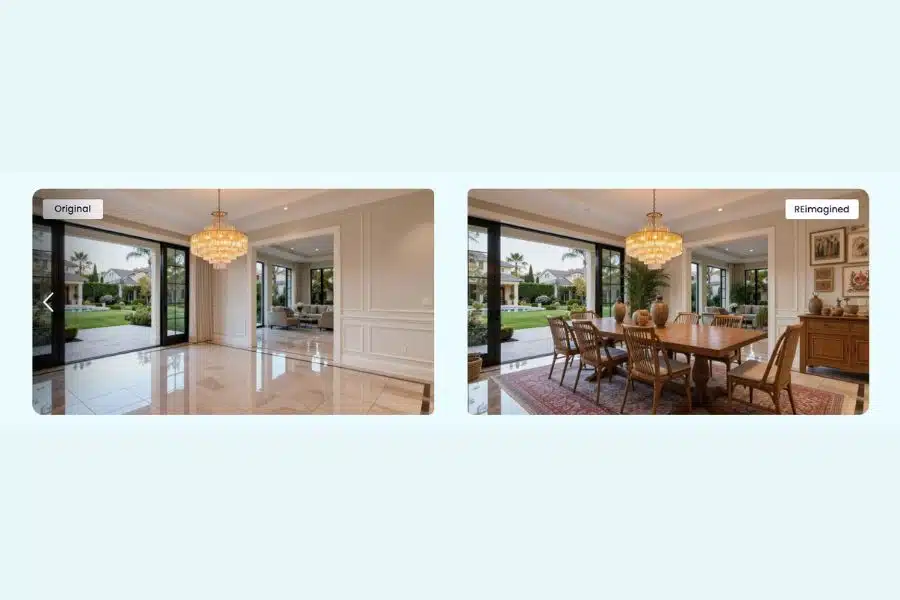
Reimagine Home
Reimagine Home is often used for virtual staging and renovation previews, especially in real estate.
Best for: staging and remodeling
Main use: before-and-after visuals
Foyr Neo
Foyr Neo offers professional AI interior design tools with advanced lighting and modeling.
Best for: designers
Main use: high-level AI capabilities
Comparison Table: AI Interior Design Tools
Tool Name | Main AI Features | Best Use Case |
Planner 5D | Room planner, layouts, 3D views | Home planning |
RoomGPT | Photo-based redesign | Quick inspiration |
Homestyler | AI layouts, real furniture | Detailed interior design |
Interior AI | Multi-style image creation | Style testing |
DecorMatters | AI suggestions + community input | Shared decisions |
Reimagine Home | AI virtual staging | Renovation, staging |
Foyr Neo | Advanced AI modeling | Professional design |
This table helps readers quickly see how different AI tools fit different interior design needs.
AI Tools and Better Decisions
The real value of AI interior design tools is not only visual. These AI tools help people make decisions with less stress. They reduce confusion and limit bad choices.
The same idea appears in other areas of life. Financial decisions, for example, can also feel overwhelming. People with limited options often need clear and realistic guidance.
One example is CreditCube, a service focused on loans for people with bad credit. It organizes information so users can understand which options may actually work for them.
Final Thoughts
The growing popularity of AI interior design tools shows a clear shift toward smarter home planning. By reducing guesswork and showing results early, these AI tools help people create spaces that work in real life – not only on screens.
As AI design platforms continue to improve, they will likely become a normal part of the interior design process for many households.

With a Master in Architectural Studies from University of Pennysylvania, Marwa Haydar has pioneered living spaces since 2005. Her expertise, initially honed in a prestigious architectural firm, is evident in her approach to creating environments. Marwa became part of our team in 2019 and has since been a driving force in our home improvement section, known for her practical yet stylish solutions. She’s been spearheading our design workshops since then, infusing her passion for teaching into her work. In her leisure time, Marwa enjoys exploring historic architecture and is an enthusiastic pottery hobbyist, further enriching her understanding of form and texture.