
Every Columbus homeowner reaches a point where the home they bought no longer matches the life they are living. Families grow and need more space. Kitchens that worked fine for two people become a daily frustration when four people are using them.
Basements sit unfinished for years while the household pays for space they cannot actually use. Bathrooms that were acceptable when the house was purchased start feeling dated against the standard of what a renovation can realistically achieve today.
The decision to remodel rather than move is one that more Columbus homeowners are making as the local real estate market continues to make purchasing a larger or updated property a more expensive and competitive undertaking than it was several years ago.
Investing in Home Remodeling in Columbus allows households to get the home they actually want in the neighborhood they already know, without the cost and disruption of a move. Homecraft Remodeling has helped Columbus homeowners make that investment successfully for over twelve years, bringing veteran-owned discipline and genuine craftsmanship to projects that range from single-room renovations to complete whole-home transformations across the Columbus area.
Understanding what makes a remodeling investment successful, and what decisions most commonly undermine it, gives Columbus homeowners the foundation to approach their project with clarity and confidence.
The Kitchen Remodel Decision: Layout First, Finishes Second
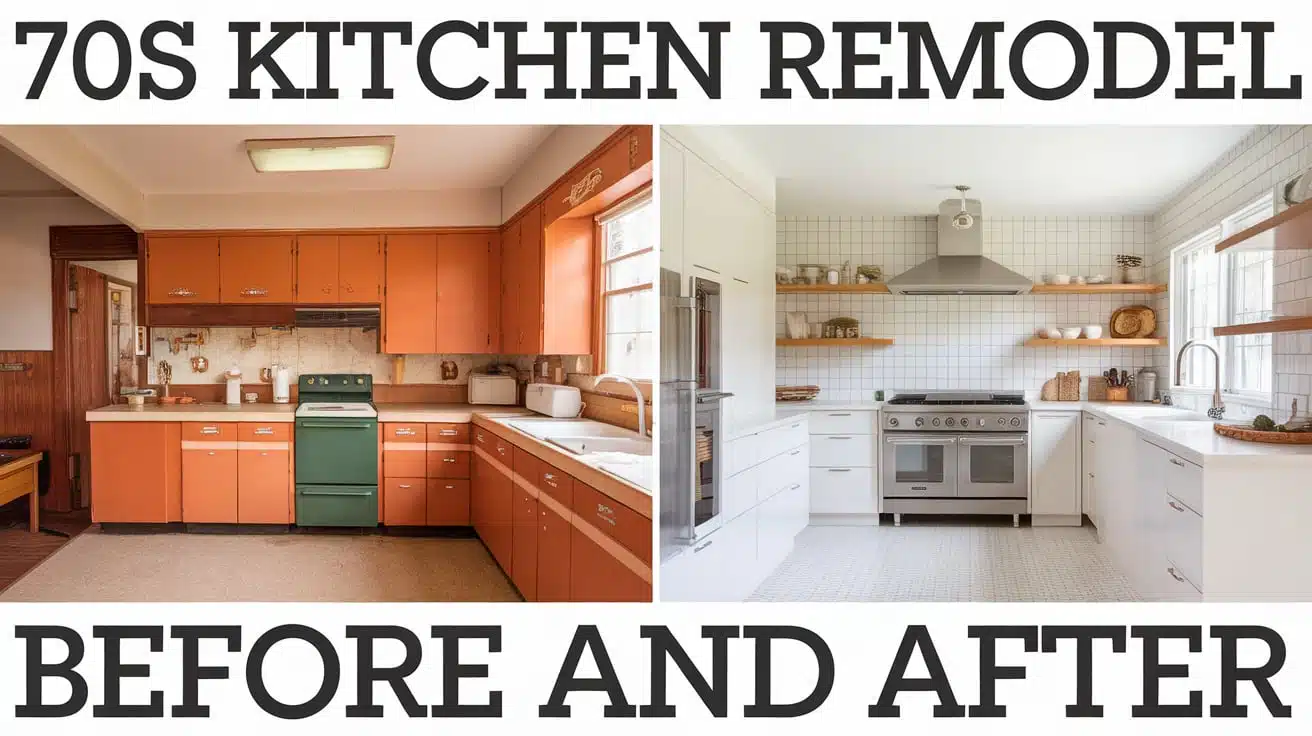
Columbus homeowners planning a kitchen renovation often arrive at the first contractor conversation already focused on cabinet styles and countertop materials. These decisions matter, but they are secondary to the layout question that determines whether the finished kitchen will actually function well for how the household uses the space every day.
A kitchen layout that creates a good workflow between the cooking zone, the preparation area, and the refrigerator functions well regardless of the specific finishes applied to it. A kitchen with beautiful cabinetry and premium countertops installed in a layout that creates constant friction in daily use produces daily frustration regardless of how impressive the materials are. Getting the layout right, even if that requires structural changes to walls or the relocation of plumbing, is the decision that has the most lasting impact on whether the kitchen remodel delivers the result the homeowner was investing in.
Columbus homes built in the mid-twentieth century frequently have kitchen layouts designed around assumptions about how cooking and household life work that do not reflect how most families actually use their homes today. Opening these kitchens to adjacent dining or living spaces, improving natural light, and creating better flow between indoor and outdoor living areas are the changes that transform a dated kitchen into one that genuinely works for contemporary family life.
Bathroom Renovation: What the Budget Conversation Should Actually Cover
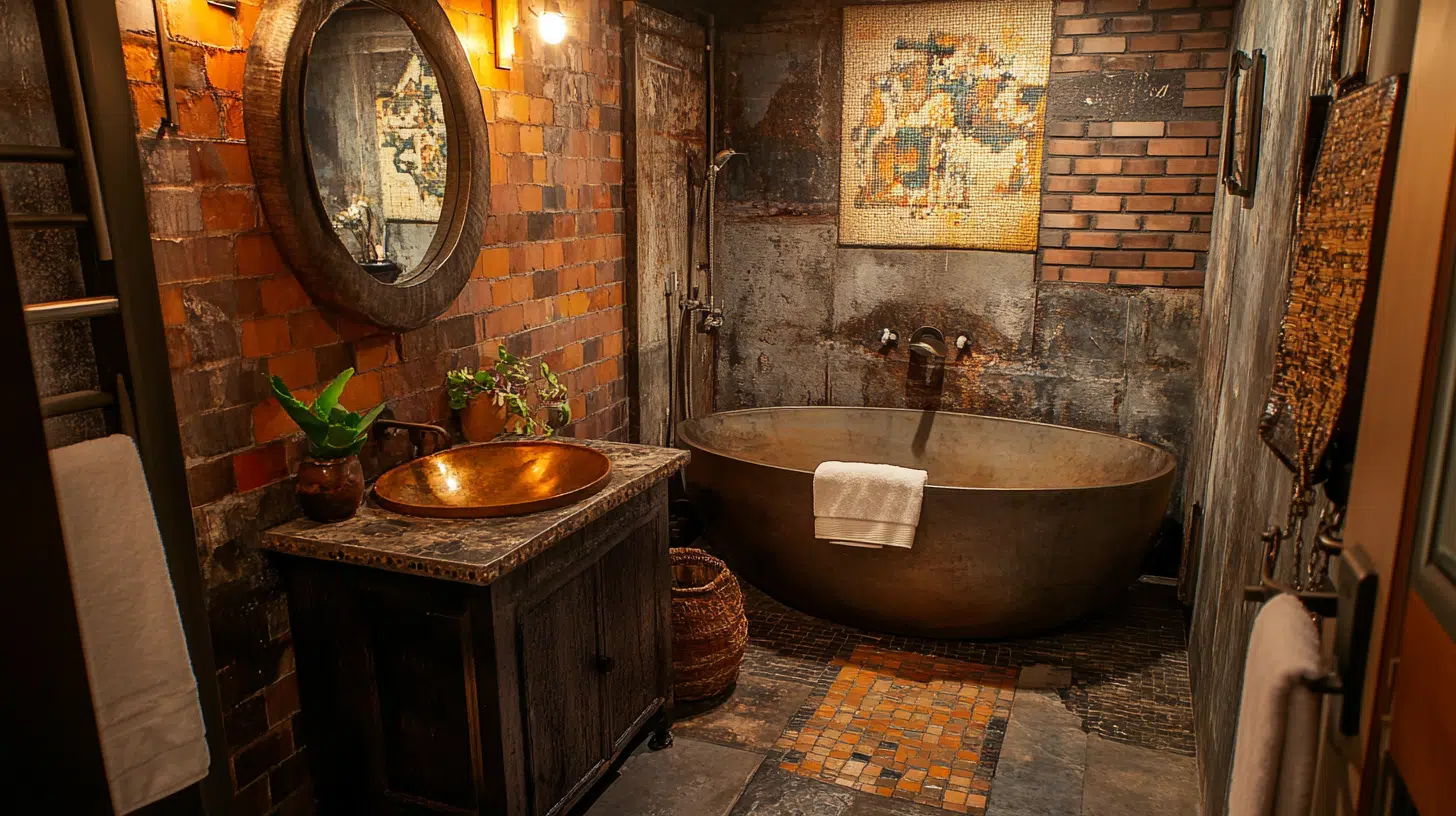
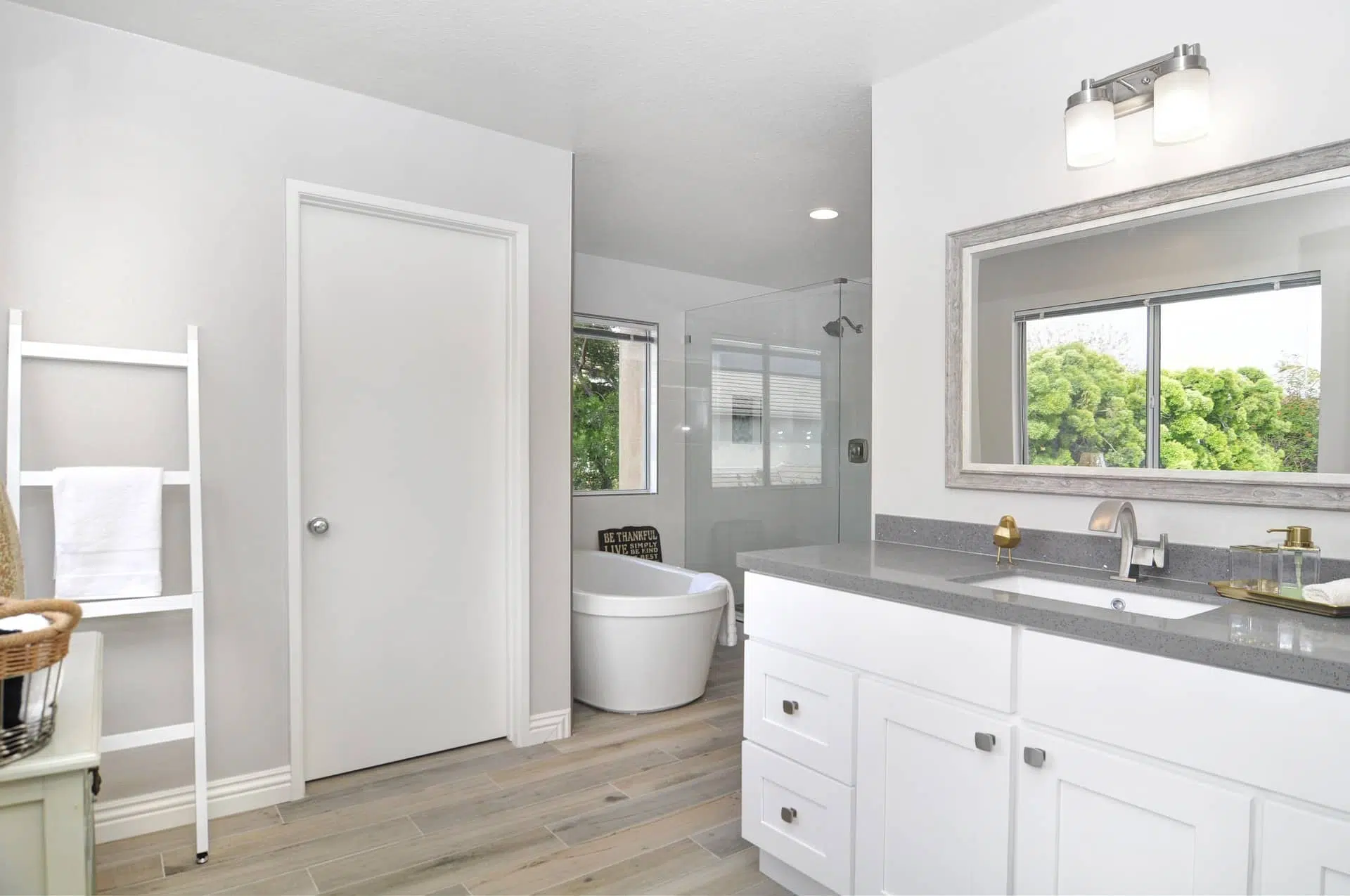
Bathroom remodeling budgets in Columbus consistently run higher than homeowners initially expect, and understanding why this happens helps households plan realistically rather than being surprised by costs that emerge once work is underway.
The visible components of a bathroom renovation, tile, fixtures, vanities, and mirrors, represent a portion of the total project cost. The work that happens behind and beneath those visible elements, waterproofing, subfloor preparation, plumbing updates, and electrical work to meet current code, represents the portion that is harder to anticipate from a surface inspection before demolition begins. Older Columbus homes frequently have bathroom subfloors that have been affected by decades of moisture exposure that was never properly managed, and addressing those conditions is necessary before any finishing materials can be installed properly.
A contractor who presents a bathroom remodel proposal that does not acknowledge this possibility is either inexperienced with Columbus-area homes or is presenting a price that will need to be revised once work begins. The more honest approach is a proposal that includes a realistic contingency for what is likely to be found and a clear explanation of how discoveries during demolition will be communicated and priced.
Basement Finishing: Planning for How You Will Actually Use the Space
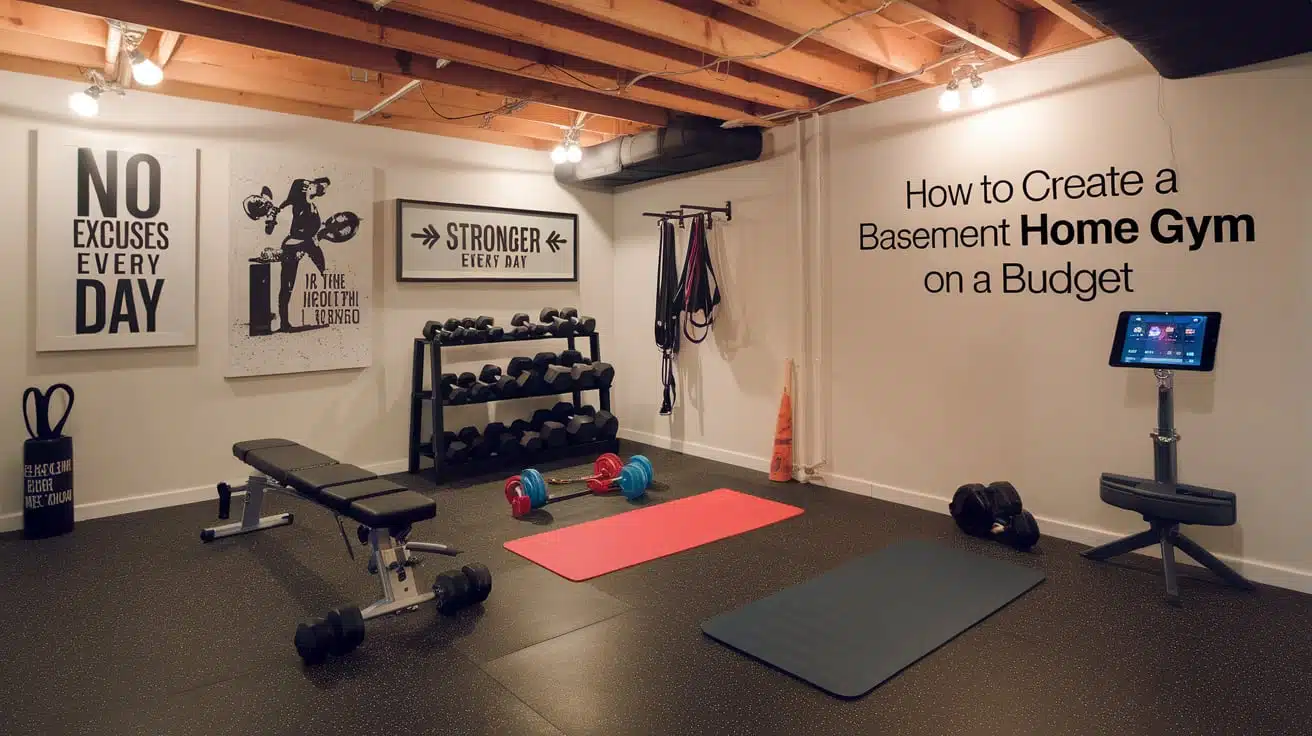
The most common mistake Columbus homeowners make when planning a basement remodel is designing the space around a use they imagine rather than one they will actually commit to. A basement home theater that requires specific acoustic treatment, lighting control, and seating layout is a significant investment that delivers value if the household actually uses it that way and a frustrating waste of budget if the room sits unused because the household’s actual entertainment habits are different from what was imagined during the planning phase.
Finished basements that deliver lasting value in Columbus homes are almost always those designed around clearly identified, genuinely realistic household needs. A home office that meets specific requirements for acoustic privacy, lighting quality, and equipment accommodation serves the person working in it every day in ways that are measurable and consistent. A family room that provides comfortable space for the household’s actual recreational activities gets used, and used space delivers value in ways that a beautifully finished but rarely occupied room does not.
Practical conversations about how the household actually lives and what it genuinely needs from additional finished space produce better basement remodeling outcomes than inspiration-driven design decisions that are exciting during the planning phase but disconnected from daily reality.
Home Additions: When the House Genuinely Needs More Square Footage
Some household needs cannot be solved through reconfiguring existing space, and a home addition is the answer when the fundamental problem is that the home simply does not have enough square footage to accommodate how the household needs to live. Columbus families navigating this decision benefit from understanding what additional projects actually involve before committing to a scope and budget.
The foundation work that an addition requires is often the largest single cost component that homeowners underestimate. Connecting new construction to an existing foundation in a way that performs correctly through Ohio’s seasonal freeze and thaw cycles requires engineering and execution that directly affects the long-term integrity of the addition. A contractor who treats foundation work as a place to reduce costs is creating future problems for the homeowner that will cost considerably more to address than the savings achieved during construction.
Exterior integration is the other component of addition projects that separates outcomes that look intentional from those that look attached. Matching rooflines, exterior materials, window proportions, and architectural details to the existing home requires both design skill and construction precision that experienced addition contractors bring to every project.
Homecraft Remodeling manages the full scope of home addition projects in Columbus, coordinating the engineering, permitting, and construction execution that these projects require with the clear communication and accountability that homeowners deserve throughout a project of this scale and complexity.

Holding a Master’s in Architecture from the University of Texas at Austin, Emily Rodriguez has dedicated more than two decades to the art and science of building renovation. Starting her journey in historic preservation, she developed a profound respect for blending old with new in building design. Emily became a vital part of our team in 2019, renowned for her insightful and innovative renovation tips. She has been leading our DIY home improvement series since ever since, where she shares her wealth of knowledge in turning outdated spaces into modern havens. When not engaged in writing or consulting, Emily is a passionate advocate for heritage conservation and enjoys exploring vintage architecture, a hobby that complements her professional expertise.