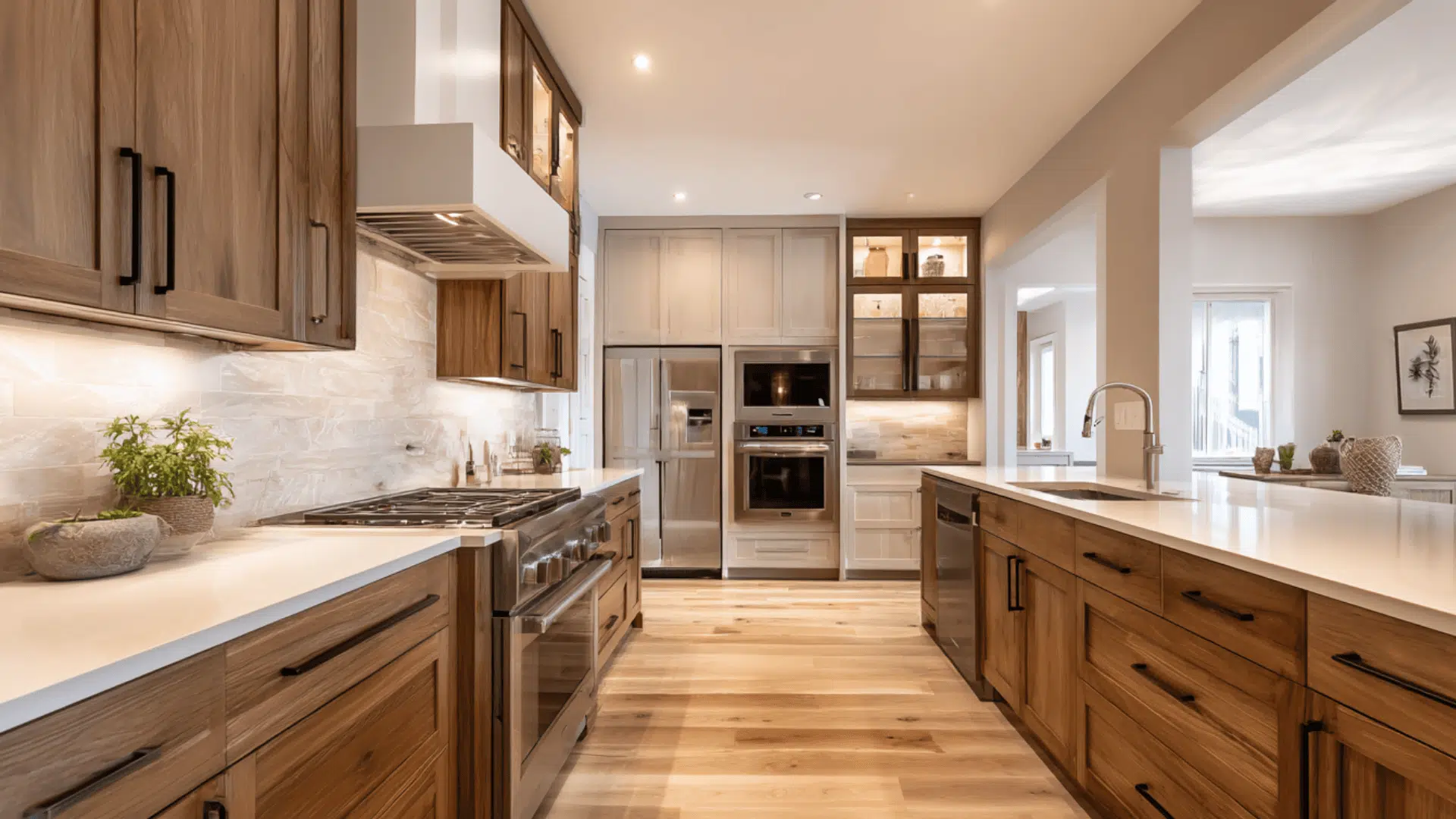

Choosing the right cabinet styles can shape the look and feel of your whole home. Each style has its own personality, and understanding these differences helps you avoid confusion during a remodel.
In this blog, I break down the most popular cabinet door types, the materials they use, and the finishes that work best with them.
You’ll also learn how to match cabinet styles to your home’s design and budget. By the end, you’ll have a clear idea of which styles fit your space and how to choose doors that look good and stay practical for years.
Popular Cabinet Styles to Consider
These cabinet styles give you a clear look at the most common options used in today’s kitchens and bathrooms. Each style has its own design, materials, and way of building the door.
1. Shaker
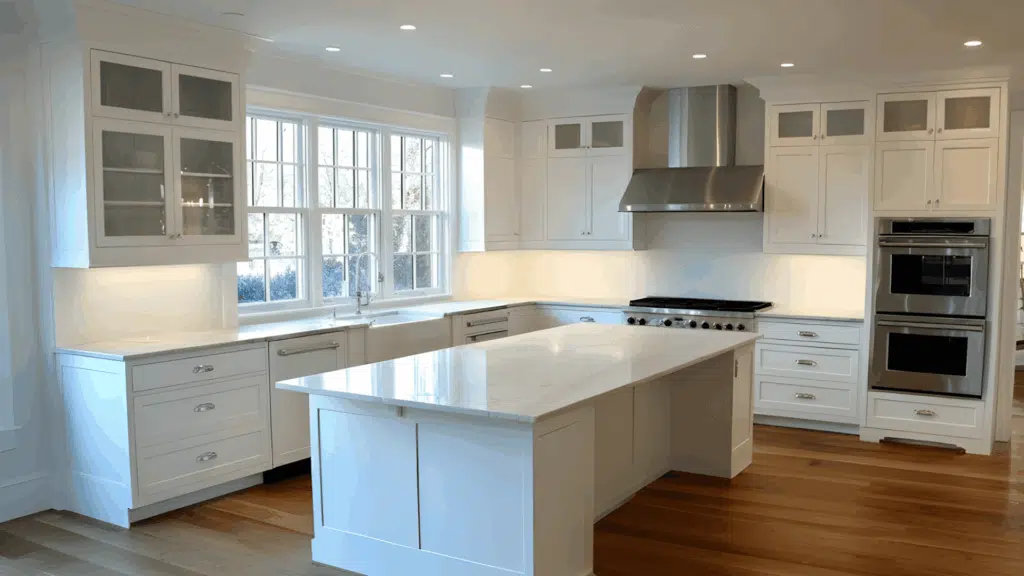
Shaker cabinets use a flat center panel with a clean frame. The look comes from square rails and stiles with no extra trim.
Maple, birch, and MDF are common because they stay smooth and take paint well. A simple painted finish keeps the style balanced.
2. Slim Shaker
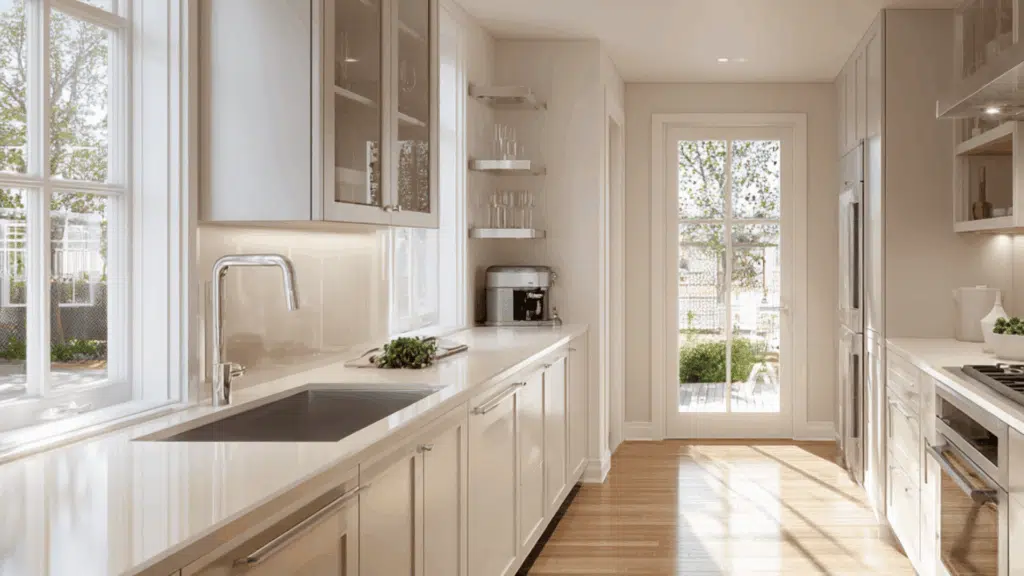
Slim Shaker cabinets have a thinner frame that looks softer and more modern. Narrow rails and stiles help keep the profile light.
Maple, birch, and MDF work well for this style because they offer clean lines. Soft paint colors support the updated, airy feel.
3. Beveled Shaker
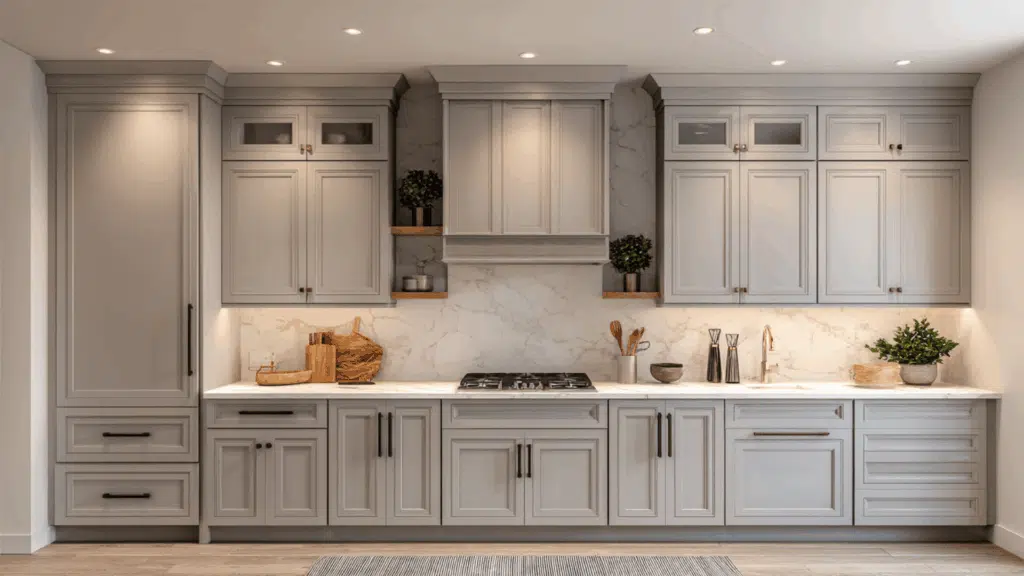
Beveled Shaker cabinets feature angled edges on the inside of the frame for added detail. This shape gives the door more depth without looking busy.
Maple, poplar, and MDF are popular choices because they cut cleanly. Paint or stain highlights the beveled edges nicely.
4. Slab
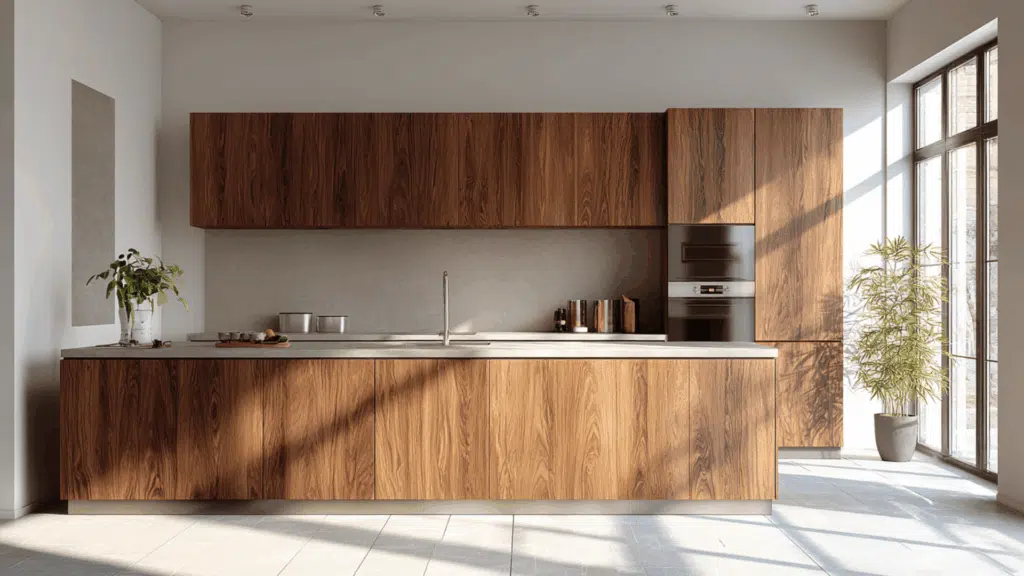
Slab cabinets use a flat door with no frame. Solid wood, plywood, or MDF panels work well here. Walnut, oak, and maple show beautiful grain, while MDF gives a smooth painted finish. Hidden hinges and simple hardware fit the clean, modern look.
5. Raised Panel
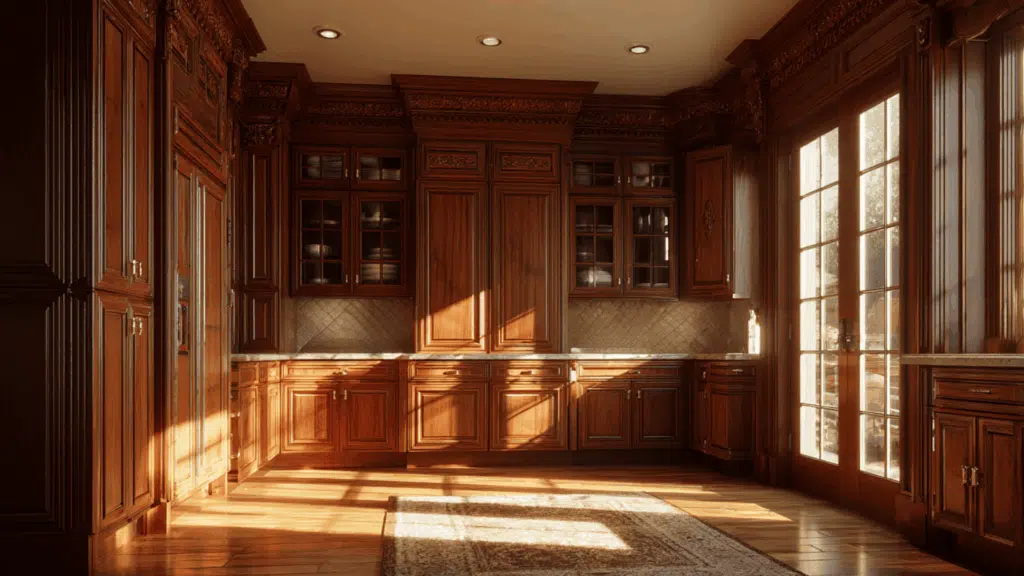
Raised panel cabinets have a center panel that stands higher than the frame. This shape gives the door a classic, formal look.
Oak, cherry, and maple allow detailed carving and clear lines. Stained finishes highlight the raised profile and natural wood texture.
6. Recessed Panel
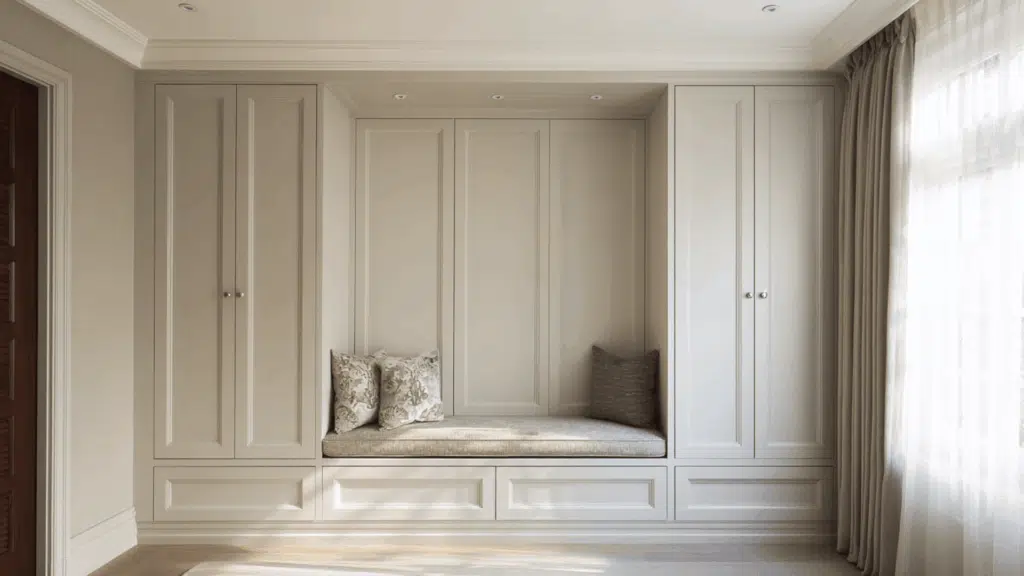
Recessed panel cabinets have a center panel that sits slightly lower inside the frame, and the design looks simple.
Maple, birch, and MDF work well for this style because they stay smooth. Both paint and stain pair nicely with the clean lines.
7. Inset
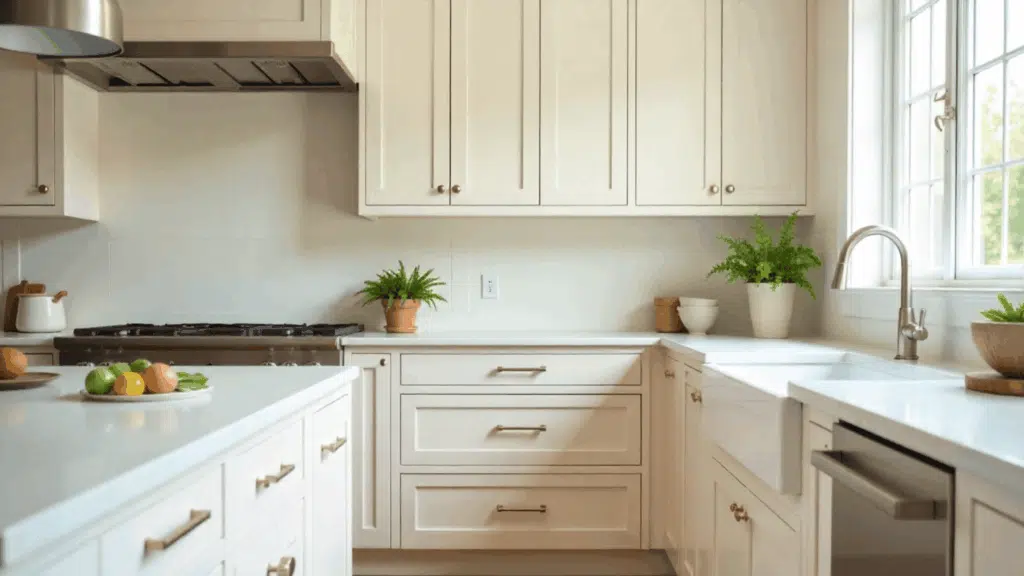
Inset cabinets sit flush inside the cabinet frame, giving the room a built-in look. This approach requires precise measurements and smooth door movement.
Maple, cherry, and quarter-sawn oak are often used because they stay stable. A painted finish adds to the custom feel.
8. Full Overlay
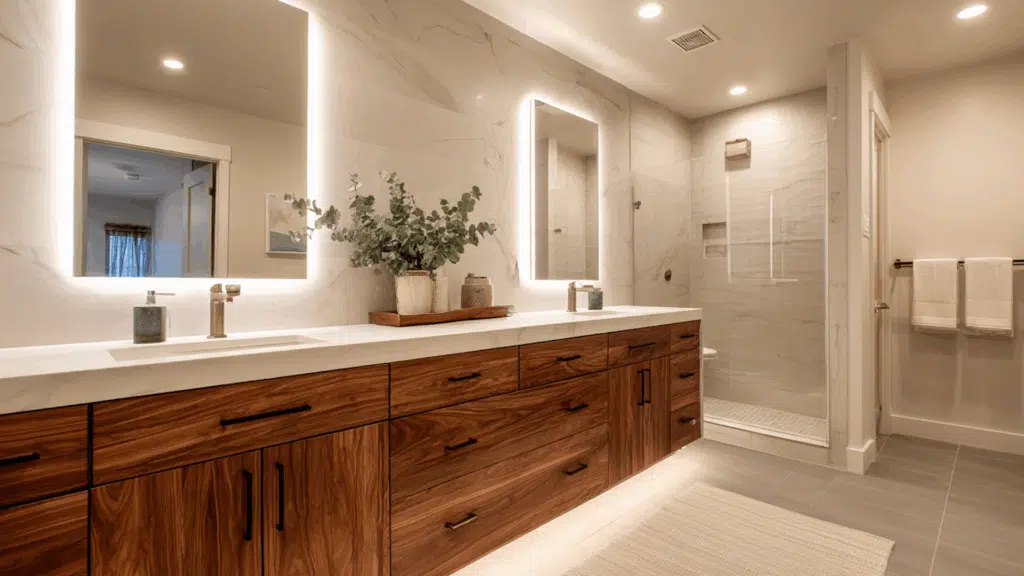
Full overlay cabinets cover most of the frame, creating a smooth, seamless surface. Larger doors placed close together help form this look.
Maple, birch, and MDF are common materials because they paint well. Simple hardware keeps the style neat and modern.
9. Partial Overlay
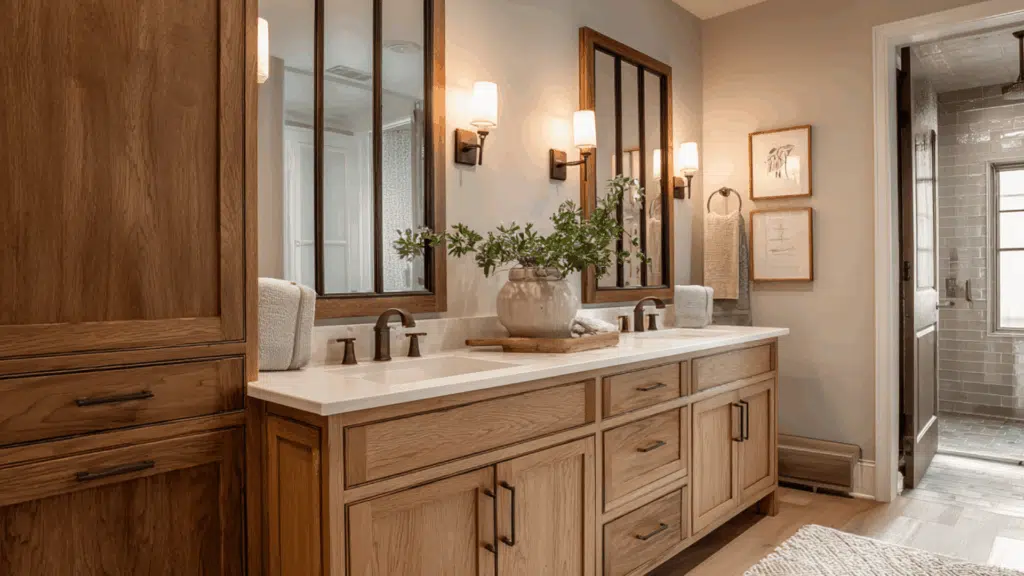
Partial overlay cabinets leave more of the frame visible. Standard-size doors help form the familiar look found in many homes.
Oak, maple, and birch are often used for their strength and grain. Both paint and stain work well, depending on the room’s style.
10. Arched Door
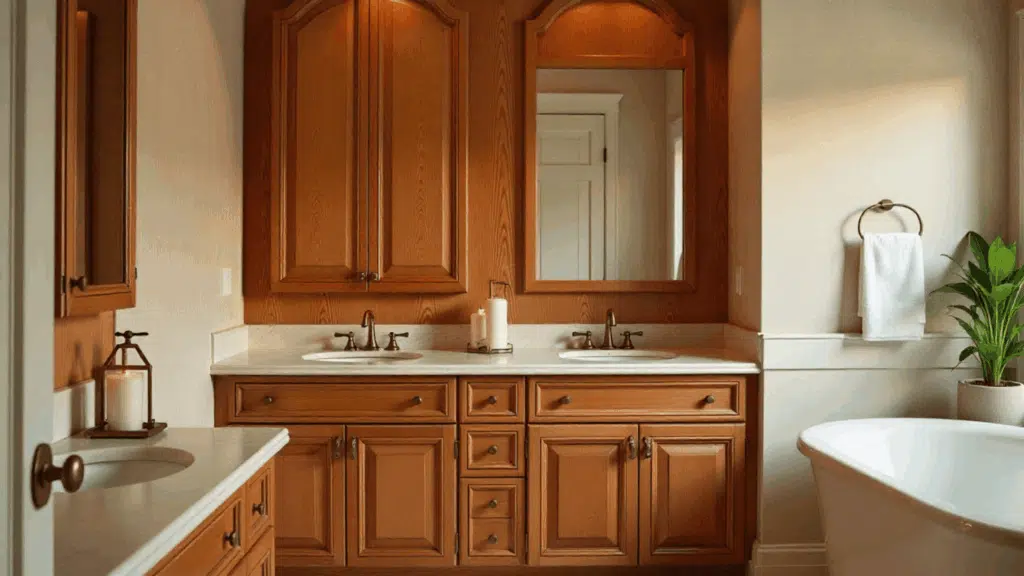
Arched door cabinets use a curved top rail for a soft, traditional look. The curved shape adds character and warmth.
Oak, cherry, and alder shape well and hold detail. Stained finishes highlight the arch and bring out the wood’s natural tone.
11. Glass-Front
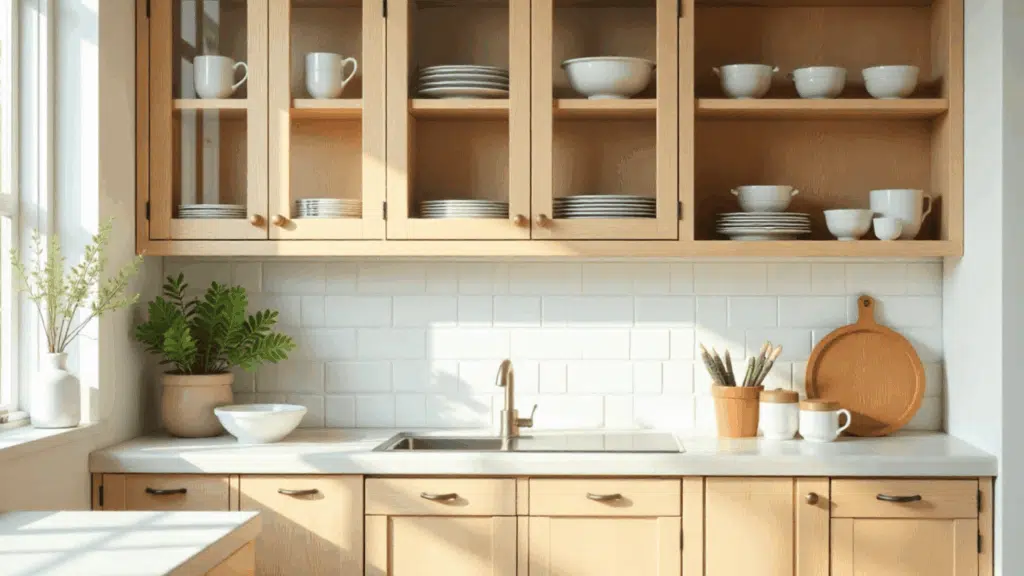
Glass-front cabinets replace the center panel with clear, frosted, or textured glass. The style helps open up a room and display dishes.
Maple, birch, and oak frames hold glass securely. Paint or stain works depending on whether you want a bright or warm look.
12. Reeded
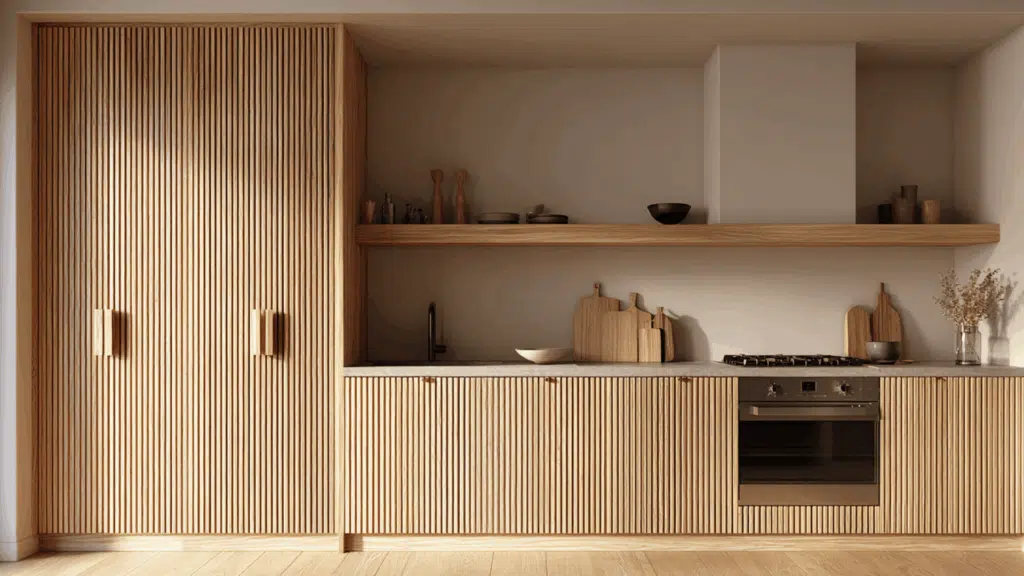
Reeded cabinets feature narrow vertical grooves that add texture and movement. Routing or attaching reeded panels forms the lined design.
Oak, walnut, and maple work well because they show crisp grooves. A soft paint or stain adds definition without overwhelming the texture.
13. Fluted Glass
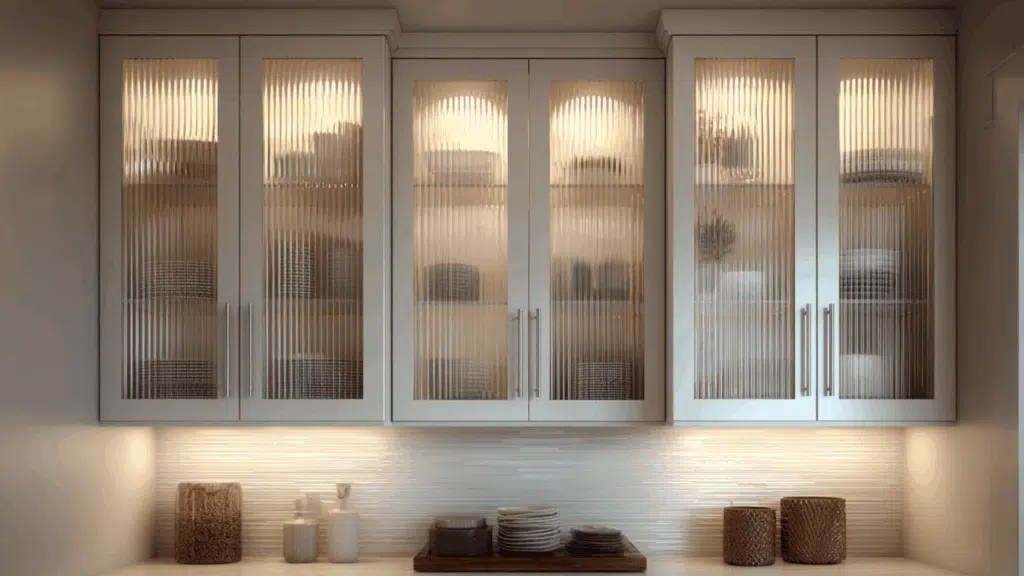
Fluted glass cabinets use textured glass with vertical lines that blur what’s inside while allowing light through.
Maple, birch, and MDF frames support the glass easily. The mix of texture and light works well in both modern and classic spaces.
14. Louvered
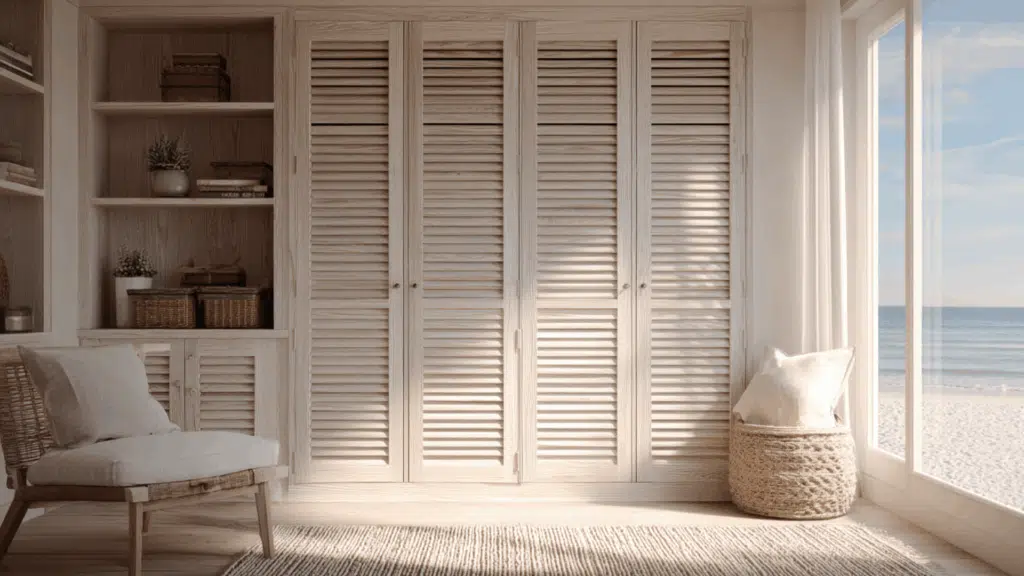
Louvered cabinets use horizontal slats similar to shutters. The slats add airflow, making them great for laundry rooms or coastal spaces.
Teak, oak, and maple hold the slatted design well. Stain or paint adds charm and fits many home styles.
15. Beadboard
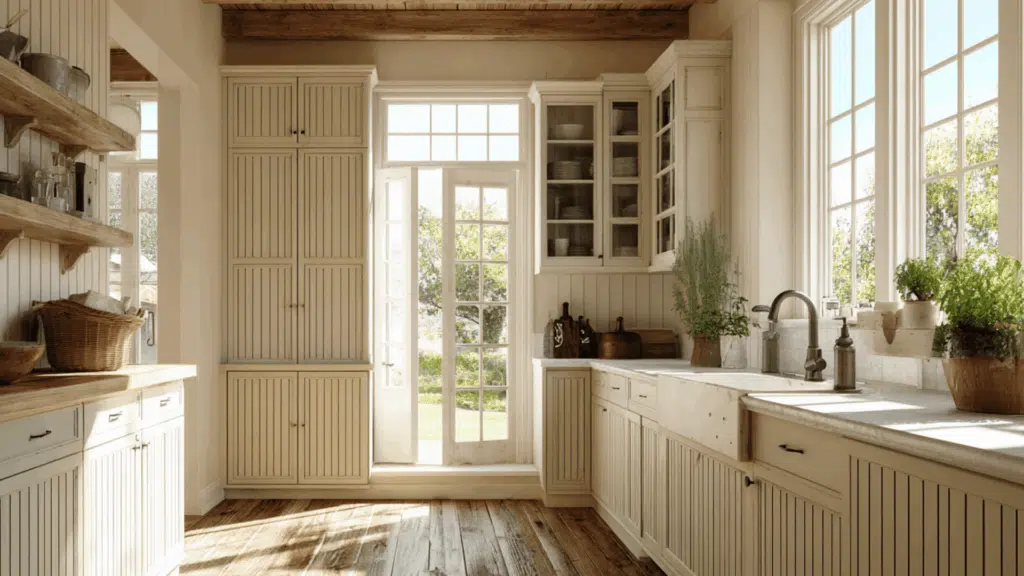
Beadboard cabinets feature narrow vertical grooves that resemble small wood planks. The panel adds warmth and character.
Pine, maple, and MDF are common materials for this style. Soft paint colors highlight the lines and support a cottage or farmhouse look.
How to Choose the Right Cabinet Doors
The idea of choosing the right type of cabinet door is easier when you match it to your home, lifestyle, and budget. A few simple guidelines can help you find the perfect look.
Based on Overall Home Style
| Home Style | Best Cabinet Styles | Why It Works |
|---|---|---|
| Modern | Slab, Thin-Rail Shaker | Clean lines create a smooth, simple look that feels fresh, minimal, and uncluttered. |
| Traditional | Raised Panel | Adds depth and detail. Brings a warm, classic feel that works with rich trims. |
| Transitional | Shaker, Recessed | Blends old and new. Gives a balanced look that feels clean but still has character and gentle shape. |
| Farmhouse | Shaker, Beadboard | Adds texture and charm. Creates a cozy, homey feel that matches rustic and welcoming designs. |
Match Style to Your Lifestyle
- Best for Busy Families: Shaker and recessed doors hide smudges and hold up well to daily use. They offer a simple design that’s easy to clean, durable, and forgiving around kids.
- Best for Low Maintenance: Slab cabinets are the easiest to wipe down because they have no grooves. They work well for people who want quick cleaning and smooth, fuss-free surfaces.
- Best for Resale Value: Shaker cabinets appeal to most buyers. They feel classic, work with many home styles, and help the kitchen stay relevant even when trends shift over time.
- Best for Small Kitchens: Slab and thin-rail shaker doors make tight spaces look bigger. Their clean lines reduce visual clutter and help the room feel more open and bright.
Based on Budget and Kitchen Size
| Style | Cost Level | Best for Kitchen Size |
|---|---|---|
| Slab | Cheapest | Small or large kitchens. The smooth surface keeps the room open. |
| Standard Shaker | Mid-range | Works in any size, especially medium to large kitchens. |
| Inset | High-end | Best in larger kitchens where the detailed look can stand out. |
These quick guidelines make it easier to choose a cabinet style that fits your home and daily life. When the style matches your space, your kitchen feels more natural, functional, and complete.
Cabinet Styles for Every Room
Cabinet styles work differently in each room because every space has its own needs. These quick notes help you pick the right style for each area.
Bathroom Cabinet Styles
Slab and shaker doors are the top choices here because they have smooth surfaces that don’t trap dust or water. For smaller bathrooms, light paint colors or a soft stain finish can make the space feel larger and brighter.
Pantry Cabinet Styles
Pantries are all about easy access and organization. That’s why functional designs like shaker or recessed panel cabinets fit perfectly.
These styles hold up well to frequent opening and closing and provide a clean, uncluttered look. If you want to add character, consider using glass-front cabinet doors on the upper section for visibility and lighter visual weight.
Laundry Room Cabinets
Laundry rooms work best when everything is simple and easy to maintain. Slab cabinets are ideal for this space because they have no grooves or raised panels, making cleaning quick and effortless.
Their smooth surface also prevents dust buildup, which can be a problem in laundry areas. Pair slab cabinets with sleek hardware for a clean, organized look that complements the practical feel of the room.
Furniture Cabinets
Not all cabinets are built into the wall; many are part of furniture pieces like buffets, china cabinets, and accent storage. For these, decorative styles such as beadboard or glass-front doors add warmth and charm.
Beadboard brings a cottage or farmhouse touch with its lined design, while glass-front cabinets make a space feel open and airy by displaying dishes or décor.
Common Mistakes to Avoid
- Choosing trendy styles that clash with the flooring: Some trends look good on their own, but clash with existing floors or counters. Always check how the cabinet style works with the room’s fixed features before deciding.
- Mixing too many styles: Using several cabinet styles in one space can make the room feel unplanned. Keep the main style consistent and use accents only when they add clear purpose.
- Picking high-maintenance designs unknowingly: Some cabinet styles show fingerprints, dust, or scratches more easily. Make sure the style matches your daily routine so the cabinets are easier to clean and maintain.
Conclusion
Picking the right cabinet styles becomes much easier when you know what each one brings to your home. The best choice fits your daily routine, your layout, and the kind of look you want to create.
I always recommend thinking about long-term use, not just the design you like today. This helps you choose cabinets that stay beautiful, work well, and add value over time.
If you’re ready to check cabinet styles for your own space, start by listing your needs and comparing your top choices. When you’re ready, start updating in a way that feels just right.

With a Master’s in Architecture from the University of California, Berkeley, Mitchell Green has spent over two decades dedicated to the study and practical application of home fixture design. His career started in an architectural firm, providing him a strong foundation in the structural and aesthetic aspects of home interiors. Mitchell brought his comprehensive knowledge to our platform, where he has been an influential voice in our home fixtures and fittings section. Since 2018, he has been guiding our readers through the intricacies of selecting and installing fixtures, combining technical know-how with design flair. In his spare time, Mitchell is a keen photographer, capturing architectural details and design elements, an interest that complements his professional focus.