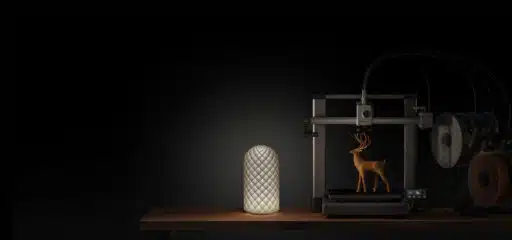
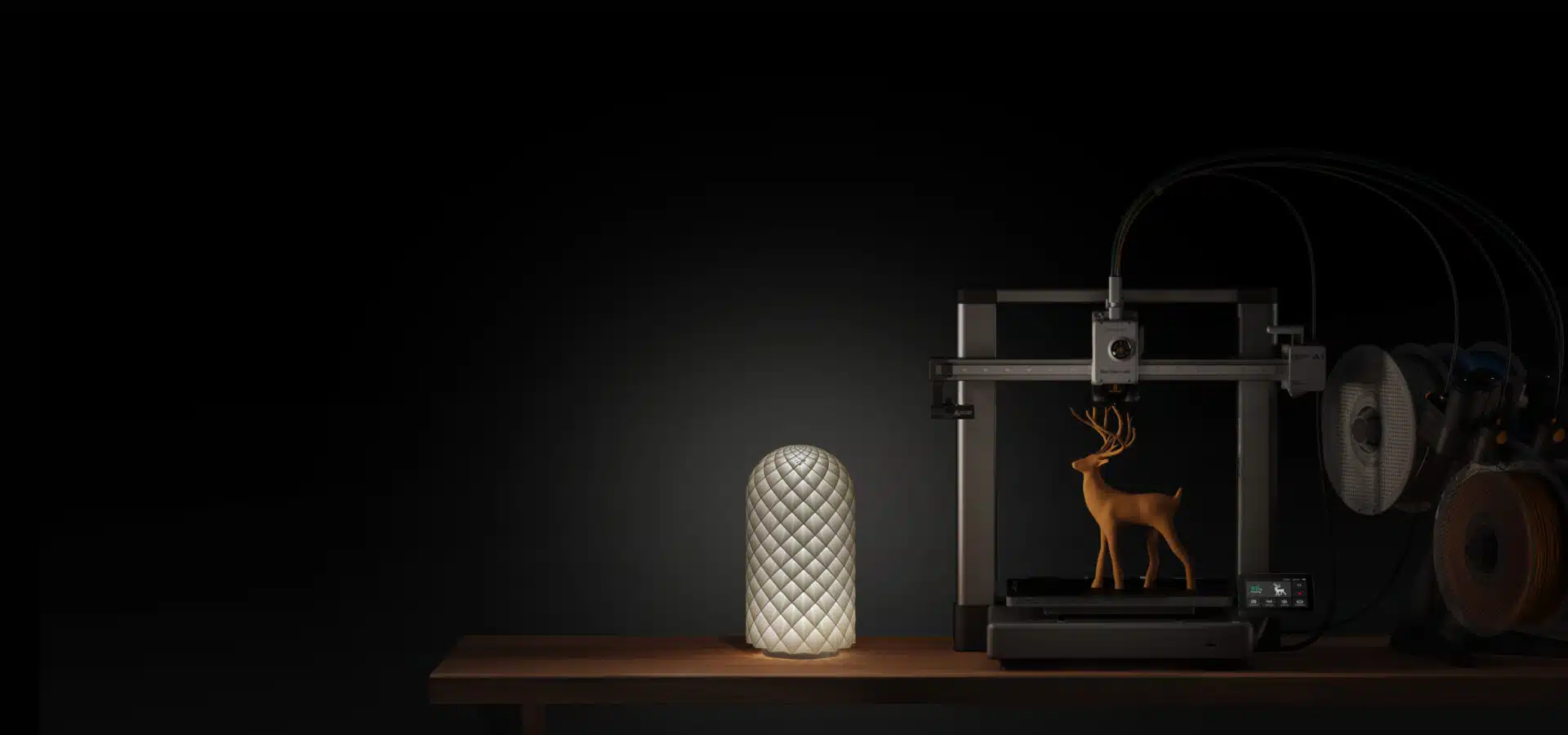

Purchasing a low-cost 3D printer for kids does not mean settling for something unsafe and unreliable. The market has evolved; you can get printers with auto-calibration and safety features at relatively low prices. In this guide, we’ll discuss cost-effective 3D printer models for families.
Kid 3D printer price
If your kid is a beginner to 3D printing, then you can benefit from entry-level printers that cost less than $300. In this range, you can get auto-calibrated printers with minimal setup requirements. Mid-range budget printers under $500 have added features like better material compatibility and enclosed designs.
Families looking for the best budget 3D printer with long-term plans should consider higher-budget options under $1,000. Spending more money now will prevent your teen from outgrowing the printer too soon.
Getting a cheap 3D printer does not mean poor quality or safety. Five years ago, the low-cost 3D printers needed constant tweaking. But now you get advanced features at a reasonable price.
What’s the best budget 3D printer for kids?
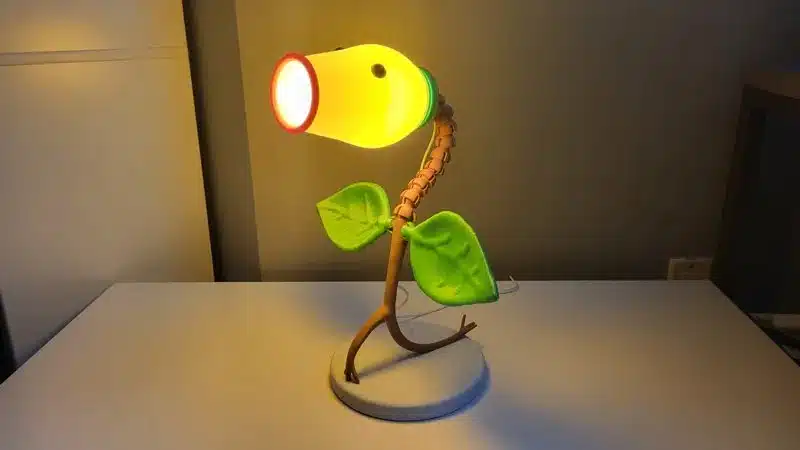
The best 3D printer for kids strikes a balance between cost, security, and usability.
The Bambu Lab A1 series automatically handles calibration and has the lowest entry price. Kids can start printing within twenty minutes of opening the box.
Another cheap 3D printer is the P1S, an enclosed model. That enclosure filters fumes and keeps hands away from hot parts. This is important if you have small children near the printer.
Although the P2S is more expensive, it won’t become outdated as children’s abilities advance. It prints more quickly and can handle advanced materials.
Best cheap 3D printers for kids in 2026
Best 3D printer for kids under $300: Bambu Lab A1/A1 mini
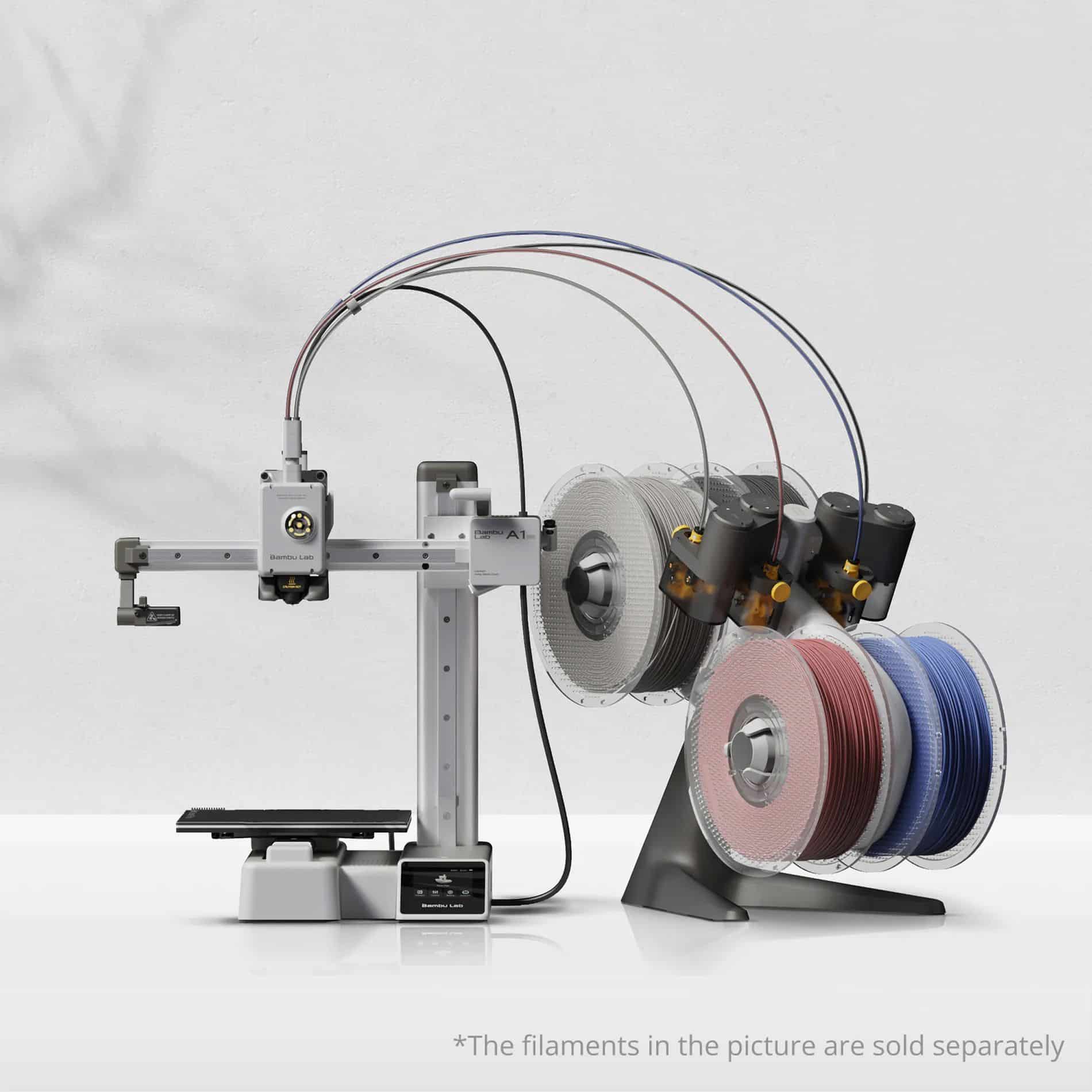
The best low-cost 3D printer options for families on a tight budget are the Bambu Lab A1 mini at $219 and the A1 at $299.
It takes 20 minutes to set up. The printer automatically adjusts the flow rate, nozzle height, and bed leveling. The A1 mini’s build area is 180 × 180 × 180 mm. For larger parts, the A1 provides 256 × 256 × 256 mm. They both print at 500 mm/s.
You can check prints from your phone thanks to the built-in camera. It can print up to 4 colors with the optional AMS Lite. Kids can print all night without disturbing anyone because both operate at 48 dB in silent mode.
Best 3D printer for kids under $500: Bambu Lab P1S
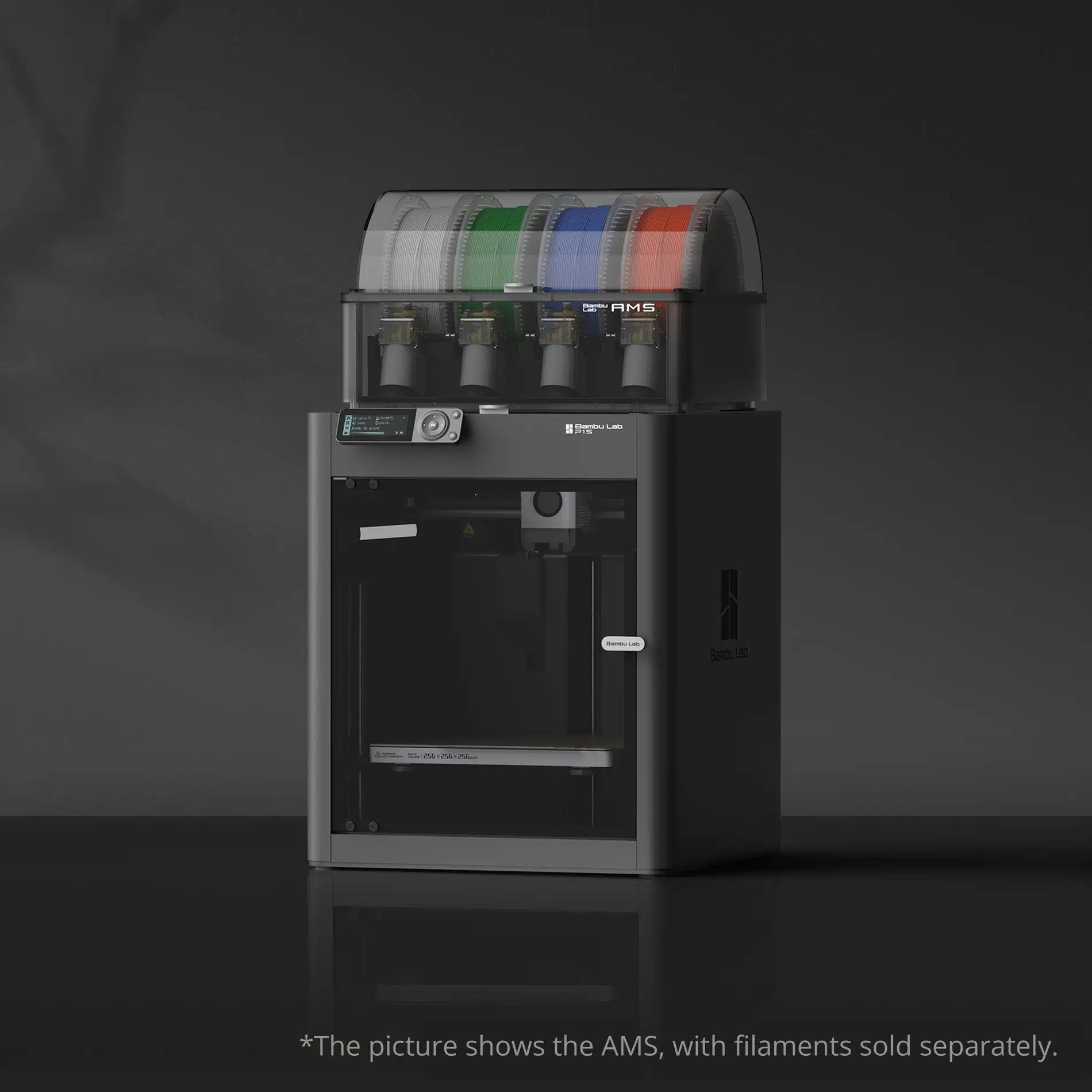
If safety is your top concern, then you should choose Bambu Lab P1S. Its enclosed designs keep kids’ hands away from the printing area. It has a built-in filter that catches fumes, which is important in living areas.
Beyond PLA, PETG, TPU, and PVA that the A1 series can print, the P1S can handle ABS, ASA, PC, PA, and PET. Children can create multi-color prints using AMS’s 16-color capability.
In the enclosed category, this printer provides the best value for the money. Although it costs less, it has the same safety features as more costly models.
Best 3D printer for kids under $1,000: Bambu Lab P2S
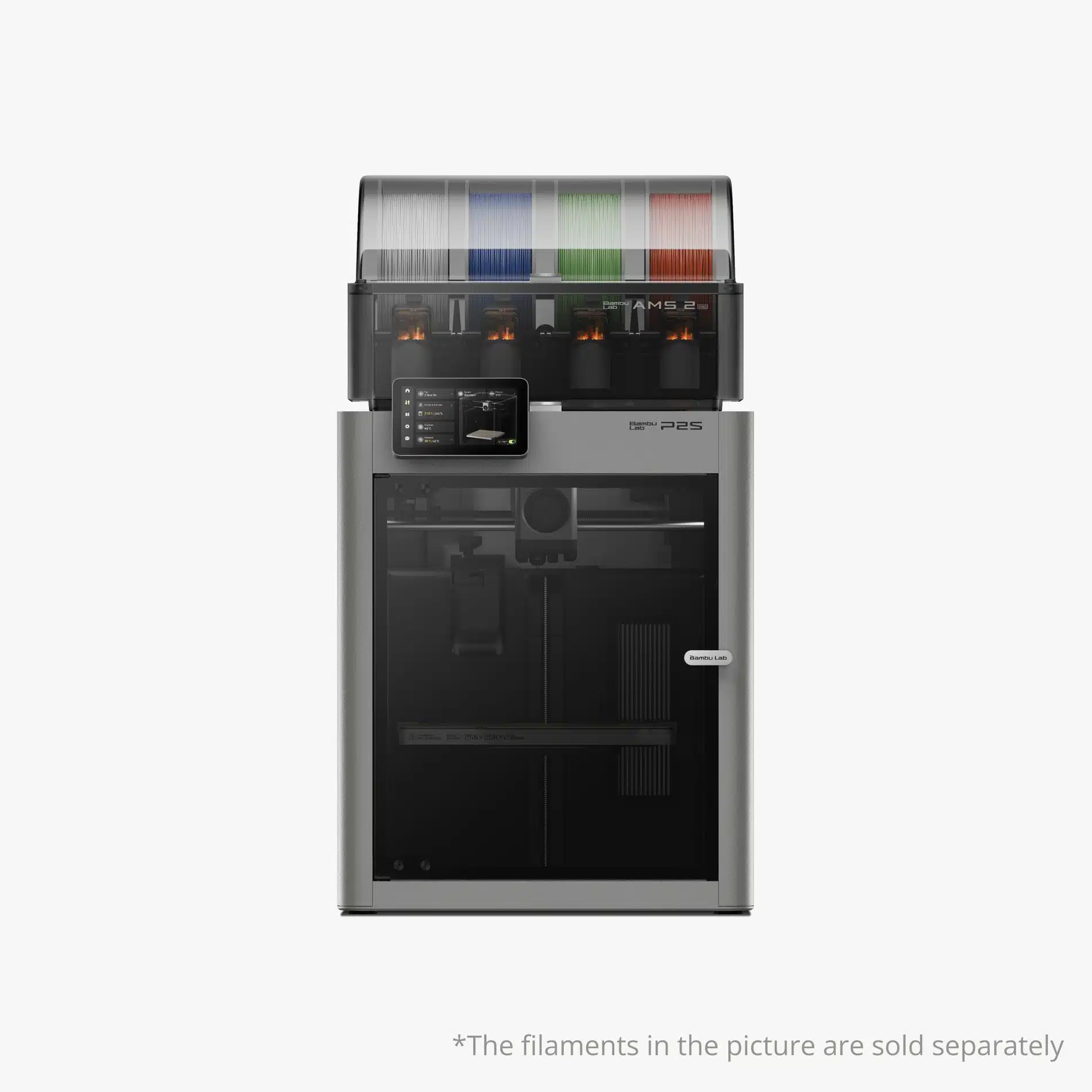
The P1S has an enclosed design and works with advanced materials such as carbon fiber.
At 256 x 256 x 256 mm, its construction volume is the same as the P1S. This printer has AI-powered failure detection and can manage lengthy print jobs.
Are cheap 3D printers worth buying for kids?
If your child is interested in creating things, then modern, cheap 3D printer models, such as the A1 mini for $219, are worthwhile. These are real, working printers that are less expensive than they were previously. Your youngster would most likely use a printer on a daily basis if they like to design on the computer or build with LEGOs.
For the majority of kid-friendly projects, PLA works well with 3D printers for kids. Children who are using them for school projects or toys won’t be able to tell the difference between a $200 and a $2,000 printer.
What to consider when buying an affordable 3D printer for kids?
What age is a 3D printer suitable for?
With adult supervision, children ages 8 to 12 can utilize enclosed printers such as the P1S or P2S. The enclosure keeps the hot areas protected.
Printers like the A1 or A1 mini can be used more independently by children 13 years of age and up. Teens can handle loading the filament, and they can resolve small problems.
Understanding the total cost
The cost of the printer is upfront; there are other continuous expenses, such as filament. The cost of basic PLA is $15–25 per kilogram. Depending on usage, most families pay $20 to $50 a month on filament.
The cost of replacement parts ultimately mounts up. Nozzles cost $10 to $30 and wear out. For upkeep, you should set aside an additional $50 to $100 annually.
Beginner- and kid-friendly features
Look for features such as automatic calibration and bed leveling. Printers with enclosures guard against burns from hot parts. When the material runs out, filament sensors pick it up. These features are present in Bambu Lab printers, including the entry-level models.
Additional Factors Parents Often Overlook
When a printer is placed in a living area, the noise level is a concern. With the A1 series at 48 dB, children can print overnight or while doing their homework.
Conclusion
The best low-cost 3D printer for children depends on your child’s age and your budget. Families under $300 may start with dependable models such as the A1 mini and A1. The P1S offers additional safety measures for younger children if you have up to $500 to spend. The P2S gives families up to $1,000 in capabilities that children won’t outgrow too soon. Select a well-known and reliable cheap 3D printer model instead of the cheapest one available.

With a Master in Architectural Studies from University of Pennysylvania, Marwa Haydar has pioneered living spaces since 2005. Her expertise, initially honed in a prestigious architectural firm, is evident in her approach to creating environments. Marwa became part of our team in 2019 and has since been a driving force in our home improvement section, known for her practical yet stylish solutions. She’s been spearheading our design workshops since then, infusing her passion for teaching into her work. In her leisure time, Marwa enjoys exploring historic architecture and is an enthusiastic pottery hobbyist, further enriching her understanding of form and texture.