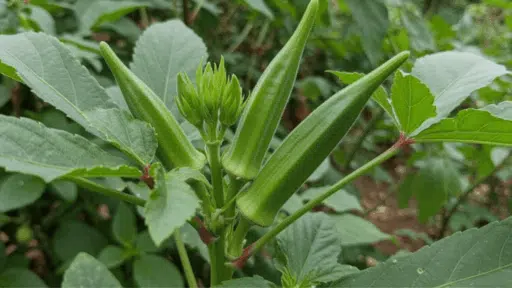
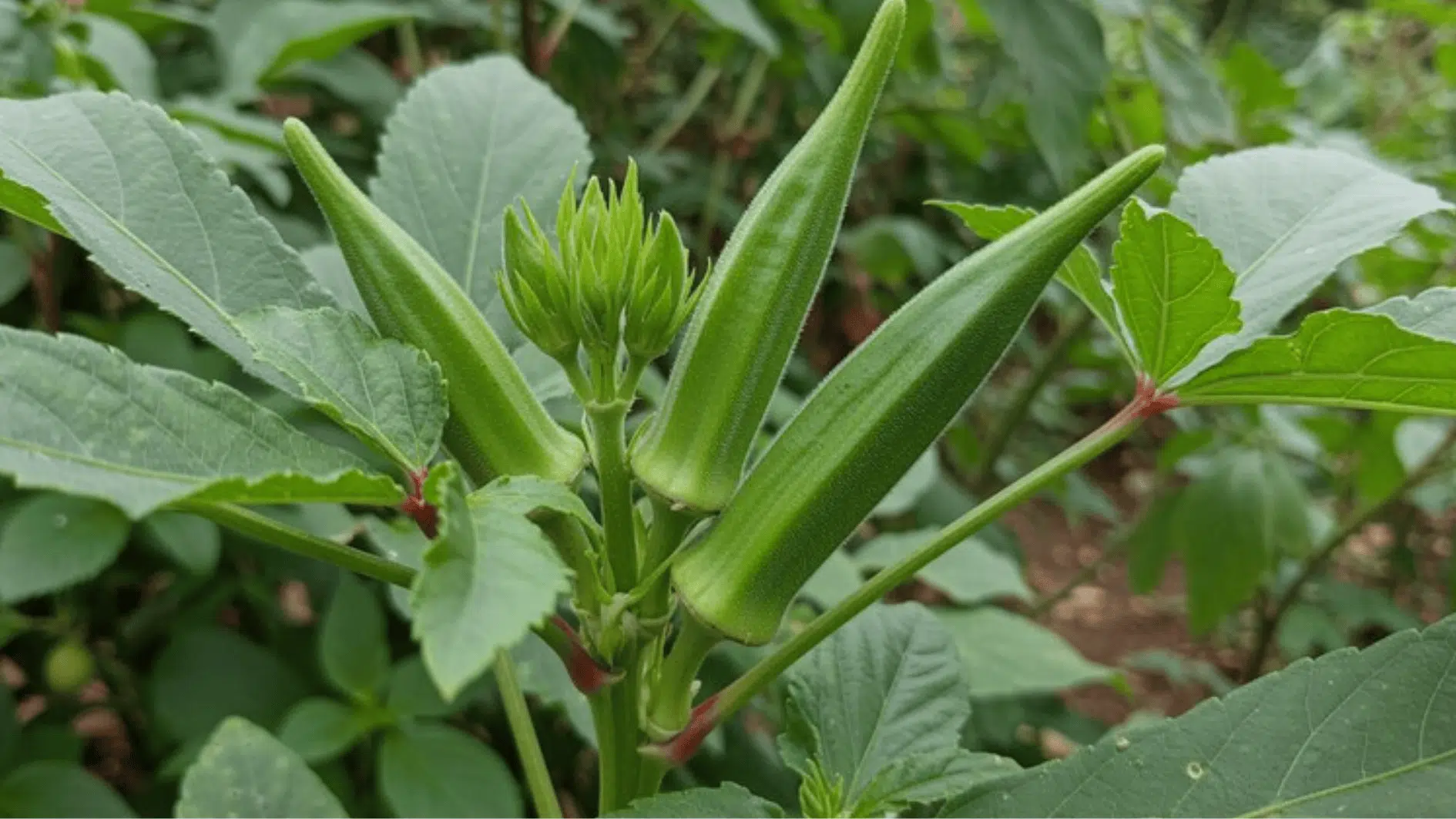

Growing okra in your garden can be much more productive and healthier with the right companion plants that support natural growth.
By choosing the right companions, you can effectively maximize garden space, improve overall plant growth, and attract various beneficial insects that help with pest control and pollination.
In this guide, I’ll highlight the best okra companion plants and how they support your garden’s overall health and productivity throughout the growing season.
Why Companion Planting Works Well with Okra?
Companion planting with okra helps reduce pests, improve soil quality, and promote better harvests, creating a healthier, more productive garden environment.
Okra companion plants, such as certain herbs and flowers, release strong scents that naturally repel pests, reducing the need for harmful chemicals.
Companion plants also enrich the soil with essential nutrients, supporting healthier okra growth and improving overall garden productivity.
Flowering companion plants attract pollinators, such as beneficial insects, boosting pollination throughout the garden. Using the right okra companion plants creates a balanced ecosystem.
Companion Plants that Work Best
Many home gardeners recommend planting okra alongside certain vegetables, herbs, and flowers as companion plants to support healthy growth.
1. Basil
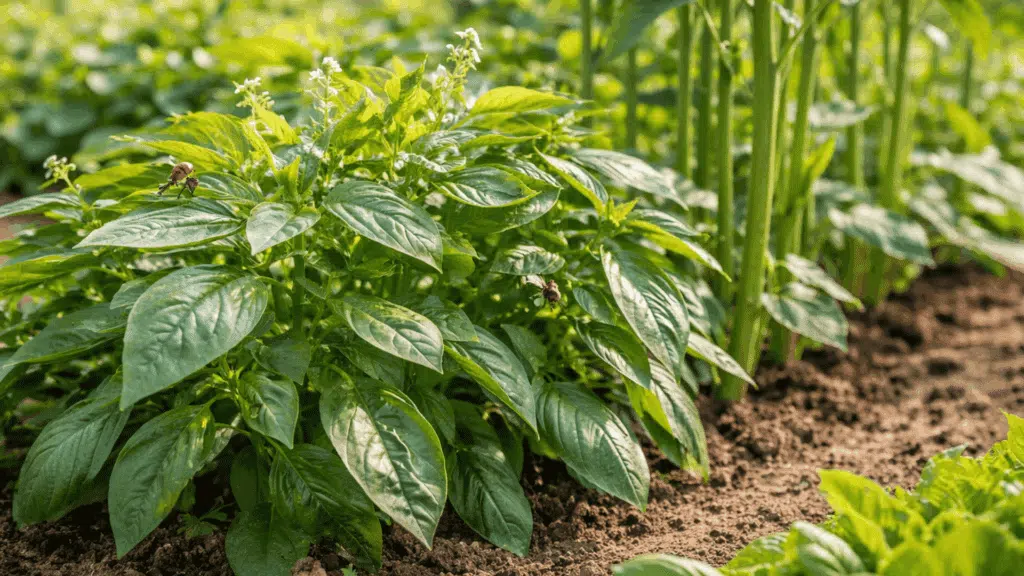
Basil is a great companion plant for okra, as it helps repel aphids, whiteflies, and other pests that often attack okra, protecting the plants from damage.
In addition, basil attracts beneficial insects like ladybugs and bees, which support overall plant health by promoting natural pest control and pollination in the garden.
The strong scent of basil deters harmful pests while promoting a healthier growing environment for nearby vegetables, contributing to a more balanced and productive garden ecosystem.
2. Peppers
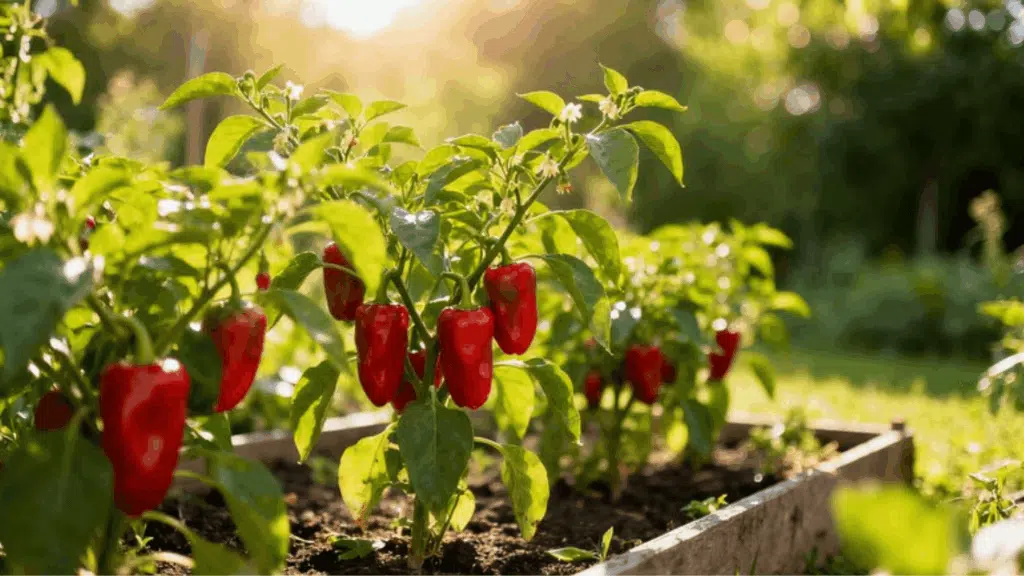
Peppers grow well with okra because both plants thrive in warm weather, full sun, and well-drained soil, making them perfect okra companion plants.
They also share similar watering needs, making them ideal companions in vegetable gardens, ensuring minimal maintenance and a harmonious growing environment for both crops.
By planting them together, gardeners can ensure both crops flourish without competition for resources and improve overall garden productivity throughout the growing season.
3. Cucumbers
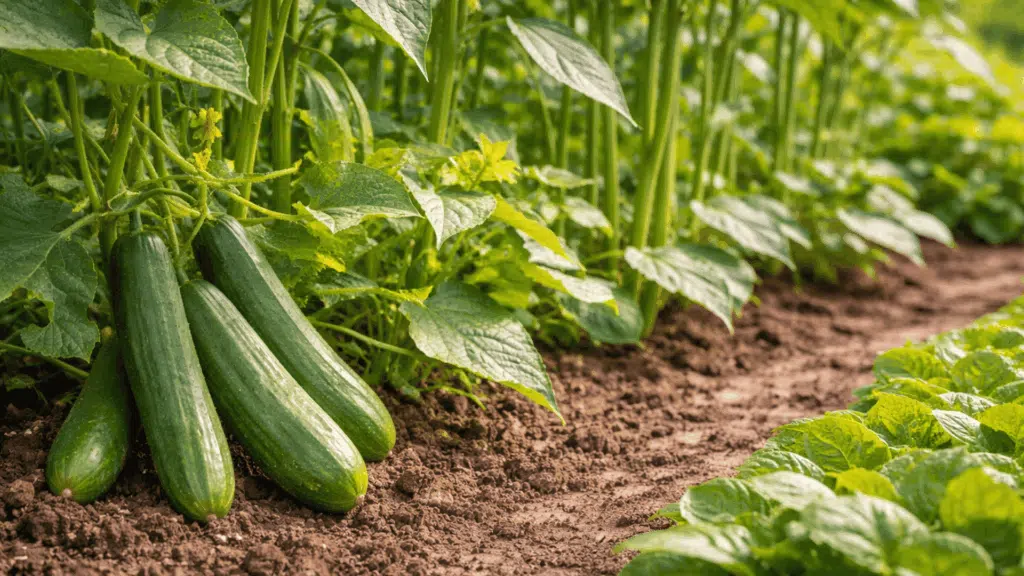
Cucumbers grow low while okra grows tall, making them ideal companions for efficient garden space and balanced cultivation.
This combination helps gardeners efficiently use vertical and horizontal space, improving airflow and sunlight, and promoting healthier plant growth throughout the season.
Additionally, the shading from okra can protect cucumbers from excessive heat, ensuring that both plants develop well without competing for resources in the garden.
4. Lettuce
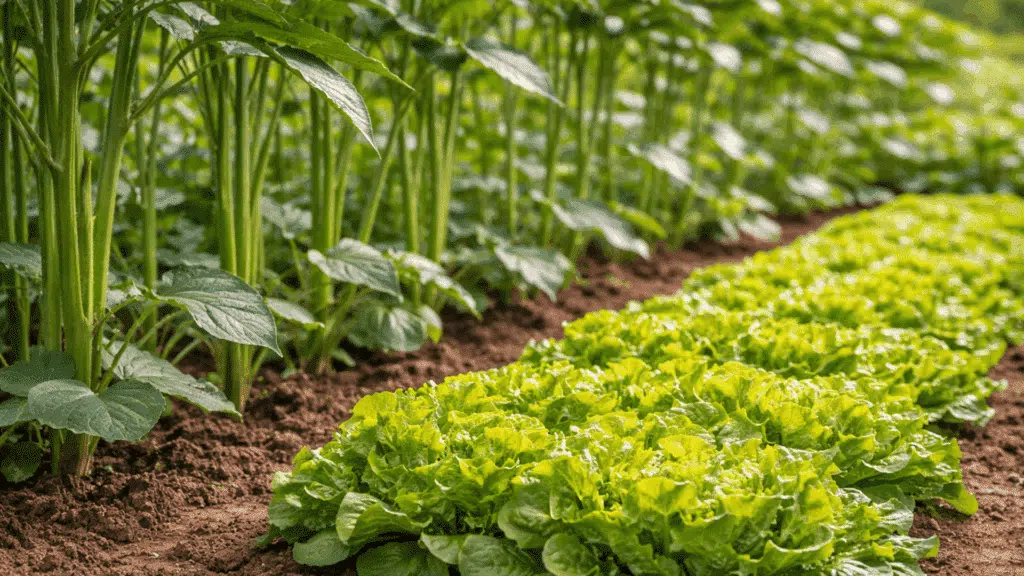
Lettuce is a fast-growing crop, making it an excellent companion for okra, as it uses garden space effectively and benefits both plants.
Since lettuce reaches maturity before okra reaches its full height, it can be harvested early, allowing okra to take over the garden bed later in the season and continue growing.
This provides more efficient use of space, better crop rotation, and helps maintain a healthy, balanced garden environment with okra companion plants throughout the growing season.
5. Spinach
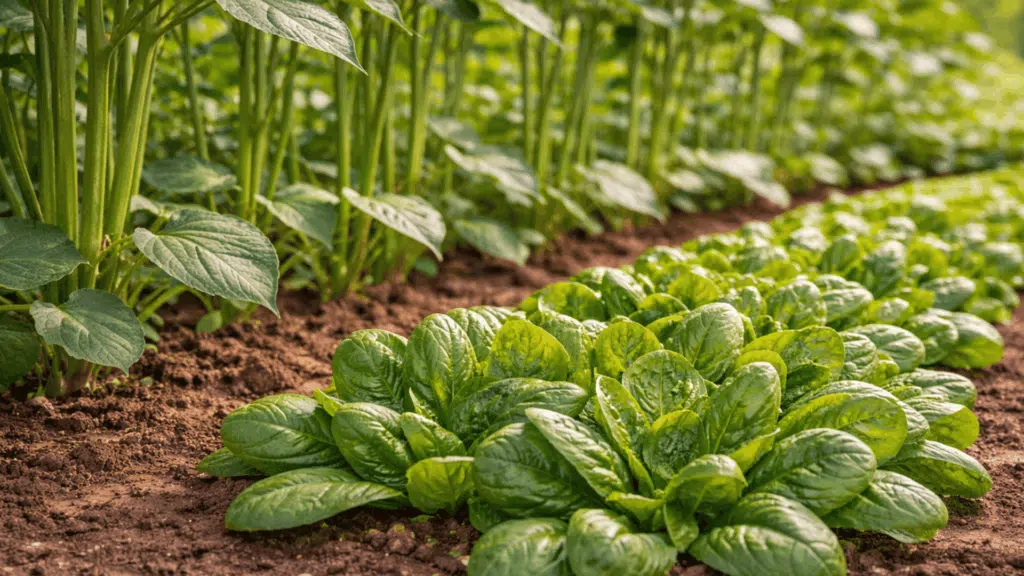
Spinach is another great early-season companion for okra, making it an ideal choice for maximizing garden productivity and improving plant health.
It matures quickly and can be harvested before okra grows large enough to shade the area, allowing for better space utilization and improved growth for both crops.
Spinach also helps protect soil from erosion, adding a layer of protection while okra plants grow taller and continue to develop throughout the season.
Companion Plant Combinations Gardeners Shared Online
Many people test different plant combinations and share their results in online gardening communities. Here are some most popular and useful comments from that community only:
Marigolds will help with the beetles…don’t eat okra but, should hold a bean vine. I’ve grown okra, for friends, pretty sturdy. I doubt you’d lose many pods due to the beans. But, didn’t see okra on my companion planting list.- Mini Horses, SufficientSelf Homesteading Forum
I guess the other concern will be making sure that the beans don’t constrict the growing okra pods. They get cut frequently, but if a vine ends up in the wrong place it would not allow the okra to grow correctly. I might end up with some funny looking okra! -hqueen13,SufficientSelf Homesteading Forum
I planted butterbeans on corn one year. The stalks fell over, I had a wad of vines laying on the ground and had to drive T-posts and weave hay twine in and out the vines to tie them up. At least the okra will stand strong and produce as long as the beans do.- baymule,SufficientSelf Homesteading Forum
Companion Flowers that Help Okra
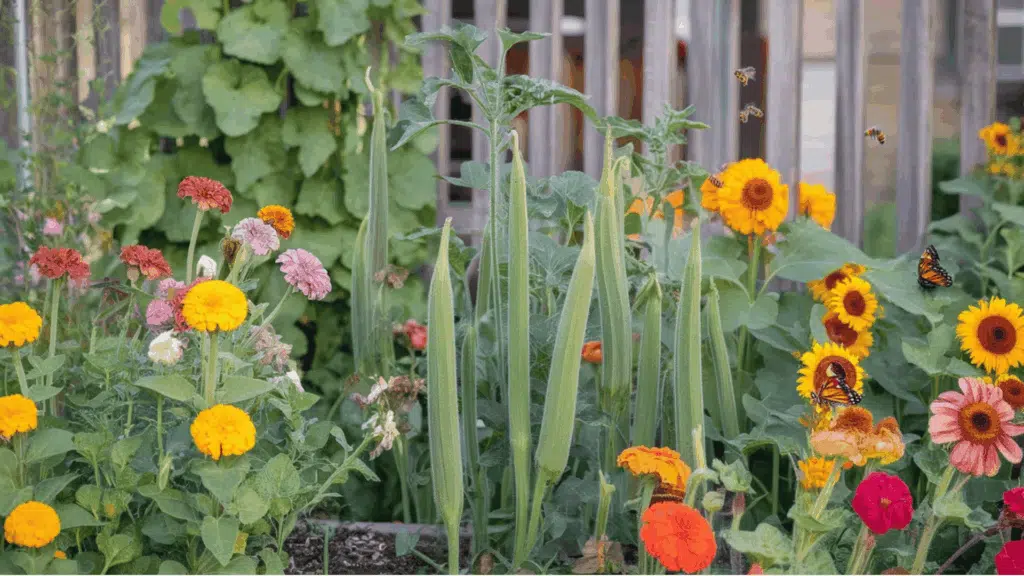
Flowers can attract pollinators, bring helpful insects, and sometimes reduce pest activity around crops like okra.
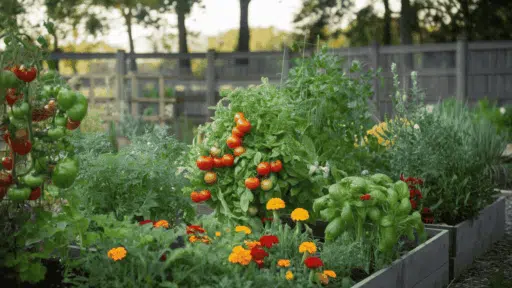
- Marigolds: Marigolds release a strong scent that may help deter certain pests and attract a variety of beneficial insects to vegetable garden beds, promoting healthier plants.
- Zinnias: Zinnias attract bees, butterflies, and other pollinators, improving pollination of nearby vegetable plants and enhancing overall garden health.
- Sunflowers: Sunflowers attract pollinators to the garden and serve as a tall companion plant, supporting garden biodiversity while providing a natural habitat for insects.
- Nasturtiums: Nasturtiums often act as a trap crop, attracting pests away from vegetables like okra, thereby protecting them from common garden pests and harmful insects.
- Mixed Flower Borders: Planting a mix of flowers around vegetable beds helps attract beneficial insects, improves biodiversity, and creates a more balanced garden environment.
Tips from Gardeners for Planting Okra
These suggestions are based on common gardening practices and help improve plant growth, reduce pests, and keep companion plants balanced in the garden.
- Give Plants Enough Space: Leave proper spacing between okra and companion plants so each plant gets enough sunlight and nutrients to grow well, ensuring healthy development.
- Use Okra for Natural Shade: Since okra grows tall, gardeners often plant low-growing crops nearby to benefit from partial shade during hot weather, protecting delicate plants.
- Add Flowers Among Vegetables: Plant flowers like marigolds or zinnias between vegetables to attract pollinators and beneficial insects to the garden, enhancing biodiversity.
- Choose Plants With Similar Needs: Grow companion plants that require similar sunlight, soil, and watering conditions to keep maintenance simple and improve overall plant health.
- Rotate Crops Each Season: Change plant locations every season to maintain soil nutrients and reduce the buildup of pests, diseases, and nutrient deficiencies.
Conclusion
Companion planting can help create a more balanced, productive garden when growing okra, especially when paired with the right plants.
Plants such as basil, beans, cucumbers, and beneficial flowers are often used as companion plants for okra to support growth, attract pollinators, and manage pests naturally.
If these ideas were useful, save this guide for future planting seasons and share it with fellow gardeners who are planning their vegetable beds.

With a Master’s in Landscape Architecture from the University of Virginia, Sophia Stephenson has dedicated the last 20 years to creating and maintaining vibrant outdoor spaces. Her professional journey started in landscape design, where she gained a reputation for innovative and sustainable approaches. Sophia became a part of our editorial team as a freelancer in 2019, offering a fresh perspective on outdoor living. Since 2020, she has been the chief for our outdoor design content, blending aesthetic appeal with environmental stewardship. In her leisure time, Sophia is a keen photographer, capturing the beauty of natural landscapes, a hobby that complements her professional expertise.