
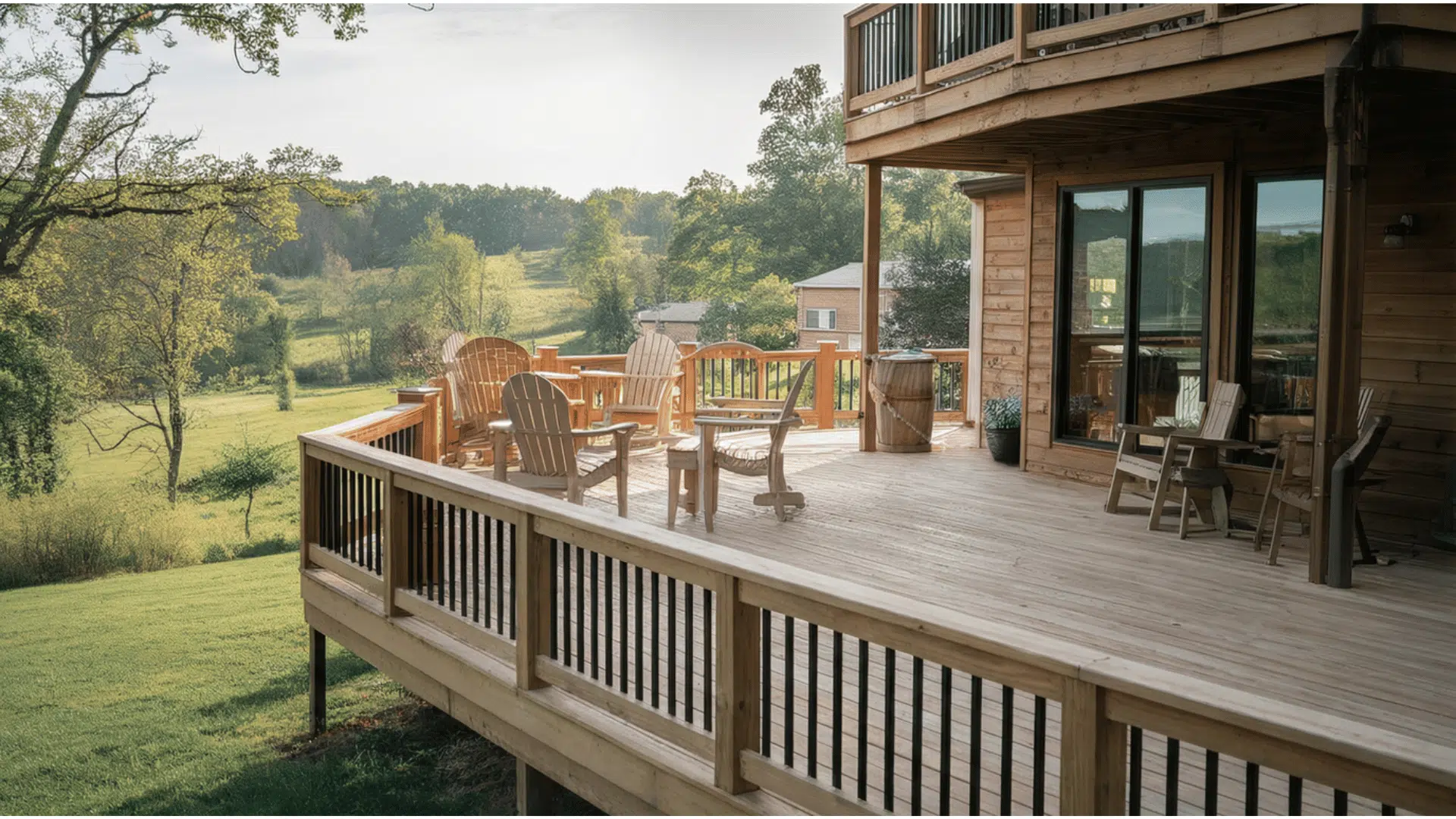

When it comes to protecting and beautifying your deck, choosing the right paint is essential.
With so many options available, it’s important to consider factors like durability, weather resistance, and the type of wood you’re working with.
In this guide, I’ll discuss the top deck paints that offer the best performance, color options, and finish, ensuring your deck stays beautiful and protected for years to come.
Let’s get into the best choices for your deck project.
Why Choosing the Right Deck Paint Matters
Deck paint does more than add color. Here’s why it’s important:
- Protects wood from weather damage such as rain, sun, and temperature swings.
- Reduces wear and tear from foot traffic and outdoor furniture.
- Prevents moisture, mold, and mildew growth on deck surfaces.
- Improves curb appeal and adds value to your home.
- Saves money long-term by reducing frequent repairs and replacements.
Best Paints for Decks
Whether you want a traditional finish, anti-slip protection, or a long-lasting acrylic option, here are the top expert picks across categories:
1. Water-Based (Acrylic Latex) Deck Paints

If you want something easy to work with, this option is a solid pick. It dries quickly, has low odor, and cleans up with just soap and water. It also resists fading, cracking, and mildew, which makes it great for everyday outdoor use.
- KILZ Interior/Exterior Enamel Porch & Patio Latex Floor Paintis known for its smooth finish and durability.
- Behr Premium Porch& Patio Floor Paint is offers long-lasting color and simple application.
2. Oil-Based Deck Paints

This option works especially well on older or worn decks. It penetrates deeper into the wood, helping with adhesion and moisture resistance. The finish tends to be tougher and longer lasting, though it does take more time to dry.
- Rust-Oleum Marine Topside Paint is a strong performer in harsh weather and high-exposure areas.
- Sherwin-Williams SuperDeck Oil-Based Deck and Dock Coating is a reliable option, especially for older or heavily exposed decks that need extra durability.
3. Solid Deck Stains

If you like the coverage of paint but want something that bonds more naturally with the wood, this is a great middle ground. It provides rich color while soaking into the surface, which reduces the risk of peeling.
- Behr Premium Solid Color Waterproofing Stain & Sealer offers both protection and color in one product.
- Cabot Solid Color Acrylic Deck Stain acrylic solid deck stain known for good durability
4. Textured & Anti-Slip Deck Coatings

Safety matters, especially on wet or high-traffic decks. This option adds grip to the surface, helping reduce slips and falls. It’s especially useful around pools, stairs, and busy outdoor spaces.
- INSL-X Sure Step Anti-Slip Coating is a trusted pick that combines traction with solid protection.
- Tuff Grip Anti-Slip Paint– provides a highly textured finish for secure footing on wood decks and stairs.
Community Experience and Tips
When it comes to choosing the best deck paint, hearing from others who have already tackled the task can offer valuable insights.
Many DIYers and professionals share their experiences in public forums, offering tips on prep work, the right products, and troubleshooting common issues.
“Make sure you clean and sand the deck well before applying paint. It makes all the difference in how the paint lasts.” – DeckMaster29, DeckForum
“I used Behr’s Premium Porch & Patio Paint, and it held up through a tough winter. It’s easy to apply and dries quickly.” – SunnySideUp, HomeImprovementTalk
“Oil-based paint is great for older decks. It gives a long-lasting finish, but be prepared for a longer drying time.” – DIYDecker, Reddit DIY
Deck Paint vs. Deck Stain: What’s the Difference?
Choosing between deck paint and deck stain can be tricky. Both offer protection and style, but they work differently.
| Aspect | Deck Paint | Deck Stain |
|---|---|---|
| How They Work | Sits on top of the wood, forming a thick surface layer | Soaks into the wood fibers, not covering them |
| Appearance | Hides natural wood grain, smooth and solid color | Enhances natural texture and pattern of the wood |
| Color Options | Wider range of bold, uniform colors | Usually natural wood tones, with some semi-solid options |
| Protection Level | Strong barrier against moisture and UV rays | Protects from within but offers slightly less surface protection |
| Durability | Can peel or crack over time without proper prep | Fades gradually, no peeling, easier maintenance |
| Maintenance | May need scraping and repainting when chipping occurs | Requires reapplication with less prep work |
| Best For | Ideal for older decks with visible flaws | Best for newer or high-quality wood to showcase it |
Professional vs. DIY Deck Painting

When it comes to applying the best paint for decks, you can either hire a professional or handle the job yourself.
A professional painter brings experience, proper tools, and efficient prep work, which can lead to a smoother finish and longer-lasting results. This option is helpful for large, damaged, or older decks that need repairs before painting.
On the other hand, a DIY approach can save money and works well if your deck is in good condition. With proper cleaning, sanding, and the right product, many homeowners achieve great results on their own.
The key is careful preparation and following instructions closely.
Conclusion
Choosing the best paint for decks comes down to how you use your space and how much upkeep you’re willing to handle. If you want bold color and strong surface coverage, paint is a reliable option.
If you prefer a natural look with easier maintenance, stain may be the better fit. For busy homes, high-traffic or anti-slip coatings can add an extra layer of safety and durability.
Think about your climate, deck condition, and long-term maintenance before deciding. With the right product, your deck won’t just look better – it will stay protected and ready for years of outdoor living.

With a Master’s in Architecture from the University of California, Berkeley, Alexander Martin has dedicated the last 18 years to enhancing outdoor living through thoughtful and robust structure design. His career kicked off in urban planning, giving him a unique perspective on integrating structures into diverse environments. In 2019, Alexander brought his expertise to our website, offering insights into creating versatile outdoor spaces. Since then, he has been the lead advisor for our outdoor design projects and is known for his ability to merge functionality with environmental consciousness. Alexander enjoys rock climbing outside of work and participates in community development projects, activities that reflect his passion for the outdoors and sustainable design.


