

The success of any upgrade depends heavily on the contractor chosen. Homeowners often assume every company operates with equal skill, communication, and honesty, but reality proves otherwise. Knowing how to evaluate professionals reduces stress, protects finances, and keeps timelines realistic.
People usually research design trends, materials, and paint colors before ever considering who will bring those plans to life. However, the contractor selection process deserves the same attention. Experience, licensing, insurance, and reputation influence the outcome more than any individual product or tool.
Why Careful Selection Matters
Renovations affect daily living conditions, household budgets, and property value. A responsible contractor manages project schedules, coordinates subcontractors, sources materials ethically, and ensures compliance with building codes. Poor choices can lead to unsafe structures, unfinished spaces, or costly emergency fixes.
Construction projects rarely progress perfectly. Weather changes, supply chain delays, and unexpected structural issues occur. Reliable contractors anticipate challenges, offer solutions, and maintain transparent communication instead of disappearing or demanding sudden extra payments.
Common Red Flags
Many problems begin early, during initial conversations. Homeowners should stay alert when contractors avoid clear answers or pressure immediate decisions. A rushed hiring process often benefits the contractor rather than the client.
Carefully reviewing the following signals can prevent future disputes:
- Vague or verbal estimates: Costs should appear in writing, with labor, materials, and allowances clearly described.
- Unwillingness to provide references: Reputable professionals easily share contact information for past clients.
- Requests for large upfront payment: Standard deposits usually fall between 10 and 25 percent of the total project cost.
- Lack of valid insurance: Accidents on-site could become the homeowner’s financial responsibility.
These signs indicate insufficient reliability, oversight, or professionalism.
Research and Verification
Reliable contractors maintain visible reputations. Online reviews, Better Business Bureau profiles, and state licensing boards offer valuable insight. Homeowners should verify active licenses rather than assuming credentials remain valid. Local building departments can also confirm permit histories.
Speaking directly with past clients provides context beyond star ratings. Ask whether the contractor respected timelines, maintained cleanliness, communicated clearly, and followed budget expectations. Consistent patterns matter more than isolated complaints or praise.
Renovations can become mentally exhausting, especially when projects disrupt routines or living space. If stress builds, some homeowners take breaks to reset emotionally. You may browse dating platforms and start to date Odessa girls online, enjoying lighthearted conversations that temporarily shift your focus away from renovation stress.
Essential Questions to Ask
Homeowners sometimes worry about sounding demanding, but detailed questions protect both sides. Contractors who value transparency respond willingly. Before signing any contract:
- Clarify start dates, estimated duration, and factors that might cause delays.
- Determine who communicates with local building authorities.
- Ask about labor guarantees and manufacturer protections for materials.
- Confirm who manages subcontractors and daily operations.
These inquiries set performance standards and prevent misunderstandings later.
Importance of Written Agreements
Contracts form the foundation of professional renovation work. They outline responsibilities, payment schedules, specifications, and procedures for handling changes. Every detail should appear in writing, including flooring brands, fixture models, and paint colors. Written clarity limits assumptions that often damage working relationships.
Change orders deserve careful documentation as well. Even small adjustments can influence costs or completion dates. Homeowners should review and sign revisions to avoid disputes regarding what was promised.
Communication Style Matters
Projects run smoothly when both sides communicate openly. Contractors should offer updates, explain obstacles, and outline solutions without delay. Homeowners must also answer questions promptly and respond thoughtfully to new information.
Some professionals prefer email, while others rely on weekly phone check-ins. Establishing a communication plan ensures project details do not slip through cracks. Miscommunications often cost more time and money than genuine construction issues.
Contractors who become defensive, inconsistent, or unresponsive often signal future problems. The earliest interactions usually reflect long-term behavior.
Balancing Cost and Quality
Price remains one of the biggest hiring factors, but the lowest bid does not guarantee savings. Cheap estimates sometimes exclude essential materials, labor hours, or code compliance. Hidden costs surface later, creating stress and financial strain.
Comparing multiple quotes provides context. Homeowners should evaluate workmanship history, material quality, and long-term durability. Investing slightly more in a reputable contractor may prevent repairs, structural failures, or insurance issues years later.
Some professionals offer value engineering options, suggesting alternative materials or methods without reducing safety or aesthetic appeal. These discussions reveal industry expertise and willingness to collaborate.
Protecting Yourself During the Project
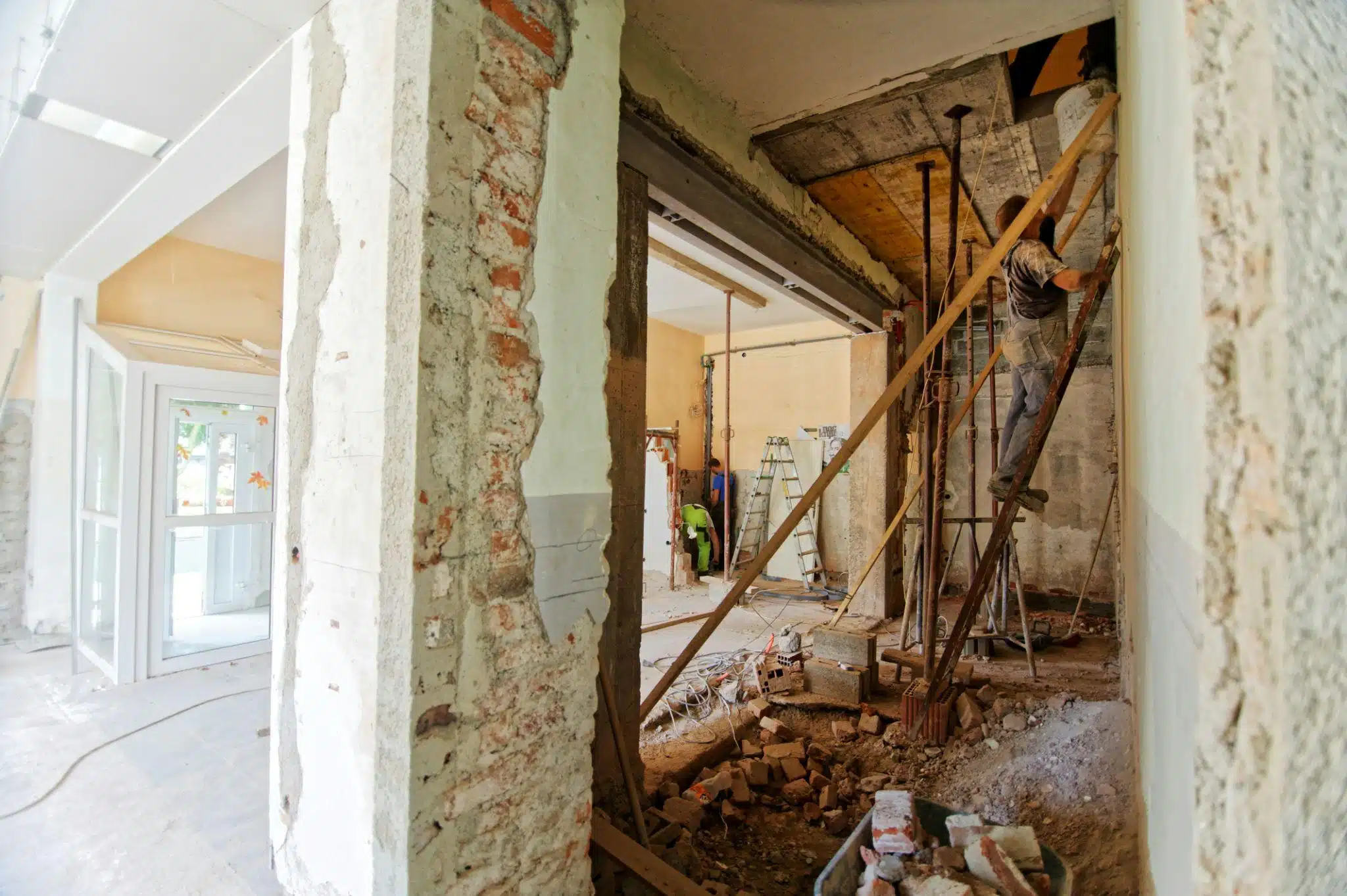
Once construction begins, homeowners should track progress visually and through documented updates. Photos, invoices, and written correspondence form a reliable project record. If concerns arise, addressing them immediately prevents escalation.
Regular site visits help confirm correct installations and adherence to plans. Respectful contractors welcome questions and explain decisions clearly. Homeowners should avoid making changes impulsively, since revisions often require additional labor or material orders.
Final payments should occur only after walkthroughs, punch list completion, and receipt of warranties or compliance documents. Responsible contractors honor these procedures without resistance.
Moving Forward With Confidence
Choosing the right contractor requires patience, preparation, and research. Strong professionals view themselves as partners rather than service providers. They respect budgets, communicate effectively, and take pride in craftsmanship that improves a homeowner’s life. Trust forms gradually through transparent actions, realistic expectations, and steady reliability.
Renovations represent long-term investments in comfort, safety, and personal expression. Homeowners who approach contractor selection thoughtfully position themselves for successful transformations that withstand time and changing needs. Each informed step taken before demolition or design work begins significantly increases the likelihood of a rewarding outcome.

Journalist Chloe Rivera studied at the University of Missouri and has covered mindful, stylish living since 2013. She joined us in 2025 to curate realistic routines, budget-friendly décor, and community stories that help readers craft balance without perfection pressure. When offline, Chloe volunteers at urban farms, photographs street style, and hosts weekend swap parties for preloved clothes and books in her neighborhood.