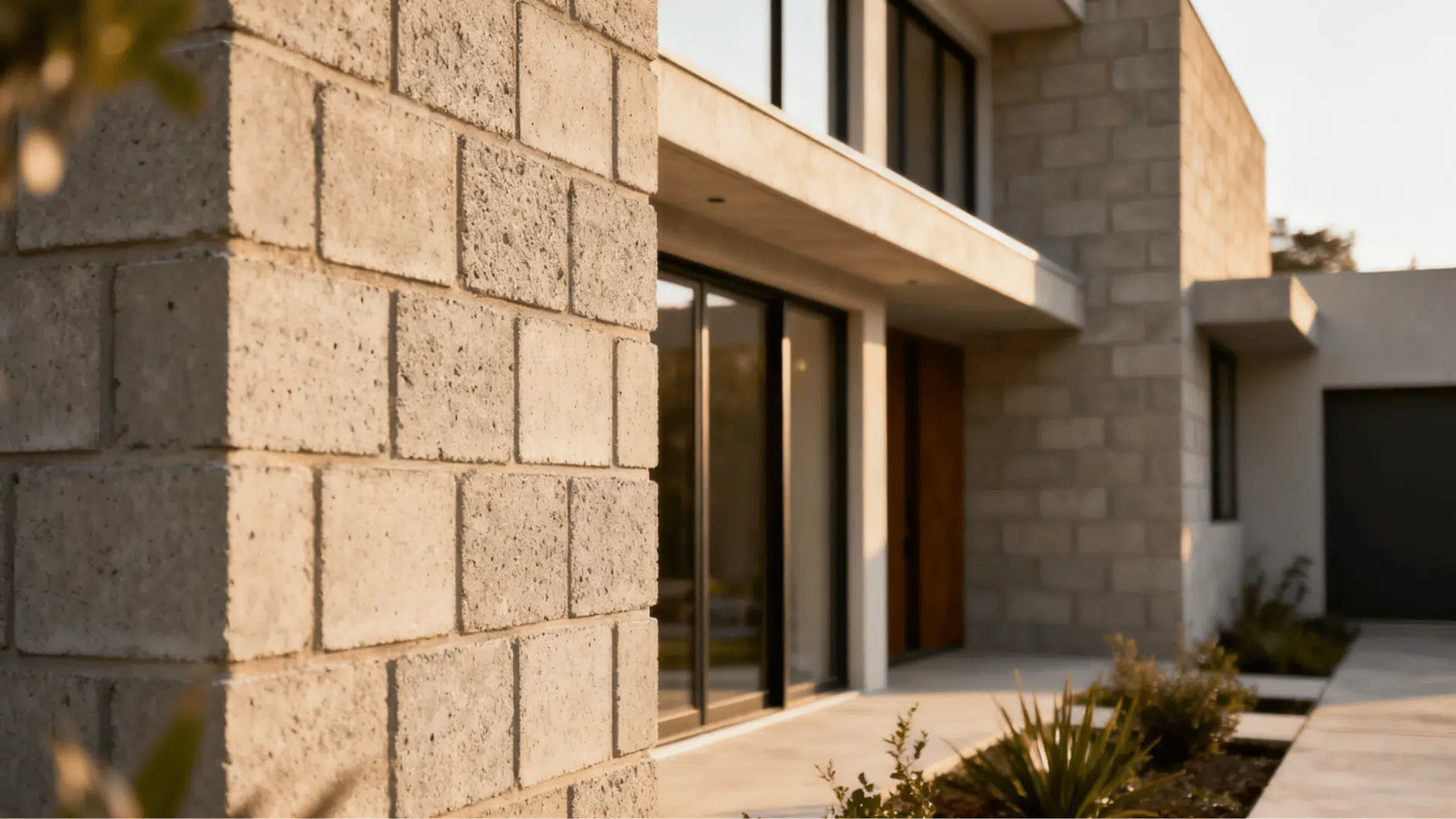

Thinking about living in a concrete block house? You’re not alone. More people are considering this type of home for its strength and long-term value.
But beyond the technical details, what really matters is this: what does it feel like, actually, to live in one?
This blog brings together real experiences, personal stories, and practical advice from people and online communities. You’ll get a clear idea of what works, what doesn’t, and what to plan before making a decision.
What is a Concrete Block House?
Before getting into real-life experiences, it helps to understand the basics. A concrete block house is built with concrete masonry units (CMUs), solid blocks made from cement, water, and sand or gravel.
These blocks are stacked with mortar to form strong, load-bearing walls, often reinforced with steel for added strength. The walls are usually finished with plaster, stucco, or paint.
Unlike wood-frame homes that rely on timber, concrete block houses depend on solid walls, which leads to less shifting over time.
Why Choose Concrete Block Houses?
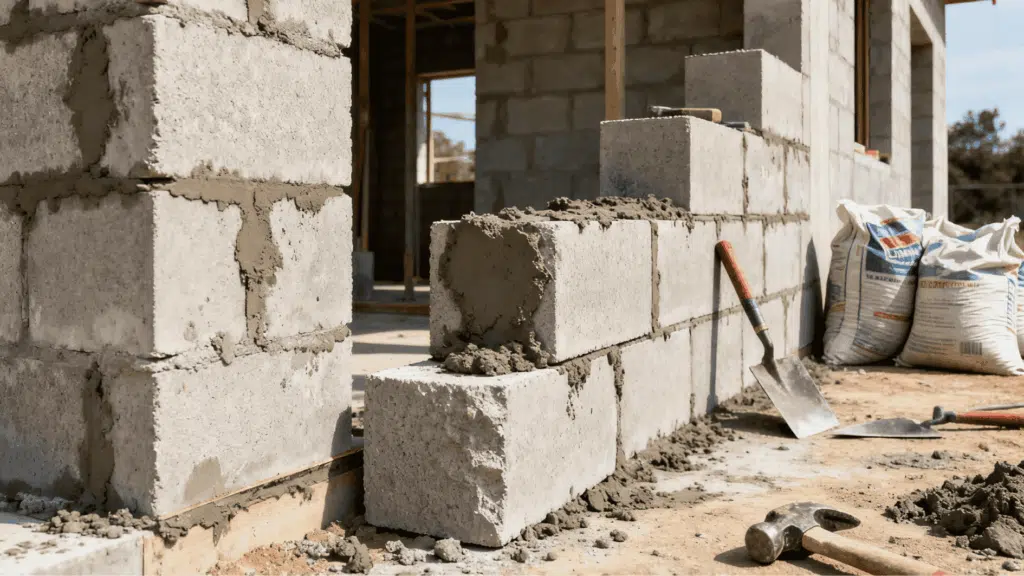
Many people choose concrete block houses for practical reasons. These homes are known for their strength, safety, and long-term value, making them a reliable option for many people.
- Strength and Durability: Concrete block homes are built to last and handle tough conditions. They resist termites and rot, withstand strong winds and storms, and can last for decades with proper care.
- Fire Resistance: Concrete does not burn, providing an added layer of safety. It slows the spread of fire, protects the structure, and often meets high fire safety ratings.
- Energy Efficiency Benefits: These homes help maintain steady indoor temperatures. They absorb heat during the day, release it slowly at night, and can reduce heating and cooling costs.
What It Feels Like Day to Day in a Concrete Block House
Daily comfort is what really matters once you move in. A concrete-block house often feels more stable than other homes, especially in changing weather. Many people notice a difference in how quiet and low-maintenance these homes feel over time.
Temperature and Comfort
Concrete homes help maintain a steady indoor environment, making daily living more comfortable when insulation is done right.
- Less temperature fluctuation throughout the day and night
- Naturally cooler interiors in hot climates like tropical or coastal areas
- Retains warmth better during cooler seasons with proper insulation
- Reduces dependency on constant air conditioning or heating
- Works best when paired with good insulation and ventilation planning
Noise and Privacy
One of the most noticeable benefits is how quiet these homes feel inside, thanks to their thick, solid walls.
- Outside noise, like traffic or neighbors, is significantly reduced
- Better indoor privacy compared to thinner wall structures
- Creates a calm and peaceful indoor environment
- Ideal for homes in busy or high-density areas
- Less sound transfer between rooms inside the house
Maintenance Over Time
Concrete homes are known for low upkeep, making them a practical choice for long-term living.
- No termite damage or wood-related pest issues
- Fewer structural repairs compared to wood-frame homes
- Strong walls reduce the risk of cracks and warping over time
- Only occasional sealing, repainting, or surface finishing is needed
- Lower long-term maintenance effort and cost overall
Cost Breakdown of a Concrete Block House
Understanding the cost helps you plan better before building or buying a concrete block home. Looking at both upfront and long-term expenses gives you a clearer picture of the overall value.
| Category | What It Means | Key Points | Approx Price |
|---|---|---|---|
| Construction Costs | Higher upfront costs than wood homes due to materials/labor | – Materials and labor add up – More than wood framing – Varies by location | $120–$200 per sq ft |
| Maintenance Costs Over Time | Lower ongoing costs due to durability | – Fewer repairs – Lower pest control costs – Less upkeep | $500–$1,500 annually (avg) |
| Long-Term Value | Strong investment over time | – Long lifespan – Fewer major repairs – Handles harsh conditions well | Higher resale value over time |
Real Life Personal Stories
Hearing directly from users gives you a clearer picture of what living in a concrete block house actually feels like. These real stories highlight both the comforts and the challenges of everyday life.
“I live in a similar style house in FL.” – RecognitionCrazy1384, Reddit
They shared that their concrete-block home has sweating walls, which led them to consider exterior insulation rather than filling the block cavities. This is useful because it shows a real comfort issue that can arise in older block homes in humid climates.
“Long story short, I live in a 1960s cinder block house in Florida where there’s no insulation between the block and the drywall.” – uoYredruM, Reddit
This user shared a very common experience with older homes. The house felt strong, but the lack of wall insulation became a major comfort issue, prompting them to look into better insulation options.
“Well I have a regular old drill anyway and the wall is literally indestructible.” – RadicalActuary, Reddit
This story is less about comfort and more about daily living. The user was trying to put up shelves and found the walls extremely hard to work with, which is a very real part of living in a concrete-built home.
“What do you think about a no fines concrete house? … we were really impressed with the house itself…” –thefranchiseface, Reddit
This user was house hunting and shared that they liked the home they saw, but were worried about mortgage access due to the construction type. It reflects a real buyer concern: sometimes the issue is not the living experience, but financing and resale questions.
Helpful Tips and Advice from People Who’ve Been There
Small, practical tips from users can make a big difference when living in or building a concrete block house. These insights come from people who have already dealt with common issues.
“The better move here is to insulate the outside.” – z_rex, Reddit
Based on their own experience, this user recommended exterior insulation over filling the wall cavities. Their tip matters because it comes from someone who has already lived with the heat and moisture issues in a concrete block house.
“Best decision ever.” – nixiebunny, Reddit
This user said that buying a 1/2-inch hammer drill after purchasing a concrete-block house made work much easier. The takeaway is clear: if you live in a block home, buying the right tools early can save time and effort on many small jobs.
“Waterproofing is not optional, especially in humid areas.” – FixItMike, Reddit
This user advised focusing on drainage and coatings early. Ignoring this step can lead to damp walls and mold issues.
“Plan your layout carefully, changes later are a headache.” – renovate_nate, Reddit
This tip comes from experience. Once the structure is set, making changes becomes time-consuming and costly.
Conclusion
A concrete block house offers strength, safety, and long-term value. But the real picture becomes clear when you hear from people who actually live in one.
Many users talk about quiet interiors, strong walls, and fewer repair worries. At the same time, they also point out the need for proper planning, insulation, and skilled builders.
If you’re thinking about this type of home, real experiences can guide you better than just technical specs. Learn from others, plan carefully, and focus on what matters most for your lifestyle.
A well-built concrete block house can be a solid place to live for years.

Veronica Lee holds a Master’s degree in Landscape Architecture from Cornell University and has dedicated more than 15 years to transforming outdoor areas into artistic and sustainable spaces. Her career took off in a renowned landscape design firm, where she excelled in creating visually stunning and environmentally responsible designs. In 2019, Veronica brought her expertise to our platform, quickly becoming a key contributor to our outdoor design and sustainability sections. As the lead of our landscape innovation series ever since joining, she has inspired readers with her forward-thinking and practical approach. When not drafting designs, Veronica enjoys pottery and participates in local conservation efforts, activities that complement her professional ethos of blending art with nature.