
You’ve seen those two words everywhere: modern and contemporary.
Furniture stores use them. Interior designers throw them around.
Your friend just said their new couch is “totally modern,” but it looks nothing like the “modern” lamp you saw online.
Here’s the problem: most people think these words mean the same thing.
They don’t. Using them wrong can cost you money when shopping for furniture or leave you confused when hiring a designer.
This guide breaks down the real differences between modern and contemporary design in simple terms.
You’ll learn what each style actually looks like, where they came from, and which one fits your home best. No more guessing.
What is Modern Design?
Modern design refers to a specific design movement, not something that is happening now.
It originated in the early to mid-20th century, roughly between the 1920s and 1950s, and is rooted in modernist principles.
The style developed as a response to excessive ornamentation, focusing instead on clarity, purpose, and efficiency in design.
Features of Modern Design
- Clean, straight lines with clearly defined forms
- Strong focus on function rather than decoration
- Open floor plans with simple, uncluttered layouts
- Furniture with visible structure and minimal detailing
- Natural materials like wood, leather, steel, and glass
- Warm, muted color palettes with earthy tones
What is Contemporary Design?
Contemporary design refers to what is current and evolving right now.
Unlike modern design, it is not tied to a single historical period. It shifts as lifestyles, technology, and design preferences change.
This style often reflects how people live today, adapting to new materials, sustainability ideas, and cultural influences.
Features of Contemporary Design
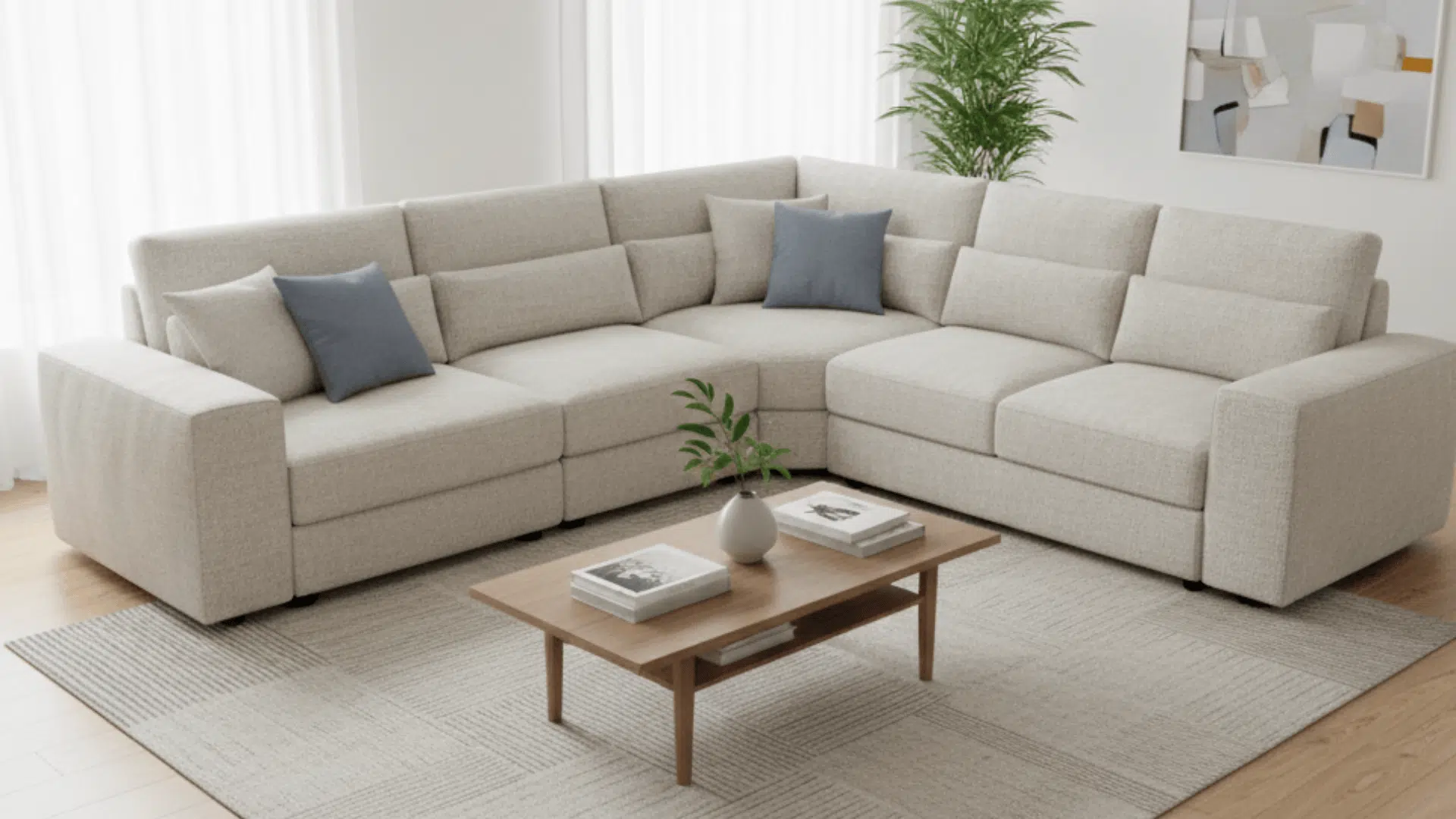
- Flexible forms with curved lines and softer edges
- Mix of materials rather than sticking to one tradition
- Neutral base colors with bold or contrasting accents
- Emphasis on comfort and livability
- Layered textures for visual depth
- Designs influenced by current trends and innovations
Key Differences Between Modern and Contemporary Design
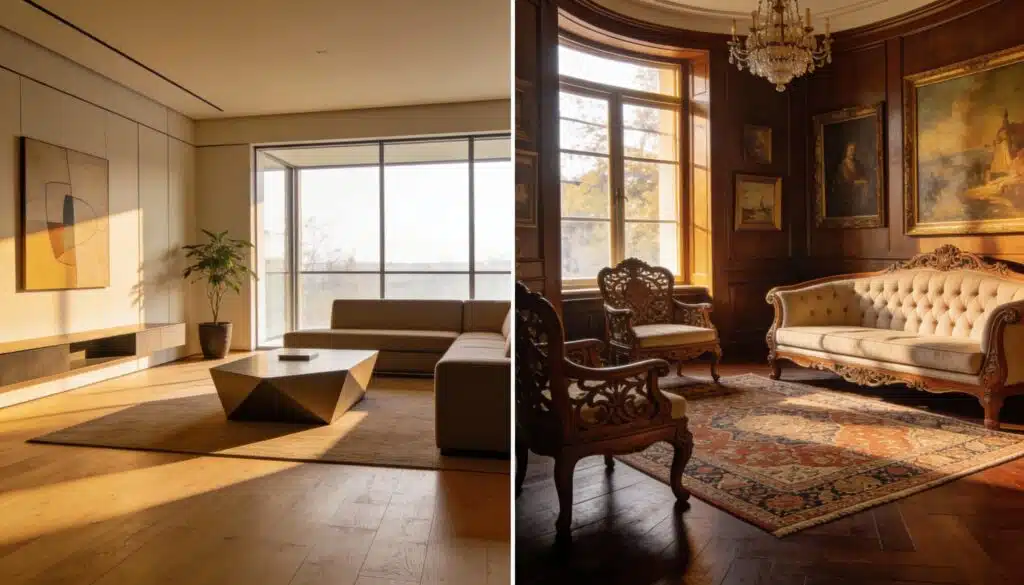
Modern and contemporary design styles are often confused, but they differ in origin, structure, and use. Knowing these differences helps when choosing furniture, planning interiors, or describing a home’s style accurately.
1. Time Period and Origin
Modern design is tied to a specific historical movement from the early to mid-20th century.
It grew out of modernism and follows fixed principles that do not change over time. A modern interior today looks very similar to one from decades ago.
Contemporary design reflects what is current. It evolves as tastes, lifestyles, and design trends change. What is considered contemporary now may look different in the future.
2. Lines, Shapes, and Structure
Modern design relies on clean, straight lines and well-defined shapes. Layouts feel structured, balanced, and intentional, with an emphasis on simplicity and order.
Contemporary design allows more flexibility. Curved lines, softer edges, and asymmetrical forms are more common.
Spaces often feel more fluid and less rigid than modern interiors.
3. Furniture Style and Form
Modern furniture focuses on function and simplicity. Pieces often have low profiles, exposed legs, and solid forms.
Decoration is minimal, and every element serves a clear purpose. Contemporary furniture adapts to current preferences.
It may feature softer shapes, mixed forms, or statement pieces. Comfort often plays a larger role, and designs can feel more relaxed and expressive.
4. Color Palette and Finishes
Modern design typically uses warm, earthy tones such as browns, tans, olives, and muted neutrals. These colors create a grounded and timeless look.
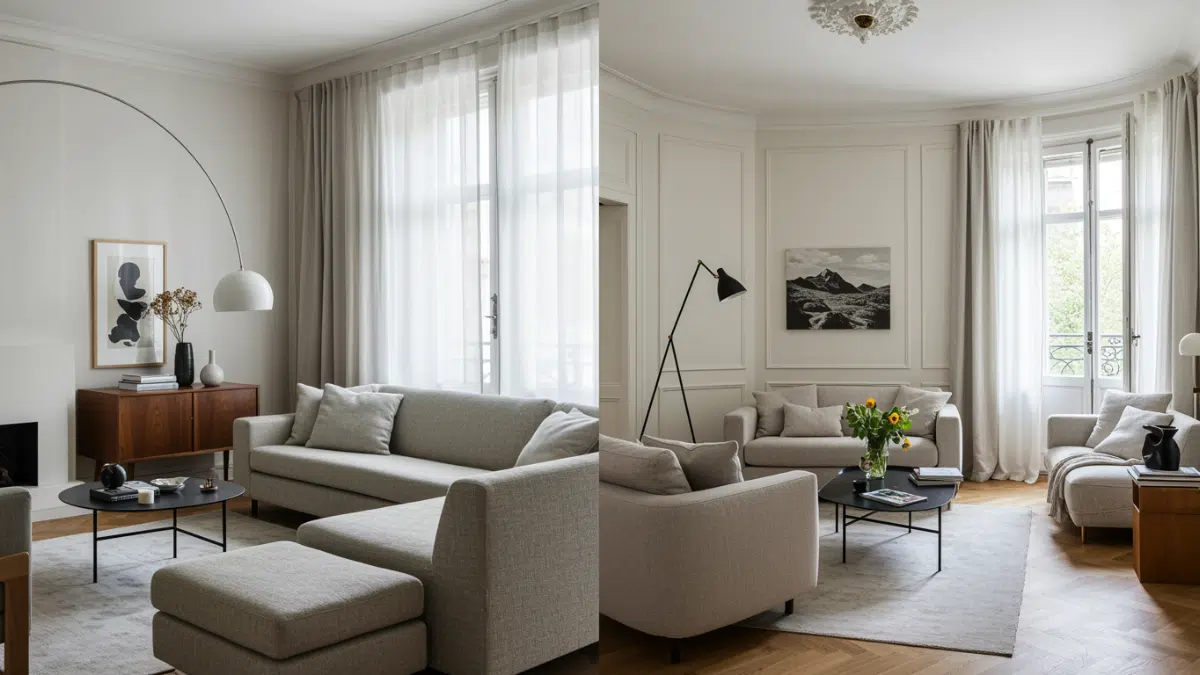
Contemporary design often uses neutral bases like white, gray, or beige, paired with bold or contrasting accents.
High contrast and changing color trends are more common in contemporary spaces.
Contemporary vs Modern in Architecture
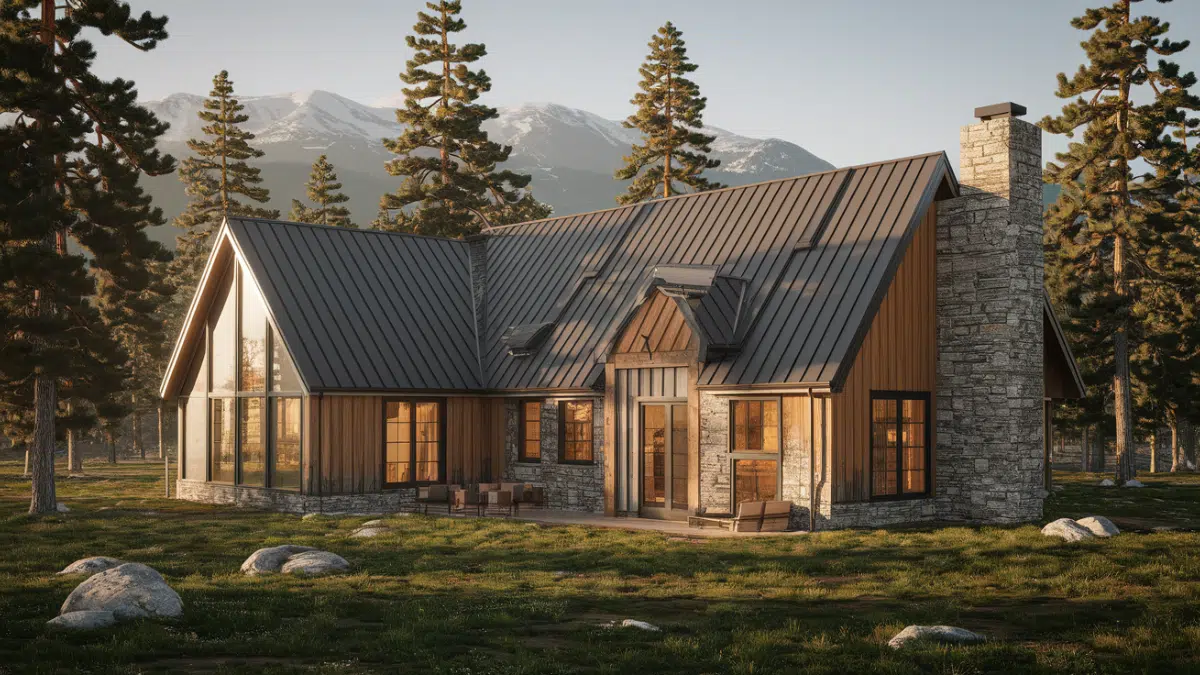
Modern architecture emphasizes flat planes, large windows, and simple building forms. It avoids decorative facades and focuses on structural honesty.
Contemporary architecture is more experimental. It may combine sharp angles with curves, blend materials, or integrate sustainable features like green roofs and solar panels.
Modern buildings feel iconic and recognizable. Contemporary buildings reflect innovation and current priorities.
Contemporary vs Modern in Interior Design
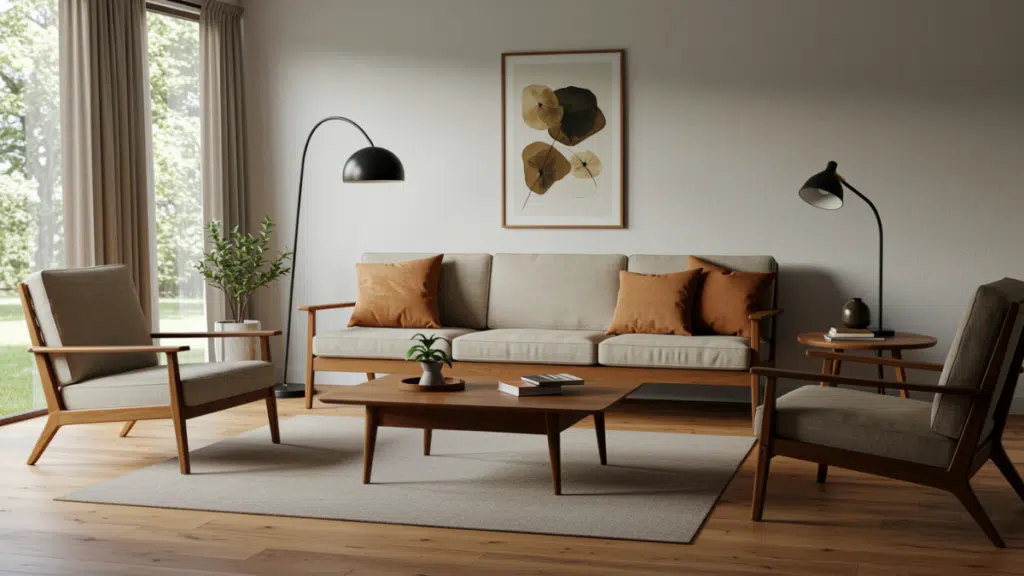
In interior design, modern spaces feel intentional and restrained. Furniture placement is deliberate, and decorative items are limited. Every piece serves a purpose.
Contemporary interiors feel more flexible and comfortable. They may mix materials like metal, stone, glass, and fabric in one space. The goal is balance rather than strict rules.
Homeowners often choose contemporary design when they want a current look that can evolve, while modern design appeals to those who prefer timeless structure.
Contemporary vs Modern in Furniture
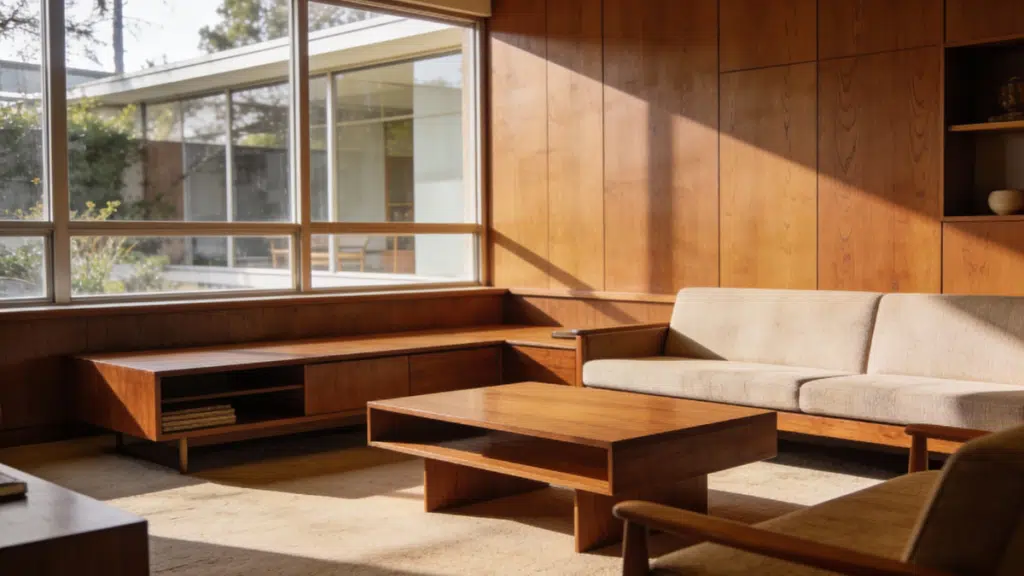
Modern furniture focuses on clean geometry, exposed legs, and functional forms. Pieces are often low-profile and visually grounded.
Contemporary furniture adapts to trends. It may include plush seating, mixed finishes, and design details influenced by global or industrial styles.
When shopping, modern furniture usually looks consistent across decades, while contemporary furniture changes with design trends.
Which Style is Better: Modern or Contemporary?
Neither modern nor contemporary design is better for everyone. The right choice depends on how you live, what you like visually, and how often you want your space to change.
Modern design works well for people who prefer structure and consistency. Because it comes from a specific time period, the look stays the same year after year.
Furniture, colors, and layouts feel predictable and balanced. This makes modern design a good fit for those who want a timeless style that does not follow trends.
Contemporary design suits people who enjoy change and flexibility. Since it reflects current styles, it evolves over time.
Spaces can be updated easily by changing colors, textures, or furniture. This makes contemporary design a better option for homes that want a fresh and current feel.
The better style is the one that supports your daily life. Some homes even blend both styles, using modern structure with contemporary details for comfort and variety.
Conclusion
Modern and contemporary design are not interchangeable, even though they share visual similarities.
Modern design is rooted in a historical movement defined by structure and function, while contemporary design reflects what is happening now and continues to evolve.
Understanding the difference makes it easier to choose furniture, plan interiors, and describe spaces accurately.
Whether the preference is timeless order or current expression, both styles offer practical and visually appealing ways to shape a home.
If you have a favorite style or use a mix of both, share your thoughts in the comments.
Frequently Asked Questions
Can Modern and Contemporary Styles Be Mixed in One Space?
Yes, both styles can work together when balanced carefully. Many homes use modern furniture shapes with contemporary colors or textures. The key is to keep the space simple so it does not feel cluttered or confusing.
Is Contemporary Design More Expensive than Modern Design?
Not always. Contemporary design can use new materials and finishes that cost more, but it can also include affordable pieces. Modern design often uses solid wood and quality materials, which can increase cost as well.
Which Style Works Better in Small Homes or Apartments?
Both styles work well in small spaces. Modern design helps keep rooms open and uncluttered, while contemporary design adds softness and warmth. Choosing lighter colors and simple furniture matters more than the style itself.
Does Contemporary Design Go out of Style Quickly?
Contemporary design changes over time, but that does not mean it becomes outdated fast. Small updates, like changing lighting or decor, help keep the space current without a full redesign.

Holding a Master’s in Library and Information Science from the University of Illinois, Josh Clarke has dedicated more than 15 years to managing and disseminating information across various platforms. His professional journey includes significant experience as a research librarian, where he developed an expertise in sourcing and providing accurate and comprehensive answers to diverse questions. In 2018, Josh brought his rich experience to our platform, quickly establishing himself as a reliable source for general FAQs. He has been overseeing our information curation since then, combining his research skills with a flair for engaging content delivery. When not involved in information management, Josh enjoys exploring digital photography and participating in local quiz competitions, hobbies that complement his inquisitive nature and love for learning.