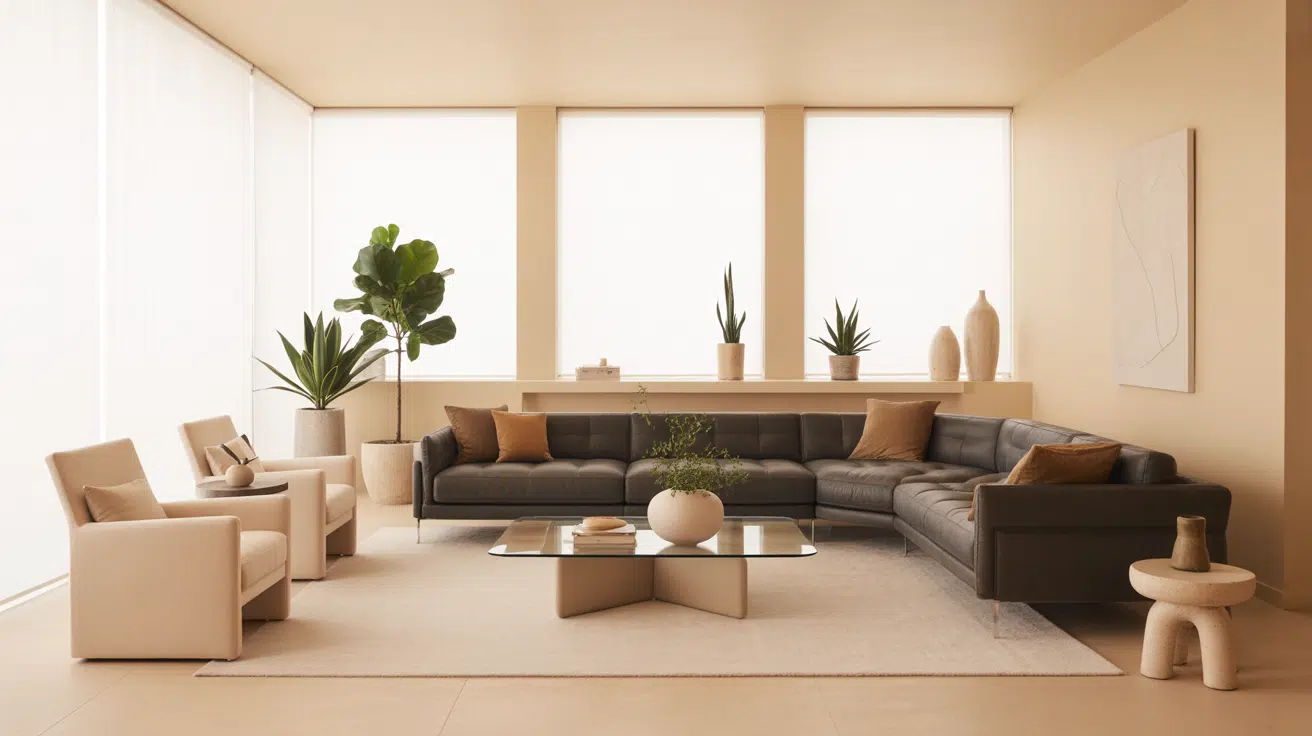

A feng shui living room focuses on layout, balance, and usability rather than decoration alone. It helps you design a space that supports daily routines, social interaction, and visual order.
By paying attention to furniture placement, circulation paths, lighting, and material balance, feng shui turns the living room into a space that feels stable and easy to use.
Understand feng shui living room designs through clear principles and practical steps.
You’ll learn how to arrange furniture, choose colors and materials, avoid common layout mistakes, and apply feng shui ideas in a way that fits modern homes and real-life use.
What Is Feng Shui?
Feng shui is a design system that arranges space to support comfort, function, and steady movement through a room.
It focuses on how layout, light, color, and objects affect daily use. In a living room, feng shui aims to create clear circulation paths, stable seating placement, and a balanced mix of materials.
It also uses the bagua map and the five elements to guide choices like where to place furniture, what colors to use, and what types of décor to add or reduce.
The goal is a room that feels organized, practical, and easy to live in.
Design Principles of a Feng Shui Living Room Layout
A feng shui layout starts with furniture placement, then improves circulation, light, and balance. Use these principles before choosing décor so the room works well first.
Command position for main seating: Place the primary sofa where you can see the entry, without sitting directly in line with the door.
Clear circulation paths: Keep main walkways open and wide; avoid tight squeeze points between the sofa, table, and doorways.
Support behind the sofa: Put the main sofa against a solid wall when possible to reduce visual and movement noise behind seating.
Balanced weight and symmetry: Distribute large items (sofa, media unit, shelves) so one side of the room does not feel heavier than the other.
Five elements in the room: Use wood, fire, earth, metal, and water through materials and shapes to avoid a space that feels one-note.
Feng Shui Living Room Tips
Use the tips below as step-by-step upgrades. Start with layout and clutter, then adjust lighting, materials, and focal points.
1) Declutter Like You Mean It

Remove items that do not support daily use. Clear floors, side tables, and media surfaces first. Store small items in closed cabinets or bins. Keep only one or two objects per surface. If you cannot name its purpose, remove it.
2) Place the Sofa in the Commanding Position

Set the main sofa so you can see the room entry from the seat. Do not place it with its back to the door if you can avoid it. If it must face away, add a console table and lamp behind it.
3) Create Conversation-Friendly Seating

Arrange seating so people face each other, not only the TV. Use a U-shape or L-shape around a coffee table or ottoman. Keep seat-to-seat distances practical for conversation. Add one movable chair for flexible layouts.
4) Keep Walkways Open and Unblocked

Mark the main paths between doorways, seating, and dining areas. Keep these lanes clear of stools, plants, and side tables. Use a smaller coffee table if needed. Ensure doors and drawers can open without hitting furniture.
5) Use Colors With Intention

Pick a base wall color that stays calm and consistent. Use one or two accent colors to guide the mood and focus areas. Place stronger colors closer to the social zone (pillows, art, rug). Avoid mixing too many accent colors.
6) Balance the Five Elements in Decor

Add elements through materials and shapes, not clutter. Wood: plants, wood tables. Fire: warm lighting, candles. Earth: ceramics, stone, square forms. Metal: frames, round tables. Water: glass, dark tones, curved lines.
7) Add Living Plants

Use healthy plants to soften corners and add vertical balance. Place plants near windows or empty corners, not blocking pathways. Choose easy-care types that fit your light level. Remove dead plants and avoid spiky leaves near seating edges.
8) Bring in Natural Light and Layered Lighting

Use daylight as the primary light source. Keep windows clear and use light-filtering curtains. Add three layers of lighting: ceiling, task (reading lamps), and accent (wall sconces). Aim for warm bulbs in the evening to reduce glare.
9) Use Mirrors Strategically

Place a mirror to reflect light or a calm view, like a window or artwork. Avoid reflecting clutter, the TV, or the main door. Use one large mirror instead of many small ones. Keep mirror edges aligned with furniture lines for order.
10) Soften “Poison Arrows” From Sharp Corners

Identify sharp edges that point toward seating, such as table corners or shelf edges. Replace square tables with round or oval ones when possible. Add a plant, lamp, or soft textile near the corner to reduce direct visual impact.
11) Choose Grounding Rugs to Anchor the Space

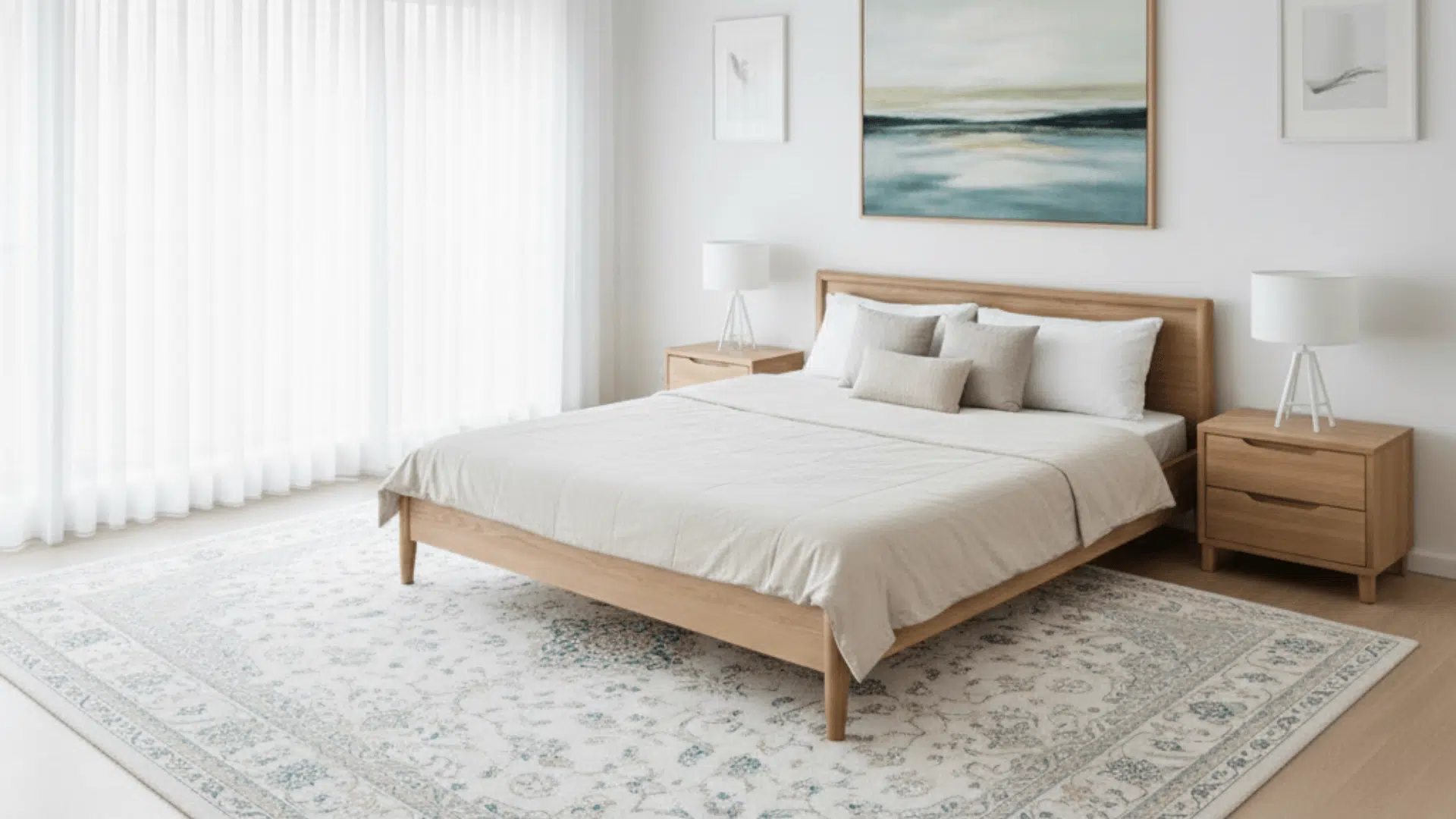
Use a rug large enough for the front sofa legs and chairs to sit on it. Center it under the seating zone to define the room. Choose simple patterns that do not compete with art. Use a rug pad so it stays flat and safe.
12) Make the Entry to the Living Room Inviting

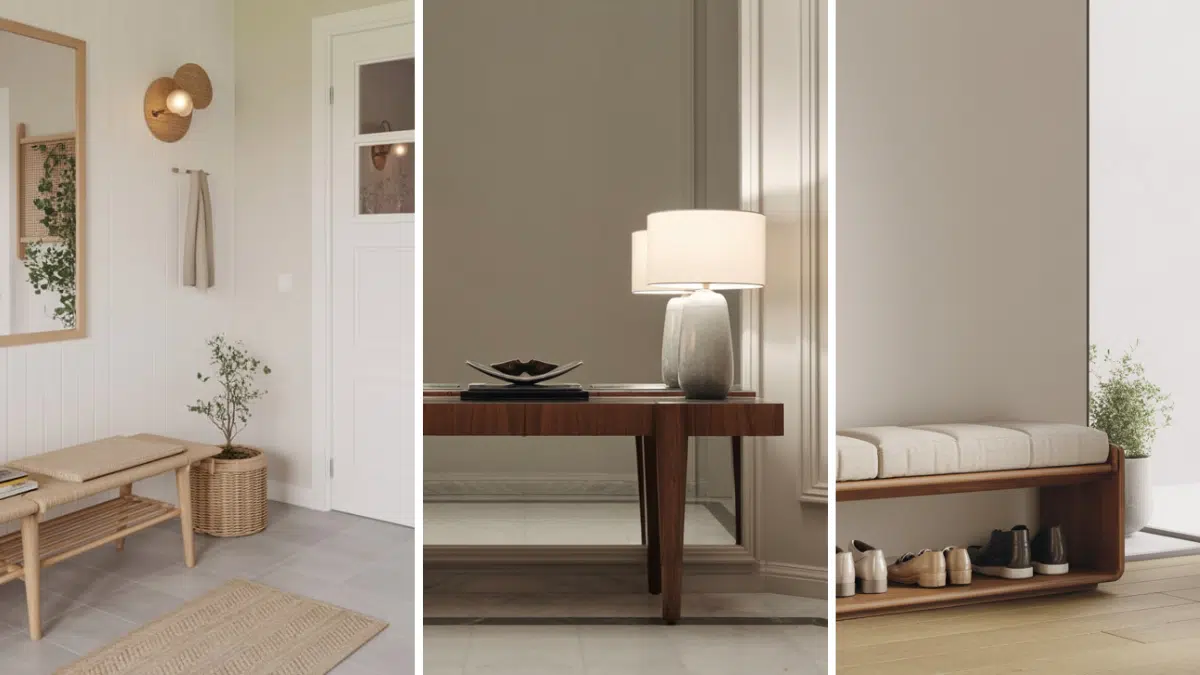
Keep the first view into the room clear and organized. Add a small console, tray, or bowl for keys if the living room connects to an entry. Use a lamp or wall art to guide attention inward. Avoid clutter near the doorway.
13) Reduce Visual Noise Around the TV

Keep the TV wall clean and balanced. Hide cables and reduce stacked electronics in open view. Use closed storage below the screen. If the TV dominates the room, add art panels or a frame TV style to calm the surface.
14) Display Meaningful Art and Objects

Choose art that supports the room’s purpose: calm, connection, or focus. Hang art at eye level and scale it to the sofa width. Use fewer, larger pieces instead of many small items. Keep shelves at 60–70% filled, not packed.
15) Refresh the Room Seasonally to Reset Energy
Update one small zone each season instead of redecorating everything. Rotate textiles like pillow covers and throws. Replace heavy items with lighter ones in warm months. Re-check clutter, lighting angles, and walkway space. Keep changes simple and functional.
Feng Shui Living Room Ideas by Style
Different design styles can still follow feng shui principles when layout and balance come first. These ideas show how feng shui adapts to common living room styles.
1. Modern Minimalist
Focus on clean lines, limited furniture, and clear walkways. Use neutral colors, hidden storage, and simple shapes to maintain visual order.
Keep décor to a few large pieces and avoid open shelving that collects visual clutter.
2. Cozy and Traditional
Layer soft textiles, warm lighting, and natural materials. Balance heavier furniture with open space so the room stays comfortable, not crowded.
Use warm-toned lamps and closed storage to keep the room calm and organized.
3. Small Living Room
Use floating furniture, wall-mounted storage, and fewer but larger décor pieces. Keep walkways clear and avoid blocking windows or doors.
Choose slim-profile furniture and one large rug to define the seating zone without shrinking the room.
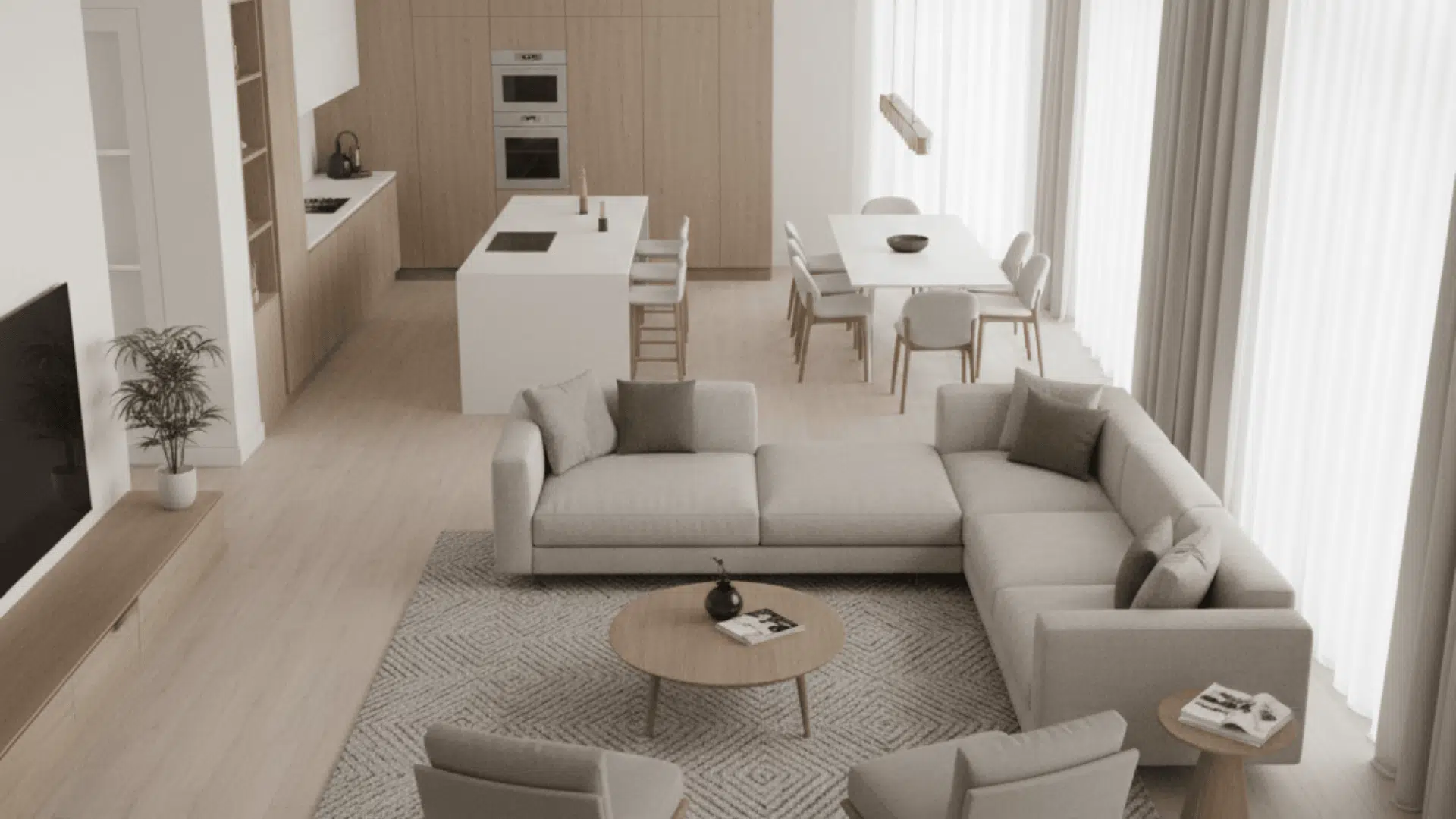
4. Open-Concept Living Room
Define the living area with a rug and lighting. Keep sightlines open between spaces and avoid seating that blocks movement between zones.
Use a sofa back or console table as a divider while maintaining clear paths between the kitchen, dining, and living areas.
Benefits of a Feng Shui Living Room
A feng shui living room improves how a space functions and feels during everyday use.
- Better circulation: Clear layouts reduce congestion and make movement easier.
- Improved comfort: Balanced furniture placement supports relaxed seating and conversation.
- Visual order: Reduced clutter and clear zones make the room easier to maintain.
- More usable space: Proper sizing and layout prevent wasted or blocked areas.
- Long-term flexibility: A well-planned room adapts better to future changes.
Conclusion
Designing a feng shui living room is about planning for real movement, daily habits, and long-term comfort.
By starting with layout, respecting clearances, and placing furniture with intention, you create a space that works before it decorates.
Simple adjustments, like improving seating placement, reducing clutter, and balancing materials, can significantly improve how the room functions.
Feng shui does not require strict rules or major renovations. When applied thoughtfully, it becomes a practical design framework that supports clarity, comfort, and ease of use.
A well-proportioned, well-organized living room always performs better than one focused on appearance alone.

With a Master in Architectural Studies from University of Pennysylvania, Marwa Haydar has pioneered living spaces since 2005. Her expertise, initially honed in a prestigious architectural firm, is evident in her approach to creating environments. Marwa became part of our team in 2019 and has since been a driving force in our home improvement section, known for her practical yet stylish solutions. She’s been spearheading our design workshops since then, infusing her passion for teaching into her work. In her leisure time, Marwa enjoys exploring historic architecture and is an enthusiastic pottery hobbyist, further enriching her understanding of form and texture.