
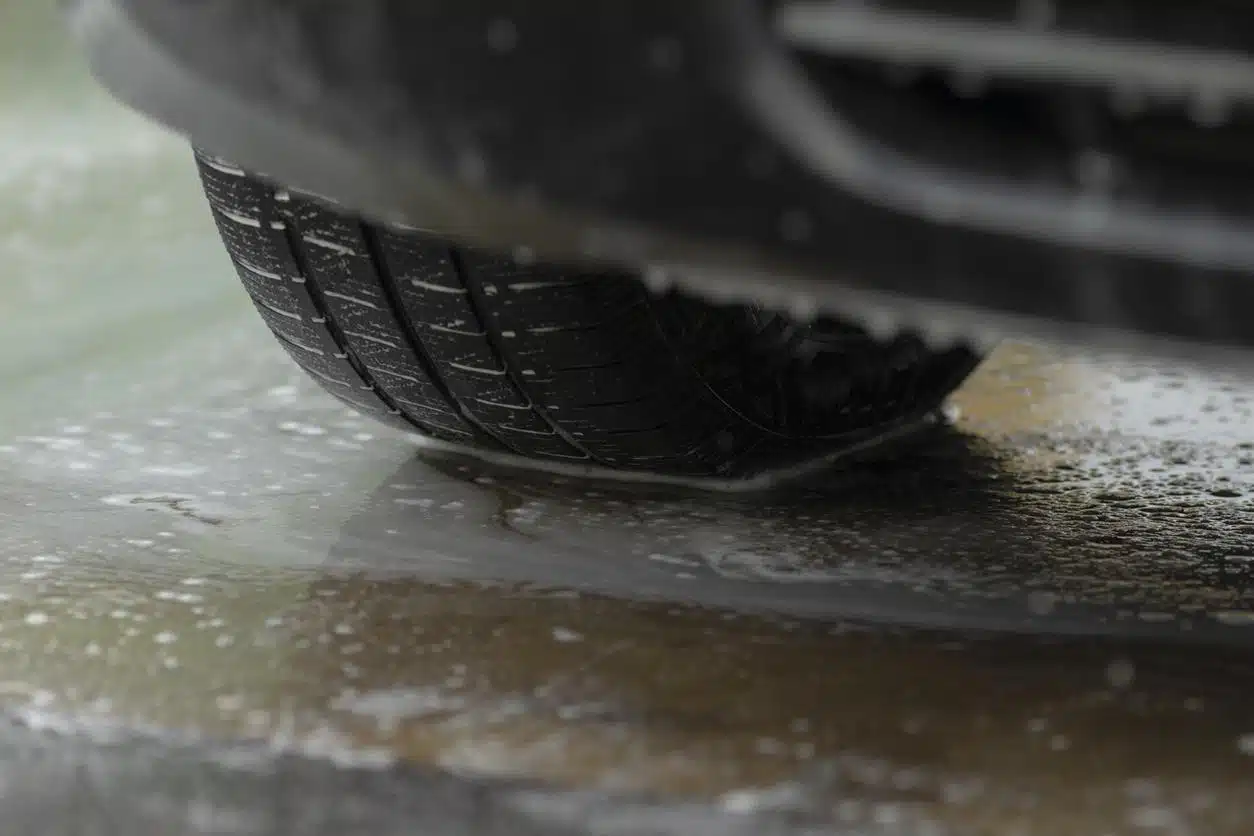

Overlooking garage flooring safety features can lead to serious slips and falls in a space exposed to water, oil spills, chemicals, and heavy traffic. Key elements include traction-enhancing textures for a non slip garage floor, chemical resistance to prevent degradation, impact absorption for comfort, and durability against wear.
Options like textured coatings, rubber mats, or interlocking tiles provide reliable grip while offering garage floor protection, creating a safer and longer-lasting surface.
Introduction
Picture stepping into your garage on a rainy afternoon, carrying groceries from the car, only to feel your foot slide on a patch of unnoticed water tracked in earlier. Garages often harbour invisible risks from everyday activities, such as vehicle maintenance or storage of household items. Moisture, oil drips, and scattered debris turn ordinary concrete into a potential hazard, increasing the chances of accidents at home.
Safe garage flooring addresses these issues head-on by incorporating features designed for traction and resilience. For instance, opting for professional epoxy flooring installation services can introduce slip resistant epoxy layers with added aggregates for better grip. These choices go beyond basic coverage, helping maintain stability even when surfaces get wet or contaminated.
Homeowners benefit from understanding essential safety aspects, from material resistance to maintenance needs. This knowledge enables better decisions when upgrading daily-use spaces, reducing risk while improving functionality over time. Prioritizing these features helps create a more secure garage environment that meets diverse needs.
Common Hazards in Garage Environments
Garages serve multiple roles, from parking vehicles to housing workshops or storage areas. Yet these versatile spaces often expose surfaces to substances and conditions that compromise traction and stability. Bare concrete, while sturdy, turns treacherous when contaminated, leading to unexpected slips that can cause bruises, sprains, or worse. Understanding typical risks helps explain why certain flooring traits matter so much.
Risks from Oil and Fluid Spills
Vehicles frequently leak motor oil, brake fluid, or transmission liquids, especially older models or those undergoing repairs. These substances create slick patches because they do not evaporate quickly and bond poorly with concrete. Even small drips accumulate over time, forming hidden slippery spots under parked cars.
Beyond reduced grip, such spills stain deeply if left unattended, though the immediate concern remains footing. A garage anti slip coating can mitigate these issues by repelling fluids and maintaining surface texture.
Impact of Water and Moisture
Rain, snowmelt tracked in on tires, or humidity from poor ventilation brings water onto floors regularly. Puddles form easily on smooth concrete, spreading widely and lingering in corners. Wet conditions drastically lower friction, turning routine steps into hazards, particularly when carrying items or moving quickly. Debris like leaves or dirt mixes with moisture, compounding the problem by creating uneven, greasy layers.
Dangers from Chemicals and Solvents
Household items stored in garages include paints, cleaners, fertilizers, and de-icers, many containing harsh compounds. Accidental spills from these release agents that etch concrete or leave residues reducing traction. Gasoline or battery acid poses additional threats through volatility or corrosiveness. Cluttered shelves increase spill chances during access.
To illustrate prevalent risks:
| Hazard Type | Common Sources | Primary Effects on Safety | Frequency in Typical Garages |
|---|---|---|---|
| Oil/Fluid Leaks | Vehicle maintenance, parking | Slick surfaces, persistent stains | High |
| Water Accumulation | Weather tracking, washing | Widespread puddles, low friction | Very High |
| Chemical Exposure | Stored products, spills | Residue buildup, surface degradation | Moderate |
| Dust and Debris | Foot traffic, tools | Uneven grip, combined with moisture | High |
Addressing these foundational threats sets the stage for evaluating protective measures that enhance traction and resilience.
Essential Safety Features in Garage Flooring
Choosing the right surface involves focusing on traits that directly counter everyday risks. Modern options prioritize grip, resistance, and longevity to handle demanding conditions without constant worry. As the saying goes, an ounce of prevention is worth a pound of cure, especially when it comes to avoiding mishaps in high-traffic areas.
Traction and Slip Resistance
Grip stands out as the top priority since wet or oily spots quickly reduce footing on plain concrete. Textured finishes or added aggregates create friction, helping shoes maintain contact even under challenging circumstances. Materials like rubber or vinyl often include built-in patterns for reliable hold.
Chemical and Stain Resistance
Exposure to automotive fluids or household solvents can degrade surfaces over time, leading to cracks or discoloration. Protective layers repel these substances, preventing absorption and simplifying cleanup. Durable barriers keep the base intact longer, reducing repair needs.
Impact Absorption and Comfort
Heavy tools dropping or constant foot traffic stresses rigid floors, causing fatigue for anyone standing for lengthy periods. Cushioned alternatives absorb shocks, easing strain on joints during projects. Flexible compositions also dampen noise from movements or equipment.
Durability Against Wear and Tear
Constant vehicle weight, temperature swings, and abrasion wear down unprotected areas rapidly. Reinforced coverings withstand scraping from tires or dragged items, maintaining appearance and function. Long-term strength means fewer replacements down the line.
Key features compared across common materials:
| Feature | Epoxy Coatings | Rubber Mats | Interlocking Tiles | Polyurea Finishes |
|---|---|---|---|---|
| Slip Resistance | High (with additives) | Excellent | Very Good | High |
| Chemical Resistance | Strong | Moderate | Good | Excellent |
| Impact Absorption | Moderate | High | High | Moderate |
| Installation Ease | Professional recommended | DIY friendly | DIY friendly | Professional recommended |
| Longevity | 10–20 years | 5–15 years | 10–15 years | 15–25 years |
These attributes form the backbone of secure setups, guiding selections toward practical, lasting results. Next, exploring specific choices reveals how they stack up in real use.
Top Garage Flooring Options for Enhanced Safety
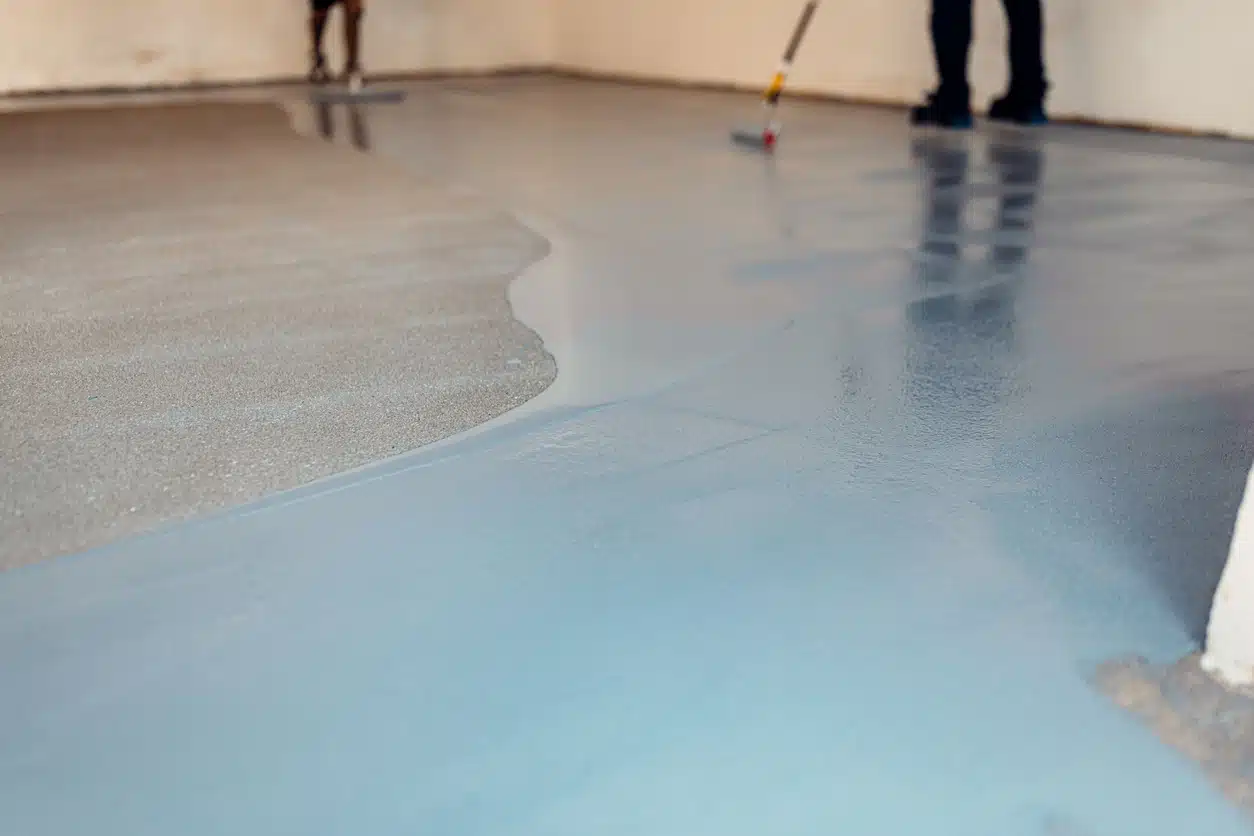
With core traits identified, selecting suitable coverings becomes straightforward. Various materials excel in delivering traction and resilience, each suited to different needs and setups. Evaluating popular choices highlights strengths, helping match options to specific demands like budget, installation preferences, or usage intensity.
Epoxy-Based Coatings
Epoxy systems form seamless, hard-wearing layers over existing concrete. Adding quartz or flakes boosts texture, creating a non slip garage floor ideal for wet conditions. These finishes resist stains from spills and handle heavy loads well, though preparation involves thorough cleaning for adhesion.
Rubber and Vinyl Mats or Rolls
Flexible rubber products roll out easily or interlock without adhesives. Their inherent cushioning and patterned surfaces provide excellent grip, absorbing impacts from dropped items. Portable designs allow removal for cleaning underneath, suiting rental spaces or temporary needs.
Interlocking PVC or Polypropylene Tiles
Snap-together tiles offer modular setups with perforated or raised patterns for drainage and ventilation. Rigid yet forgiving underfoot, they withstand chemicals and abrasions effectively. Quick assembly appeals to do-it-yourself enthusiasts seeking customizable layouts.
Polyaspartic or Polyurea Alternatives
Faster-curing relatives to epoxy tolerate colder applications and cure rapidly. High flexibility prevents cracking from shifts, while UV stability avoids yellowing in sun-exposed areas. Superior abrasion resistance fits high-traffic workshops.
Pros and cons at a glance:
- Epoxy coatings: Strong adhesion and gloss. Requires surface prep and curing time.
- Rubber mats: Superior comfort and noise reduction. May shift without edging.
- Interlocking tiles: Easy repairs by replacing sections. Higher initial cost per square foot.
- Polyurea finishes: Quick return to service. Premium pricing.
These selections demonstrate reliable paths to safer surfaces, balancing performance with practicality. Moving forward, practical strategies extend longevity and effectiveness.
Key Takeaways for Safer Garage Floor Protection
Investing time in understanding and applying safety-focused upgrades creates spaces that handle real-life demands reliably. From addressing initial hazards to selecting suitable materials and maintaining them properly, each step builds toward reduced risks and greater confidence in daily use.
Homeowners often find that targeted improvements prevent common problems before they escalate. Textured, resilient coverings provide ongoing traction where it matters most, while resistant properties safeguard against spills and wear. Consistent care keeps these advantages intact, delivering value far beyond the upfront effort.
In the end, a well-chosen setup offers peace of mind alongside practical benefits like easier cleaning and better durability. Safe garage flooring contributes to smoother household routines, protecting both people and property effectively. Taking action on these features turns an ordinary area into one that supports activities safely for years ahead.

With a Master’s in Architecture from the University of California, Berkeley, Alexander Martin has dedicated the last 18 years to enhancing outdoor living through thoughtful and robust structure design. His career kicked off in urban planning, giving him a unique perspective on integrating structures into diverse environments. In 2019, Alexander brought his expertise to our website, offering insights into creating versatile outdoor spaces. Since then, he has been the lead advisor for our outdoor design projects and is known for his ability to merge functionality with environmental consciousness. Alexander enjoys rock climbing outside of work and participates in community development projects, activities that reflect his passion for the outdoors and sustainable design.


