
Choosing the right rug size can quietly shape how a room feels, flows, and functions.
A rug that looks perfect online can feel very different once it touches the floor.
That is where understanding how big is 4×6 rug becomes essential, especially when working with limited space or specific furniture layouts.
This size often sits between decorative and functional, making it easy to misjudge without a clear context.
The sections ahead break down its exact dimensions, unit conversions, visual impact in real rooms, ideal placements, and how it compares with other rug sizes, helping layout decisions feel more intentional and well-balanced.
How Big Is a 4×6 Rug?
A 4×6 rug measures 4 feet in width and 6 feet in length.
This size is considered small to medium and works well in compact areas where full floor coverage is not required.
The total area covered by a 4×6 rug is 24 square feet. This amount of coverage is enough to define a space visually without overwhelming the room.
It often sits fully under a small coffee table, partially under furniture, or as an accent piece in open floor areas.
Because of its rectangular shape, a 4×6 rug can be placed either horizontally or vertically, depending on the room layout.
The orientation can slightly change how large or balanced the space feels, even though the rug size remains the same.
Overall, a 4×6 rug is best described as a compact rug size designed for small seating zones, bedside placement, entryways, or layered layouts, rather than wall-to-wall coverage.
4×6 Rug in Different Units
Rug sizes are often listed in feet, but conversions into other units can make planning easier, especially when measuring rooms, furniture, or layouts more precisely.
A 4×6 rug has standard dimensions that stay consistent across measurement systems, with only the units changing.
Below is a clear size breakdown to show how big a 4×6 rug is in commonly used units:
| Measurement Unit | Dimensions |
|---|---|
| Feet | 4 ft × 6 ft |
| Inches | 48 in × 72 in |
| Centimeters | 122 cm × 183 cm |
| Meters | 1.22 m × 1.83 m |
| Square Feet | 24 sq ft |
| Square Meters | 2.23 sq m (approx.) |
These conversions help compare the rug size with room measurements, floor plans, or furniture dimensions without confusion.
Measuring the floor area in the same unit system helps improve accuracy before selecting a rug size.
What a 4×6 Rug Looks Like in a Room
A 4×6 rug creates a defined visual zone without covering large portions of the floor. This size is commonly used to anchor small furniture groupings or add contrast in open areas.
Its impact depends largely on the surrounding furniture, room dimensions, and placement direction.
Comparison With Common Furniture
Shows how a 4×6 rug relates to everyday furniture sizes, helping visualize coverage, balance, and spacing when placed near tables, beds, or compact seating arrangements.
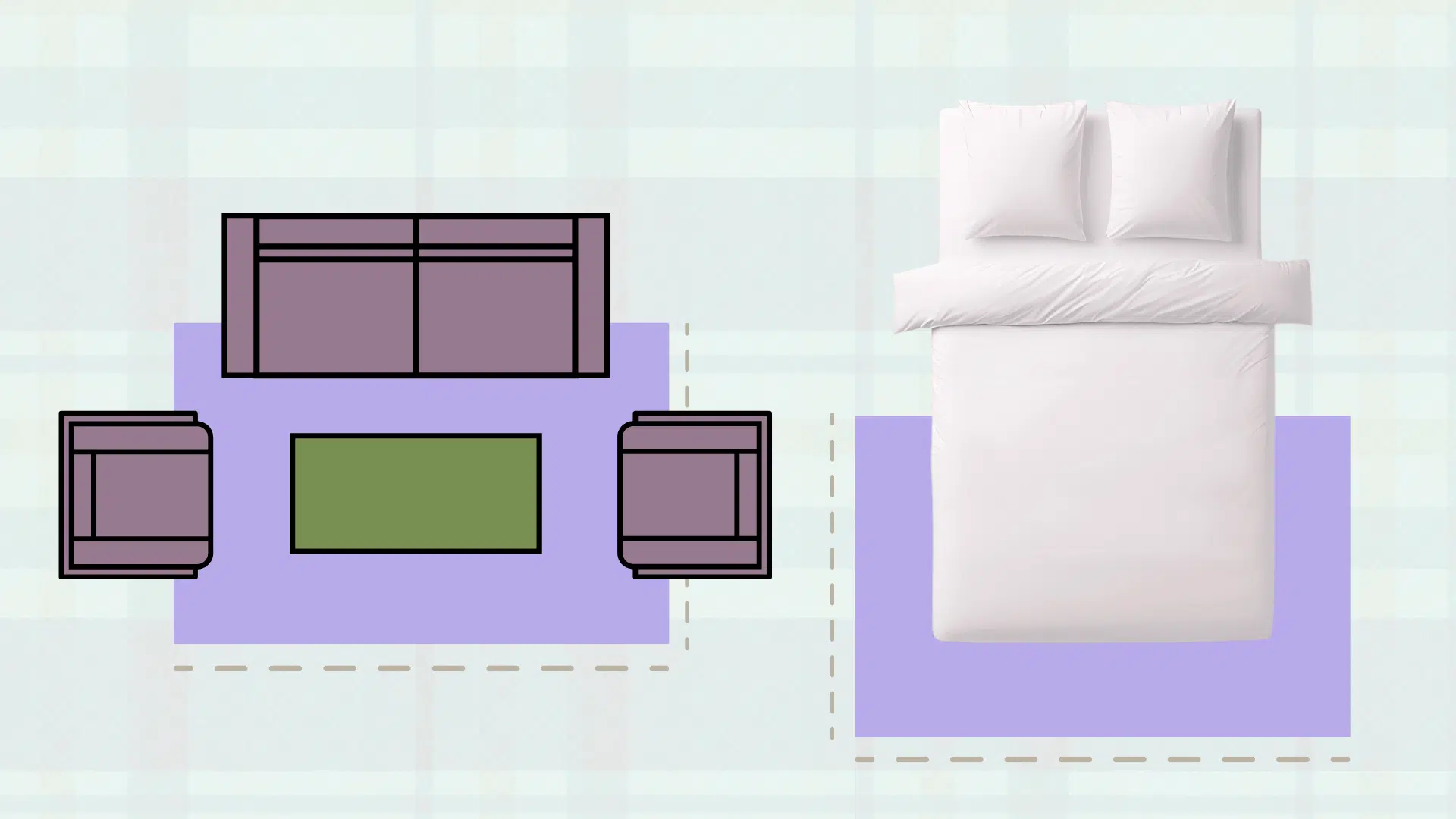
- Coffee table: A 4×6 rug usually extends beyond all sides of a standard small coffee table, creating a balanced base without reaching nearby walls.
- Bed: When placed beside or at the foot of a bed, the rug typically covers the walking area rather than extending under the entire bed frame.
- Accent chair setup: The rug can sit fully under a single chair and side table, visually separating the seating area from the rest of the room.
Orientation and Layout
It explains how rug direction affects visual flow, room proportions, and perceived space, depending on whether the rug is placed lengthwise or widthwise within a given layout.
- Horizontal placement: Makes narrow rooms appear wider and works well in front of sofas or under coffee tables.
- Vertical placement: Helps elongate compact spaces such as entryways or areas at the foot of a bed.
The overall appearance of a 4×6 rug remains subtle rather than dominant.
It functions best as a framing element that supports the room layout instead of defining the entire floor space.
Where a 4×6 Rug Fits Best
A 4×6 rug is most effective in spaces where defining a specific area matters more than full coverage.
Its compact size allows flexibility across different rooms while keeping the layout visually balanced:
Living Room
In a living room, a 4×6 rug works well for smaller seating arrangements or compact layouts.
It can sit beneath a coffee table, anchoring the center of the space without extending under larger furniture.
This size helps separate seating zones in open layouts while still leaving visible flooring around the edges. It suits apartments, studios, or secondary seating areas where proportion and spacing need careful control.
Bedroom
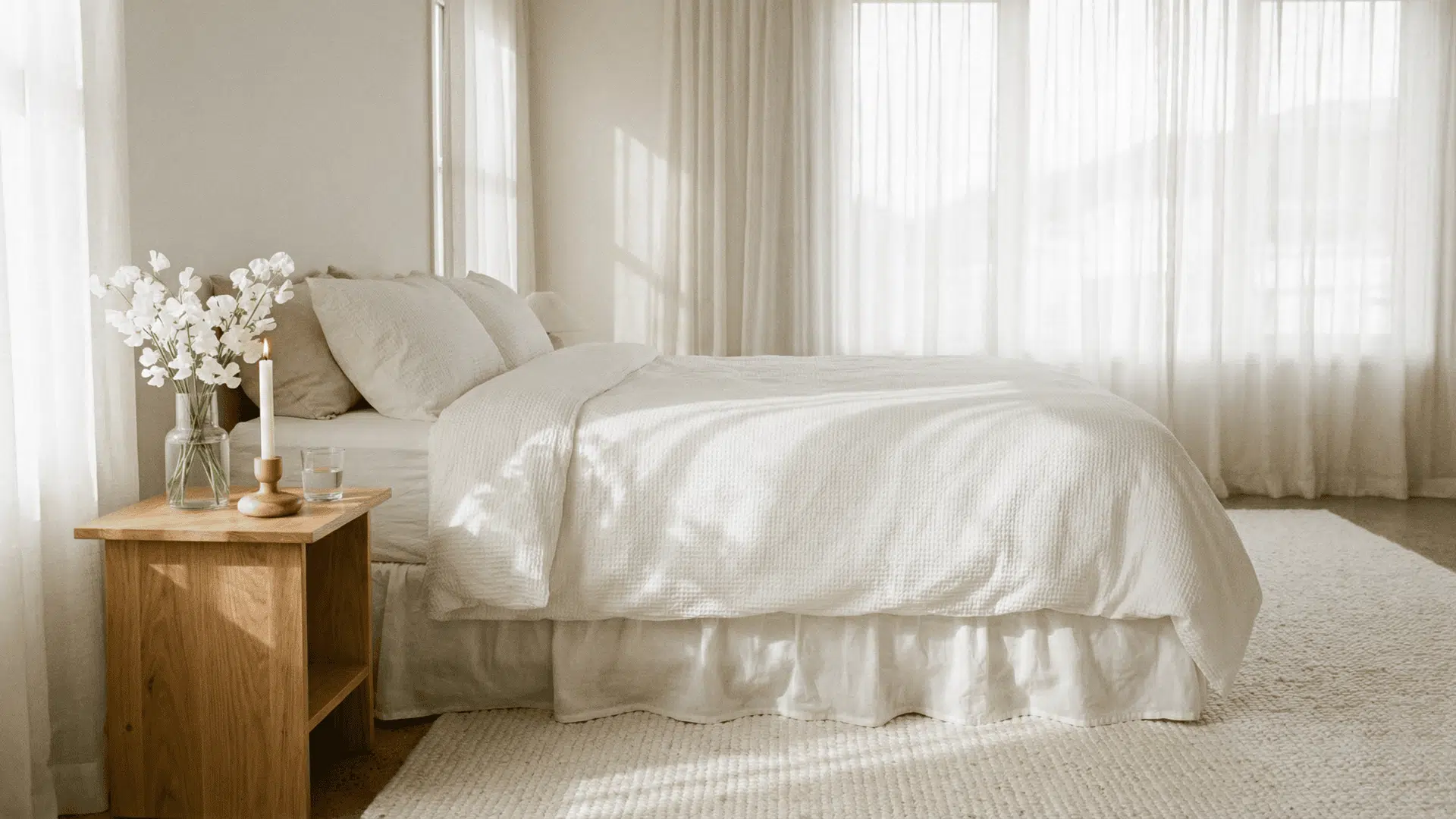
Within a bedroom, a 4×6 rug functions as a practical accent rather than a dominant floor covering.
It is commonly placed beside the bed to support daily movement or positioned at the foot of the bed to add visual structure.
This size complements walking paths without interfering with furniture placement.
Layout choices like these align closely with standard bedroom rug placement approaches that focus on comfort, spacing, and proportion.
Entryway and Dining Area
In entryways, a 4×6 rug provides enough coverage to define the entrance while allowing doors to open freely.
It helps manage foot traffic and adds structure to narrow or rectangular entry spaces.
In dining areas, this size works best under small tables with limited seating, creating separation without crowding surrounding areas.
This approach suits compact homes where space efficiency remains a priority.
4×6 Rug Placement Tips
Placing a 4×6 rug correctly helps maintain balance, comfort, and clear visual flow. These practical tips on placing a rug focus on spacing, proportion, and layout accuracy:
- Maintain Visible Floor Space: Leave consistent floor space around the rug edges to prevent the room from feeling tight or visually overloaded.
- Align With Furniture Layout: Position the rug so it aligns with nearby furniture edges, helping the layout appear intentional and evenly arranged.
- Choose the Right Orientation: Place the rug lengthwise or widthwise based on the room shape to support natural movement and visual balance.
- Avoid Partial Door Coverage: In entryways or bedrooms, ensure the rug does not block the door swing or interfere with daily movement.
- Measure Before Placing: Always measure available floor space first to confirm the rug fits comfortably without overlapping key furniture paths.
4×6 Rug vs Other Common Rug Sizes

Comparing rug sizes helps clarify how much floor coverage each option provides and how it affects furniture placement.
A 4×6 rug sits between small accent rugs and larger area rugs, making these comparisons useful when planning layout and spacing.
3×5 Rug
A 3×5 rug offers limited coverage and functions mainly as a visual accent rather than a layout anchor.
It works best in compact spaces where furniture remains mostly off the rug and floor visibility is preferred.
This size is commonly chosen for areas where movement and flexibility matter more than structure.
- Suitable for narrow walkways and tight corners
- Works under lightweight accent furniture
- Keeps surrounding floor areas exposed
- Easy to reposition in frequently adjusted layouts
5×7 Rug
A 5×7 rug provides a noticeable step up in coverage compared to a 4×6. It supports partial furniture placement and helps define seating or sleeping areas more clearly.
This size balances coverage and openness, making it a standard option for rooms that need structure without full floor coverage.
- Accommodates the front legs of larger furniture
- Helps create defined zones in shared spaces
- Works well in medium-sized bedrooms
- Offers flexibility for layered rug setups
6×9 Rug
A 6×9 rug covers a substantial portion of the floor and is often used when furniture placement is more fixed.
It helps unify multiple pieces within a single layout and reduces visual breaks across the room.
This size suits spaces where cohesion matters more than visible floor space.
- Anchors for full seating or dining arrangements
- Reduces visual clutter in larger rooms
- Supports consistent furniture alignment
- Best suited for spacious layouts
Key Takeaways
A 4×6 rug may look modest in size, but it plays a meaningful role in shaping how a space comes together.
From understanding its exact measurements in multiple units to seeing how it interacts with furniture, layout, and room flow, this size offers flexibility without demanding full floor coverage.
It works especially well in smaller rooms, defined seating areas, bedrooms, and entryways where balance matters more than scale.
Comparing it with other standard rug sizes also makes clear when this option fits best and when a larger or smaller rug makes more sense.
Have you used this rug size in a room before, or do you have a preferred placement style? Share your experience or favorite setup in the comments below.

Ava Taylor, holding a Bachelor’s degree in Interior Design from the Pratt Institute, has made her mark in creating engaging and functional living spaces for over 14 years. She began her career with a New York-based design studio, where she gained a reputation for her innovative and user-centric designs. Ava joined our team in 2019, bringing a blend of artistic flair and practicality to our home improvement section. Since the she has been the lead contributor to our room transformation series, inspiring readers with her unique approach to maximizing space utility and aesthetic appeal. Beyond her professional work, Ava is a passionate collector of vintage furniture, a hobby that enriches her design perspective.