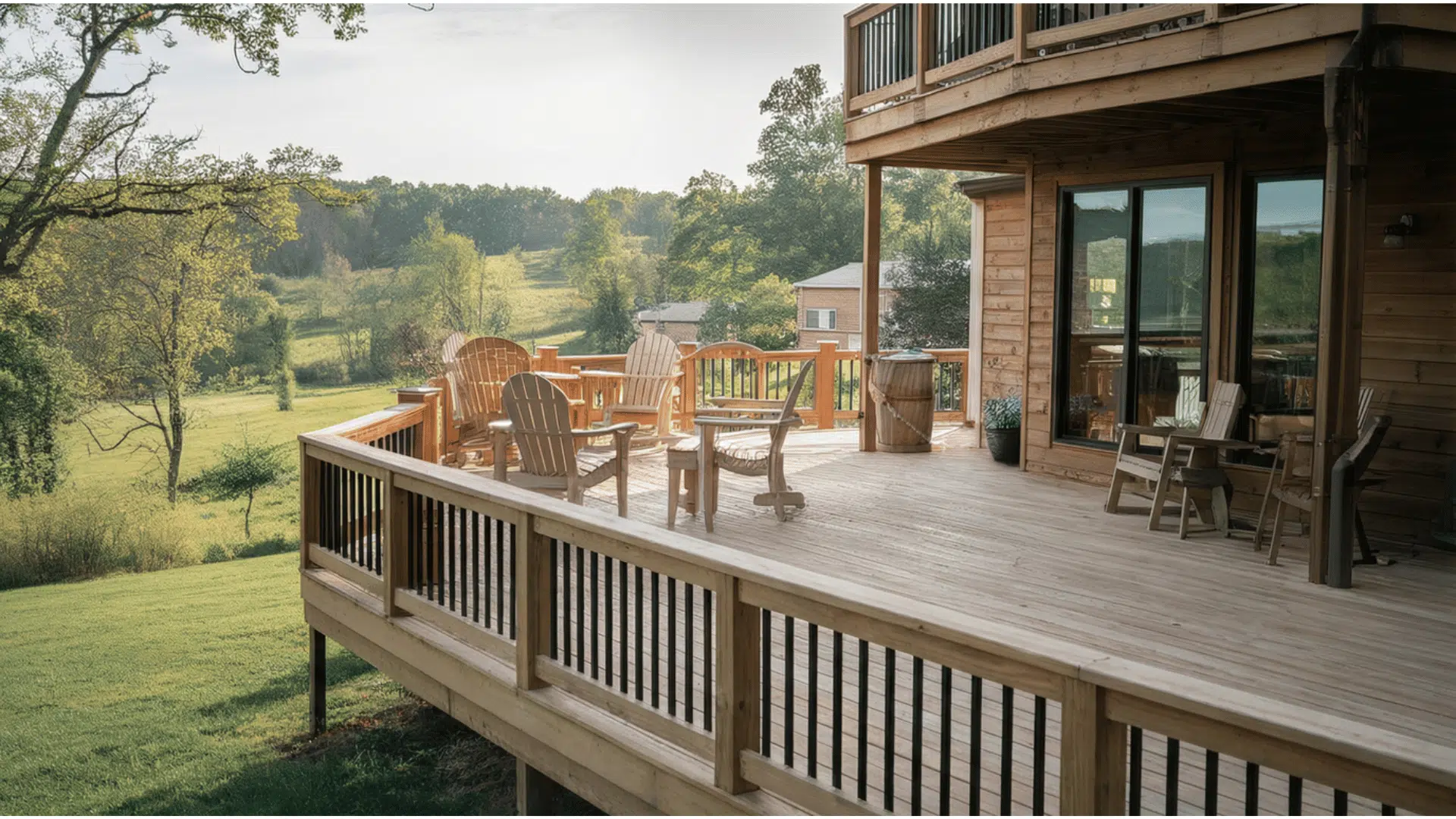

Outdoor spaces are no longer viewed as secondary areas of the home, but as extensions of everyday living. Homeowners are investing more time and resources into patios, gardens, and yards that function just as comfortably as indoor rooms, often with the help of professional outdoor services by turft to achieve polished and lasting results.
This shift reflects broader lifestyle changes that prioritize flexibility, comfort, and seamless transitions between indoor and outdoor environments.
As remote work, home entertaining, and wellness focused living become more common, outdoor areas are being redesigned to support daily routines.
These spaces are no longer reserved for special occasions or weekends, but are used for relaxing, socializing, and even working. The modern home increasingly treats the outdoors as a functional living area rather than a decorative afterthought.
Lifestyle Changes Driving the Outdoor Living Trend
One major reason outdoor spaces are evolving is the way people now use their homes. With more time spent at home, there is a greater desire for open, restorative spaces without sacrificing convenience or style. Outdoor living rooms offer fresh air and natural light while still providing comfort and structure.
Another factor is the growing emphasis on work-life balance and personal wellbeing. Outdoor environments can reduce stress and improve mood, making them ideal spaces for quiet breaks or informal gatherings. By creating outdoor spaces that mirror the comfort of indoor living rooms, homeowners can enjoy these benefits daily.
Design Elements That Define Outdoor Living Rooms
Modern outdoor spaces now include many of the same design elements found inside the home. Comfortable seating, defined layouts, and thoughtful material choices help create a sense of cohesion and purpose. These elements allow outdoor areas to feel intentional rather than temporary or seasonal.
Durability has also become a key design priority. Homeowners want surfaces and materials that maintain their appearance with minimal effort and withstand changing weather conditions. This focus on longevity supports treating outdoor spaces as permanent living areas rather than short-term upgrades.
Functionality and Comfort in Outdoor Spaces
Comfort is central to transforming outdoor spaces into true living rooms. Shade structures, soft textures, and practical layouts make these spaces usable year-round. When outdoor areas are comfortable, they naturally become part of everyday life rather than occasional escapes.
Functionality is equally important, especially for households with limited space. Multi-purpose outdoor areas can serve as dining spaces, relaxation zones, or play areas depending on the time of day. This flexibility makes outdoor living rooms valuable additions to modern homes.
Low Maintenance Solutions Supporting Everyday Use
As outdoor spaces become more central to daily routines, homeowners are seeking solutions that require less upkeep. Traditional outdoor maintenance can be time-consuming and disruptive, which discourages regular use. Low-maintenance materials and smart design choices help ensure outdoor areas remain inviting with minimal effort.
Reducing maintenance also supports consistent use throughout the year. When outdoor spaces look good without constant attention, they are more likely to be used as intended. This reliability reinforces the idea of outdoor living rooms as dependable parts of the home.
The Future of Outdoor Living
The trend toward outdoor living rooms shows no sign of slowing down. As design continues to emphasize flexibility and lifestyle integration, outdoor spaces will play an even greater role in how homes are used. These areas are becoming essential rather than optional features of modern living.
Future outdoor designs will likely focus even more on comfort, sustainability, and long term value. By treating outdoor spaces with the same care as interior rooms, homeowners can create environments that enhance both daily life and overall property appeal.
Conclusion
Outdoor spaces are rapidly evolving into functional living rooms that support modern lifestyles and changing home use patterns.
Through thoughtful design, durable materials, and low maintenance solutions, these areas now offer comfort and usability comparable to indoor spaces. As this trend continues, outdoor living rooms will remain central to how people experience and enjoy their homes.

With a Master’s in Architecture from the University of California, Berkeley, Alexander Martin has dedicated the last 18 years to enhancing outdoor living through thoughtful and robust structure design. His career kicked off in urban planning, giving him a unique perspective on integrating structures into diverse environments. In 2019, Alexander brought his expertise to our website, offering insights into creating versatile outdoor spaces. Since then, he has been the lead advisor for our outdoor design projects and is known for his ability to merge functionality with environmental consciousness. Alexander enjoys rock climbing outside of work and participates in community development projects, activities that reflect his passion for the outdoors and sustainable design.