

On a busy construction site, time is money in the most literal sense. Crews, materials, inspections, and subcontractors all move on a schedule, and a single machine failure can slow down several work streams at once.
That’s why regular maintenance is one of the most practical ways to protect productivity. When you treat service as a planned routine, not a last minute reaction, you reduce breakdowns, extend component life, and keep operations predictable.
The result is higher uptime, fewer emergency repairs, and fewer delays that ripple across the jobsite.
Why Construction Efficiency Starts With Uptime
Construction efficiency is really a story about flow. Excavation feeds grading, grading supports formwork, formwork enables pours, and so on. When a key machine is down, work does not just pause at one spot, it often forces crews to wait, reschedule, or rework tasks out of sequence.
Caterpillar engines diesel models are common on jobsites because they’re built for demanding duty cycles, but even durable equipment loses efficiency when maintenance is inconsistent. A missed service interval can lead to overheating, contamination, or wear, resulting in unplanned downtime.
That downtime carries hidden costs like idle labor, rushed rentals, expedited parts shipping, and missed delivery windows. Protecting uptime through routine service is often the simplest way to prevent schedule slip, especially on tight timelines.
Preventive Maintenance vs Reactive Repairs
Preventive maintenance means you handle issues before they become failures. It includes scheduled inspections, fluid and filter service, and targeted replacement of wear items based on hours, condition, or operating environment. Reactive repair is what happens when a machine breaks and the site scrambles to recover.
The difference is not just timing, it’s cost and impact. A small coolant leak caught during an inspection might be a quick hose replacement. That same leak, if ignored, can lead to overheating, shutdowns, and secondary damage that keep a machine out of service for days.
Reactive repairs also disrupt planning, because they rarely happen at a convenient time. When you measure outcomes, preventive routines usually lower the heavy machinery maintenance cost by reducing emergency labor, secondary damage, and downtime driven penalties.
The High Impact Maintenance Areas That Prevent Delays
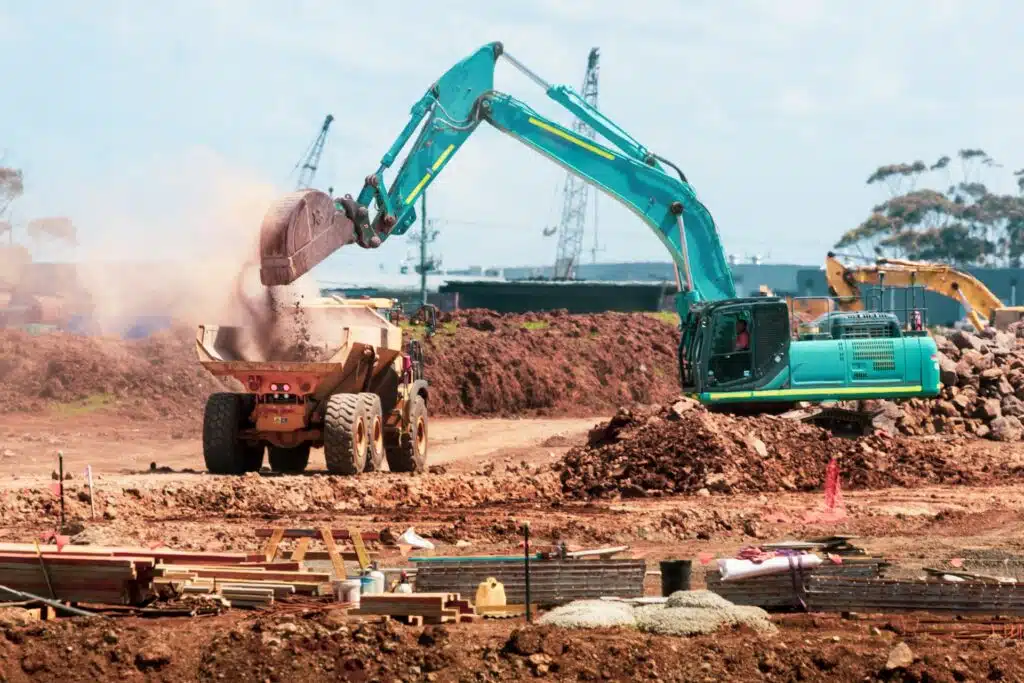
A smart maintenance program focuses on the systems that most often create downtime, and the ones that cause the most expensive secondary failures.
- Fluids and lubrication: Engine oil, hydraulic fluid, and grease points protect moving parts. Low or contaminated fluid accelerates wear and raises temperatures.
- Filters: Fuel, oil, and air filters protect critical components. Clogged filters can reduce performance and raise operating stress, especially in dusty environments.
- Cooling system health: Radiator cleanliness, coolant condition, hoses, and clamps matter. Cooling issues are a common trigger for shutdowns on high load days.
- Belts, hoses, seals: Rubber and seals fail over time. Replacing them on schedule prevents sudden leaks and stoppages.
- Electrical system and batteries: Starting problems, charging issues, and corroded connections can create hard to diagnose downtime.
- Hydraulics: Leaks, slow response, and contaminated hydraulic fluid reduce productivity and can force shutdowns if pressures drop.
- Undercarriage, tracks, tires: Wear here directly impacts traction, travel speed, and stability, all of which affect cycle times and jobsite safety.
If you’re running equipment powered by a Caterpillar diesel engine, these basics still apply. The point is not brand specific, it’s systems based, protect the systems that keep the machine working under load.
How Maintenance Reduces Fuel Waste and Operating Costs
Maintenance is not just about avoiding failure, it’s also about keeping the machine efficient. Clean air and fuel filters support better combustion. Correct oil viscosity reduces friction. A healthy cooling system prevents power loss and shutdowns. Proper hydraulic maintenance helps the machine respond predictably, which improves cycle times and reduces strain.
Over time, these factors show up in real operating cost numbers. When machines run hot, restricted, or contaminated, fuel burn tends to rise and productivity drops. That’s why heavy machinery maintenance cost is not only the price of parts and labor, it’s also the cost of lost output per hour when equipment is running below its best.
Maintenance Is the Cheapest Way to Protect the Schedule
Regular maintenance protects the schedule because it protects uptime. It reduces surprise failures, cuts downtime, improves performance, and lowers the real heavy machinery maintenance cost that comes from idle crews and disrupted sequencing.
Whether you’re maintaining a fleet with a Caterpillar diesel engine platform or a mixed equipment lineup, the playbook is the same, keep inspections consistent, address small issues early, and document the routine with a heavy machinery maintenance checklist.
For construction teams trying to reduce delays, maintenance is one of the highest ROI decisions you can make.

Holding a Master’s in Construction Management from Purdue University, William Ray has dedicated more than two decades to studying and applying construction principles. His professional journey includes a tenure with a prominent construction firm, where he specialized in project management and building technologies. William brought his knowledge to our team, providing in-depth insights into practical construction techniques. As the leader of our beginner’s guide to building since 2019, he has a knack for breaking down intricate processes into easily digestible content. When not involved in writing or onsite consultations, William enjoys woodworking and volunteering in community building projects, which aligns with his passion for hands-on construction and community service.