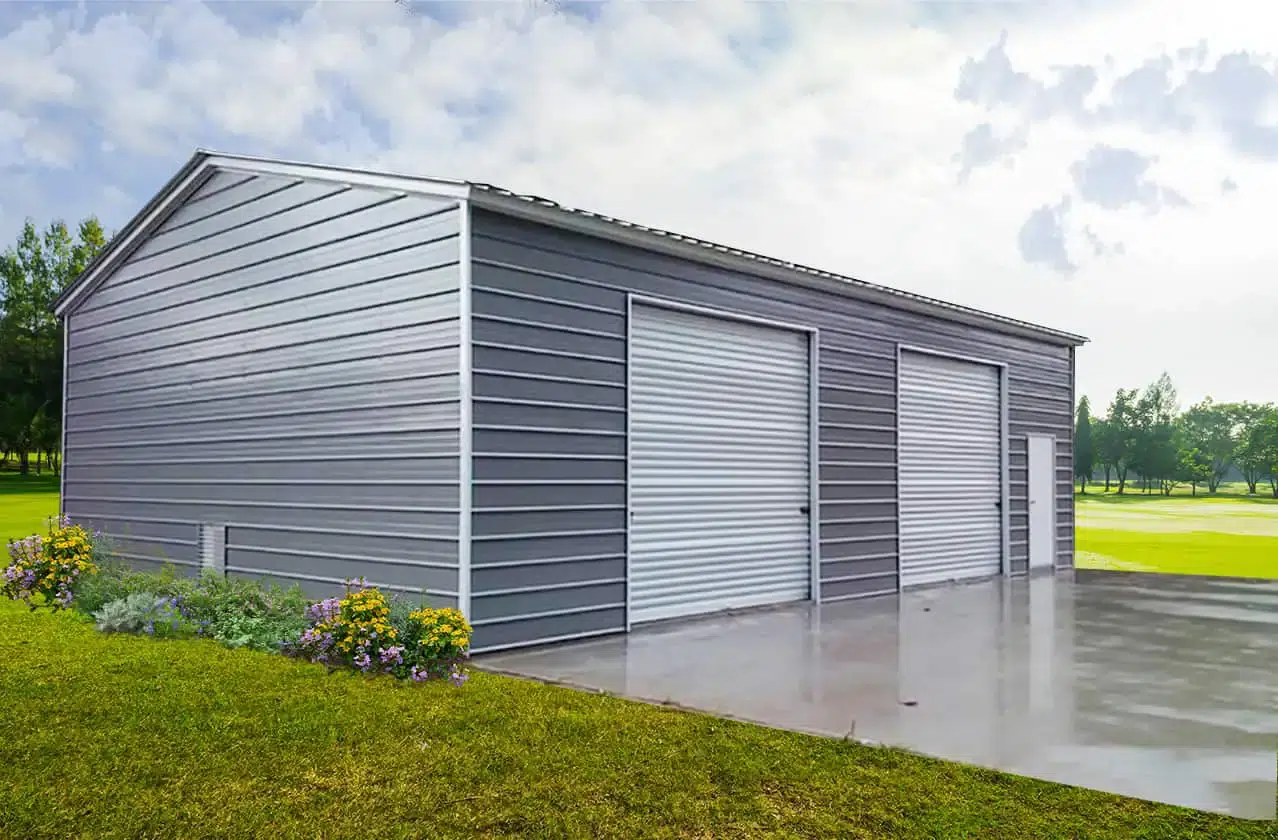

Extreme weather is no longer an occasional concern—it’s a growing reality for homeowners, farmers, and business owners across the country. Hurricanes, high winds, heavy snow, heat waves, flooding rains, and wildfires place enormous stress on buildings year after year.
In these conditions, construction material matters. Steel buildings have gained widespread adoption because they consistently outperform traditional structures when exposed to severe weather.
Engineered solutions from companies like US Patriot Steel are designed specifically to withstand these challenges, offering strength, stability, and long-term reliability when it matters most.
Understanding how steel buildings respond to extreme conditions explains why they are increasingly chosen in high-risk regions.
High Wind and Hurricane Resistance
One of the most significant advantages of steel buildings is their ability to resist high wind forces. Steel structures are engineered using precise calculations for wind loads, allowing them to perform reliably in hurricane-prone and tornado-exposed regions. The rigid steel frame distributes wind pressure evenly across the structure, reducing the risk of localized failure.
Unlike wood-framed buildings, which can loosen, shift, or collapse when fasteners fail, steel frames maintain structural integrity under sustained wind pressure. Proper anchoring systems secure the building to its foundation, helping prevent uplift and lateral movement during storms. This engineering-driven approach gives steel buildings a measurable advantage in wind resistance.
Snow Load Performance in Cold Climates
In regions that experience heavy snowfall, roof strength is critical. Steel buildings are designed to meet or exceed local snow load requirements, ensuring roofs can handle the weight of accumulated snow and ice. Steel does not sag over time, so the roof maintains its load-bearing capacity year after year.
Traditional materials may weaken under repeated freeze-thaw cycles, leading to roof deflection or structural stress. Steel’s consistency prevents this gradual degradation. Additionally, metal roofing encourages snow shedding, reducing buildup and minimizing the risk of ice dams.
Fire Resistance in Wildfire Zones
Fire is one of the most destructive forces a building can face, and steel offers a major safety advantage. Steel is non-combustible—it does not ignite, fuel flames, or contribute to fire spread. In wildfire-prone areas, this characteristic can mean the difference between total loss and structural survival.
While no building is completely fireproof, steel structures resist ignition from embers and radiant heat far better than wood-framed buildings. This resistance slows fire progression, increases evacuation time, and improves the chances of structural preservation after a wildfire event.
Performance in Extreme Heat and Sun Exposure
Prolonged heat and intense sun exposure can degrade many building materials over time. Steel buildings handle these conditions exceptionally well. Steel framing does not warp or crack due to temperature changes, and modern metal roofing systems often include reflective coatings that reduce heat absorption.
This thermal stability helps maintain interior comfort and reduces stress on cooling systems. With proper insulation, steel buildings remain energy-efficient even in hot climates, limiting temperature fluctuations that can impact occupants, equipment, or stored materials.
Resistance to Moisture, Flooding, and Humidity
Moisture is a silent but destructive force, particularly in regions with heavy rain, flooding, or high humidity. Wood structures absorb moisture, leading to rot, mold growth, and weakened framing. Steel buildings eliminate these vulnerabilities.
Steel does not absorb water, rot, or support mold growth. When paired with proper site drainage and foundation elevation, steel buildings offer excellent resistance to moisture-related damage. This makes them especially effective in coastal regions, flood zones, and agricultural environments.
Structural Longevity Through Repeated Weather Events
Extreme weather is rarely a one-time event. Buildings must withstand repeated exposure over decades. Steel excels here because it does not fatigue in the same way as organic materials. Its strength remains consistent, even after years of stress from wind, snow, and temperature extremes.
This durability translates into lower repair costs, fewer insurance claims, and longer building life spans. Owners benefit from predictable performance and reduced downtime after severe weather events.
Conclusion
Steel buildings are engineered to perform under conditions that challenge traditional construction. From high winds and heavy snow to extreme heat, moisture, and wildfire exposure, steel delivers strength, stability, and resilience where other materials fall short.
As extreme weather becomes more frequent and severe, steel construction offers a dependable solution for those who prioritize safety, durability, and long-term value. For properties in demanding environments, steel is not just a smart choice—it’s a necessary one.

Holding a Master’s in Construction Management from Purdue University, William Ray has dedicated more than two decades to studying and applying construction principles. His professional journey includes a tenure with a prominent construction firm, where he specialized in project management and building technologies. William brought his knowledge to our team, providing in-depth insights into practical construction techniques. As the leader of our beginner’s guide to building since 2019, he has a knack for breaking down intricate processes into easily digestible content. When not involved in writing or onsite consultations, William enjoys woodworking and volunteering in community building projects, which aligns with his passion for hands-on construction and community service.