
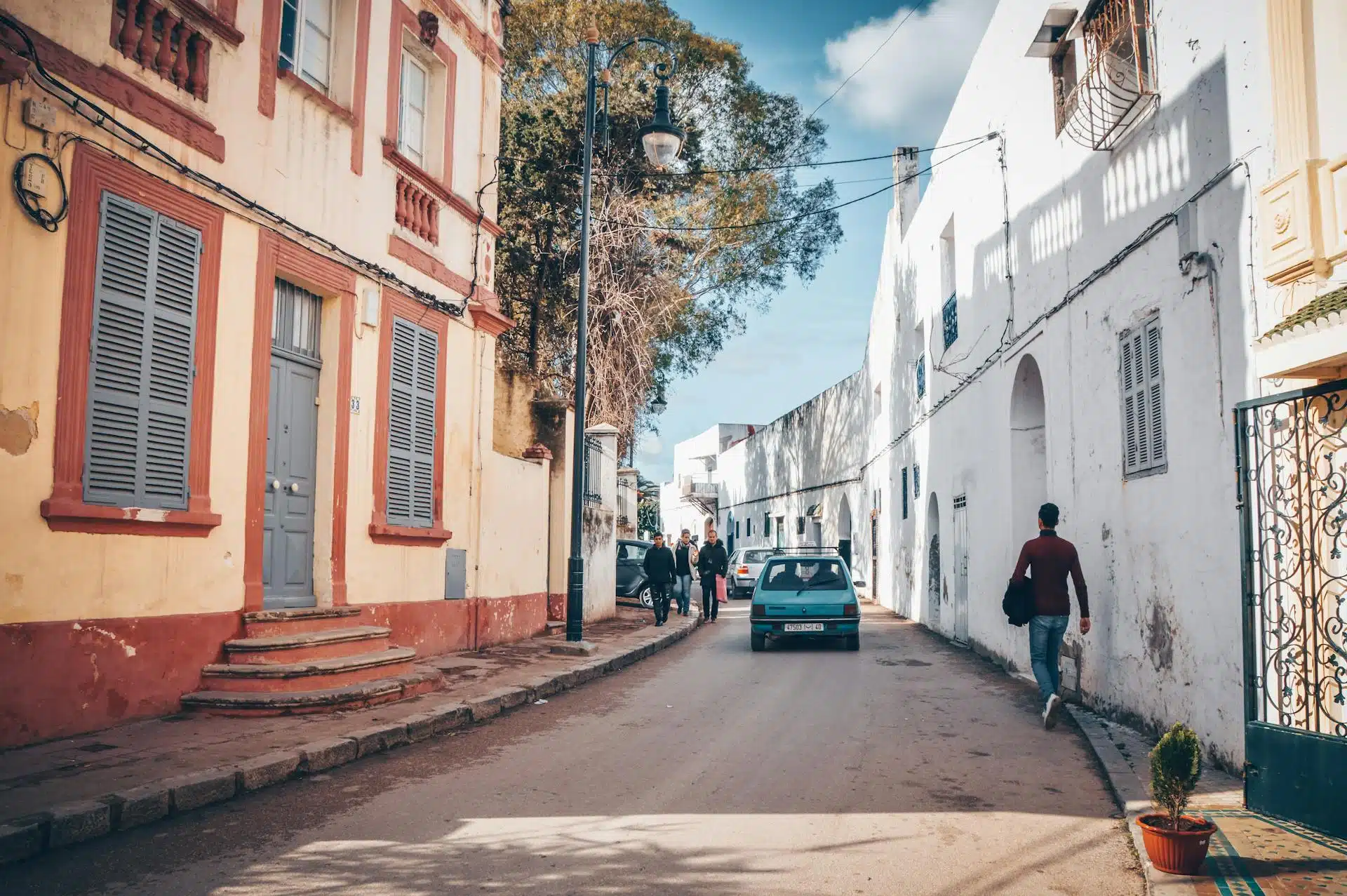

Every neighborhood has a feeling. Some feel warm and welcoming from the moment you drive in. Others feel tense, messy, or disconnected. People want to live in places that feel safe, clean, organized, and friendly. That kind of neighborhood does not happen by chance. It is built through small actions, good planning, and strong community support.
A big part of building a great neighborhood is having the right management structure in place. When a community has reliable support, daily life becomes smoother for everyone. If you want to see what strong support looks like, this guide to HOA management services in Myrtle Beach, SC shows how a well organized team can help keep a neighborhood running well.
Now let’s look at the pieces that turn an ordinary neighborhood into a place people love to call home.
Clear Rules Make Life Easier for Everyone
Rules are not meant to control people. They are meant to create order and fairness. In a good neighborhood, rules are clear, simple, and easy to follow. They help protect property values, keep homes looking nice, and reduce conflict between neighbors.
Clear rules help people understand:
- Where to park
- How to care for their yards
- When to take out trash
- How to use shared areas
When rules are unclear or ignored, the neighborhood starts to feel chaotic. One person may leave trash outside for days. Another may block driveways. Someone might let their yard get overgrown. Soon the whole community feels out of balance.
Clear rules keep everything steady.
Strong Communication Keeps the Community Connected
Good communication is one of the most powerful forces in a well run neighborhood. When people know what is going on, they feel more involved and more at ease. Communication does not have to be complicated. Even simple reminders or short updates can make a big difference.
Strong communication helps:
- Reduce misunderstandings
- Keep people informed
- Build trust
- Improve participation
People want to know about meetings, repairs, events, and any changes that may affect them. When communication is weak, rumors spread, confusion grows, and frustration builds.
A connected community is a stronger community.
A Clean Environment Makes People Feel Proud
People want to live in a clean neighborhood. Clean streets, tidy lawns, and well kept shared spaces make the area feel safe and welcoming. A clean environment also encourages people to take better care of their homes.
A well maintained neighborhood includes:
- Regular trash pickup
- Clean sidewalks
- Neat landscaping
- Clear storm drains
- Fresh paint on signs and fences
Clean spaces invite pride. When people feel proud of their neighborhood, they help protect it.
A messy community invites neglect. It tells people that no one cares, and soon, they stop caring too.
Safety Is a Key Part of a Good Neighborhood
Safety is not just about locks or alarms. It is about awareness, planning, and teamwork. When people feel safe, they enjoy their homes more. They walk outside more. They trust their neighbors more.
Ways to improve community safety:
- Keep streetlights working
- Add clear house numbers
- Report hazards early
- Watch out for one another
Safety improves when neighbors work together. A safe community supports strong friendships and reduces stress.
When safety is ignored, small issues become big risks.
Organization Keeps Everything Running
A neighborhood runs smoothly when the people in charge stay organized. This includes planning meetings, keeping records, handling payments, and sending updates. Organization reduces stress and keeps things moving in the right direction.
Good organization includes:
- Clear schedules
- Updated contact lists
- Easy ways to share information
- Simple ways to submit requests
When organization is strong, people trust the process. They feel confident that problems will be handled.
When organization is weak, projects stall, confusion grows, and people become frustrated.
Maintenance Protects the Community
Maintenance may not be exciting, but it is vital. Small repairs prevent big, expensive problems. When a neighborhood stays on top of maintenance, everything feels safer and more comfortable.
Maintenance includes:
- Fixing cracked sidewalks
- Repairing lights
- Cleaning gutters
- Upkeeping playgrounds
- Refreshing landscape areas
A well maintained neighborhood invites new families and keeps current residents happy.
When maintenance is ignored, the area starts to look worn down. People begin to worry about rising repair costs and declining property values.
Maintenance is the foundation of long term stability.
Fair Enforcement Creates Balance
Rules only work when they are applied fairly. Fair enforcement prevents tension and helps keep the neighborhood respectful and consistent.
Fair enforcement:
- Builds trust
- Protects property values
- Reduces conflict
- Encourages good habits
People feel reassured when they know rules are enforced in a fair, even way. When enforcement is uneven, people become frustrated. They start to feel like some neighbors get special treatment while others do not.
Balance keeps the peace.
Financial Stability Supports Long Term Success
A great neighborhood has a strong financial foundation. A solid budget helps protect homes, common spaces, and the future of the community.
Strong finances include:
- Clear budgets
- Emergency funds
- Fair and consistent fees
- Smart long term planning
When finances are strong, repairs get done quickly. Amenities stay updated. Sudden fee increases are rare. People trust that their money is used wisely.
Without financial planning, even small issues can become major setbacks.
Community Involvement Brings Life to the Neighborhood
A great neighborhood is not just well managed. It is also full of people who care. Community involvement does not need to be a big commitment. Even small actions make a big impact.
Simple ways to get involved:
- Greet neighbors
- Share ideas
- Report issues early
- Join a committee
- Attend meetings or events
When people feel connected, they take better care of their homes and help the whole neighborhood thrive.
When no one participates, the community feels empty and unwelcoming.
People build the heart of the neighborhood.
Final Thoughts
A neighborhood people want to live in is built on many small, powerful forces. Clear rules, strong communication, clean spaces, good safety habits, organized planning, proactive maintenance, fair enforcement, and community involvement all work together to create a place that feels safe, stable, and enjoyable.
When these pieces come together, the neighborhood feels warm and welcoming. When they fall apart, stress rises and the community loses its sense of pride.
The good news is that any neighborhood can improve. With simple steps and steady support, you can build a community people love to call home.

Journalist Chloe Rivera studied at the University of Missouri and has covered mindful, stylish living since 2013. She joined us in 2025 to curate realistic routines, budget-friendly décor, and community stories that help readers craft balance without perfection pressure. When offline, Chloe volunteers at urban farms, photographs street style, and hosts weekend swap parties for preloved clothes and books in her neighborhood.


