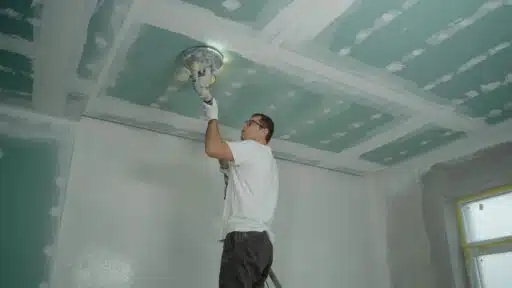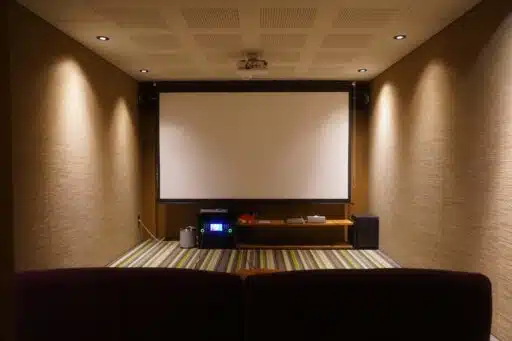
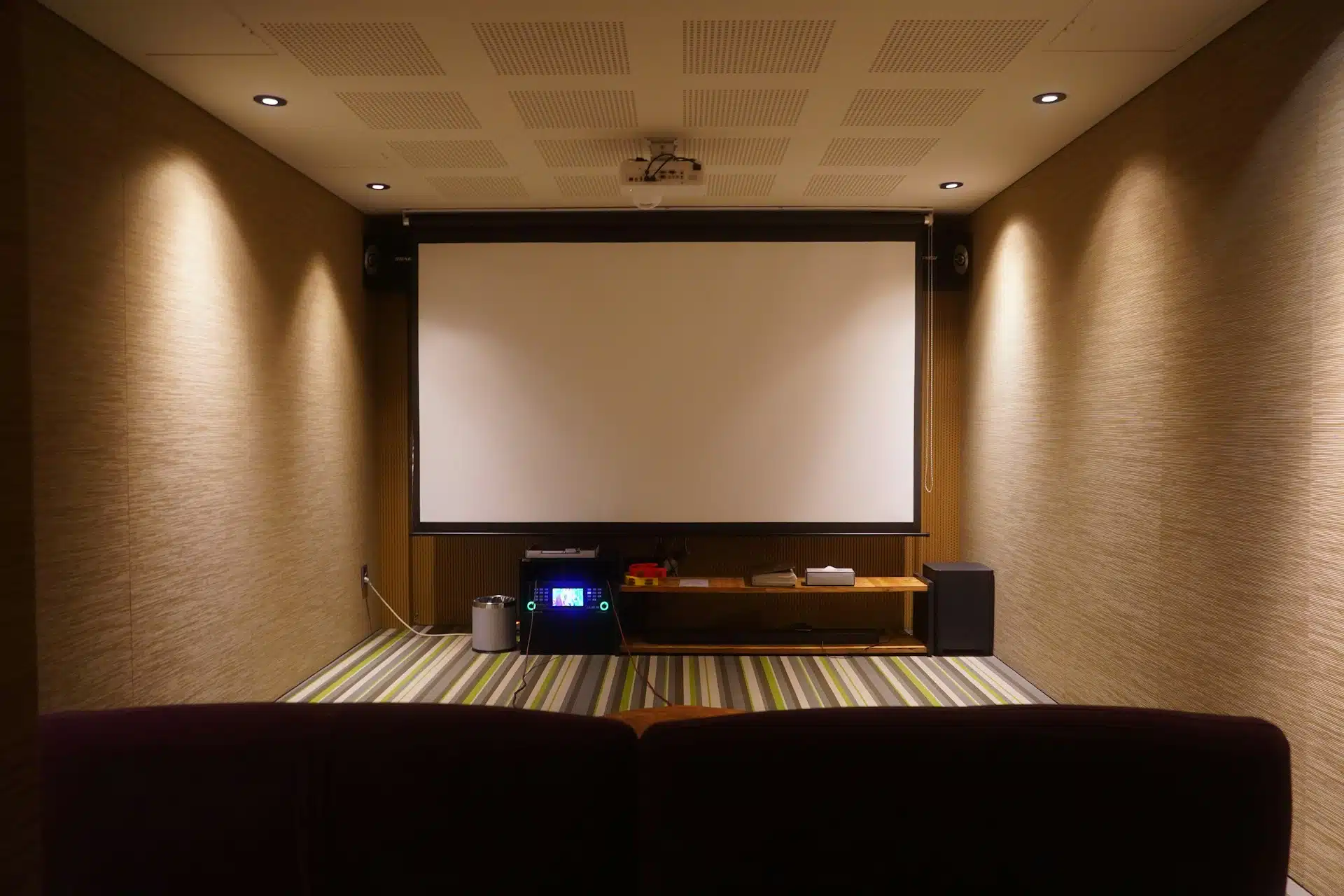

The magic of the cinema no longer requires a trip to the local multiplex. Modern technology allows you to replicate that immersive, floor-shaking experience right in your basement or spare bedroom.
Creating a dedicated space for films, gaming, and series binges transforms how you relax and connect with your family. Focus on the right tech and comfort, and you can build a sanctuary that rivals any commercial theatre.
Plan Your Space for Performance and Comfort
Selecting the right room serves as the foundation for your entire project.
Rectangular rooms typically outperform square ones because they minimize standing sound waves that muddy your audio. You should choose a space with minimal windows to reduce natural light interference, which often washes out your screen’s contrast.
Once you identify the room, you must calculate your seating distance based on the size of your screen. Placing bass traps in the corners of the room absorbs low-frequency energy that otherwise gathers there and creates a boomy sound.
High-frequency reflections also require management, so you should mount fabric-covered acoustic panels at the first reflection points on your side walls where sound bounces directly from the speakers to your ears.x
Choose the Right Audio-Visual Technology
Viewing habits have shifted dramatically, with households now prioritizing high-bandwidth streaming services for their daily entertainment.
This trend necessitates a robust 4K or 8K display, whether you opt for a massive OLED TV or a high-end laser projector. Projectors offer that authentic big screen feel for dedicated dark rooms, whereas large-panel TVs provide superior brightness and HDR performance in spaces where you cannot perfectly control the light.
Because streaming 4K content puts immense pressure on your home network, you should prioritize hardwired Ethernet connections for your primary playback devices. Using a physical cable instead of relying solely on Wi-Fi ensures a stutter-free experience when you stream the latest blockbuster.
Protect Your Devices and Network
As you populate your media room with smart TVs, gaming consoles, and streaming sticks, you increase the number of entry points into your home network.
Cybercriminals frequently target these connected devices because they often lack the robust security found on computers or smartphones. You can enhance your privacy by setting up a guest network specifically for your media hardware, which isolates these devices from your sensitive personal data.
For those who use mobile devices to cast content or manage their media libraries, securing the connection is a vital step. You might consider using a free VPN for Android to encrypt your data traffic and mask your IP address when interacting with third-party streaming apps.
Optimize Lighting, Seating, and Smart Controls
The final layer of a professional media room involves the atmosphere you create through lighting and ergonomics.
You should implement a layered lighting scheme that includes dimmable pot lights for general visibility and low-profile LED strips behind the screen to reduce eye strain. Blackout curtains effectively eliminate glare, allowing you to enjoy a matinee as if it were midnight. Comfortable seating ensures you can sit through a three-hour epic without feeling restless.
You can tie the whole experience together by integrating a smart home hub. With one voice command or a single tap on a remote, your lights should dim, the blinds should close, and the sound system should power on to the correct input.

With a Master in Architectural Studies from University of Pennysylvania, Marwa Haydar has pioneered living spaces since 2005. Her expertise, initially honed in a prestigious architectural firm, is evident in her approach to creating environments. Marwa became part of our team in 2019 and has since been a driving force in our home improvement section, known for her practical yet stylish solutions. She’s been spearheading our design workshops since then, infusing her passion for teaching into her work. In her leisure time, Marwa enjoys exploring historic architecture and is an enthusiastic pottery hobbyist, further enriching her understanding of form and texture.