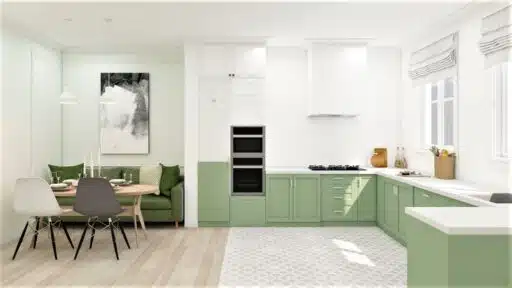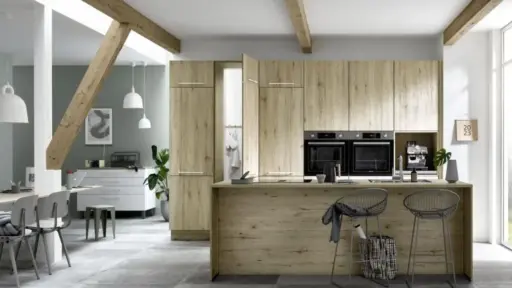
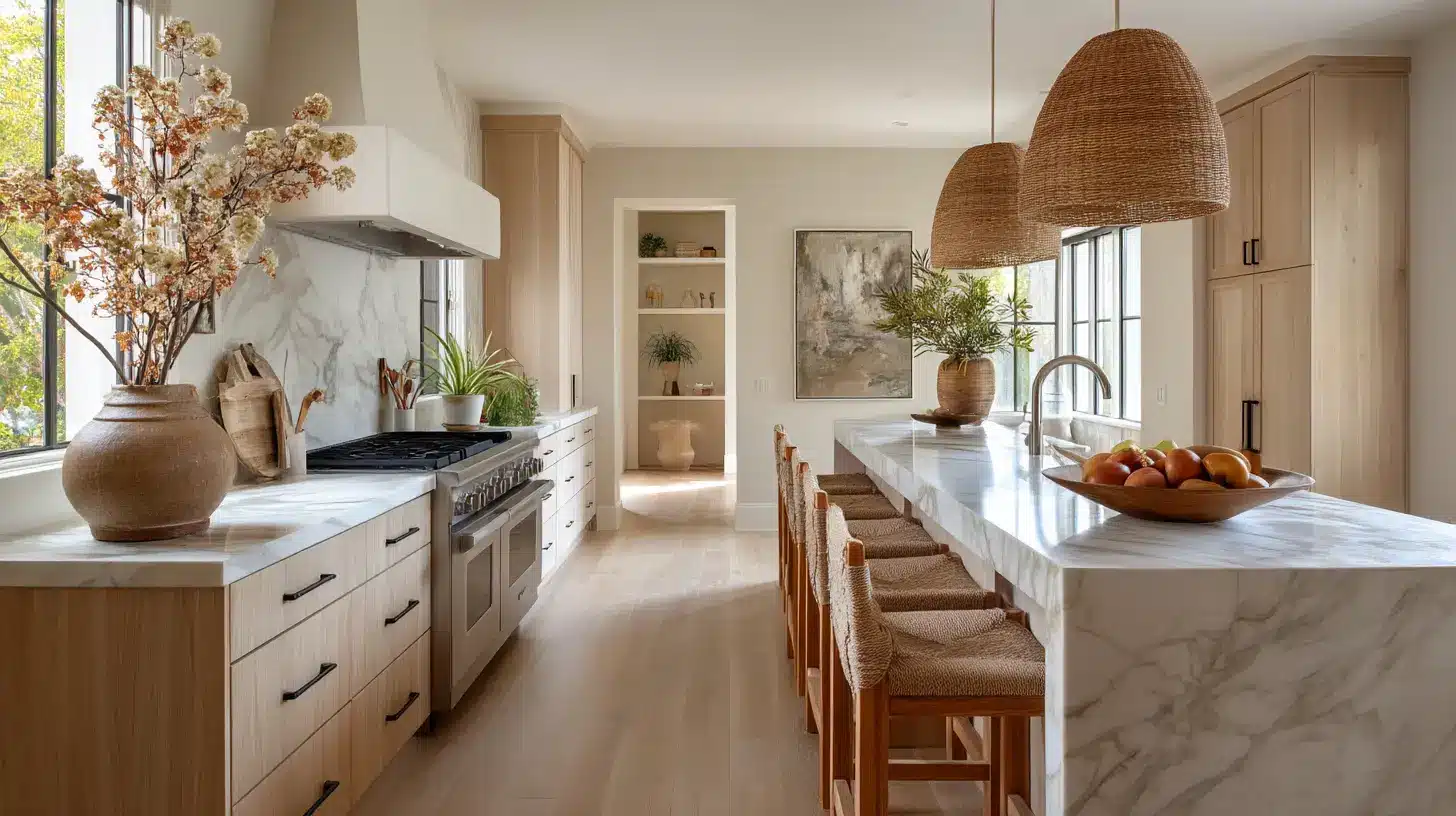

Designing a kitchen is one of the most exciting and important parts of improving a home. The kitchen is no longer just a place to cook meals. It has become a gathering space for family, a hub for entertaining guests, and often a focal point of the entire house. Because of this, a well-designed kitchen must balance both functionality and style.
If you are planning a renovation or building a new kitchen from scratch, thoughtful design can make the difference between a space that feels cramped and inefficient and one that works seamlessly with your lifestyle. Understanding layout planning, storage solutions, materials, and lighting will help ensure the finished kitchen looks great and functions efficiently for years to come.
Below is a step-by-step guide that explains how to design a kitchen that is both practical and visually appealing.
Start With a Clear Vision for Your Kitchen
Before choosing cabinets, countertops, or appliances, the first step is understanding what you want your kitchen to accomplish. A clear vision helps guide every design decision that follows.
Identify Your Kitchen’s Primary Purpose
Some kitchens are designed primarily for cooking, while others function as social spaces where people gather, eat, and entertain. Determining how you plan to use the kitchen will influence your layout, appliance choices, and overall design.
For example, avid cooks may prioritize countertop workspace and high-performance appliances, while homeowners who frequently host guests may want a larger island or open-concept layout that connects to dining and living areas.
Consider Your Household’s Lifestyle
Your daily habits should shape the design of your kitchen. Think about how many people use the kitchen regularly and how they move through the space. Families with children may need durable surfaces and more storage, while smaller households may prefer a minimalist design.
Taking time to evaluate your routine helps ensure the kitchen supports your lifestyle rather than working against it.
Choose the Right Kitchen Layout
The layout is one of the most important decisions in kitchen design because it directly impacts how efficiently the space functions.
Understanding the Kitchen Work Triangle
The traditional kitchen work triangle connects the sink, stove, and refrigerator. This concept helps minimize unnecessary movement while cooking by positioning the three primary work areas within comfortable reach.
While modern kitchens may include additional appliances and prep areas, the work triangle remains a useful guideline for maintaining efficient workflow.
Popular Kitchen Layouts to Consider
Several layout styles work well depending on the size and shape of the room.
Galley kitchens use two parallel counters and are highly efficient for smaller spaces.
L-shaped kitchens provide flexibility and often work well in open-concept homes.
U-shaped kitchens maximize countertop and storage space by using three walls.
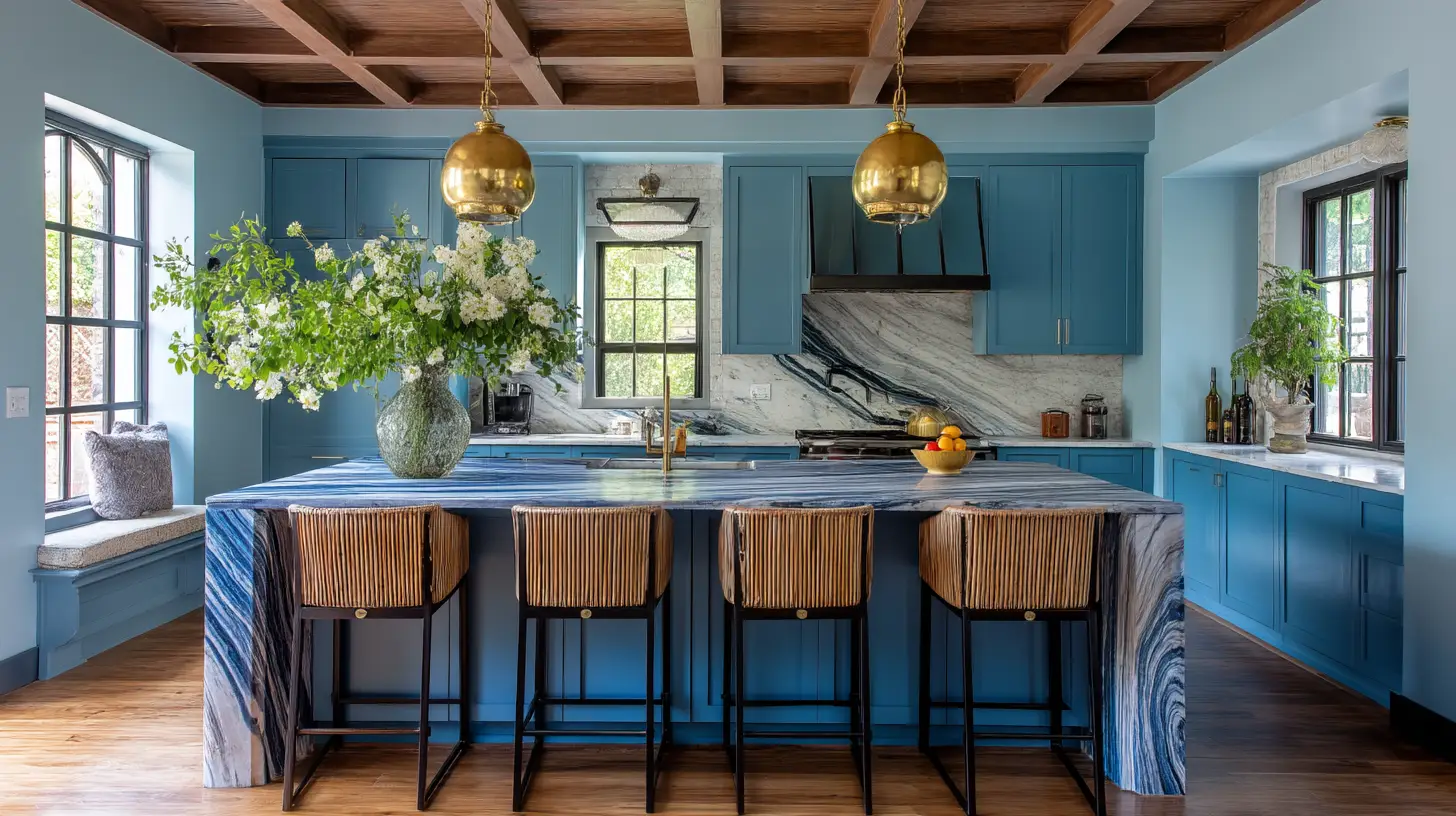
Island kitchens create additional prep space and seating while improving traffic flow.
Open-concept kitchens connect with adjacent living spaces, making them ideal for entertaining.
Choosing the right layout depends on the available space, traffic flow, and how the kitchen interacts with surrounding rooms.
Plan Functional Kitchen Zones
Modern kitchen design often focuses on zones rather than relying solely on the work triangle. A zoned kitchen divides the space into specific functional areas that allow multiple people to work comfortably at the same time.
The Prep Zone
The prep zone includes countertop space used for chopping, mixing, and preparing ingredients. Ideally, this area should be located near the refrigerator and pantry for easy access to food items.
The Cooking Zone
The cooking zone typically centers around the stove, oven, and ventilation system. Keeping cookware, utensils, and spices nearby helps streamline meal preparation.
The Cleaning Zone
The cleaning zone includes the sink, dishwasher, and waste disposal areas. This zone should be positioned so dishes can move easily from cooking to cleaning without interfering with food preparation areas.
The Storage Zone
A dedicated storage zone helps keep the kitchen organized and clutter-free. This area may include cabinets, drawers, pantry shelving, and specialty storage features designed to keep ingredients and cookware accessible.
Organizing a kitchen around these zones creates a smoother workflow and improves overall efficiency.
Prioritize Smart Storage Solutions
Storage is often one of the most overlooked aspects of kitchen design, yet it plays a crucial role in keeping the space functional and organized.
Cabinet Layout and Organization
Modern kitchens increasingly rely on drawers instead of traditional cabinets because they allow easier access to cookware and utensils. Deep drawers for pots and pans, pull-out shelves, and built-in organizers can dramatically improve usability.
Corner cabinets with rotating shelves or pull-out mechanisms also help eliminate wasted space.
Maximizing Small Kitchen Spaces
In smaller kitchens, maximizing vertical storage can make a significant difference. Tall cabinets, open shelving, and wall-mounted storage solutions help keep countertops clear while maintaining easy access to everyday items.
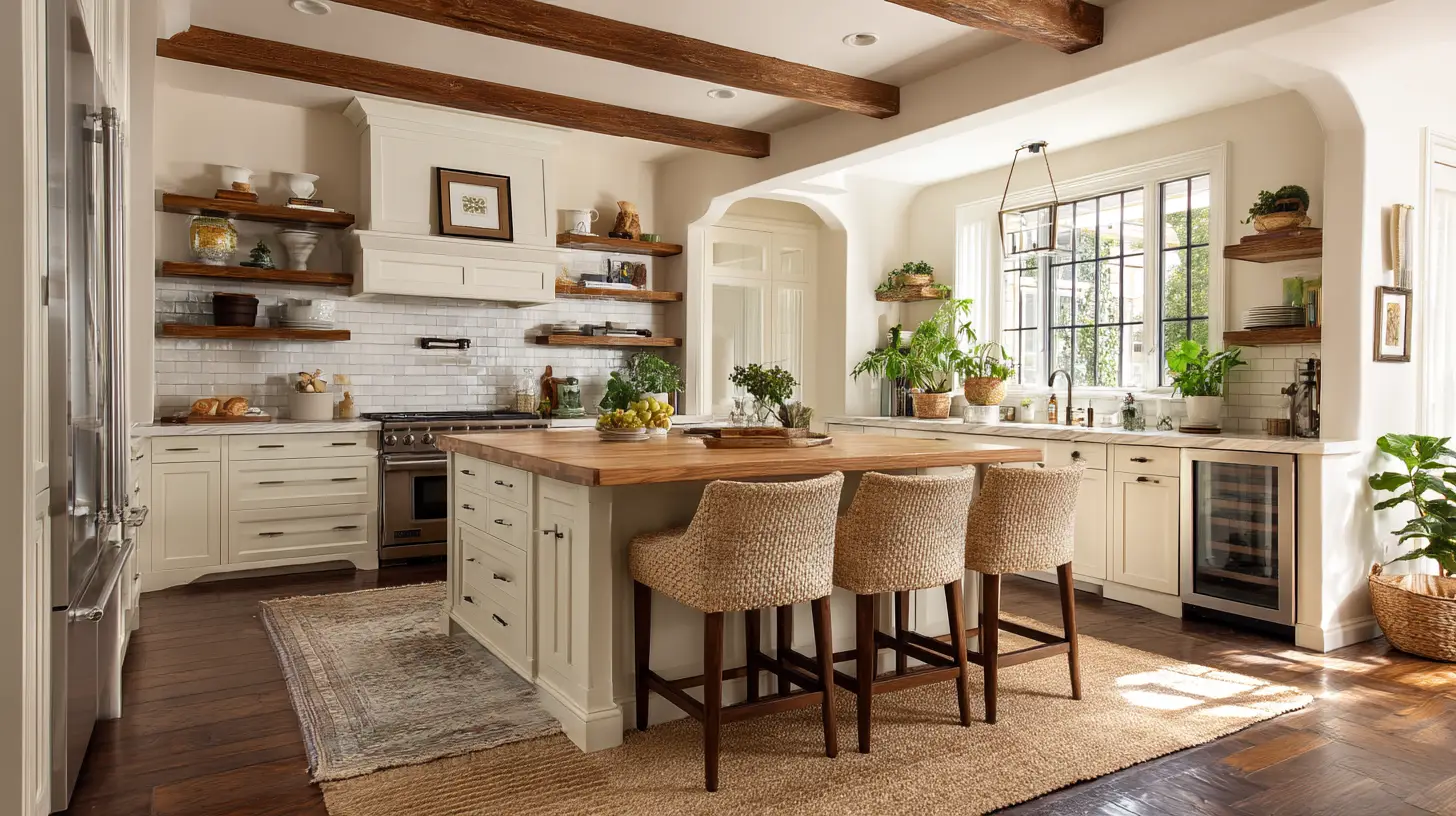
Kitchen islands can also serve as multi-purpose storage units by incorporating cabinets, drawers, and seating into one central structure.
Select Materials That Balance Durability and Style
The materials you choose will shape both the appearance and longevity of your kitchen. Selecting surfaces that are durable, easy to maintain, and visually appealing ensures your design remains practical over time.
Countertops and Work Surfaces
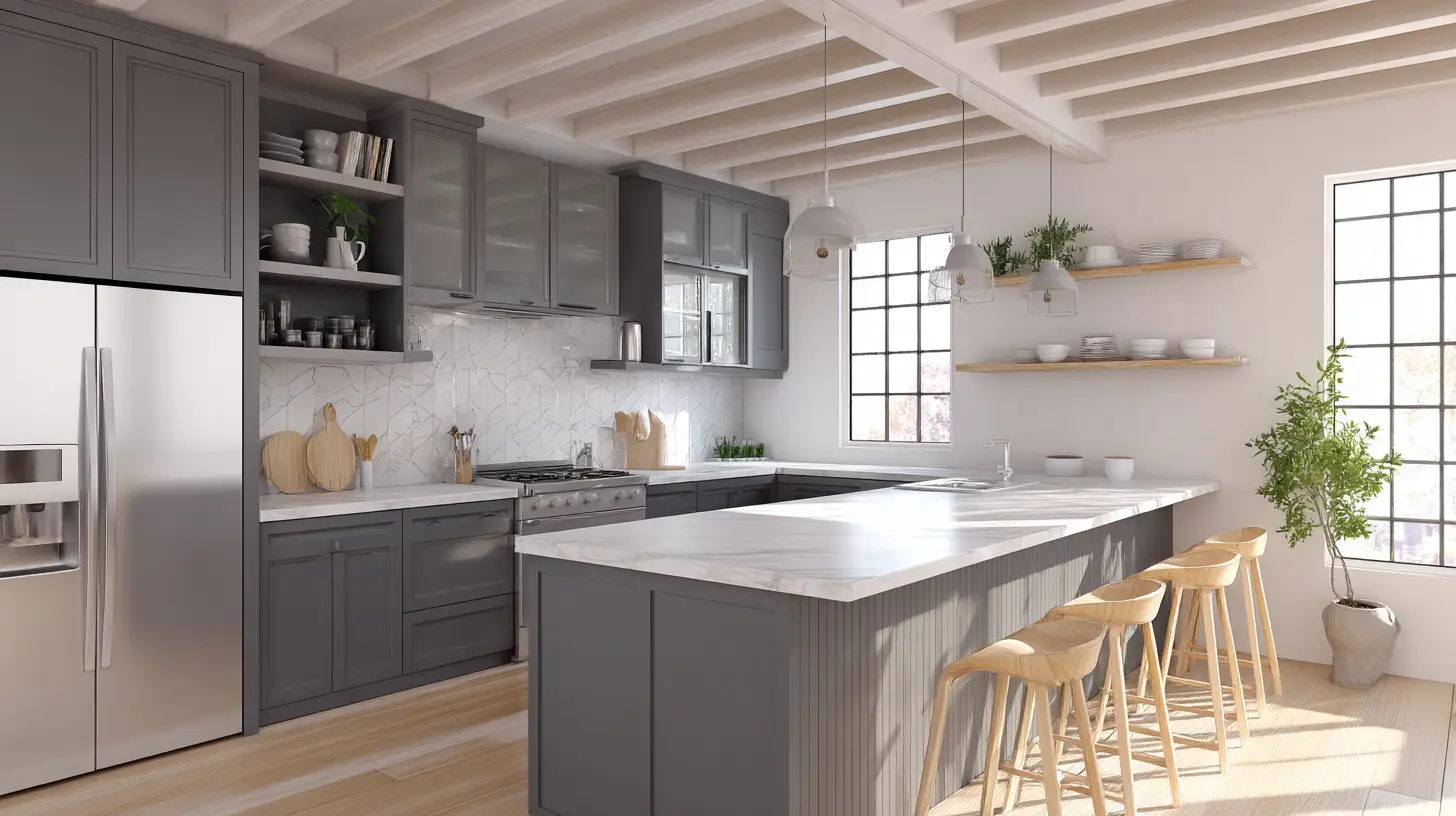
Quartz countertops are popular for their durability and low maintenance. Granite provides natural beauty and heat resistance, while marble offers a luxurious appearance that many homeowners love.
Each material has its own advantages, so it is important to consider how the surface will perform with everyday use.
Cabinet Materials and Finishes
Cabinets often define the overall aesthetic of the kitchen. Solid wood cabinets provide a classic appearance, while painted finishes offer a clean, modern look. Laminate and engineered materials can provide cost-effective alternatives that still deliver durability and style.
Neutral cabinet colors tend to age well and allow flexibility when updating décor later.
Flooring Options for High-Traffic Kitchens
Kitchen floors must withstand heavy foot traffic, spills, and regular cleaning. Tile remains one of the most durable options, while engineered hardwood and luxury vinyl flooring provide warmth and comfort while still offering resilience.
Choosing a floor that complements the cabinets and countertops helps unify the overall design.
Lighting and Appliances Complete the Design
Lighting and appliance placement significantly affect both functionality and ambiance in the kitchen.
Layered Kitchen Lighting
A well-designed kitchen includes multiple layers of lighting.
Task lighting illuminates areas used for food preparation and cooking.
Ambient lighting provides general illumination throughout the room.
Accent lighting highlights architectural details, cabinets, or decorative elements.
Combining these layers ensures the kitchen remains both practical and inviting.
Appliance Placement and Integration
Strategic appliance placement improves workflow and helps maintain a clean design. Built-in appliances, hidden refrigerators, and integrated dishwashers allow the kitchen to maintain a cohesive appearance.
Many homeowners are also incorporating smart appliances that improve energy efficiency and convenience.
Use Design Resources to Refine Your Kitchen Plan
Designing a kitchen often involves many decisions, from layout planning to selecting materials and appliances. Exploring different design ideas can help homeowners refine their vision before beginning a renovation.
Many homeowners researching kitchen layouts, remodeling ideas, and design inspiration explore resources such as Kitchen Search, which provides helpful information for planning kitchen projects and understanding different renovation possibilities.
Reviewing multiple design examples can help you identify what works best for your space and lifestyle.
Final Tips for Designing a Kitchen That Lasts
A successful kitchen design combines careful planning with practical decision-making. While trends can be inspiring, functionality should always come first.
Choosing durable materials, prioritizing storage, and maintaining efficient workflow will ensure your kitchen remains comfortable and usable long after the renovation is complete. Taking time to research layouts, materials, and design options can also prevent costly changes later in the project.
Homeowners who want to explore additional kitchen ideas and remodeling resources often turn to platforms like Kitchen Search to compare concepts and better understand how different design elements come together.
Conclusion
Designing a kitchen requires thoughtful planning, but the effort pays off in a space that is both functional and enjoyable to use. By starting with a clear vision, choosing the right layout, organizing the space into functional zones, and selecting durable materials, homeowners can create kitchens that support daily life while adding long-term value to their homes.
With careful design and the right resources, any kitchen can become a beautiful and efficient centerpiece of the home.

NKBA-certified designer Harper Williams holds a degree in Interior Architecture from Auburn University and has specialized in high-function kitchens and spa-inspired baths since 2011. She joined us in 2024 to simplify layout planning, fixture selection, and budget tricks for remodelers. Away from CAD files, Harper restores vintage cookstoves and crafts small-batch soaps.