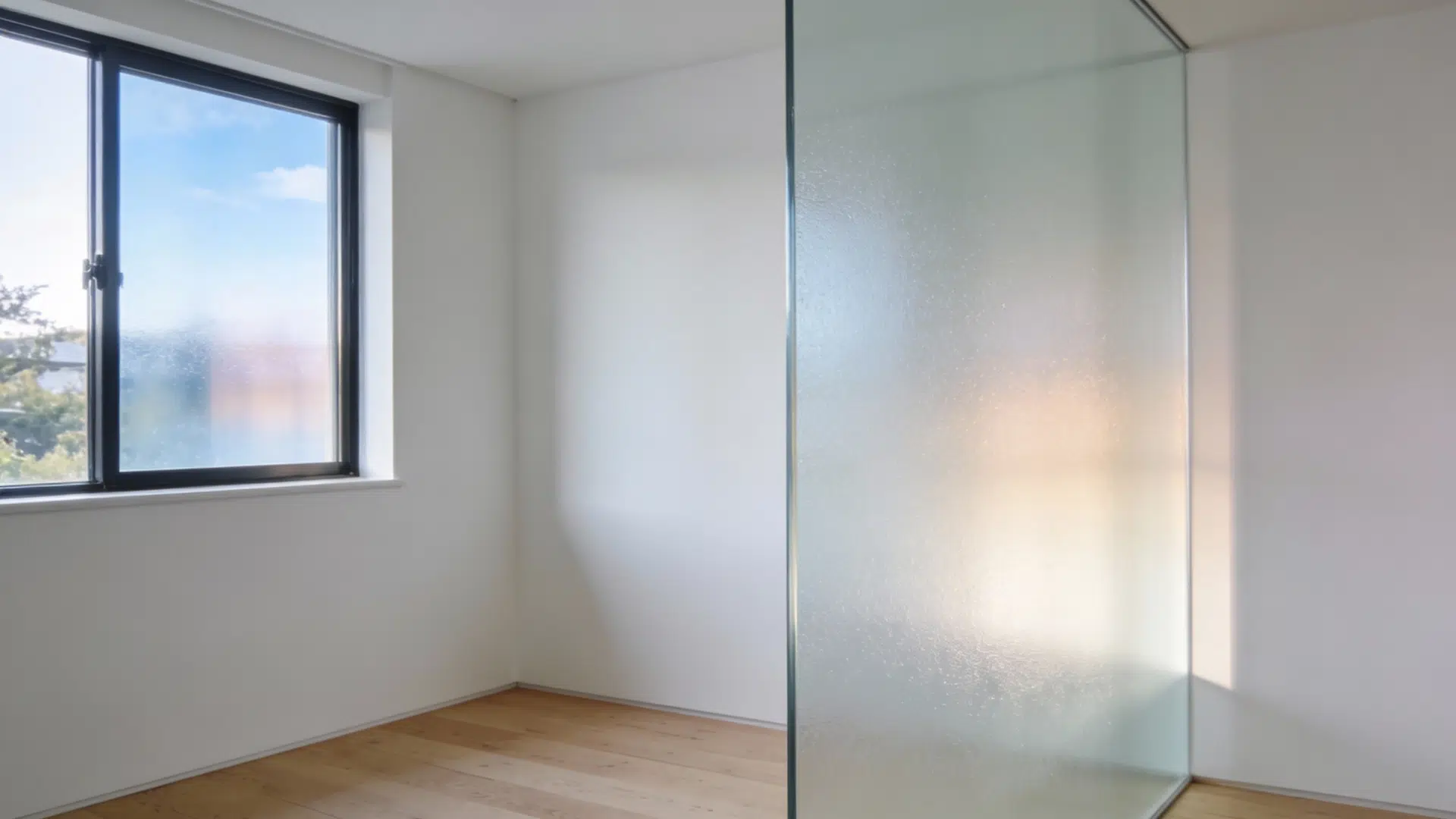

Privacy matters in your home, but you don’t want to block all the natural light coming through your windows.
Frosted glass solves this problem by creating a barrier that limits visibility while still letting brightness fill your rooms.
Many homeowners struggle to find affordable ways to add this privacy feature without replacing entire windows or hiring professionals.
The good news is that frosting glass yourself is simpler than most people think.
This guide will walk you through some proven methods to frost glass, from permanent solutions like sandpaper and acid etching to temporary options like films and sprays.
You’ll learn which technique works best for your specific needs, budget, and skill level.
What is Frosted Glass?
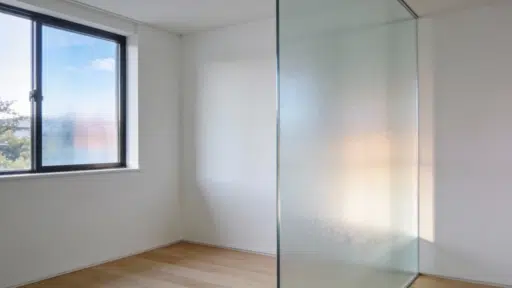
Frosted glass is a surface-treated glass that limits clear visibility while still allowing light to pass through.
Instead of blocking sunlight completely, it softens the view, making shapes and movement less visible.
This balance makes frosted glass a common choice for spaces where privacy matters but brightness is still needed.
The frosted effect can be created permanently by altering the glass surface or temporarily by adding removable layers.
Many homeowners use frosted glass for windows, doors, and interior panels to improve comfort without darkening the room.
Purpose of Frosted Glass
The main purpose of frosted glass is privacy. Frosted glass serves both functional and visual needs by balancing privacy with natural light.
- Limits direct visibility while allowing light to pass through
- Improves privacy without darkening indoor spaces
- Reduces glare from direct sunlight
- Softens the intensity of harsh light
- Helps maintain a clean and simple visual finish
- Commonly used in bathrooms, basements, offices, and entryways
6 Methods to Frost Glass
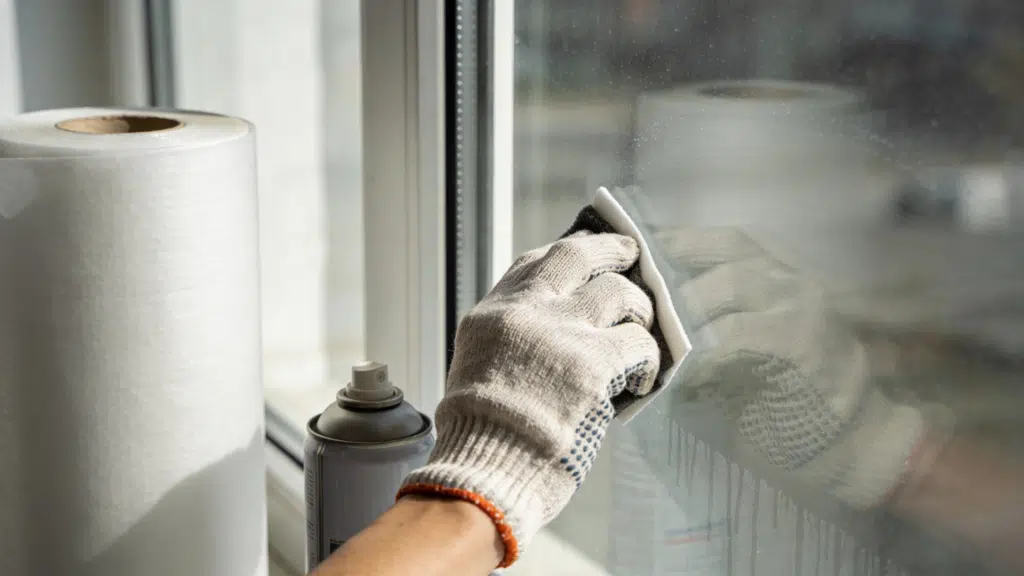
There are multiple ways to frost glass, depending on whether the goal is a permanent finish or a removable option. Each method varies in cost, effort, and durability.
1. How to Frost Glass With Sandpaper?
Sandpaper creates a frosted effect by lightly scratching the glass surface. Start by cleaning the glass thoroughly to remove dust and grease.
Use fine-grit sandpaper, ideally between 400 and 600 grit.
Rub the glass evenly using circular motions, keeping pressure consistent. Rinse the surface periodically to check progress.
Once the desired opacity is reached, clean the glass again to remove residue. This method is permanent and works best for small sections.
2. How to Frost Glass With Acid?
Acid etching uses a chemical cream designed to alter the glass surface.
After cleaning the glass, apply the etching cream according to the product instructions. Allow it to sit for the recommended time, then rinse thoroughly with water.
This method produces an even and long-lasting finish. Protective gloves, eye protection, and good airflow are essential during application.
3. How to Make Frosted Glass With Glue?
A glue-based method creates a temporary frosted look. Mix white glue with water until it reaches a thin, paint-like consistency.
Apply the mixture using a sponge or soft brush, working in even strokes. Let it dry fully before touching the surface.
This option is low-cost and removable, making it suitable for short-term privacy needs.
4. How to Frost Glass in a Freezer?
Placing clean glass in a freezer causes condensation and surface fogging, creating a frosted appearance.
This effect is brief and fades as the glass warms. It is mainly used for decorative displays or photography rather than privacy solutions.
5. How to Frost Glass Using Frosted Glass Spray?
Frosted glass spray is a popular store-bought option. Before spraying, cover window frames and surrounding areas.
Apply light, even coats from a steady distance. Allow each layer to dry before adding another. Please note that this is a permanent way of getting a frosted glass effect.
Several coats may be needed for proper coverage. While effective, uneven spraying can cause blotchy results, and cleaning the surface later may be difficult.
6. How to Frost Glass Using Frosted Glass Film?
Frosted glass film is one of the easiest and most flexible options.
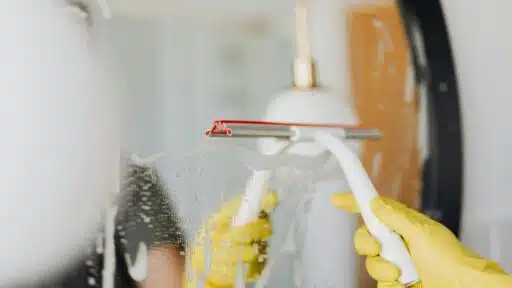
Measure the glass accurately and cut the film to size. Apply water to the glass surface, place the film, and smooth out air bubbles using a squeegee or card.
Films come in different opacity levels and designs. They can be removed without damage, making them ideal for rental spaces.
Choosing the Right Frosted Glass Method for Your Space
Choosing the right frosting method depends on how long the result is needed and how much flexibility the space requires.
Some techniques permanently change the glass surface, while others allow easy removal.
| Factor | Permanent Frosted Glass Methods | Temporary Frosted Glass Methods |
|---|---|---|
| Common methods | Sandpaper, acid etching | Films, glue mixtures, freezer effect |
| Durability | Long-lasting and fixed | Short- to medium-term |
| Removal | Cannot be removed once applied | Can be removed without damage |
| Surface impact | Alters the glass surface | Does not change the glass |
| Best for | Owned homes and fixed installations | Rental homes or flexible setups |
| Application effort | Requires careful handling | Easier and quicker to apply |
| Maintenance | Minimal once completed | May need reapplication over time |
| Flexibility | No adjustment after application | Easy to adjust or replace |
Summary:
Permanent methods work well for long-term privacy needs, while temporary options suit spaces where flexibility, easy removal, and low commitment matter.
What Reddit Users Say About DIY Frosted Glass?
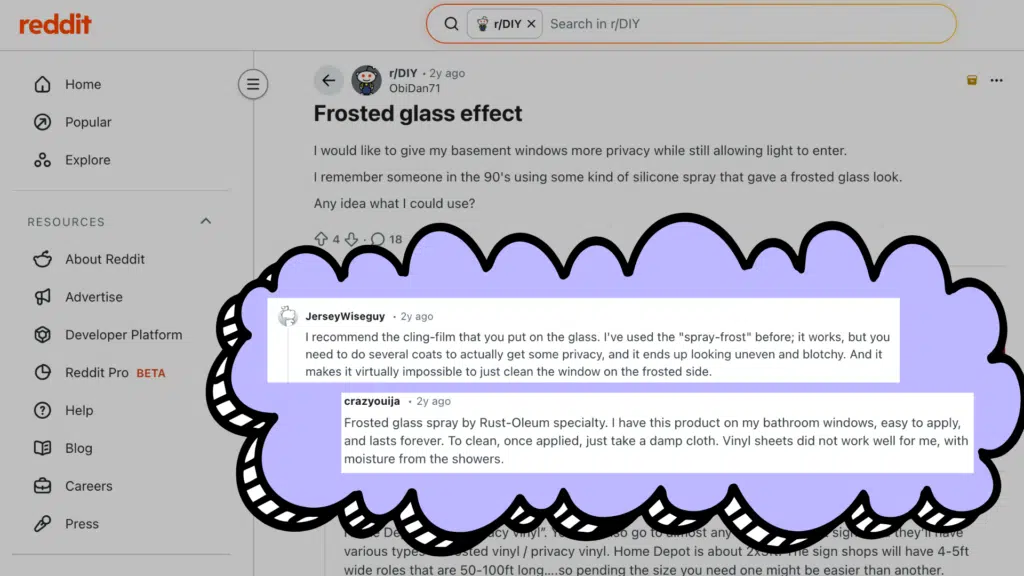
Discussions from DIY-focused Reddit users show a strong preference for frosted films and vinyl solutions.
Many users mention privacy vinyl from home improvement stores as a cleaner and simpler alternative to sprays.
Static cling films are often praised for easy adjustment and removal. Spray products are described as effective but requiring careful application to avoid streaks and uneven coverage.
Some users report difficulty cleaning sprayed glass later. In moisture-heavy spaces, opinions vary, with some favoring sprays and others recommending films designed for wet areas.
Overall, removable films receive the most consistent positive feedback.
Safety Tips Before Frosting Glass at Home
Frosting glass involves tools, chemicals, and sprays that require careful handling. Basic safety steps help prevent damage and injury.
Taking these precautions helps ensure the process stays safe and the results look clean and controlled:
- Wear gloves to protect your hands from chemicals and abrasions
- Use eye protection when sanding or applying sprays
- Ensure good airflow when working with etching creams or sprays
- Mask window frames, walls, and nearby surfaces
- Follow product instructions closely for chemical use
- Keep children and pets away during application
Conclusion
Frosting glass is a practical way to add privacy without sacrificing light.
From permanent options like sandpaper and acid etching to removable solutions such as films and glue mixtures, each method serves a different purpose.
Temporary approaches work well for renters or short-term needs, while permanent finishes suit long-term installations.
Feedback from DIY users highlights frosted films as a balanced choice for ease, appearance, and flexibility.
Before choosing a method, consider the location, moisture exposure, and how permanent the result should be.
Share experiences or tips in the comments to help others choose the right solution.

With a Master’s in Architecture from the University of California, Berkeley, Alexander Martin has dedicated the last 18 years to enhancing outdoor living through thoughtful and robust structure design. His career kicked off in urban planning, giving him a unique perspective on integrating structures into diverse environments. In 2019, Alexander brought his expertise to our website, offering insights into creating versatile outdoor spaces. Since then, he has been the lead advisor for our outdoor design projects and is known for his ability to merge functionality with environmental consciousness. Alexander enjoys rock climbing outside of work and participates in community development projects, activities that reflect his passion for the outdoors and sustainable design.