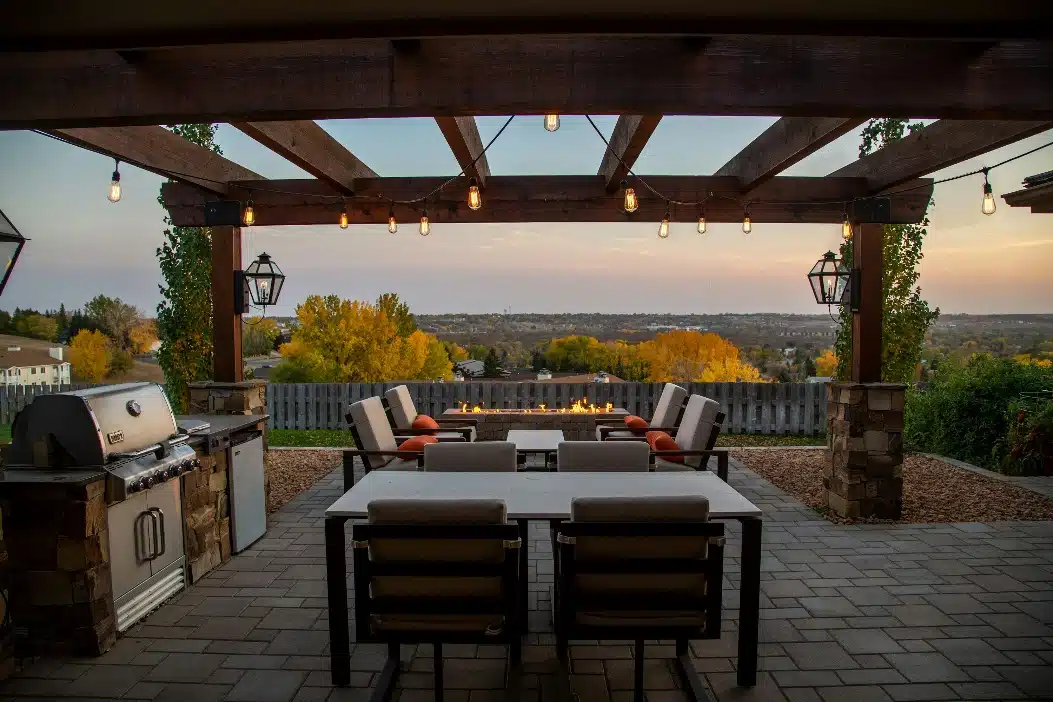

Living in Las Vegas, Nevada means enjoying sunshine for most of the year, which makes outdoor spaces incredibly valuable. A patio that sits empty or underused is a missed opportunity. With the right upgrades, your patio can function as a true extension of your home, comfortable enough to use in the scorching summer heat and the cooler winter evenings alike.
Turning that space into a year-round outdoor living area takes some planning, but the payoff is enormous. You get extra square footage for entertaining, relaxing, and spending time with family without ever stepping inside.
Choosing the Right Overhead Protection
The single most important decision you will make when upgrading your patio is what goes overhead. Without proper cover, the desert sun makes any outdoor space unbearable for several months out of the year. You need something that blocks direct sunlight, handles the occasional rain, and holds up against wind without requiring constant maintenance.
There are several options to consider. Fabric awnings offer shade but tend to wear out quickly under intense UV exposure. Wood pergolas look beautiful but demand regular upkeep to prevent cracking and warping in dry climates. For homeowners who want durability without the maintenance headaches, Alumawood patio covers in Las Vegas have become a popular choice because they mimic the appearance of real wood while resisting the kind of weather damage that comes with desert living.
Whatever direction you go, make sure the structure is permanently anchored and built to local code so it can handle the wind gusts that roll through the valley. Once you have reliable overhead coverage, the rest of your year-round patio plan falls into place much more easily.
Keeping Cool When Temperatures Climb
Shade is a great start, but it is not enough on its own when temperatures push past 110 degrees. You need active cooling solutions to make the space genuinely usable during summer.
Misting systems are one of the most effective tools available. Mounted along the edges of your patio cover, they release a fine spray that evaporates almost instantly in the dry air, dropping the surrounding temperature noticeably. Ceiling fans designed for outdoor use also help circulate air and create a breeze that makes a real difference.
Think about your flooring, too. Concrete and stone absorb and radiate heat, so consider using outdoor rugs or interlocking deck tiles that stay cooler underfoot. Lighter colors reflect more sunlight and keep surface temperatures down compared to darker materials.
Positioning also matters. If your patio faces west, you are catching the full force of the afternoon sun. Adding shade sails, privacy screens, or even strategic landscaping on that side can cut down the heat significantly.
Staying Comfortable During the Cooler Months
Las Vegas winters are mild compared to most of the country, but evenings can still dip into the 30s and 40s. If you want to use your patio from October through March, you need a way to add warmth.
A fire pit or fire table serves double duty here. It provides heat and creates a natural gathering spot that anchors the space socially. Propane and natural gas options are clean and easy to operate, and they put out enough warmth to keep a seating area comfortable on chilly nights.
Outdoor heaters, either freestanding or mounted to your patio cover, are another solid option. They work well for larger areas where a fire feature alone might not reach. Pair either of these with cozy outdoor throw blankets and weather-resistant cushions, and your patio becomes a space people actually want to sit in, even when the temperature drops.
Designing for Function and Comfort
A patio that works year-round needs to be more than just a covered slab with a couple of chairs. Think of it the same way you would think about designing an indoor room. It needs zones, purpose, and flow.
Start with seating. A quality outdoor sofa or sectional gives people a reason to stay and get comfortable. Add a dining area if you have the space, because eating outside is one of the simplest pleasures of patio living. A small bar cart or serving station makes entertaining easier and keeps you from running back and forth to the kitchen.
Lighting is another element that often gets overlooked. String lights create warmth and ambiance. Recessed lights or sconces built into the patio cover provide functional illumination for cooking or reading. Solar-powered path lights can define the edges of the space and make it feel intentional after dark.
Adding an Outdoor Kitchen or Cooking Area
If you really want to elevate your patio into a living space that rivals your indoors, adding a cooking area changes everything. Even a simple setup with a built-in grill and some counter space makes a huge difference in how often you use the patio and how long you stay out there.
For a more complete setup, consider adding a small sink with running water, a mini refrigerator rated for outdoor use, and enough counter space to prep and plate food. Use materials like stone or tile that can handle heat, moisture, and sun exposure without deteriorating.
Position your cooking area so that smoke and heat vent away from the main seating zone. Nobody wants to sit in a cloud of grill smoke while trying to relax. A little bit of separation between the cooking and lounging areas goes a long way toward keeping the whole space enjoyable.
Making It Personal
The finishing touches are what turn a functional patio into a space that actually feels like yours. Potted plants and container gardens bring life and color without the irrigation demands of a full landscape. Desert-friendly species like agave, bougainvillea, and ornamental grasses thrive in the local climate with minimal water.
Outdoor curtains or retractable screens add privacy and a sense of enclosure that makes the patio feel more like a room and less like an open slab. They also help block wind and dust when conditions pick up.

Holding a Master’s in Architecture from the University of Texas at Austin, Emily Rodriguez has dedicated more than two decades to the art and science of building renovation. Starting her journey in historic preservation, she developed a profound respect for blending old with new in building design. Emily became a vital part of our team in 2019, renowned for her insightful and innovative renovation tips. She has been leading our DIY home improvement series since ever since, where she shares her wealth of knowledge in turning outdated spaces into modern havens. When not engaged in writing or consulting, Emily is a passionate advocate for heritage conservation and enjoys exploring vintage architecture, a hobby that complements her professional expertise.