
Gas powers everything from heating to cooking in millions of homes across Australia, being an indispensable utility. There are around five million houses across the country connected to the natural gas network, and an additional two million more using bottled gas.
While gas is an important utility and millions of Australians rely on it every day, it can be dangerous. Gas leaks can cause significant property damage and also pose a health risk to you and your family.
From the years 2022 to 2023, there were over 6,000 gas leaks reported by the public, according to a report from the Essential Services Commission of South Australia. While most of these were detected and fixed in a suitable time, it’s important to understand how to recognise a gas leak and the services available.
If you’re concerned about leaks, residential gas leak detection by The Leak Detector is a service run by experienced experts who can detect and determine the root cause of a leak. This can ensure that you, your family, and your home are safe, with minimal disruption to your daily routine.
What is a gas leak?
Gas leaks occur when gas escapes from a container, like a pipe, into the surrounding environment. Leaks can come in many sizes and varieties. Natural gas used in homes primarily consists of methane.
Methane is a colourless, odourless, and highly flammable gas that is composed of carbon and hydrogen. In homes, it is commonly used to cook food and heat water. Gas leaks can occur both inside and outside of your home.
The most common sources of gas leaks include:
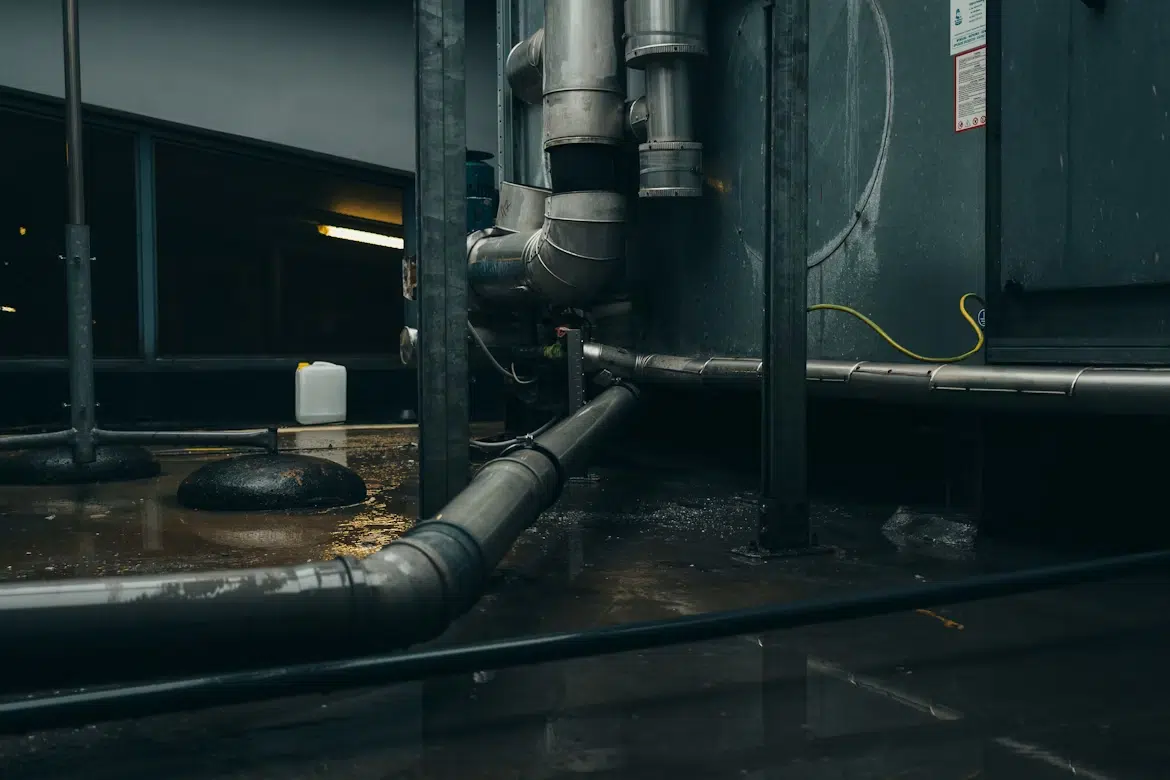
Gas pipes: Gas pipelines are how your local utility company transports natural gas from a facility to your house. These are located outdoors, and they may leak due to corrosion, extreme weather, or improper installation.
Indoor gas lines: These are the pipelines that are located within your house, transporting the gas to wherever it’s needed. They can become damaged due to corrosion or even home renovations.
Gas appliances: The place where gas leaks most commonly occur is where gas is being used in your home, such as gas appliances. Common examples of gas appliances are gas ovens, stovetops, and water heaters.
How do gas leaks occur?
The most common type of gas leak involves natural gas, so most of this article will centre on natural gas leaks. However, it is possible to have carbon monoxide and propane leaks. Common reasons for gas leaks occurring include:
- Leaving on a gas appliance
- Home renovations and hitting an indoor gas line
- Old or poorly maintained gas appliances
- Construction damage
- Severe weather
- Excessive pressure is placed on the gas pipes
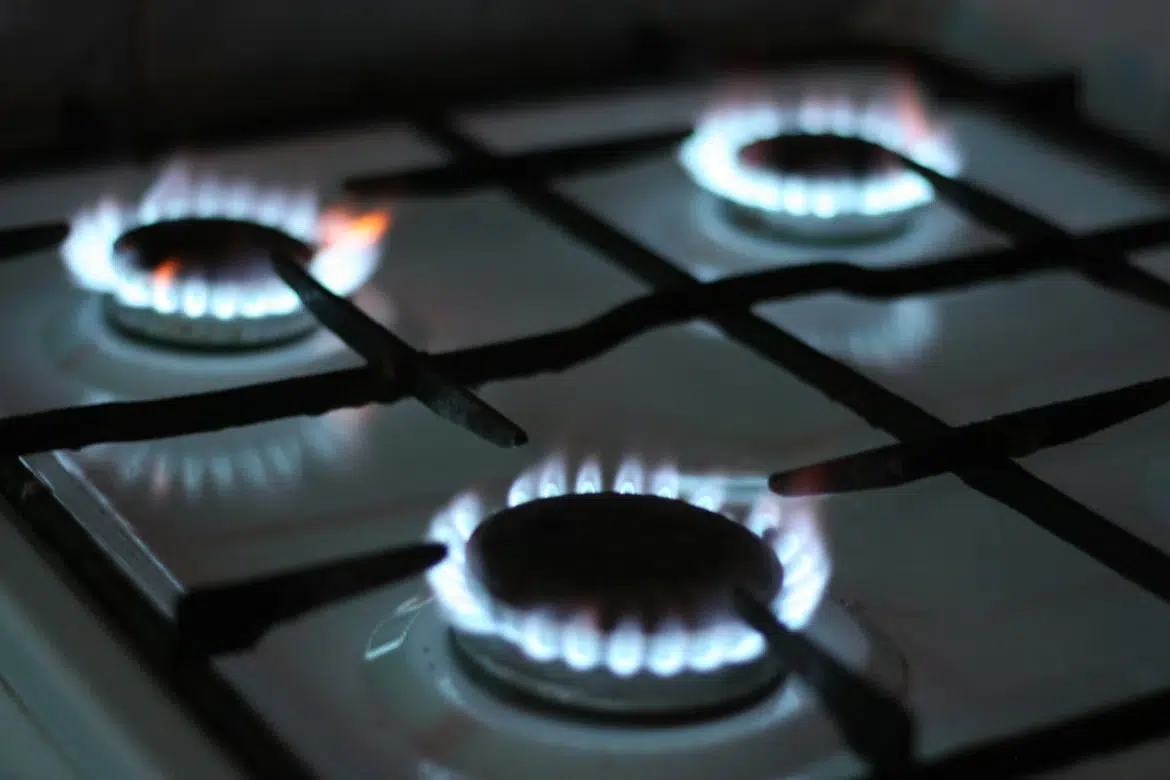
Leaking gases are invisible, making them hard to spot and are one of the reasons why they are so dangerous. Common signs of a gas leak include:
- A rotting egg-like smell
- A hissing or whistling sound for gas appliances
- Physical symptoms like dizziness, nausea, or fatigue
- Gas bill has spiked
While natural gas and propane are colourless and odourless, odorants are added to make them detectable. Professional residential gas leak detection services can also use specialised acoustic or thermal imaging tools to detect leaks.
The danger of gas leaks
Gas leaks can be incredibly dangerous and are a serious issue. If the gases leak and build up long enough in your home, they can cause fires or even explosions as they are flammable by nature.
Gas leaks can also impact your health, causing physical symptoms, as well as kill plants and impact the health of any animals. Common physical symptoms that can be caused by gas include headaches, nausea, and confusion.
Suspect a gas leak?
A gas leak can pose a potential danger to those in your household. If you can smell gas or you suspect there might be a leak, you should:
- Try to find the source of the smell. Check any gas appliances, such as your stove, or check the piping near your gas meter.
- If you can’t identify the source, switch off your natural handle on your meter.
- Open any windows and doors for better ventilation. Ensure any naked flames and pilot lights are turned off, and switch off your electricity at the fuse box.
- From outside your house, contact a service like The Leak Detector to identify and fix the leak. If you’re renting, call your real estate agent.
As well as contacting a service like The Leak Detector or a gas fitter, it’s important to call your local gas distributor to notify them about the leak.
Gas safety amendment regulations
Gas safety regulations in Australia have recently undergone amendments, improving safety and accountability. A full rundown of the changes is available on the Building and Plumbing Commission website.
The changes were made following industry feedback and regulatory changes, and went into effect from February 1st 2026. The key changes for gasfitters are:
- They must create a complete gas servicing record, including completing the gas appliance servicing checklist.
- Continue to provide a copy of the complete gas record servicing to the person for whom the work was carried out.
- Retain completed gas appliance servicing records and other supporting information for 10 years.
- Provide a copy of the complete gas servicing record to the BPC if requested at any time during the retention period.
The goal of these changes is to increase accountability and maintain safety outcomes. There will now be more detailed records and paper trails for gas appliance servicing, minimising the risk of leaks and improper maintenance.

With a Master’s in Architecture from the University of California, Berkeley, Mitchell Green has spent over two decades dedicated to the study and practical application of home fixture design. His career started in an architectural firm, providing him a strong foundation in the structural and aesthetic aspects of home interiors. Mitchell brought his comprehensive knowledge to our platform, where he has been an influential voice in our home fixtures and fittings section. Since 2018, he has been guiding our readers through the intricacies of selecting and installing fixtures, combining technical know-how with design flair. In his spare time, Mitchell is a keen photographer, capturing architectural details and design elements, an interest that complements his professional focus.