
Have you ever wondered why you sometimes see lights flickering in your house and what it really means?
I know how uneasy it can feel when a light suddenly blinks for no clear reason, especially when it keeps happening.
Flickering can seem minor at first, but it’s usually your home’s way of telling you something needs attention. Some causes are simple, while others point to deeper electrical issues that shouldn’t be ignored.
In this guide, I’ll help you understand what to look for, how to diagnose the problem, and when it’s time to call in a professional.
Lights Flickering in House: Quick Overview
When lights flicker in your home, it means the flow of electricity is being interrupted or changed.
Sometimes this comes from small, harmless issues like a loose bulb. Other times, it signals problems inside the electrical system or even outside your home.
If flickering happens in just one light, it’s usually a minor issue. But if several lights flicker at the same time, it may show that more than one part of the system is affected.
Flickering that repeats or spreads across different rooms is a sign worth paying attention to. Noticing when and where it happens helps you narrow down the cause.
Common Reasons Your Lights Keep Flickering
These points help you spot why your lights blink, from simple bulb problems to serious wiring or utility issues. Checking the easy causes first can save you stress and keep your home safe.
1. Simple, Low-Risk Causes

These are the easiest issues to check and usually aren’t dangerous.
- Loose bulb: A bulb that isn’t fully tightened can lose contact and blink on and off. Turn off the light, tighten the bulb gently, and turn it back on.
- Aging or incompatible bulb: Old bulbs or LEDs that don’t match your switch may flicker randomly. Replace the bulb with a new one to see if the flicker stops.
- Dimmer switch issues: Older dimmers often don’t work well with LED bulbs, causing flicker or buzzing. Try a dimmer-compatible LED bulb or turn the dimmer off.
- Corroded light socket: Corrosion in the socket can weaken the connection and cause flickering. Try the same bulb in another fixture to rule out the bulb itself.
2. Circuit-Related Causes

These issues affect the electrical load on the circuit rather than the bulb or switch.
- Overloaded circuits: Too many devices on one line can cause lights to dim or flicker. Unplug a few items and see if the flickering stops.
- Large appliances causing dips: AC units, microwaves, and space heaters can pull a lot of power when they start. Notice whether the lights flicker exactly when an appliance turns on.
- Shared circuits drawing too much power: Multiple rooms may run off the same breaker, creating voltage drops. Test the same appliance on a different circuit to compare results.
3. Serious or Hazardous Causes

These issues need professional attention because they involve wiring or panel problems.
- Loose wiring: Unstable connections inside walls or fixtures can cause ongoing flickering. Flicker happens even when nothing else is running.
- Failing breaker: A weak or damaged breaker may fail to deliver steady power. Breaker feels warm or makes a faint buzzing sound.
- Damaged panel connections: Loose screws or worn terminals inside the panel cause wide flickering across circuits. Multiple rooms flicker at once with no pattern.
- Rodent-damaged wires: Chewed wires interrupt electrical flow and create safety hazards. Flicker combined with outlets that stop working.
- Hot spots or corrosion: Heat or rust inside the panel or meter can disrupt power distribution. You may see discoloration or smell something burning.
4. Utility Company or Service Line Causes

These problems come from outside your home and often affect more than one house.
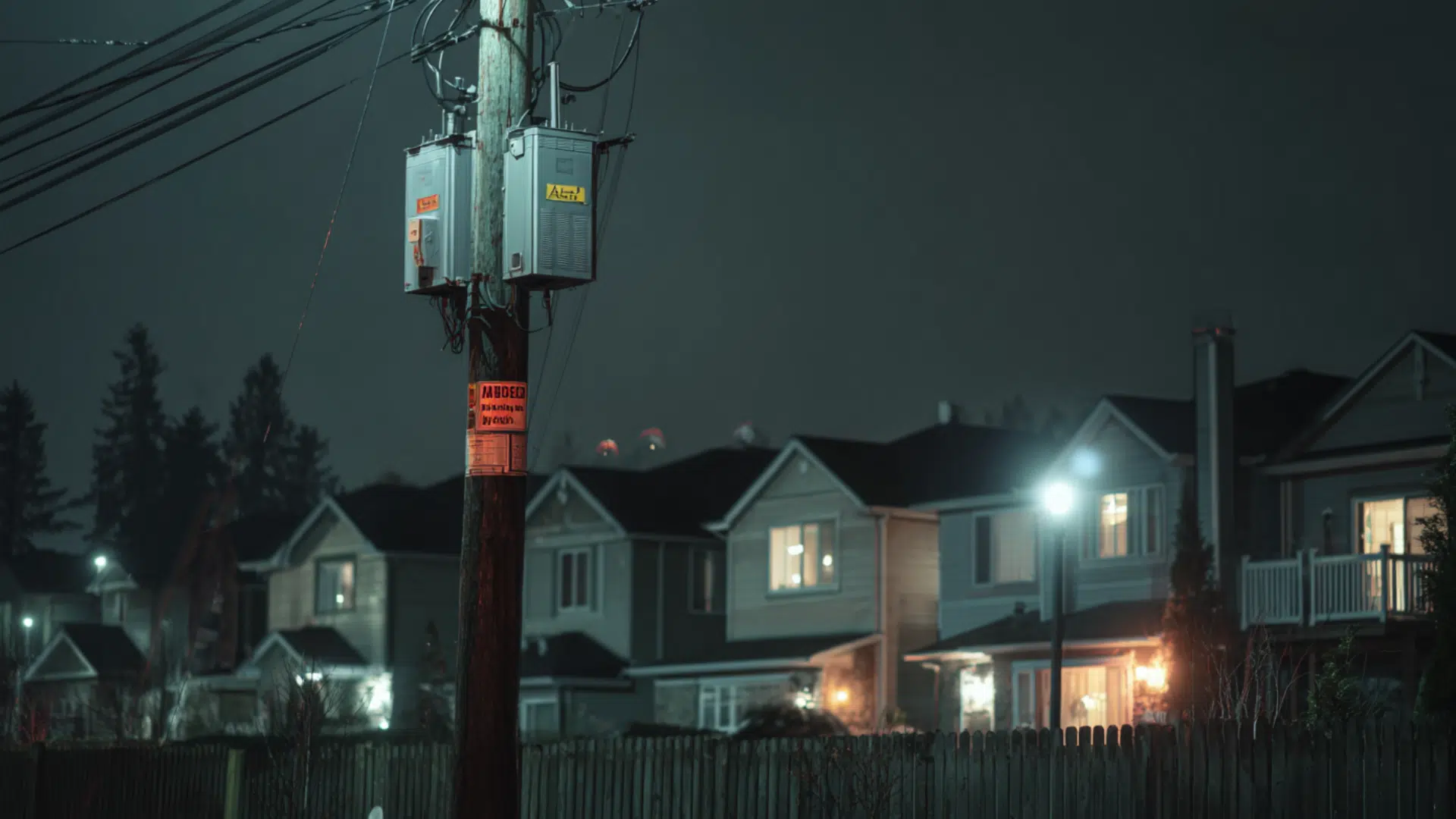
- Failing neutral: A weak or damaged neutral line from the utility can cause lights to brighten and dim together. Many Reddit users report that multiple lights flickering in the house were caused by a loose neutral at the pole.
- Voltage fluctuations: Power dips or surges from the utility can create brief flashes or dimming.
- Transformer issues: A failing transformer on your street can cause random flickering across several homes.
- Weather-related line problems: Wind, ice, and tree branches can disturb power lines and cause flickering that comes and goes.
How to Diagnose Flickering Lights: Step-by-Step
Some checks are safe to do on your own, while others should only be handled by a professional. These steps help you understand what you can safely test before deciding whether to call an expert.
Step 1: Check the Bulb
Start by making sure the bulb is tightened and seated correctly. Loose or aging bulbs often cause small flickers.
If tightening doesn’t help, replace the bulb with a new one that matches your fixture so you can rule out a simple bulb issue.
Step 2: Test the Switch
A worn switch may cause flickering when it can’t hold a steady connection. If the light changes when you tap or move the switch, the switch may be failing.
Try flipping the switch several times to see if the flicker reacts directly to it. If it does, replacing the switch usually solves the problem.
Step 3: Isolate the Circuit
Flickering caused by one room or outlet group can point to a circuit issue. Unplug items in the same area to see if the flicker reduces or stops.
If the flicker changes after removing devices, the circuit may be overloaded. This helps you narrow down whether the issue is caused by too much power on one line.
Step 4: Look for Patterns
Notice when the flicker happens. If the issue happens during specific times or with certain devices, it helps identify whether it’s a load issue or a compatibility issue.
If flickering happens when the AC or microwave turns on, the load may be too high. Only flickering LEDs may point to dimmer or bulb compatibility instead of wiring.
Step 5: When DIY Should Stop
Stop troubleshooting if flickering happens across multiple rooms, if lights brighten and dim together, or if the issue becomes more frequent.
These signs point to wiring, panel, or utility issues that require a licensed electrician or your utility company.
Is Flickering Dangerous: Signs You Should Worry
Some flickering is harmless, but other types can point to electrical problems that need fast attention. Knowing the difference helps you stay safe and avoid serious issues inside your home.
Mild Flicker
Mild flickering often comes from small issues that don’t pose a safety risk. These problems are usually easy to check and fix on your own
- Only one bulb: This often means the bulb is loose or reaching the end of its life.
- Happens with dimmers: Older dimmers don’t always work well with LED bulbs, causing light to flicker or buzz.
- Stops after tightening or replacing the bulb: If the flicker disappears after a quick adjustment, the issue is usually minor.
Serious Warning Signs
Some flickering patterns point to wiring problems, panel issues, or power supply faults. These signs shouldn’t be ignored because they can become dangerous quickly.
- Burning smell: A sign of overheated wires or a dangerous connection.
- Buzzing panels: Electrical panels should never make noise and may indicate a loose or failing breaker.
- Flickering across multiple rooms: Often points to wiring, panel issues, or a problem with the main power supply.
- Flicker worsens when appliances run: Large appliances may be stressing the system or revealing an overloaded circuit.
- Lights dim and brighten together: This can mean a failing neutral, which is both serious and unsafe.
- Panel feels warm: Heat coming from the panel is a major red flag and needs immediate professional attention.
Electrician vs. Utility Company: Who to Call

Some flickering problems start inside your home, while others come from the power company’s equipment. This table helps you understand who handles what, so you can get the right help fast:
| Situation | Who to Call | What It Means |
|---|---|---|
| Whole house flickers | Utility company | Service line or neutral issue outside your home |
| Neighbors also see power dips | Utility company | Transformer or neighborhood voltage problem |
| Lights brighten & dim together | Utility company | Loose or failing neutral (usually free to fix) |
| Issues at meter/service drop | Utility company | Corrosion or loose external connections |
| Flicker on one circuit | Electrician | Circuit overload or wiring problem |
| Breaker buzzing or hot | Electrician | Failing breaker or unsafe panel |
| Flicker only in your home | Electrician | Fixture, switch, or internal wiring issue |
| Panel corrosion visible | Electrician | Moisture or worn parts inside the panel |
Choosing the right professional saves time and prevents bigger electrical problems, so matching the issue to the right expert is the safest way to get the flickering resolved.
How Much Does It Cost to Fix Flickering Lights?
The cost depends on the cause. Simple fixes are inexpensive, while wiring or panel issues cost more because they require a professional.
Replacing a bulb usually costs $5–$20, and installing an LED-compatible dimmer is typically $60–$120.Replacing a worn switch generally falls between $80–$150.
If the problem comes from damaged wiring, repairs often range from $150–$500.Panel issues are more complex and can cost $300–$1,200, depending on the work needed.
When the flicker is caused by a loose neutral outside your home, the utility company usually fixes it for free. These estimates give you a clear idea of what to expect before scheduling repairs.
How to Prevent Flickering Lights Long-Term
Preventing flickering starts with keeping your electrical system in good shape. A few simple habits can help your lights stay steady and reduce future problems:
- Upgrade old wiring if your home hasn’t been updated in many years. This helps maintain steady, safe power throughout the house.
- Replace outdated switches before they loosen or fail. New switches provide a more reliable connection.
- Use dimmer-compatible LED bulbs to avoid mismatched parts that can cause flickering or buzzing.
- Avoid circuit overload by spreading devices across different outlets and limiting how many high-demand appliances run at once.
- Schedule electrical inspections, especially in older homes, to catch loose connections or worn components early.
Conclusion
If you’ve been dealing with lights flickering in your house and you’re unsure what it means, I hope this guide helped you understand what to look for and what steps make sense next.
I always remind people that small issues can be handled at home, but anything unexplained, worsening, or widespread deserves attention. Trusting your instincts matters when it comes to electrical safety.
If you’re still unsure about the cause or want a second opinion, reach out to a licensed electrician for a closer look. It’s the safest way to protect your home.

Tommy Hardy, an alumnus of the Georgia Institute of Technology with a degree in Mechanical Engineering, has been a go-to figure in residential upkeep and innovation for over 18 years. His career commenced in a leading home appliance manufacturing company, where he mastered the intricacies of household systems. Joining our platform in 2020, Tommy quickly became a reader favorite for his practical and easy-to-follow guides. He took the helm of our DIY section in 2019, consistently delivering content that empowers homeowners. Beyond his professional pursuits, Tommy is a passionate gardener and enjoys woodworking, skills enhancing his hands-on approach to home care.