
Choosing flooring often sounds simple at first, until the options start piling up.
LVT, LVP, EVP, laminate, hardwood, everything looks good in pictures, but real questions come up fast.
How does it handle spills? Will it feel cold? Does it last in busy rooms?
LVT flooring is one of those options that keeps coming up, yet many people are not fully sure what it actually is or how it compares to the rest.
This blog walks through LVT flooring step by step, breaking down what it means, how it performs, where it fits best, and how it stacks up against other popular flooring types, so decisions feel clearer and more grounded.
LVT Flooring Meaning and What It Is?
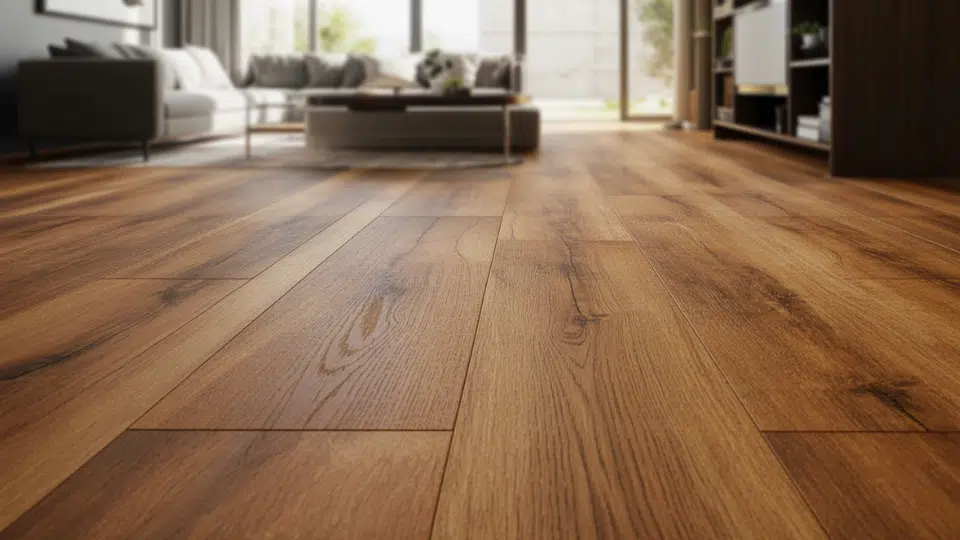
LVT flooring means Luxury Vinyl Tile. It is a type of vinyl flooring made to look like natural materials such as stone or ceramic tile.
The word “luxury” refers to its layered construction and detailed surface design, not to a high-maintenance product.
LVT flooring belongs to the broader vinyl flooring category. Unlike sheet vinyl, LVT comes in individual tiles.
These tiles are designed to copy the size, shape, and surface patterns of traditional tile flooring. Because of this, LVT flooring is often used where a tile look is preferred but with easier upkeep.
Areas to Use LVT Flooring:
In most of the spaces, LVT flooring works well in homes and light commercial areas. It is commonly used in kitchens, bathrooms, hallways, offices, and retail spaces.
The surface prints and textures allow LVT flooring to closely resemble stone or ceramic, while offering better comfort underfoot.
Features and Characteristics of LVT Flooring
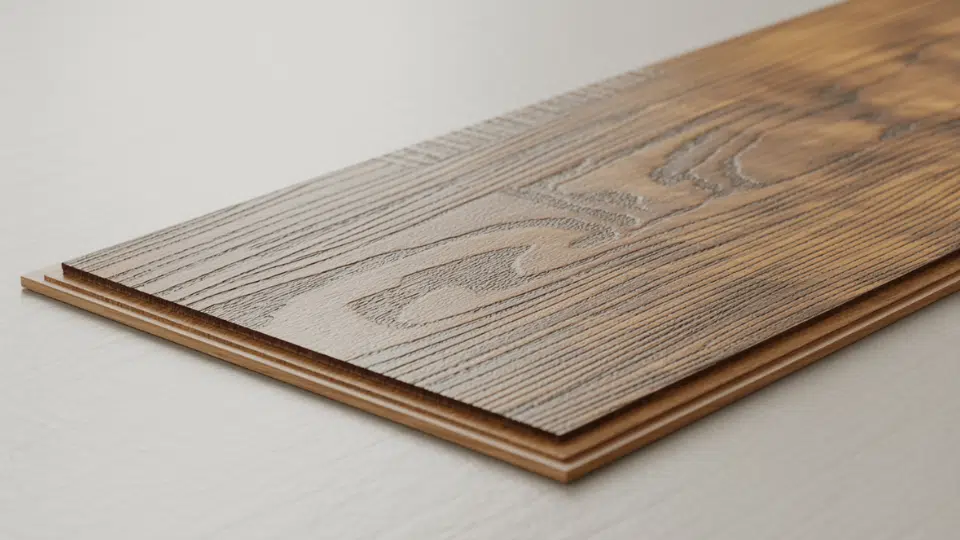
LVT flooring is built in layers. Each layer has a specific role in how the floor looks, feels, and holds up over time. Together, these features explain why LVT flooring performs differently from other flooring types.
1. Wear Layer
The wear layer is the top protective surface of LVT flooring, designed to handle everyday use.
It shields the floor from scratches, stains, and marks caused by shoes, furniture, and regular foot traffic.
While it does not prevent all damage, a well-made wear layer helps the flooring keep its appearance for a longer period, especially in frequently used areas.
2. Printed Design Layer
The printed design layer is responsible for how LVT flooring looks. This layer uses detailed images to recreate the appearance of stone or tile.
The quality of this print affects color depth, pattern clarity, and realism.
A higher-quality design layer results in flooring that looks more natural and blends easily with different room styles.
3. Vinyl Core
The vinyl core forms the main structure of LVT flooring and provides strength without making the tile rigid.
It allows the flooring to handle pressure while staying flexible enough for daily movement.
This core also contributes to moisture resistance, which helps prevent swelling or damage when the floor is exposed to spills or humidity.
4. Water Resistance
Water resistance is one of the most practical features of LVT flooring.
The material does not absorb moisture, which means water stays on the surface instead of seeping in.
This reduces the risk of warping or damage over time. Because of this, LVT flooring works well in spaces where spills or damp conditions are common.
5. Dimensional Stability
Dimensional stability refers to how well LVT flooring maintains its shape once installed.
The tiles are designed to stay flat and aligned under normal temperature changes.
This helps prevent gaps, curling, or shifting. A stable floor not only looks more even but also feels more secure underfoot during regular use.
6. Comfort Underfoot
LVT flooring offers a softer feel compared to traditional tile or stone.
The layered vinyl construction provides slight cushioning, which reduces strain when standing for long periods.
This added comfort makes LVT flooring suitable for areas like kitchens, where people often spend extended time on their feet.
Benefits of LVT Flooring
1. Handles moisture better than laminate flooring: LVT flooring remains stable when exposed to spills, humidity, or damp conditions.
Unlike laminate, it does not swell or weaken when water sits on the surface, which makes it a reliable option for areas where moisture is common.
2. Requires less upkeep than hardwood flooring: LVT flooring does not need polishing, sealing, or special treatments.
Basic cleaning, such as sweeping and mopping, is usually enough, making it easier to maintain over time without ongoing effort or added costs.
3. Works well in kitchens, bathrooms, and basements: These spaces often face temperature changes and moisture exposure.
LVT flooring handles both well, maintaining its shape and surface appearance even in environments where traditional flooring materials may struggle.
4. Maintains a consistent look across large floor areas: LVT flooring tiles are manufactured with uniform sizing and controlled patterns.
This helps create visual continuity, especially in open layouts or connected rooms where consistency in flooring appearance is important.
What is the Downside of LVT Flooring
Subfloor preparation is not optional.
LVT flooring follows the surface beneath it. Minor height differences, cracks, or patches in the subfloor can become visible over time if leveling is skipped. This is more noticeable with thinner tiles and glue-down installations.
Perceived value is lower than the natural tile.
Even high-quality LVT flooring does not carry the same market perception as stone or ceramic tile. In homes where traditional materials are expected, this difference may influence buyer preference rather than performance.
Wear layer thickness affects Lifespan.
LVT flooring with a thin wear layer shows surface wear sooner in high-traffic areas. Scratches, dulling, and pattern fade are more common in lower-grade products, especially in entryways and kitchens.
Surface temperature stays cool.
LVT flooring does not retain heat like wood. In cooler climates or rooms without radiant heating, the floor can feel cold underfoot, particularly on concrete subfloors.
LVT vs LVP, EVP, and Laminate Flooring
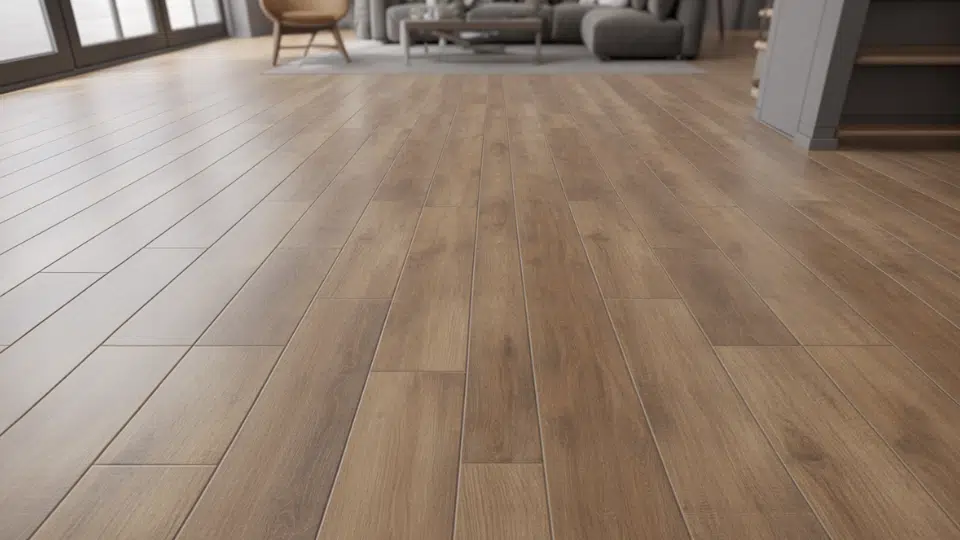
Before comparing which option works better, it helps to understand what each flooring type is and how it behaves.
Although these materials often look similar on the surface, their structure, format, and performance differ in important ways.
These differences affect where each type fits best and how it holds up over time.
LVT Flooring Luxury Vinyl Tile is made in tile form and is designed to resemble stone, ceramic, or concrete. It offers water resistance, flexible installation options, and a surface that works well in moisture-prone rooms. LVP Flooring Luxury Vinyl Plank shares a similar vinyl construction but comes in plank form. It focuses on wood-style visuals and is commonly used in living areas and bedrooms where a plank layout feels more natural. EVP Flooring Engineered Vinyl Plank includes a rigid core that adds stiffness and improves stability. It is typically thicker and handles temperature changes and subfloor variations better than standard vinyl options. Laminate Flooring It is built with a fiberboard core and a printed surface layer. It offers a wood-like appearance and often feels warmer underfoot, but it reacts more strongly to moisture compared to vinyl-based flooring |
Which is Better: LVT or Laminate Flooring?
LVT flooring performs more reliably in spaces exposed to moisture.
Its vinyl construction does not absorb water, while laminate flooring can swell if moisture reaches the core.
Laminate may feel slightly warmer, but it requires more caution around spills.
For kitchens, bathrooms, and basements, LVT flooring is usually the more dependable choice.
Which is Better: LVT or LVP Flooring?
The main difference between LVT and LVP flooring is format.
LVT flooring suits spaces where a tile layout is preferred, such as bathrooms or entryways.
LVP flooring works better in rooms where a wood-style plank layout fits the design.
Performance is similar, so layout preference and room function usually guide the decision.
Which is Better: LVT or EVP Flooring?
EVP flooring offers added rigidity and thickness, which helps in larger spaces or over uneven subfloors.
LVT flooring, however, provides easier tile replacement and a more traditional tile layout.
In rooms that need stability without extra thickness, LVT flooring often remains the more practical option.
Which is Better: LVT or Hardwood Flooring?
Hardwood flooring offers natural character but requires regular care and reacts to moisture.
LVT flooring handles spills, humidity, and foot traffic more consistently.
For high-traffic or moisture-prone areas, LVT flooring is often the safer option, while hardwood fits dry, low-moisture living spaces.
While LVT flooring focuses on durability and water resistance, some homeowners look for flooring options that feel warmer and softer underfoot.
Cork flooring is one such alternative, known for its cushioned surface and natural sound absorption, which suits quiet, low-traffic living spaces.
Conclusion
LVT flooring stands out as a practical flooring option that balances appearance, performance, and ease of maintenance.
Its tile format, layered construction, and water resistance make it suitable for spaces where moisture and daily use are common.
Compared with laminate, hardwood, LVP, and EVP, LVT flooring offers a stable surface with simpler upkeep and consistent visual results.
While it does not replace the value or feel of natural materials, it provides reliable performance across kitchens, bathrooms, basements, and commercial settings.
When installed over a properly prepared subfloor and selected with the right wear layer, LVT flooring delivers durability and design flexibility that meet the needs of many modern interiors.

Holding a Master’s in Construction Management from Purdue University, William Ray has dedicated more than two decades to studying and applying construction principles. His professional journey includes a tenure with a prominent construction firm, where he specialized in project management and building technologies. William brought his knowledge to our team, providing in-depth insights into practical construction techniques. As the leader of our beginner’s guide to building since 2019, he has a knack for breaking down intricate processes into easily digestible content. When not involved in writing or onsite consultations, William enjoys woodworking and volunteering in community building projects, which aligns with his passion for hands-on construction and community service.